Award-Winning AP World History Tutors
serving Tucson, AZ
AP World History
Tutors in Tucson
Private 1-on-1 tutoring, weekly live classes for academic support, test prep & enrichment, practice tests and diagnostics, and more to elevate grades and test scores.
Based on 3.4M Learner Ratings
UniversitiesSchools & Universities
DeliveredHours Delivered
ProficiencyGrowth in Proficiency
Who needs tutoring?
No obligation. Takes ~1 minute.
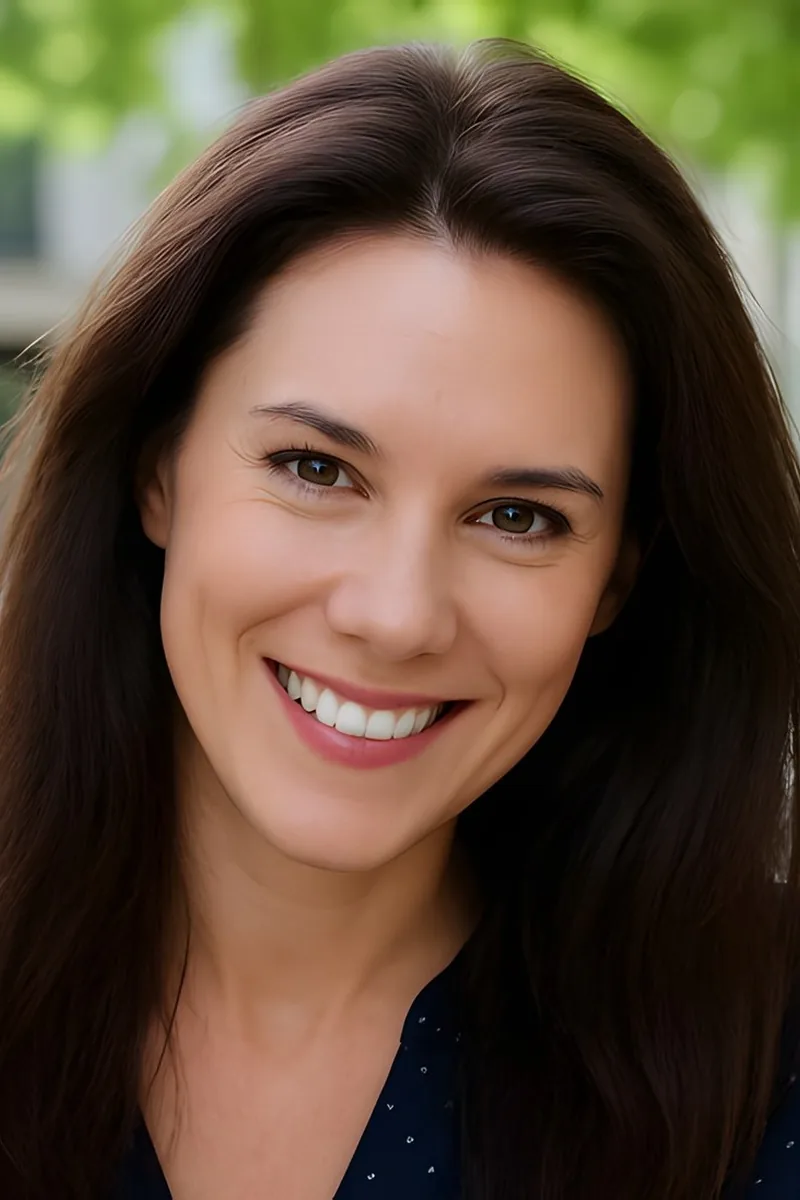
Covering thousands of years across every continent, AP World History overwhelms students who try to memorize their way through it. Michelle's history degree gives her a framework for teaching the thematic threads — trade networks, empire-building, cultural diffusion — that the exam actually tests. She spends significant time on the writing components, especially the comparison and continuity-and-change essays that trip students up most.
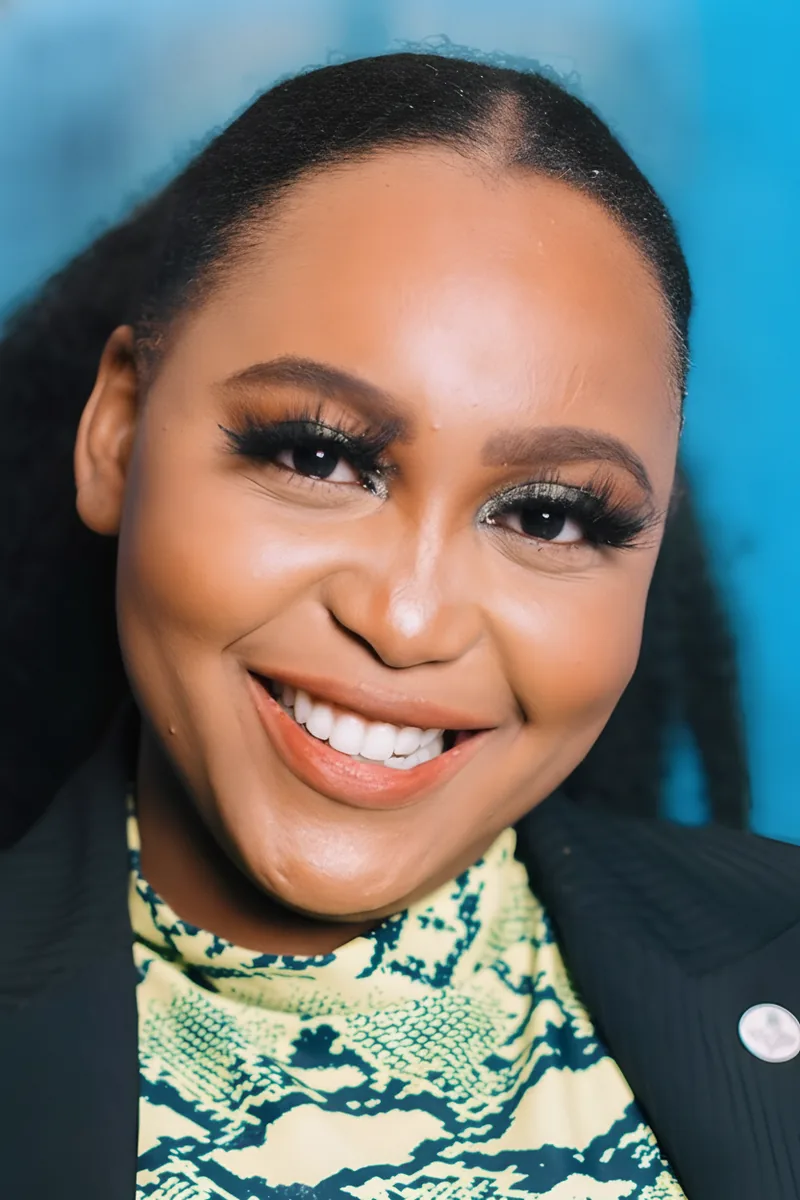
I went to Stellenbosch University (SA) and University of Southern California (USA) for a BA in International Studies (Political Science, History, & French) and an MA in Specialized Journalism (Arts & Culture). I've loved writing since I learned how to write full sentences, and it's carried me around the world. One series of essays changed my life, and I believe this can be true for anyone who writes.
Covering ten thousand years of global history means students need a mental framework, not a memorized timeline. Jake approaches AP World History through recurring themes like empire-building, trade networks, and cultural diffusion, then shows students how to deploy that thematic knowledge in the continuity-and-change and comparison essays the exam actually tests.
Covering ten thousand years of human history means students need frameworks, not just facts. Kyle's master's in global management and his undergraduate work in international studies gave him exactly that kind of cross-regional perspective — he can explain why the Columbian Exchange reshaped economies worldwide or how gunpowder empires differed in their administrative strategies.
Keeping five thousand years of global history straight requires a framework, not a flashcard deck. River organizes AP World around recurring themes — trade networks, empire-building, cultural exchange — so students can draw comparisons across time periods, which is exactly what the comparative and continuity-and-change essays demand.
Sociology trains you to ask how societies organize, stratify, and transform — which is essentially what every AP World History essay prompt is getting at when it asks why empires rise, trade networks reshape cultures, or revolutions spread across borders. Caio brings that sociological lens from his studies at Rice to the exam's comparative and causation questions, teaching students to analyze documents through the structures of power, class, and cultural exchange rather than just chronology. Rated 5.0 by students.
The sheer scope of AP World History — from river valley civilizations to globalization — overwhelms students who try to memorize everything. Varun tackles it thematically, teaching students to trace continuities and changes across regions using the comparison and causation skills the exam actually tests. His CLEP Western Civilization coursework gives him particular depth in cross-cultural encounters and empire-building from antiquity through the modern era.
Studying anthropology and linguistics at the University of Chicago means Araxie spends her coursework doing exactly what AP World History's toughest prompts ask — analyzing how cultures interact, absorb, and transform each other across time and space. That training sharpens her approach to the cultural diffusion and comparison questions where students need to explain not just what spread along trade routes or through empires, but how contact reshaped societies on both sides. Rated 4.8 by students.
Penn's political science program drills students in analyzing how institutions form, consolidate power, and collapse — which is essentially what AP World History asks on every LEQ and DBQ from early empires through decolonization. Noah leans into that political lens when teaching students to build arguments about state-building, revolutions, and shifts in governance across all nine periods. Rated 5.0 by students, with a 34 ACT backing up the timed writing and analytical reading the exam demands.
Elena's dual undergraduate majors in Art History & Archaeology and History — with a focus on medieval civilizations — gave her deep practice in the kind of cross-regional, cross-temporal analysis that AP World History demands. She teaches students to read primary sources the way an art historian reads an artifact: pulling context, audience, and purpose out of a single document, which is exactly what the DBQ requires. Rated 4.7 by students.
Brian's dual training in economics and computer science at Caltech built the kind of analytical framework that AP World History's toughest prompts actually test — tracing how economic systems, trade networks, and technological innovations reshaped societies across periods, from Indian Ocean commerce to industrial capitalism. His 1580 SAT reflects the timed reading and argumentative writing skills the DBQ demands, and his economics background gives him a concrete lens for teaching students why empires rose and fell rather than just when.
A European History major at Vanderbilt, Alexander brings particular depth to the post-1450 periods where European expansion, colonialism, and industrialization dominate the AP World History timeline — content he's studied from primary sources, not just textbook summaries. He teaches students to treat the DBQ as an argument-building exercise, connecting specific document evidence to the broader thematic threads the exam rewards. His 1510 SAT reflects the kind of timed analytical reading and writing the free-response sections demand.
Connecting civilizations across centuries requires a framework, not just flashcards. Jessica's history degree from Penn gave her deep practice in comparative analysis — exactly the skill AP World History rewards on its continuity-and-change and comparison essays. She also brings years of experience coaching students through the specific writing demands of AP free-response questions.
Studying Asian American Studies on a pre-med track at UCLA gave Jon an unusual lens for AP World History — he's comfortable moving between scientific and humanistic thinking, which is exactly what the exam's cross-cultural analysis requires. His strength is in the regions and interactions that often get shortchanged in standard curricula, particularly South and East Asian developments and their ripple effects across trade routes and empires. Now at Yale's School of Public Health, he brings a social-systems perspective to topics like disease exchange, migration, and demographic shifts that show up repeatedly on the exam.
Having taught and tutored across Colombia, Mexico, Germany, Canada, and the United States, Esteban brings an anthropologist's instinct for reading how cultures interact — the exact skill AP World History's DBQ and comparative essays test when students must explain why civilizations borrowed, resisted, or transformed each other's practices. His anthropology training means he teaches cultural diffusion and state formation not as textbook vocabulary but as lived human patterns, connecting concepts like syncretism or tributary systems to real-world examples he's encountered firsthand. Rated 4.9 by students.
Fluency in multiple languages — Latin, Spanish, Italian, German — gives Jamie a concrete feel for how cultures borrow, collide, and reshape each other, which is the engine behind AP World History's toughest essay prompts on cultural diffusion and cross-regional exchange. A master's in education sharpens that into practical exam prep, particularly on DBQ sourcing where students need to read an unfamiliar document and quickly identify its cultural context and point of view.
Earning a perfect score on the SAT World History subject test gave Abrahim a deep familiarity with the cross-cultural comparisons and periodization that drive AP World History. He teaches students to spot continuity-and-change patterns across civilizations and translate that analysis into high-scoring essays and short answers.
Testimonials
Because the right AP World History tutor makes all the difference.
Average Session Rating – Based on 3.4M Learner Ratings
Practice AP World History
Free practice tests, flashcards, and AI tutoring for AP World History
Other Tucson Tutors
Related Social Studies Tutors in Tucson
Frequently Asked Questions
AP World History spans from 1200 CE to the present, organized into four units: developments in Africa, the Americas, Asia, and Europe from 1200-1450; global interactions from 1450-1750; industrialization and global conflict from 1750-1900; and the modern world from 1900 to present. The course emphasizes historical thinking skills like contextualization, comparison, and causation rather than memorizing dates. Understanding these themes and how to apply analytical skills is essential for scoring well on the exam.
The exam is divided into two sections: Multiple Choice & Short Answer (95 minutes) and Free Response (100 minutes). The multiple choice section tests your ability to identify historical evidence and understand context, while the free response includes document-based questions (DBQ) and long essay questions that require you to construct arguments with specific evidence. Pacing is critical—many students struggle with time management, especially on the DBQ which requires careful document analysis and synthesis.
Students often struggle with synthesizing information across different regions and time periods, managing the sheer volume of content, and developing strong thesis statements for essays. Many also find it difficult to distinguish between correlation and causation in historical events, or to effectively use primary source documents as evidence. Tutors can help you identify which historical periods and themes are your weak spots, then develop targeted strategies to strengthen your understanding and writing skills.
Score improvement depends on your starting point and how consistently you apply feedback. Students who work with tutors typically see gains of 1-2 score points, with some improving more if they combine tutoring with regular practice tests and focused review. The key is identifying your specific weaknesses—whether that's essay writing, document analysis, or content gaps—and addressing them systematically over several weeks or months.
Your first session focuses on assessment and planning. Tutors will likely review your current understanding of key AP World History concepts, discuss your goals (target score, timeline), and identify your strongest and weakest areas—whether that's specific time periods, essay writing, or test-taking strategies. From there, they'll create a personalized study plan tailored to your needs and schedule leading up to the exam.
Practice tests are essential—they help you get comfortable with the exam format, pacing, and question types while revealing content gaps and areas where your analysis skills need work. Taking full-length practice tests under timed conditions is especially valuable for the free response section, where you can practice thesis development and evidence selection. A tutor can review your practice test responses, identify patterns in your mistakes, and help you refine your approach before test day.
Strong AP World History essays require a clear, arguable thesis, specific evidence from the required time period, and explicit reasoning that connects evidence to your argument. Many students lose points by making vague claims or including evidence without explaining its relevance. Tutors can teach you the framework for constructing essays quickly, help you practice with sample prompts, and provide detailed feedback on your thesis statements and evidence selection so you can refine your approach.
Varsity Tutors connects you with expert tutors for AP World History for students in Tucson who can work with your schedule and learning style. When you get matched with a tutor, you can discuss your specific goals, timeline, and preferred format for instruction. Many students benefit from starting tutoring 8-12 weeks before the exam to allow time for content review, skill-building, and practice test work.
Let’s find your perfect tutor
Answer a few quick questions. We’ll recommend the right plan and match you with a top 5% tutor.