Award-Winning AP World History Tutors
serving Phoenix, AZ
AP World History
Tutors in Phoenix
Private 1-on-1 tutoring, weekly live classes for academic support, test prep & enrichment, practice tests and diagnostics, and more to elevate grades and test scores.
Based on 3.4M Learner Ratings
UniversitiesSchools & Universities
DeliveredHours Delivered
ProficiencyGrowth in Proficiency
Who needs tutoring?
No obligation. Takes ~1 minute.
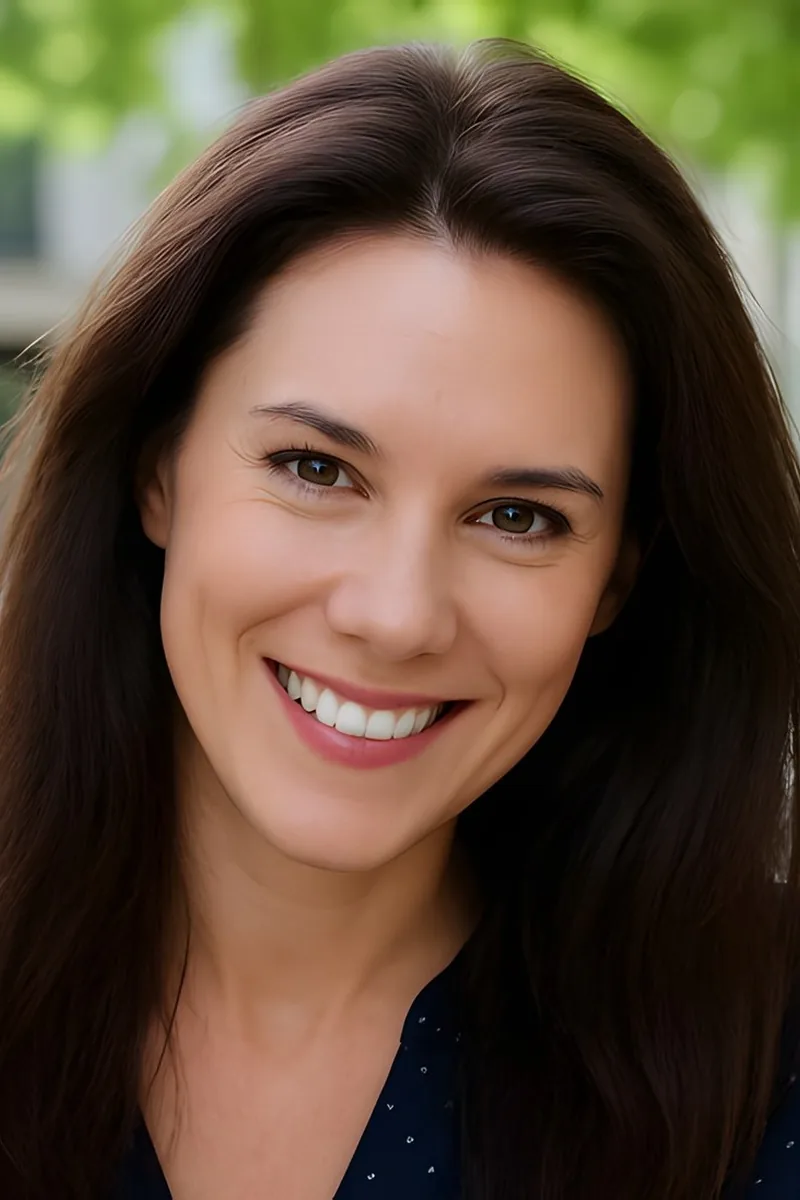
Covering thousands of years across every continent, AP World History overwhelms students who try to memorize their way through it. Michelle's history degree gives her a framework for teaching the thematic threads — trade networks, empire-building, cultural diffusion — that the exam actually tests. She spends significant time on the writing components, especially the comparison and continuity-and-change essays that trip students up most.

Covering ten thousand years of global history means students need a mental framework, not a memorized timeline. Jake approaches AP World History through recurring themes like empire-building, trade networks, and cultural diffusion, then shows students how to deploy that thematic knowledge in the continuity-and-change and comparison essays the exam actually tests.
Covering ten thousand years of human history means students need frameworks, not just facts. Kyle's master's in global management and his undergraduate work in international studies gave him exactly that kind of cross-regional perspective — he can explain why the Columbian Exchange reshaped economies worldwide or how gunpowder empires differed in their administrative strategies.
Keeping five thousand years of global history straight requires a framework, not a flashcard deck. River organizes AP World around recurring themes — trade networks, empire-building, cultural exchange — so students can draw comparisons across time periods, which is exactly what the comparative and continuity-and-change essays demand.
I went to Stellenbosch University (SA) and University of Southern California (USA) for a BA in International Studies (Political Science, History, & French) and an MA in Specialized Journalism (Arts & Culture). I've loved writing since I learned how to write full sentences, and it's carried me around the world. One series of essays changed my life, and I believe this can be true for anyone who writes.
Covering thousands of years across every continent, AP World History overwhelms students who try to memorize everything instead of learning to spot patterns — trade networks, empire-building, cultural diffusion. Paula's Communication Studies background makes her especially effective at teaching the comparative and continuity-and-change essay formats the exam demands, where clear argumentation matters more than encyclopedic recall.
The sheer scope of AP World History — from Mesopotamia to globalization — overwhelms students who try to memorize everything. Christie's approach zeroes in on comparative frameworks and thematic throughlines like trade networks, empire-building, and cultural diffusion, so students can tackle any prompt by drawing connections across regions and time periods. She currently teaches history at the college level and holds a 5.0 rating.
Covering ten thousand years of human history in one course means students need frameworks, not just facts — understanding how trade networks, empire-building, and cultural diffusion repeat across civilizations. Paul's graduate training at Brandeis emphasized comparative and cross-cultural historical analysis, which maps directly onto the way the AP World exam asks students to draw connections across time periods and regions.
The sheer scope of AP World History — from river valley civilizations through globalization — overwhelms students who try to memorize everything. Lisa's approach, shaped by her history degree, centers on comparative frameworks: teaching students to trace themes like state-building, trade networks, and cultural diffusion across regions so they can tackle any stimulus-based question the exam throws at them.
Jonah's history degree and 1590 SAT give him both the content depth and the timed analytical writing skills that AP World History's essay sections punish students for lacking — particularly on LEQ prompts where a vague thesis about, say, imperialism's impact across regions earns almost no credit. He teaches students to anchor broad comparative claims in specific evidence, turning a sprawling nine-period timeline into arguments that actually score.
Though her Duke degree is in Computer Science, Florence scored a 36 ACT composite by mastering the kind of analytical reading and timed argumentation that AP World History essays demand — pulling evidence from dense source material and structuring a clear, defensible claim under pressure. She applies that same systematic approach to DBQ and LEQ prep, teaching students to dissect documents quickly and build arguments that hit rubric targets. Rated 5.0 by students.
Though Nima's core strengths are in physics and math, the analytical habits from a physics degree — isolating variables, tracing how one change propagates through a system — map surprisingly well onto AP World History's causation essays, where students must explain how developments like gunpowder technology or maritime innovations rippled across civilizations. His 1580 SAT demonstrates the timed reading and argumentative writing skills the DBQ section demands. He's strongest as a complement for students who already know the content but need sharper analytical structure in their essays.
Covering millennia of global history in one year means AP World History students need frameworks — ways to compare empires, trace trade networks, and connect developments across regions without drowning in isolated facts. Alastair approaches the course through those thematic lenses, drawing on his Columbia History major to show how continuity-and-change or causation questions actually want students to think. He also unpacks the comparison and CCOT essay formats so students know exactly what the rubric rewards.
Studying political science and international studies at Northwestern means Parag spends his coursework tracing how states form, compete, and collapse — the same dynamics AP World History tests when it asks students to compare imperial administration from the Han Dynasty to the Ottoman Empire. He's especially sharp on the modern periods where political ideology and foreign policy reshape entire regions, and he teaches students to build DBQ arguments that connect specific documents to those larger power shifts. Rated 5.0 by students.
Patrick's PhD work in Modern European History at Rutgers — plus an exchange year at the École Normale Supérieure in Paris — gives him primary-source fluency across the post-1450 periods where European expansion, revolution, and industrialization intersect with global developments. His experience developing test content for the SAT and pre-AP exams at ETS means he understands how exam writers construct document-based questions and what kind of thesis earns full credit. That insider perspective sharpens his approach to both the DBQ and the LEQ, where knowing how prompts are built is half the battle.
The comparison and continuity-and-change essays in AP World History trip students up because they require thinking across civilizations and centuries simultaneously. Daniel approaches these by teaching students to identify structural patterns — how trade networks, empire-building, or religious diffusion operated differently in, say, Song China versus Abbasid Baghdad — and turn those observations into coherent, evidence-backed arguments.
A year researching climate change at the University of Helsinki gave Marika something most AP World History tutors lack — direct experience living inside the kind of cross-regional, systems-level analysis the exam rewards, particularly on causation essays about how environmental shifts like the Little Ice Age or the Columbian Exchange reshaped entire civilizations. Her physics training reinforces that same cause-and-effect rigor when students need to trace how one development cascades across continents and centuries. Rated 5.0 by students, she holds a 1590 SAT.
Testimonials
Because the right AP World History tutor makes all the difference.
Average Session Rating – Based on 3.4M Learner Ratings
Practice AP World History
Free practice tests, flashcards, and AI tutoring for AP World History
Other Phoenix Tutors
Related Social Studies Tutors in Phoenix
Frequently Asked Questions
The AP World History exam covers six major historical periods from 1200 CE to the present, including the development of states and empires, networks of exchange, industrialization and global capitalism, and the modern world. The exam tests your ability to analyze historical sources, understand cause-and-effect relationships, and connect events across different regions and time periods. Tutors can help you build a comprehensive understanding of these themes and develop the analytical skills needed to excel on the multiple-choice, short-answer, and free-response sections.
Score improvement depends on your starting point and how consistently you engage with tutoring. Students who work with tutors typically see gains by strengthening weak content areas, improving their document analysis skills, and learning effective test-taking strategies. Many students find that focused preparation helps them move from a 2 or 3 to a 4 or 5, though realistic improvement takes consistent effort over several months. A tutor can assess your current level and create a personalized study plan targeting your specific gaps.
Students often struggle with the sheer volume of content spanning multiple centuries and regions, making it hard to prioritize what to study. Many find the document-based question (DBQ) and long essay question (LEQ) intimidating because they require synthesizing sources and constructing complex arguments under time pressure. Additionally, students may have difficulty identifying thematic connections across different periods or regions. Personalized tutoring can help you organize content into manageable themes, practice essay writing with feedback, and develop strategies for analyzing primary sources quickly and effectively.
Success on AP World History requires different strategies for each section: on the multiple-choice section, eliminating obviously wrong answers and identifying key historical terms helps you work efficiently; for short-answer questions, you need to directly address the prompt and support claims with specific evidence; and for essays, planning your argument before writing saves time and improves organization. Time management is critical—many students benefit from practicing full-length exams to build stamina and learn to allocate time wisely across all sections. Tutors can teach you these strategies and help you apply them consistently through practice tests.
Strong document analysis requires you to identify the author's perspective, purpose, and historical context while also connecting documents to broader themes. Many students rush through documents or describe them without explaining their significance. The key is to practice analyzing documents with a framework—consider who created the source, why, when, and what it reveals about the historical period. Tutors can guide you through this process repeatedly, provide feedback on your analysis, and help you synthesize multiple documents into a coherent argument that directly answers the prompt.
Most students benefit from starting preparation 3-4 months before the exam in May, though this depends on your current knowledge and target score. A typical study schedule includes reviewing content units, practicing document analysis and essays weekly, and taking full-length practice tests monthly as the exam approaches. In the final 4-6 weeks, focus shifts to timed practice, reviewing weak areas, and building test-day confidence. Tutors can help you create a realistic timeline based on where you're starting and keep you accountable throughout the preparation process.
Your first session typically includes an assessment of your current knowledge, understanding of your goals (whether you're aiming for a 3, 4, or 5), and identifying your strongest and weakest content areas. A tutor will discuss your learning style and preferences, then create a personalized study plan tailored to your needs. You'll also get a sense of how the tutor explains concepts and whether their teaching approach works for you, so you can start building momentum right away.
Look for tutors with strong knowledge of world history content, experience teaching or tutoring AP World History specifically, and familiarity with the exam format and scoring rubrics. Tutors who have scored well on the AP exam themselves or have helped multiple students improve their scores bring valuable insight into what works. It's also important to find someone who can explain complex historical concepts clearly and provide constructive feedback on essays. Varsity Tutors connects you with expert tutors who meet these criteria and can be matched based on your specific needs and learning style.
Let’s find your perfect tutor
Answer a few quick questions. We’ll recommend the right plan and match you with a top 5% tutor.