Award-Winning AP Computer Science Principles Tutors
serving Mesa, AZ
AP Computer Science Principles
Tutors in Mesa
Private 1-on-1 tutoring, weekly live classes for academic support, test prep & enrichment, practice tests and diagnostics, and more to elevate grades and test scores.
Based on 3.4M Learner Ratings
UniversitiesSchools & Universities
DeliveredHours Delivered
ProficiencyGrowth in Proficiency
Who needs tutoring?
No obligation. Takes ~1 minute.
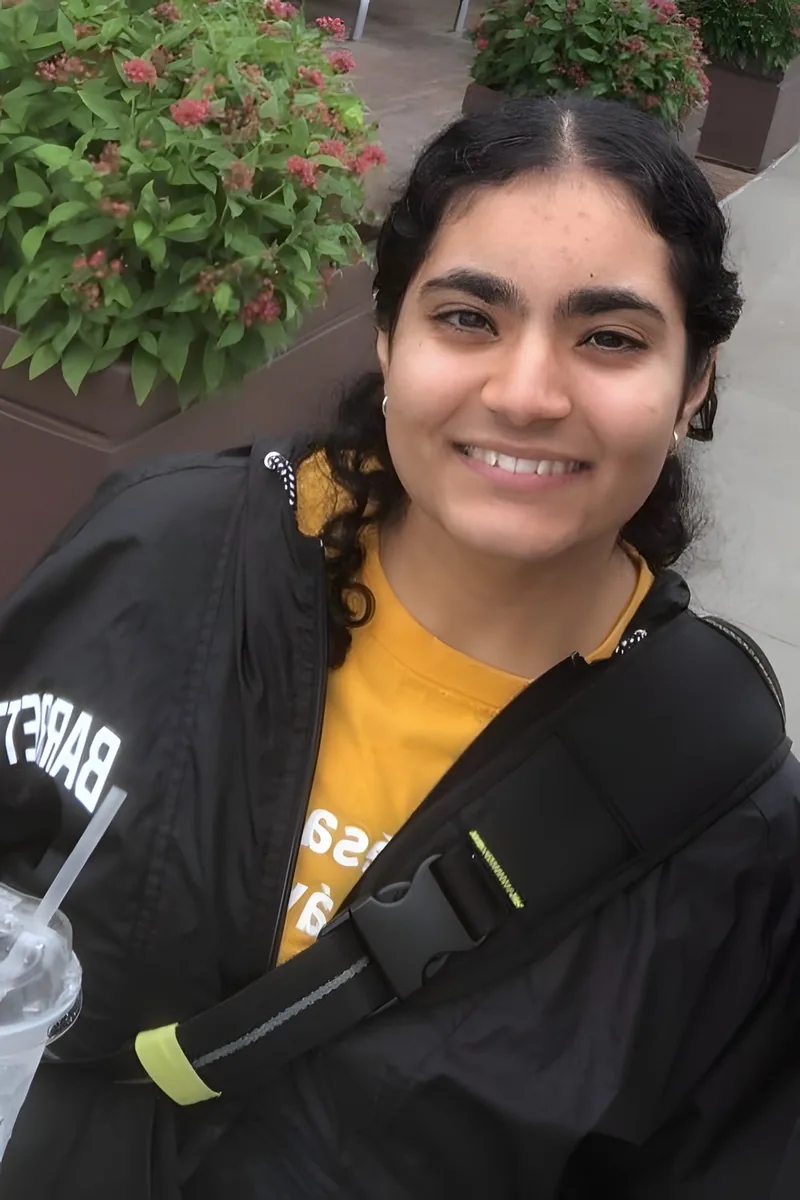
Hi! I'm a STEM, SAT/ACT, and language tutor with over a decade of teaching and tutoring experience. I have tutored students in every grade level in K-12 and first and second year college students. I mainly teach Math, Science, Physics, Hindi, English, French, ACT (35 score), and SAT (1560 score), and other subjects upon request.
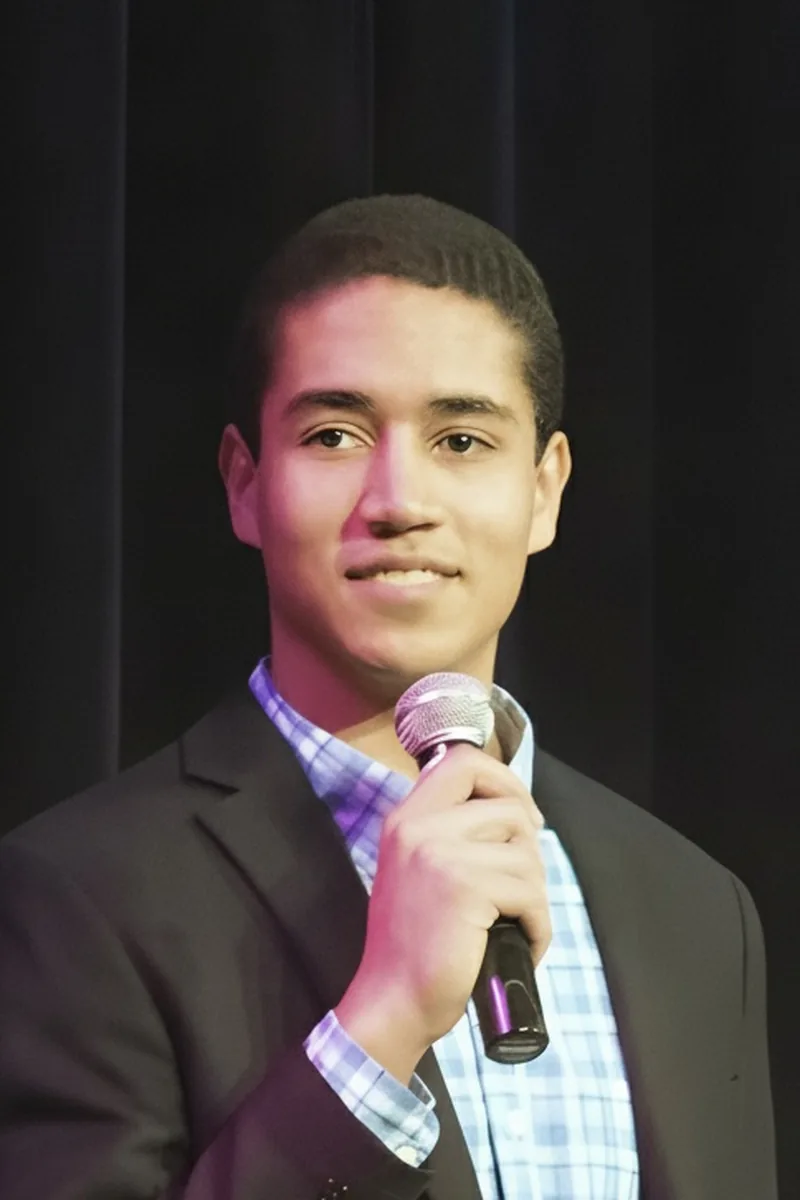
Coming from Thomas Jefferson High School for Science and Technology — one of the most competitive STEM programs in the country — and now studying computer engineering at Vanderbilt, Rhamy brings real depth to the algorithms and abstraction concepts that AP CSP tests. He digs into how programming logic actually maps to hardware, which gives students an intuitive grasp of topics like data representation and protocol layers that most review guides gloss over. Rated 5.0 by students.
Manideep's day-to-day at Northwestern splits between biology coursework and programming in Python for data analysis, which maps directly onto AP CSP's emphasis on how computing intersects with other fields. He teaches the algorithmic thinking and data representation concepts by tying them to problems he's actually solved — like modeling biological datasets — so the exam's Big Ideas feel grounded rather than abstract. Rated 5.0 by students.
Studying neuroscience at Rice means Brett regularly writes code to analyze brain imaging data and model biological systems — practical computing experience that maps directly onto AP CSP's emphasis on data analysis, algorithms, and the real-world impact of technology. He teaches the pseudocode logic and abstraction concepts the exam tests by grounding them in problems students can actually picture. Rated 5.0 by students.
AP CSP's exam leans heavily on the impact-of-computing and internet-infrastructure Big Ideas that many tutors rush past in favor of pseudocode drills. Alston's CS coursework at UVA gives him the technical grounding to teach those systems-level topics thoroughly, while his background in writing and essay editing makes him a strong coach for the Create Task's written response — the piece most students underestimate until it costs them points.
I'm always up for the challenge of changing my methods of instruction and breaking down topics to foster a deeper understanding of a subject. On a different note, I generally spend my spare time playing lacrosse or running outdoors when possible. I also play the violin with a school quartet, and teach lessons to beginning students working through the Suzuki program.
Having TA'd computer science courses at MIT and now pursuing a PhD in Operations Research at Georgia Tech, Isabella brings real programming fluency — particularly in Python — to the algorithmic thinking and data analysis threads that run through AP CSP. She digs into how pseudocode on the exam maps to actual code students write for the Create Task, making the connection between abstract logic and working programs click. Rated 5.0 by students.
Alliyah codes in Python, Java, JavaScript, and C++ as part of her computational science studies at Harvard, which means she can translate AP CSP's pseudocode questions into real programming logic students actually recognize. She's especially sharp on the data representation and algorithmic thinking Big Ideas, grounding them in the kind of hands-on projects — like web development and data structures work — that make abstract exam concepts tangible.
I am a current student at the University of Michigan. I am studying molecular biology in the school of literature, science, and the arts. I will graduate in 2025. I am most passionate about teaching SAT test material, because that was an area that I focused on and improved my own score to reach my goals. I am excited to teach both the english and the math sections. I teach using extensive practice problems and practice tests, because that is what helped me learn best and improve my relevant skills. In my spare time I like to workout, swim at the beach, and surf. I would love to work with you to achieve your goals!
Computer engineering at Georgia Tech means Yash lives in the space where hardware meets software — exactly the kind of systems-level thinking that makes AP CSP's Big Ideas about the internet, abstraction, and data representation feel intuitive rather than abstract. He teaches students to trace pseudocode and reason through algorithm questions the way an engineer debugs a circuit: step by step, with nothing assumed. Rated 5.0 by students.
Susanna codes in Java, Python, and MATLAB — but for AP CSP, she shifts gears from syntax to the bigger questions: how does data move across the internet, why does abstraction matter, and what makes an algorithm efficient? Her physics training at UC Berkeley means she's used to translating messy real-world problems into clean logical models, which is exactly the skill the Create Task and exam reward.
Computer engineering majors live inside the concepts AP CSP tests — binary representation, how the internet's layers talk to each other, the way abstraction turns messy problems into clean designs. Alfred studies exactly this at URI, so he can ground pseudocode questions and Create Task planning in the real engineering systems he's building in his own coursework. Rated 5.0 by students.
John's CS degree plus years coding in Java, C++, and SQL means he can ground AP CSP's more abstract units — like how the internet actually moves data or why abstraction matters in program design — in real programming experience. He also brings a finance MBA perspective to the data analysis and societal impact questions, giving students a practical lens that makes exam responses sharper and more specific.
Testimonials
Because the right AP Computer Science Principles tutor makes all the difference.
Average Session Rating – Based on 3.4M Learner Ratings
Nearby AP Computer Science Principles Tutors
Other Mesa Tutors
Related Technology and Coding Tutors in Mesa
Frequently Asked Questions
AP Computer Science Principles covers five big ideas: creative development, data, algorithms, programming, and the internet. You'll learn computational thinking skills, write code in multiple languages, analyze data, and understand how computing impacts society. The course emphasizes practical problem-solving and real-world applications rather than heavy mathematics, making it accessible to students with varying backgrounds.
The exam has two main components: a multiple-choice section (70% of your score) with 70 questions in 120 minutes, and a performance task (30% of your score) called the "Create" task that you complete during the course. The multiple-choice section tests your understanding of concepts, code reading, and problem-solving, while the performance task evaluates your ability to design and implement a program that solves a real problem.
Many students struggle with debugging code and understanding abstract programming concepts, especially if they're new to computer science. Others find the performance task time-consuming and need help organizing their work and documentation. Time management during the multiple-choice section is also challenging—students often spend too long on difficult questions and rush through easier ones they could solve quickly.
A score of 3 or higher is considered "passing" and qualifies for college credit at most institutions. However, aim for a 4 or 5 if possible, as these scores demonstrate strong mastery and increase your chances of earning college credit or advanced placement. With focused preparation and personalized tutoring, most students can improve their baseline understanding significantly over several months.
A tutor can help you master difficult programming concepts, review code syntax and logic errors, and develop strategies for the multiple-choice section—like identifying question types and managing your time effectively. They can also guide you through the performance task process, helping you choose a meaningful project, write clear documentation, and ensure your code meets all requirements. Personalized instruction lets you focus on your specific weak areas rather than reviewing material you already understand.
Your first session will focus on understanding your current knowledge level, learning goals, and timeline before the exam. A tutor will likely assess which topics you find most challenging—whether that's programming fundamentals, algorithm design, or test-taking strategies—and discuss how to structure your preparation. This foundation helps create a personalized study plan that targets your needs and maximizes your score improvement.
Practice tests are essential for understanding the exam format, pacing yourself within the 120-minute time limit, and identifying knowledge gaps. Taking full-length practice exams under timed conditions helps you build test-taking stamina and reduces anxiety on exam day. A tutor can review your practice test results with you, explaining why you missed questions and helping you develop strategies to avoid similar mistakes.
Varsity Tutors connects you with expert tutors who specialize in AP Computer Science Principles and understand the specific challenges students face preparing for this exam. You can specify your availability and learning preferences, and get matched with a tutor who fits your schedule and teaching style. Whether you need help starting right away or closer to exam day, tutors are available to provide personalized instruction tailored to your goals.
Let’s find your perfect tutor
Answer a few quick questions. We’ll recommend the right plan and match you with a top 5% tutor.