Award-Winning AP Spanish Language & Culture Tutors
serving Birmingham, AL
AP Spanish Language & Culture
Tutors in Birmingham
Private 1-on-1 tutoring, weekly live classes for academic support, test prep & enrichment, practice tests and diagnostics, and more to elevate grades and test scores.
Based on 3.4M Learner Ratings
UniversitiesSchools & Universities
DeliveredHours Delivered
ProficiencyGrowth in Proficiency
Who needs tutoring?
No obligation. Takes ~1 minute.

Joshua teaches Spanish from level 1 through AP and pairs that with four levels of Latin, so he's used to thinking about how Romance languages borrow structures from their classical roots — a perspective that sharpens his explanations of tricky Spanish grammar like subjunctive triggers and conditional sequences. His 1600 SAT reflects the kind of precise reading and analytical writing skills that translate directly to the AP exam's source-synthesis and persuasive essay tasks.
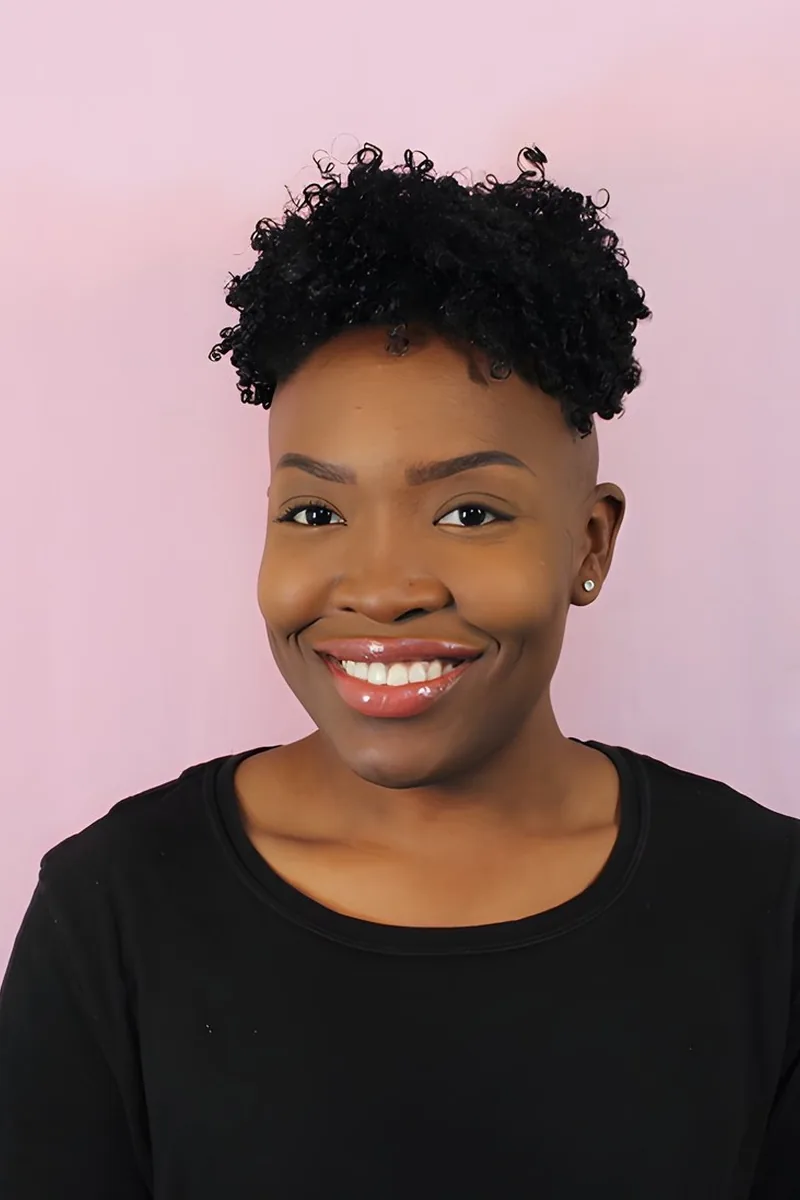
Iselee earned her bachelor's degree in Spanish from Loyola Marymount University, which means the AP exam's demand for formal written register and nuanced cultural knowledge sits squarely in her academic wheelhouse. Her current graduate work in digital communication adds a layer of rhetorical awareness — understanding how audiences process arguments — that she applies to coaching the timed persuasive essay, where students must synthesize Spanish-language sources into a coherent, register-appropriate response. Rated 4.8 by students.
Earning a doctorate in Spanish & Portuguese required Casey to operate at full academic fluency — presenting research, debating theory, and writing at the highest register. She channels that depth into AP Language prep, drilling students on the interpersonal speaking prompts, persuasive essay structures, and audio-source synthesis that make up the exam's trickiest sections.
Growing up bilingual with dual US-Chilean citizenship, Camilla didn't just learn Spanish at home — she pursued it academically through advanced language and literature coursework. For AP Spanish Language & Culture, she tackles the presentational writing and interpersonal speaking tasks by grounding students in the cultural contexts that make their responses authentic and nuanced.
Jennifer's journalism training at Northwestern — where she learned to write persuasively under tight deadlines in formal register — maps directly onto the AP Spanish exam's timed persuasive essay, which demands the same skill set in a second language. She teaches Spanish from level 1 through AP and conversational Spanish, and her Georgetown international politics background means she can coach students through the cultural comparison task with the kind of geopolitical nuance that turns a generic response into a compelling one.
The AP Spanish Language & Culture exam demands more than vocabulary — it requires constructing persuasive arguments in Spanish and interpreting authentic audio sources on the fly. Isabelle's multilingual background and experience as a private language tutor abroad give her practical fluency in coaching students through the interpersonal speaking tasks and cultural comparison essays that determine exam scores.
Pursuing a language citation in Spanish at Harvard while studying African American Studies, Gabriela tackles the AP exam's cultural comparison task with a cross-cultural analytical instinct baked into her daily coursework. She teaches Spanish from level 1 through 4 and conversational Spanish, so she can zero in on whether a student needs to shore up subjunctive mechanics or sharpen their ability to construct a timed persuasive essay in formal register. Rated 5.0 by students.
Living in Spain for six months gave Rebecca the kind of immersive fluency that AP Spanish Language & Culture demands — not just grammar accuracy, but the ability to navigate cultural comparisons and presentational speaking with confidence. She tackles the interpersonal and presentational writing tasks by teaching students how to integrate source material and build arguments entirely in Spanish. Her Notre Dame training in close reading also translates directly to the audio and print source analysis on the exam.
Having studied Spanish as part of his undergraduate degree and continuing to teach it from introductory levels through AP alongside conversational practice, Adam knows exactly where students plateau — and it's usually the jump from classroom grammar to the timed, register-aware writing the AP exam actually scores. His history background also sharpens the cultural comparison task, where connecting Spanish-speaking communities' practices to broader historical context turns a generic response into a compelling one.
Hillel's geology research on Antarctic ice sheet dynamics — conducted partly through Spanish-language scientific literature — gives him a practical connection to the formal register and academic vocabulary the AP exam's persuasive essay demands. He also teaches conversational Spanish and Hebrew, so he's comfortable switching between languages and coaching students through the interpersonal speaking tasks where real-time fluency matters most. Rated 5.0 by students.
Success on the AP Spanish Language & Culture exam depends on toggling fluently between interpretive, interpersonal, and presentational communication — often within a single task. Margaret tackles each mode separately, drilling persuasive email writing one session and audio-source synthesis the next, so students build confidence across the full exam format. Her own deep engagement with Spanish literature and conversation gives her the cultural fluency this exam specifically rewards.
Scoring well on AP Spanish Language & Culture means toggling fluently between interpersonal conversation, presentational writing, and audio-source synthesis — three very different skill sets tested in one exam. Reta has taken the exam, completed years of university-level Spanish, and spent time living abroad in Spanish-speaking countries, so her command of register, idiomatic expression, and cultural context is practical, not just academic. She drills the comparison essay and simulated conversation formats until students feel genuinely comfortable producing Spanish under pressure.
Testimonials
Because the right AP Spanish Language & Culture tutor makes all the difference.
Average Session Rating – Based on 3.4M Learner Ratings
Nearby AP Spanish Language & Culture Tutors
Other Birmingham Tutors
Related Languages Tutors in Birmingham
Frequently Asked Questions
The AP Spanish Language & Culture exam tests your ability to understand and communicate in Spanish across three modes: interpersonal (conversations), interpretive (reading and listening comprehension), and presentational (speaking and writing). The exam includes multiple-choice sections on reading and listening, plus free-response sections where you'll write emails, essays, and record spoken responses. Success requires not just grammar knowledge, but cultural understanding and the ability to express complex ideas in Spanish.
Score improvement depends on your starting point and commitment level, but most students see meaningful gains with consistent, personalized instruction. Tutors can help you identify specific weak areas—whether that's listening comprehension, essay structure, or conversational fluency—and create targeted practice plans. Many students improve by 1-2 score points (on the 1-5 scale) over a few months of focused work, especially when combining tutoring with regular practice tests and authentic Spanish media exposure.
Students often struggle most with the listening and reading comprehension sections, where test anxiety and unfamiliar accents or vocabulary can slow you down. The free-response speaking section intimidates many because you're recording yourself with limited prep time. Time management is another major issue—balancing speed with accuracy across multiple sections. A tutor can help you build test-taking stamina, develop strategies for handling unfamiliar content, and practice under timed conditions so exam day feels familiar.
Your first session is all about assessment and planning. A tutor will likely have you take a practice section or full practice test to identify your current strengths and weaknesses across reading, listening, writing, and speaking. You'll discuss your goals (target score, timeline), review the exam format together, and create a personalized study plan. This foundation helps your tutor focus future sessions on the areas where you'll see the biggest score improvement.
Practice tests are essential—they're your best tool for understanding the exam's question formats, pacing yourself, and building confidence. Taking full-length practice tests under timed conditions helps you discover which sections drain your time and where your knowledge gaps are. A tutor can review your practice test results with you, explain why you missed questions, and help you develop strategies to avoid those mistakes on test day. Aim to take at least 3-4 full practice tests during your preparation.
Cultural competency is woven throughout the exam—it's not just an add-on. You'll encounter reading and listening passages about Spanish-speaking cultures, and the free-response prompts often require you to discuss cultural perspectives. Understanding different countries' histories, current events, traditions, and social issues helps you comprehend passages faster and write more thoughtful essays. Tutors can help you build cultural knowledge alongside language skills, making you a more well-rounded test-taker.
Most students benefit from starting tutoring 3-4 months before the exam, though this varies based on your current Spanish level and target score. If you're aiming for a 4 or 5, you'll want consistent, focused preparation over several months. If you're starting from a weaker foundation, beginning earlier gives you time to build both language skills and test-taking strategy. A tutor can help you create a realistic timeline and adjust your study plan based on your progress.
Look for tutors with strong Spanish fluency, ideally native or near-native speakers, and specific experience preparing students for the AP exam. They should understand the exam's format inside and out and know how to teach test-taking strategies alongside language skills. It's also valuable if they're familiar with the cultural content areas covered on the exam. Varsity Tutors connects you with expert tutors who can tailor their approach to your learning style and goals.
Let’s find your perfect tutor
Answer a few quick questions. We’ll recommend the right plan and match you with a top 5% tutor.