Award-Winning Statistics Tutors
serving Albuquerque, NM
Statistics
Tutors in Albuquerque
Private 1-on-1 tutoring, weekly live classes for academic support, test prep & enrichment, practice tests and diagnostics, and more to elevate grades and test scores.
Based on 3.4M Learner Ratings
UniversitiesSchools & Universities
DeliveredHours Delivered
ProficiencyGrowth in Proficiency
Who needs tutoring?
No obligation. Takes ~1 minute.
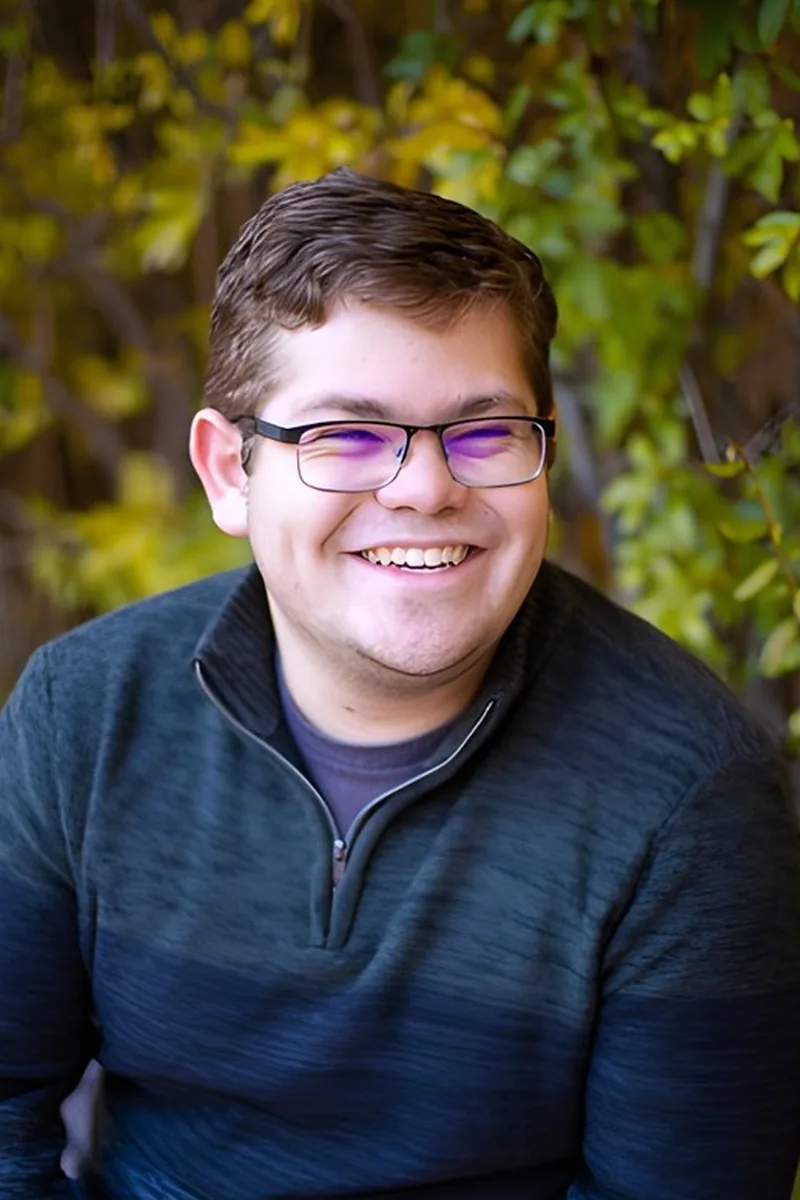
As a Statistics major at UNM with plans for graduate study, Matthew lives in the world of regression models, hypothesis tests, and probability theory every day. He unpacks tricky ideas like p-values and sampling distributions by tying them to real data scenarios, so the logic behind each calculation is as clear as the arithmetic itself. Rated 4.9 by students.
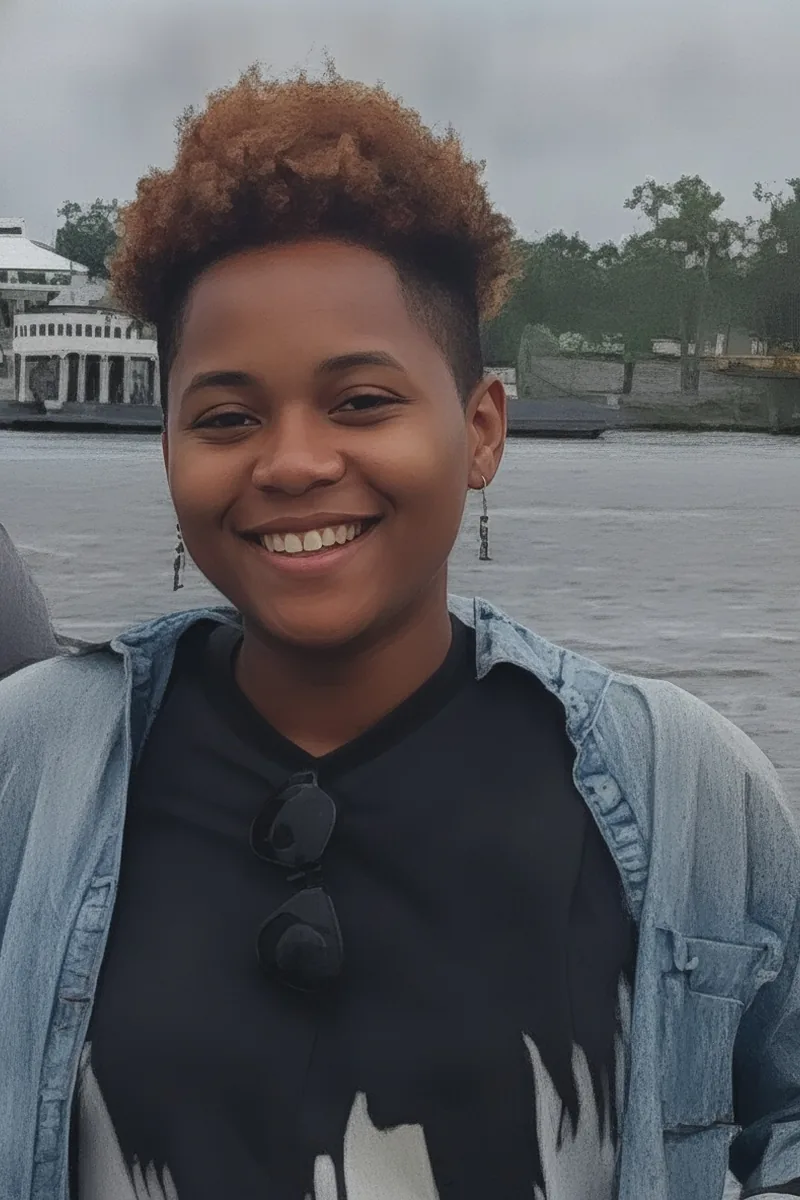
I am a dedicated, highly motivated individual with a passion for enhancing the learning experiences of others. I have taught as a classroom teacher and as a volunteer at state and national parks for the past few years. I focus particularly on highlighting connections between various subject matter to individuals' everyday lives. After I graduated with my Masters degree from Johns Hopkins University in 2014, I moved to New Mexico to pursue a career in environmental conservation. I currently work as a supervisor for an AmeriCorps program that provides opportunities for young adults to gain skills working in the field of conservation while also receiving training for personal and professional development. I aspire to become a ranger with the National Park Service and a freelance writer.
I am still attending the University of New Mexico to get a Bachelor of Science in Physics. My hopes are that I can get into a good graduate program for Physics or Astrophysics so that I can become a professor. I tutor Physics, Chemistry, Geometry, Algebra, and Calculus. My favorite subjects to tutor are Physics, and Geometry. Physics and geometry are my favorite subjects to tutor since I am very passionate about physics and believe it can be taught at every level of education. Why geometry is a favorite might have seemed weird at first, but Einstein himself believed geometry is a branch of physics not math. This is why physics is for all ages. I focus on improving the students understanding of the subject. Then I focus on teaching them what critical, creative, and/or logical thinking they need to apply to the subject. For example I will start by ensuring the student has a vivid understanding of how gravity and acceleration are related before teaching them how a pendulum works or how to solve for the path of a rocket. I believe that by knowing how to critically think for a subject allows you to apply what you have learned for life, this also makes studying for finals much easier in the future. Outside of school I enjoy listening to music, working with computers in general and learning other languages. I enjoy improving who I am by meditating, reading, and exercising every day.
Engineering at Dartmouth meant Rachel lived in data — running experiments, interpreting distributions, and making decisions based on probability and hypothesis testing. She brings that practical fluency to statistics tutoring, connecting concepts like standard deviation and confidence intervals to real scenarios instead of leaving them as abstract formulas.
As experienced and passionated educator with a Bachelor's degree in Computer Science from Rice University, I am passionate about empowering students to achieve their academic goals. With over 3 years of tutoring experience in subjects such as AP Computer Science A, Machine Learning, and SAT Math, I adapt to different learning styles and create a supportive learning environment. My teaching philosophy centers on personalized instruction, where I connect with each student to understand their unique learning styles and challenges. I take pride in guiding students through the complexities of computer science and college application essays, equipping them with the skills they need for future success. Outside of tutoring, I enjoy exploring new technologies and engaging in coding projects to improve my teaching approach.
Emily's computational biology concentration at Cornell is essentially applied statistics — she uses probability distributions, confidence intervals, and regression analysis to interpret biological data every week. That hands-on context lets her explain statistical reasoning through concrete examples rather than abstract formulas.
Studying Philosophy, Politics, and Economics at Penn means Kevin encounters statistics not as an abstract math course but as a tool for answering real questions — polling reliability, economic trends, policy evaluation. He unpacks topics like probability distributions, hypothesis testing, and regression with that applied lens. Students come away understanding not just how to compute a standard deviation but what it actually tells them.
A biology degree from UIUC means Todd spent years designing experiments, interpreting data sets, and running statistical tests — skills he now brings directly to tutoring statistics. He unpacks concepts like probability distributions, hypothesis testing, and standard deviation by grounding them in real data scenarios rather than abstract formulas.
What separates a strong statistics student from a struggling one usually isn't computation — it's grasping why a particular test or measure fits a particular question. Tessa's mathematics coursework at Yale, paired with her history training where she regularly evaluates quantitative evidence in primary sources, gives her a sharp eye for the reasoning behind tools like confidence intervals and hypothesis tests. Rated 4.9 by students.
During her psychology degree at Penn, Brittany used statistics constantly — hypothesis testing, probability distributions, regression analysis — as core tools for understanding research. She also tutored middle schoolers in introductory statistics as a volunteer in West Philadelphia, so she's comfortable adjusting her explanations whether someone is learning mean and median or wrestling with p-values.
Understanding statistics means learning to ask the right questions about data before running any test: Is the sample random? What's the shape of the distribution? Could this result have happened by chance? Ethan's policy background gave him years of practice interrogating datasets and translating statistical output into plain-language conclusions, a skill he now brings directly to topics like hypothesis testing and regression analysis.
A Quantitative Methods minor at Vanderbilt means Heather spent semesters immersed in regression analysis, hypothesis testing, and probability — the exact material that trips up most statistics students. She teaches the reasoning behind each test so students can choose the right method on their own, not just follow a decision flowchart. Her 4.9 rating speaks to that approach.
Understanding why you'd choose a t-test over a z-test, or what a standard deviation actually tells you about a dataset, matters more than plugging numbers into formulas. Blake runs statistical analyses as part of his neuroscience research at Vanderbilt, so he teaches distributions, hypothesis testing, and regression from firsthand experience with real data. He holds a 5.0 rating from students.
A year as a course assistant in Harvard's math department gave Richard a front-row seat to where students get tripped up — and in statistics, it's almost always the jump from computing a value to interpreting what it means. He teaches concepts like variability, correlation, and probability by connecting the math to the kind of data-driven arguments he encounters in his government coursework, where a misread confidence interval can derail an entire policy claim.
Probability distributions, hypothesis testing, and regression can feel like a foreign language the first time through. Nina breaks these concepts down by connecting them to real datasets and research questions drawn from her biostatistics training at Columbia and NYU. Rated 5.0 by students, she's especially effective at making the jump from formulas to interpretation feel intuitive.
Testimonials
Because the right Statistics tutor makes all the difference.
Average Session Rating – Based on 3.4M Learner Ratings
Practice Statistics
Free practice tests, flashcards, and AI tutoring for Statistics
Other Albuquerque Tutors
Related Math Tutors in Albuquerque
Frequently Asked Questions
Statistics is taught differently depending on whether your school emphasizes traditional hypothesis testing, data visualization, or modern computational methods. Tutors connect with students to understand their specific curriculum and textbook, then tailor instruction to match what's being taught in class. This alignment ensures that tutoring reinforces rather than conflicts with classroom instruction, making it easier to apply concepts on tests and assignments.
Word problems require translating real-world scenarios into statistical language and methods—a skill that's different from just understanding formulas. Many students can calculate a standard deviation but freeze when asked to interpret what it means in context. Personalized tutoring helps students break down word problems systematically, identify what information matters, and connect the math to the story being told in the problem.
Memorizing formulas might get you through a calculation, but true understanding means knowing *why* you're using a particular test, what assumptions it requires, and how to interpret the results. Tutors help students see the patterns and logic behind statistical methods—like why larger samples reduce variability or how correlation differs from causation. This conceptual foundation makes Statistics less about plugging numbers into equations and more about making informed decisions from data.
Students often confuse correlation with causation, misinterpret p-values, struggle with probability concepts, or misunderstand what a confidence interval actually tells us. These misconceptions are deeply rooted and hard to shake without targeted help. Working with a tutor who can identify exactly where your thinking goes sideways and rebuild that understanding is far more effective than re-reading a textbook chapter.
In Statistics, showing your work means clearly stating your hypotheses, explaining why you chose a particular test, documenting your calculations, and interpreting your results in context. Teachers grade as much on reasoning as on the final answer. Tutors help students develop the habit of explaining their statistical thinking step-by-step, which not only improves grades but also catches errors early and builds confidence in their methodology.
Statistics anxiety often stems from feeling lost in a sea of unfamiliar terminology and unclear connections between concepts. One-on-one tutoring removes the pressure of classroom pacing and lets students ask "dumb questions" without judgment. As patterns emerge and concepts click into place, confidence builds naturally—and that confidence carries over to exams and real-world applications of Statistics.
The first session is about understanding where you are right now. A tutor will ask about your current course, specific topics that are confusing, upcoming tests or assignments, and your learning style. From there, you'll likely work through a problem or concept together to identify exactly where things break down. This diagnostic approach means the tutoring plan is built specifically for you, not generic.
Ideally, starting 4-6 weeks before an exam gives tutors time to identify gaps, rebuild weak areas, and practice test-taking strategy. However, even a few weeks of focused tutoring can significantly improve performance by helping you master the most heavily weighted topics and avoid common mistakes. The key is consistent practice with feedback, not cramming—tutors help you use your study time efficiently rather than spinning your wheels.
Let’s find your perfect tutor
Answer a few quick questions. We’ll recommend the right plan and match you with a top 5% tutor.