Award-Winning Phonics Tutors
serving Virginia Beach, VA
Phonics
Tutors in Virginia Beach
Private 1-on-1 tutoring, weekly live classes for academic support, test prep & enrichment, practice tests and diagnostics, and more to elevate grades and test scores.
Based on 3.4M Learner Ratings
UniversitiesSchools & Universities
DeliveredHours Delivered
ProficiencyGrowth in Proficiency
Who needs tutoring?
No obligation. Takes ~1 minute.
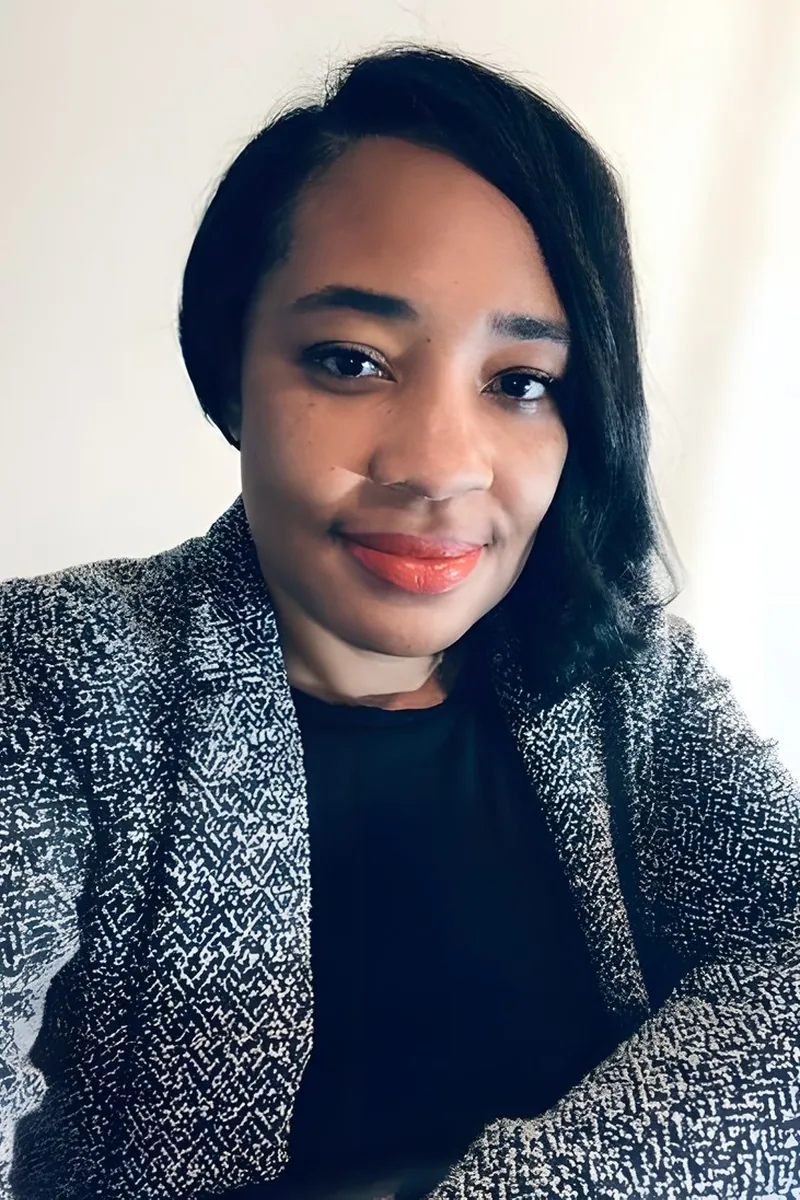
Teaching Pre-K through 5th grade for years means JeKaya has watched hundreds of early readers move from recognizing individual letter sounds to blending them into words — and she knows exactly where that process tends to stall, whether it's vowel teams or tricky consonant clusters. Her master's in education and ESL/ELL experience also sharpen her ability to teach sound-letter mapping to children whose home language may not share English's vowel system.

Early readers need someone patient enough to sit with each sound and blend until it clicks. Blair pairs her Master's in Education with a genuine love of reading to teach letter-sound relationships, consonant clusters, and sight words in ways that build a young learner's confidence alongside their decoding skills.
Learning to read starts with hearing the individual sounds inside words, and Elise's special education certification gives her structured, evidence-based methods for teaching phonemic awareness, blending, and decoding. She keeps early readers engaged with multisensory techniques — tracing letters, clapping syllables, using picture cues — that turn abstract letter-sound relationships into something a child can feel and remember.
Teaching second grade daily, Kelsey sees firsthand how phonics clicks for young readers — the moment blending consonant clusters or recognizing vowel teams turns squiggles on a page into real words. She uses multisensory techniques and repetition games to make decoding feel like a natural, even fun, progression.
Early readers need to hear and feel how letters map to sounds before reading becomes automatic, and Yasemin's ESL teaching experience makes her especially skilled at breaking that process down. She uses blending drills, vowel-pattern sorting, and word-family exercises to build decoding skills systematically. Her patience with learners at every level — from letter recognition through multisyllabic words — keeps young readers engaged rather than frustrated.
Early readers need someone who can make the connection between letters and sounds feel intuitive, not mechanical. Ava's education minor included coursework on how children learn to decode language, and she applies that knowledge when teaching blending, segmenting, and sight-word recognition. She adapts her pacing and activities to each learner's level, turning phonics practice into something that builds genuine confidence.
Michele's ESL/ELL background means she's spent years teaching adults and older learners how English sounds actually map to spelling — the same foundational decoding work that phonics instruction requires for younger readers, just reframed for a different audience. Her psychology degree informs how she sequences letter-sound practice, building from simple consonant-vowel pairs to trickier patterns like silent letters and vowel teams at a pace that keeps learners engaged rather than overwhelmed.
Early readers need someone patient enough to sit with the difference between a long and short vowel sound, and energetic enough to keep a young child engaged through repetition. Valerie's theatre training makes her a natural at turning phonics drills — blending, segmenting, digraphs — into something playful and memorable.
Early readers need to connect letters to sounds before anything else clicks, and phonics instruction is where that connection gets built. Katherine breaks down blending, segmenting, and vowel patterns into manageable steps, using repetition and word games to make each skill stick. Her patience and creativity keep young learners motivated through the repetitive practice phonics requires.
Ben pairs his background as a history teacher — where reading is the foundation of everything — with a lifelong love of books to make phonics instruction stick for early readers. He connects letter-sound relationships, blending, and sight-word recognition to actual stories kids want to read, turning decoding practice into something that feels more like discovery than drill.
Early readers need someone patient enough to sit with each sound blend until it becomes automatic. Naomi's experience teaching English to elementary-aged students in Indonesia — where she built lessons from basic phoneme recognition up through decoding multisyllabic words — translates directly to phonics instruction for young learners here.
Early readers need someone patient enough to sit with the mechanics of how letters map to sounds — blending consonant clusters, recognizing vowel teams, decoding unfamiliar words syllable by syllable. Logan brings a methodical, encouraging approach to phonics instruction, building each skill in sequence so young learners gain genuine confidence with new words.
Testimonials
Because the right Phonics tutor makes all the difference.
Average Session Rating – Based on 3.4M Learner Ratings
Other Virginia Beach Tutors
Related English Tutors in Virginia Beach
Frequently Asked Questions
Phonics is the method of teaching students to read by connecting sounds (phonemes) with letters and letter combinations (graphemes). It's a foundational skill that helps children decode unfamiliar words independently, which is essential for building reading fluency and comprehension. Research shows that explicit phonics instruction is one of the most effective ways to help early readers develop strong literacy skills.
Most children begin phonics instruction in kindergarten or early first grade, typically around ages 5-6, though readiness varies. Some students benefit from pre-phonics activities in preschool, like letter recognition and rhyming. A tutor can assess your child's current skills and determine the right starting point, whether they're ready to begin or need foundational preparation.
Many students struggle with letter-sound correspondence, blending sounds together, and understanding irregular words that don't follow standard phonics rules (like 'the' or 'said'). Others have difficulty distinguishing similar sounds or applying phonics skills to new words. Personalized tutoring addresses these specific gaps by breaking skills into manageable steps and providing targeted practice based on your child's needs.
In a classroom with a 14.3:1 student-teacher ratio, teachers must pace instruction for the whole group, which means some students fall behind while others are ready to move ahead. Personalized 1-on-1 instruction allows a tutor to match your child's exact learning speed, repeat concepts as needed, and use teaching methods that work best for their learning style. This individualized approach often leads to faster skill development and greater confidence.
Yes. Tutors who work with students in Virginia Beach are familiar with Virginia's standards for reading instruction and can align their teaching with what your child is learning in school. Whether your child attends a school in Virginia Beach City Public Schools or another district, a tutor can reinforce classroom lessons, fill knowledge gaps, and prepare them for upcoming skills—all while working at their own pace.
Progress in phonics can be tracked through concrete skills like letter-sound accuracy, blending speed, sight word recognition, and the ability to decode new words independently. A tutor will assess your child's starting level and regularly check progress on these specific skills, providing you with clear feedback on improvements. You'll also notice real-world changes—like your child reading simple books more fluently or tackling unfamiliar words with confidence.
The first session focuses on assessment and building rapport. A tutor will work through some reading activities to understand your child's current phonics skills, learning style, and confidence level. They'll also discuss your goals and any specific challenges you've noticed. This information helps the tutor create a personalized plan for the following sessions that targets your child's needs.
Absolutely. Beyond basic letter sounds, tutoring covers advanced phonics skills like consonant blends, digraphs, vowel teams, syllable patterns, and morphemic analysis—skills typically taught in grades 2-4. Personalized instruction is especially helpful for students who need extra practice with these concepts or who are ready to move ahead faster than classroom pace allows. A tutor can also help students apply phonics to real reading and writing tasks.
Let’s find your perfect tutor
Answer a few quick questions. We’ll recommend the right plan and match you with a top 5% tutor.