Award-Winning Phonics Tutors
serving New York, NY
Phonics
Tutors in New York
Private 1-on-1 tutoring, weekly live classes for academic support, test prep & enrichment, practice tests and diagnostics, and more to elevate grades and test scores.
Based on 3.4M Learner Ratings
UniversitiesSchools & Universities
DeliveredHours Delivered
ProficiencyGrowth in Proficiency
Who needs tutoring?
No obligation. Takes ~1 minute.
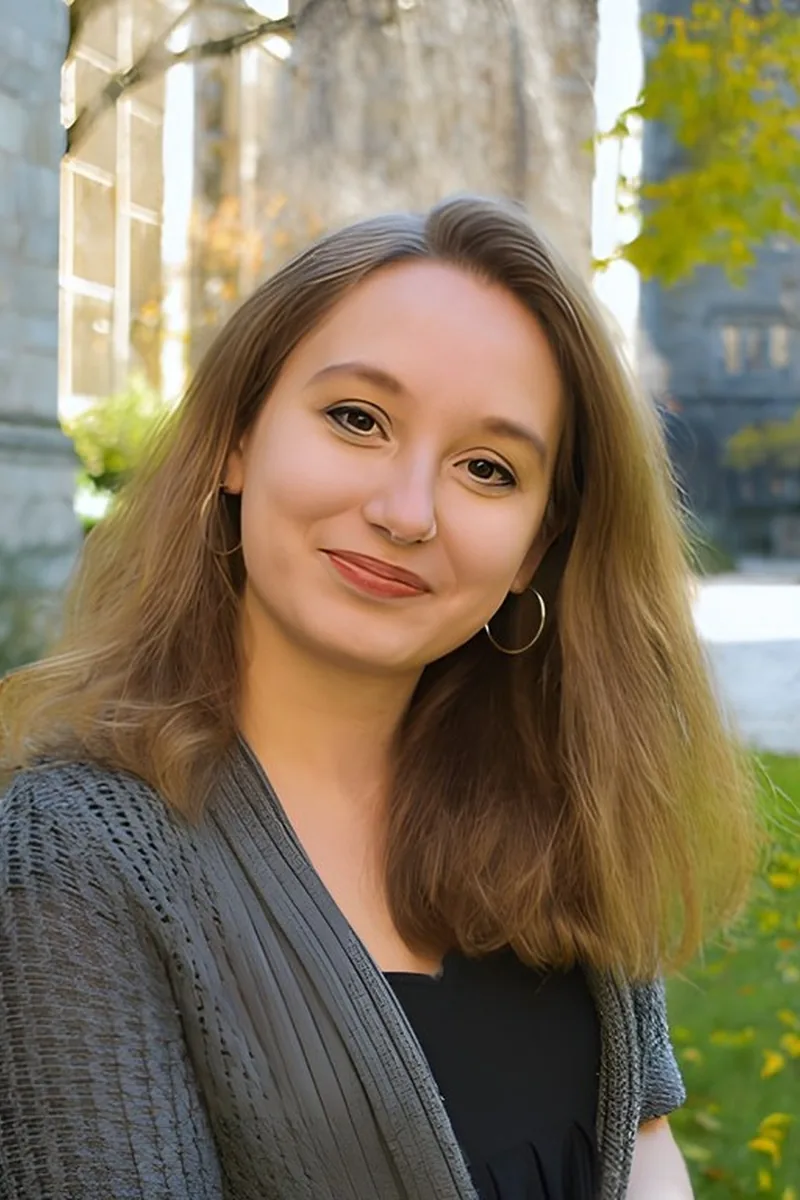
Breaking words into their component sounds is the foundation of confident reading, and Vivian's ear training as a Juilliard-level musician gives her a sharp sensitivity to the rhythms and patterns of spoken language. She teaches phonemic awareness through systematic decoding practice, connecting letter combinations to the sounds they produce so young readers can tackle unfamiliar words independently.
Strong reading starts with decoding — understanding how letter combinations map to sounds and how those sounds build into words. Christopher brings patience and structure to phonics instruction, working through blends, digraphs, and vowel patterns in a way that builds real fluency over time. His broad humanities background makes him especially good at connecting phonics drills to actual reading and storytelling, keeping young learners engaged.
Early readers need someone patient enough to sit with the mechanics of blending, segmenting, and sounding out words until the patterns click. Bina teaches phonics by connecting letter-sound relationships to actual reading practice, so children move from decoding individual syllables to reading full sentences with confidence.
During her three years as a 1st through 3rd grade classroom teacher with Teach for America, Victoria taught phonics daily — blending, segmenting, digraphs, vowel teams, all of it. That hands-on experience means she can spot exactly where a young reader's decoding is breaking down and adjust her approach on the spot.
Growing up bilingual in French and English gave Romeo an intuitive understanding of how sounds map to letters across different phonetic systems. He breaks down blending, segmenting, and vowel patterns in ways that make early readers feel confident tackling unfamiliar words.
Early readers need to connect letters to sounds before anything else clicks, and phonics instruction is where that connection gets built. Katherine breaks down blending, segmenting, and vowel patterns into manageable steps, using repetition and word games to make each skill stick. Her patience and creativity keep young learners motivated through the repetitive practice phonics requires.
Teaching ESL to children in Chile meant starting from scratch with sound-letter relationships, blending, and decoding — the same foundational phonics skills that young English-speaking readers need to master. Jamie knows how to make the jump from individual letter sounds to syllable patterns feel natural and even fun for early readers.
Blending sounds, decoding vowel teams, and recognizing sight words are the building blocks that turn a pre-reader into a reader. Olivia's special education training at Columbia's Teachers College equipped her with systematic, multi-sensory phonics techniques — so whether a child struggles with digraphs or silent-e patterns, she has a specific approach ready.
Early reading hinges on phonics — connecting letter patterns to sounds so that decoding becomes automatic and fluency follows naturally. Alex's experience teaching ESL sharpened his ability to break down English sound-spelling relationships for learners who can't yet rely on intuition. He makes phonemic awareness practice concrete and engaging, building from individual letter sounds through blends and digraphs to multisyllabic words.
Because phonics is fundamentally about the relationship between sounds and letters, Kelly's doctoral training in Linguistics gives her an unusually precise understanding of how English pronunciation actually works — why 'gh' is silent in some words and not others, or how vowel sounds shift depending on surrounding consonants. She also draws on her experience at the Yale Autism Clinic, where she supported learners who needed patient, structured approaches to reading.
A year studying at the Sorbonne gave Margaret something unusually useful for phonics instruction: deep experience with how French and English sound systems overlap and diverge, which sharpens her ability to explain why English vowels and consonant combinations behave so unpredictably. She uses that cross-linguistic awareness — plus her extensive work with ESL learners and students with dyslexia — to pinpoint exactly which letter-sound relationships are tripping a child up and adjust her approach on the spot. Rated 5.0 by clients.
Early readers need someone patient enough to sit with the difference between a short vowel and a long vowel until it truly clicks. Andre brings his English background and 5.0 rating to phonics instruction, teaching letter-sound relationships, blending, and decoding through repetition that stays engaging rather than tedious.
Breaking words into their component sounds can feel tedious for young learners, so Daniel leans on his background as a touring stand-up comedian to keep phonics lessons playful and memorable. He tackles blending, segmenting, and vowel patterns through games and stories that make decoding feel like a puzzle rather than a chore.
Early readers need to hear and feel the connection between letters and sounds before decoding becomes automatic. Emily breaks phonics into manageable pieces — blends, digraphs, long and short vowel patterns — using repetition and wordplay that keeps young learners engaged rather than frustrated.
I am too. I would ask about what classes they like or don't like, what their interests are, why they think they might be struggling in a certain subject, what they are doing to excel in a different subject, what they would want me to do to help, what they want to do, and what goals they have for themselves both in the short term and long term, etc.
I am always seeking out new adventures in New York!
Learning to read in both English and Chinese gave Jennifer an unusually deep understanding of how sounds map to symbols — the exact skill phonics instruction builds. She breaks down letter-sound relationships, blending, and digraphs in a way that makes decoding feel like puzzle-solving rather than rote repetition.
Early readers need to hear the connection between letters and sounds before they can decode words on a page. Tobias teaches phonemic awareness through blending, segmenting, and vowel-pattern recognition, building the kind of decoding confidence that turns sounding out words into actual fluent reading.
Earning a TESOL license required Cassandra to study how language sounds actually work — how letters map to phonemes, why English spelling breaks its own rules, and which decoding strategies stick with early readers. She uses that training alongside her theater background to make phonics practice multisensory and engaging, turning blending and segmenting into activities kids want to repeat.
Lauren's expertise lives squarely in literature and writing — she's a PhD student at UT Austin with a master's from St Andrews in Romantic and Victorian literary studies — so phonics isn't her primary teaching area. That said, years of studying how the English language evolved gives her an unusual ability to explain why certain letter-sound combinations behave the way they do, connecting spelling quirks to the history of the words themselves. Rated 5.0 by clients.
Theater training sharpens something most people overlook in phonics instruction: an acute awareness of how sounds are physically produced in the mouth. Katharine uses that vocal training to teach letter-sound relationships, blending, and decoding with a clarity that makes early reading feel intuitive for young learners.
Early readers need someone patient enough to sit with the mechanics of how letters map to sounds — blending consonant clusters, recognizing vowel patterns, and building the confidence to decode unfamiliar words. Allison's one-on-one approach gives younger learners the individual attention that crowded classrooms often can't provide.
Building fluent readers starts with decoding — blending sounds, recognizing vowel patterns, and mastering sight words that don't follow the rules. Kay's training in neuroscience gives her real insight into how young brains process language, which she applies to phonics instruction that sticks. Rated 4.9 by families.
Early reading clicks when a child can hear the connection between letters and sounds, and Daniel's certified teaching background gives him structured methods for building that link. He walks young readers through blending, segmenting, and sight-word recognition with patience and repetition tailored to each child's pace.
Trained as a classical stage actor at the London Academy of Music and Dramatic Art, Laura spent years drilling the precise mouth shapes, breath patterns, and sound distinctions that make spoken English clear to an audience — skills that map directly onto teaching young readers how individual letters and letter combinations produce specific sounds. She brings that performer's ear to phonics lessons, helping kids feel the difference between similar vowel sounds physically, not just hear it on a worksheet.
Grace's comparative literature minor means she spends her time dissecting how language works across multiple traditions — an analytical habit that carries over when she breaks English spelling conventions into predictable letter-sound patterns for young readers. Her experience with ESL/ELL learners sharpened her ability to explain vowel sounds and blending to kids who can't yet rely on intuition about how English words are supposed to sound.
Leigh's graduate training in Elementary Inclusive Education at Columbia's Teachers College gave her specialized methods for teaching phonemic awareness and decoding to diverse learners, including students with dyslexia and other reading differences. She breaks letter-sound relationships into small, sequential steps — blending, segmenting, manipulating individual phonemes — so early readers build real fluency instead of just memorizing sight words.
Learning to read starts with cracking the code between letters and sounds, and Kelsey makes that process click through hands-on practice with blending, segmenting, and sight-word recognition. Her literacy tutoring work at education nonprofits gave her practical experience identifying where young readers get stuck — whether it's tricky vowel teams or consonant clusters — and adjusting on the spot.
Reading instruction isn't the obvious connection to an Operations Research degree at Columbia, but Zhenyi's engineering mindset — breaking systems into logical, sequential steps — actually maps well onto teaching kids how to decode words sound by sound. She treats letter-sound patterns like small puzzles, walking early readers through blending and segmenting with the same structured precision she applies to math and logic problems.
Early readers need someone patient enough to sit with the difference between a short vowel and a long vowel until it becomes automatic. Ernest teaches phonics through systematic decoding practice — blending, segmenting, and recognizing common letter patterns — so that sounding out unfamiliar words becomes a skill kids trust and use independently.
Years of directing tutors and teaching at a charter middle school in Boston — including earning a master's in special education for mild to moderate disabilities — gave Liz extensive practice adapting decoding instruction for students with dyslexia, ADHD, and other learning differences that can make letter-sound connections especially tricky. She structures phonics lessons around each reader's specific breakdown point, whether it's vowel teams they haven't solidified or multisyllabic words they're guessing at rather than sounding through. Rated 4.7 by clients.
Early readers need someone patient enough to sit with each sound-letter connection until it clicks. Michelle's experience tutoring elementary students in NYC, combined with her deep background in reading and writing across two degrees, means she understands how phonemic awareness — blending, segmenting, decoding — builds the foundation for everything that comes after. She keeps lessons structured but playful, adapting to each child's pace.
Theater training at Northwestern's School of Communications gave Harry an unusually sharp ear for how sounds are produced and shaped — skills he developed for stage performance that translate directly to teaching kids how individual phonemes map to letters and letter combinations. He uses vocal exercises and playful repetition to make blending and segmenting feel more like a game than a drill, which keeps young readers engaged through the trickiest vowel patterns.
Early readers need to hear and manipulate individual sounds before printed words start making sense, and that's exactly where phonics instruction begins. Jeanette teaches letter-sound correspondence, blending, and segmenting through structured, repetitive practice that builds genuine decoding skills. Her patience and psychology training make her especially attuned to how young learners process new information.
Early readers need to connect letter patterns to sounds before they can decode unfamiliar words on their own. Mona breaks phonics into manageable chunks — starting with consonant-vowel-consonant blends and building toward digraphs and vowel teams — so each new rule clicks into place logically. Her patient, structured approach (reflected in a 5.0 rating) keeps young learners confident instead of overwhelmed.
Elena approaches phonics by connecting letter patterns to the sounds students already know, building confidence with blends, digraphs, and vowel teams through repetition that doesn't feel repetitive. Her background in French phonetics gives her an ear for the subtle sound distinctions that trip up early readers, especially those navigating more than one language at home.
Early readers need to hear the connection between letters and sounds before they can decode words on their own. Yocheved teaches phonics through engaging, multi-sensory activities — blending drills, rhyming games, and word-family sorting — that turn letter-sound relationships into something a child can feel confident about from the very first session.
Early readers need someone patient enough to sit with each sound and blend until it clicks. Blair pairs her Master's in Education with a genuine love of reading to teach letter-sound relationships, consonant clusters, and sight words in ways that build a young learner's confidence alongside their decoding skills.
Certified in special education and trained across K-5 classrooms, Colin knows how to spot when a young reader is guessing at words instead of actually decoding them — and he adjusts the lesson right there, whether that means slowing down on vowel sounds or adding a hands-on component to reinforce blending. His master's in education grounds his phonics instruction in structured sequencing, moving from individual letter-sound pairs to digraphs and multisyllabic words at a pace matched to each child's readiness.
Early readers need someone who can break the code of English spelling into manageable, repeatable patterns — blends, digraphs, vowel teams, syllable types. Candice's experience with Wilson Reading and reading intervention gives her a structured, phonics-based toolkit, and her background working as a classroom aide and afterschool mentor means she knows how to keep young learners engaged through repetition without making it feel repetitive.
Testimonials
Because the right Phonics tutor makes all the difference.
Average Session Rating – Based on 3.4M Learner Ratings
Other New York Tutors
Related English Tutors in New York
Frequently Asked Questions
Phonics is the method of teaching students to read by connecting letters and letter combinations with their sounds. It's a foundational skill that helps children decode words independently and build fluency. Research shows that explicit phonics instruction is one of the most effective ways to help early readers develop strong decoding skills, which is essential for reading comprehension and academic success across all subjects.
Many students struggle with letter-sound correspondence, blending sounds together to form words, and recognizing irregular or sight words that don't follow standard phonics rules. Others find it difficult to apply phonics skills when reading connected text, especially when managing multiple phonetic patterns at once. With New York's diverse student population across 472 schools, students often progress at different paces, and classroom instruction may not address individual gaps—this is where personalized 1-on-1 instruction can make a real difference.
In a classroom setting with an 11.3:1 student-teacher ratio, teachers must pace instruction for the whole group, which means some students may move too quickly or too slowly for their needs. Personalized tutoring allows tutors to assess exactly where a student is struggling—whether it's with specific letter combinations, blending, or applying phonics in context—and focus entirely on those areas. This targeted approach means students spend less time on skills they've mastered and more time on the exact concepts holding them back, leading to faster progress.
Phonics instruction is most critical in kindergarten through second grade, when students are building foundational decoding skills. However, older students who didn't develop strong phonics foundations can absolutely benefit from tutoring—third graders and beyond who struggle with fluency, multi-syllabic words, or reading comprehension often have underlying phonics gaps that, once addressed, unlock significant progress. Tutors can assess a student's current level and provide instruction appropriate to their needs, regardless of grade.
During the first session, a tutor will assess your student's current phonics knowledge—which letter sounds they know, how well they can blend, and where gaps exist. They'll ask about reading history, any previous instruction, and specific challenges you've noticed. This diagnostic approach helps the tutor create a personalized plan that targets your student's exact needs and builds from there, ensuring every session is productive and focused.
Yes. Tutors working with students in New York are familiar with the phonics approaches used across the state's 64 school districts and can align instruction with what students are learning in their classrooms. Whether your student's school uses a structured literacy approach, a balanced literacy model, or another method, tutors can reinforce those concepts while also filling in individual gaps. This alignment helps students feel confident in class and accelerates progress on school-based reading assessments.
Progress in phonics is measurable through several concrete indicators: increased accuracy in decoding unfamiliar words, faster reading fluency, improved ability to sound out multi-syllabic words, and better performance on school reading assessments. Tutors typically track progress through informal assessments, running records, and observations of student confidence and independence. You'll see real results—students who struggled to decode simple words start reading sentences fluently, which directly impacts their overall reading comprehension and confidence.
Varsity Tutors connects you with tutors who have expertise in phonics instruction and understand the needs of students in New York. When you reach out, you can share details about your student's grade level, specific challenges, and learning style, and we'll match you with someone qualified to help. The process is straightforward—you'll meet with your matched tutor, discuss your student's goals, and begin personalized instruction right away.
Let’s find your perfect tutor
Answer a few quick questions. We’ll recommend the right plan and match you with a top 5% tutor.