Award-Winning Organic Chemistry Tutors
serving Omaha, NE
Organic Chemistry
Tutors in Omaha
Private 1-on-1 tutoring, weekly live classes for academic support, test prep & enrichment, practice tests and diagnostics, and more to elevate grades and test scores.
Based on 3.4M Learner Ratings
UniversitiesSchools & Universities
DeliveredHours Delivered
ProficiencyGrowth in Proficiency
Who needs tutoring?
No obligation. Takes ~1 minute.
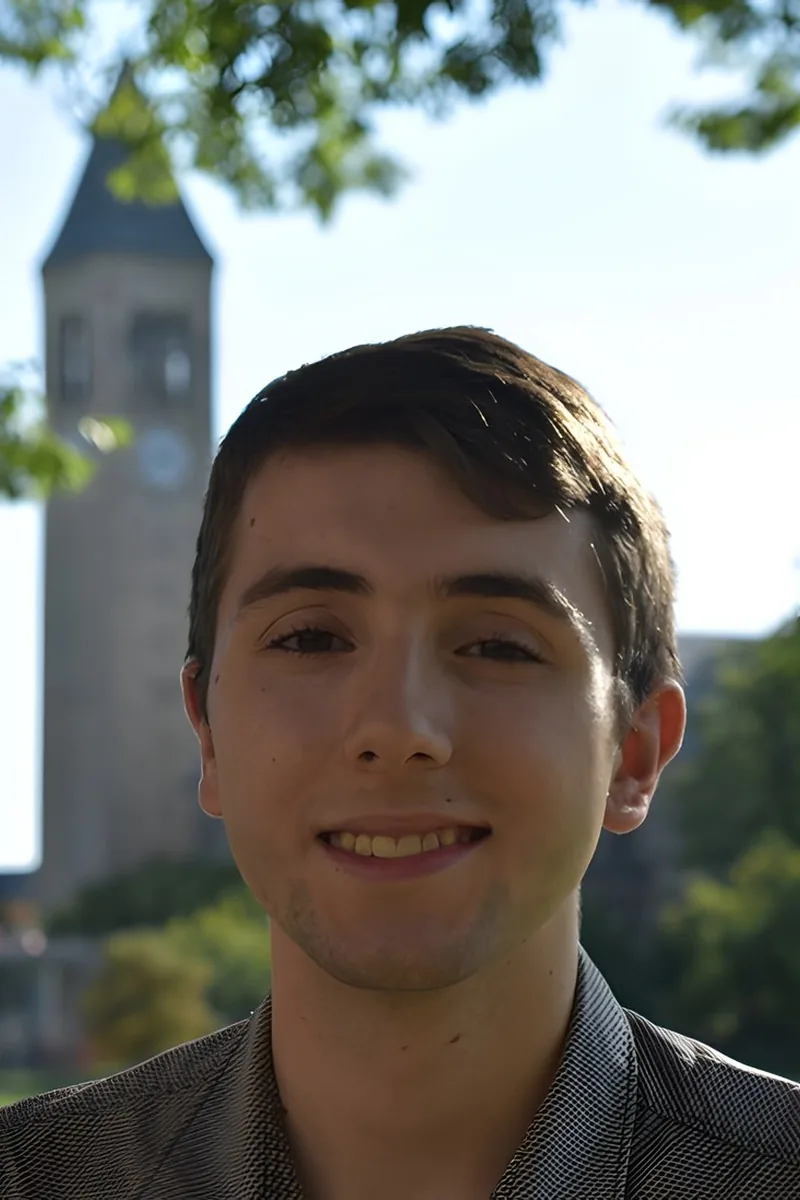
Cornell's biology curriculum threw Raphael into organic chemistry as the bridge between general chemistry and the biochemistry he needed for his pre-med track — meaning he learned reaction mechanisms through the lens of biological relevance, not just isolated transformations on an exam. He tackles arrow-pushing and functional group reactivity by zeroing in on the "why" behind electron movement, building each mechanism step from nucleophile-electrophile logic so students can reason through unfamiliar problems on their own. Holds a 5.0 rating.
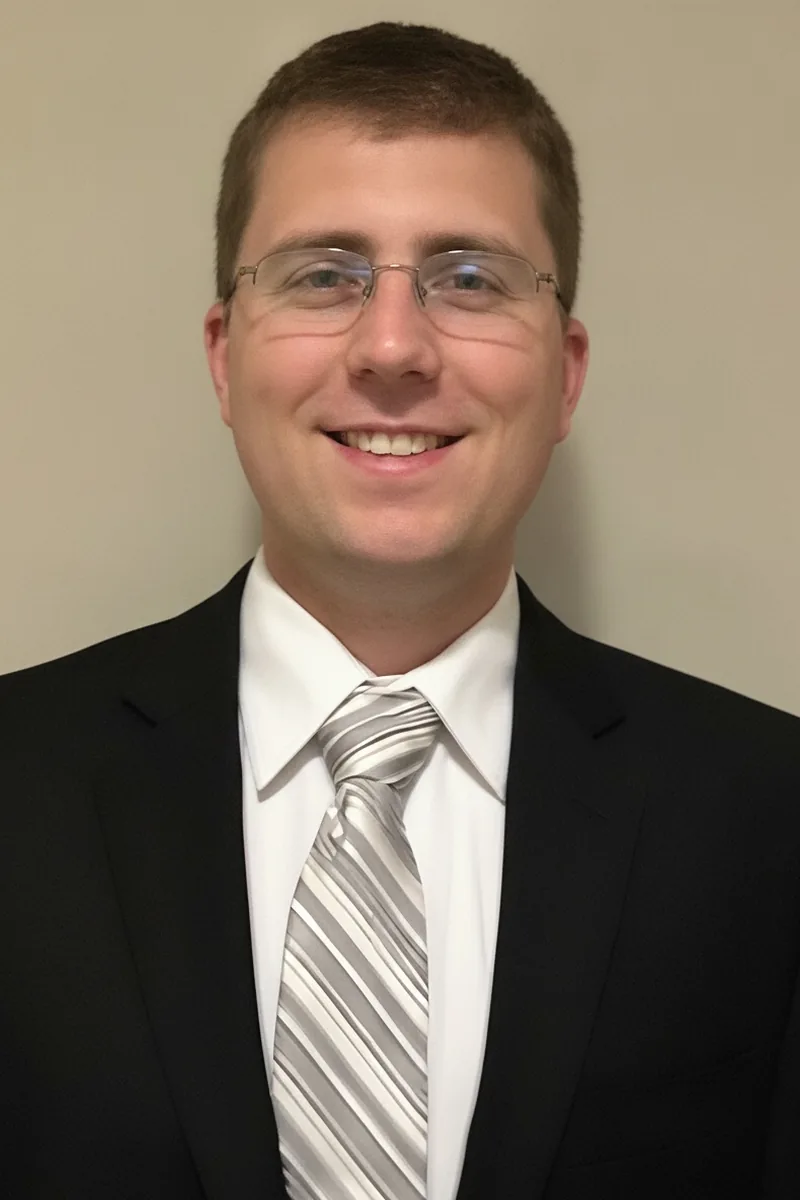
Most organic chemistry struggles come down to not recognizing patterns — why a nucleophile attacks here and not there, or how electron-pushing arrows predict a product. Eric's graduate training in chemistry means he teaches reaction mechanisms as a connected framework of electronic and steric principles rather than a list of isolated reactions. Students rated him 5.0.
Reaction mechanisms are the backbone of organic chemistry, and learning to predict products means recognizing electron-density patterns, not memorizing hundreds of individual reactions. Alec's approach — honed through years of TA work in Cornell's chemistry department — emphasizes arrow-pushing logic and functional group reactivity so that substitution, elimination, and addition reactions start to feel like variations on a theme rather than separate things to memorize.
I am a freshman at Vanderbilt University studying biochemistry and involved in analytical chemistry research. Despite my studies being very science oriented, I also enjoy studying English and the humanities. I'd be happy to tutor you in any of these areas!
Reaction mechanisms are the language of organic chemistry, and Troy spent two semesters teaching that language as an organic chemistry TA. He walks students through arrow-pushing, stereochemical outcomes, and retrosynthetic analysis by emphasizing the handful of recurring electronic patterns that make hundreds of reactions predictable rather than random.
Reaction mechanisms in organic chemistry are less about memorizing hundreds of arrows and more about recognizing a handful of recurring patterns — nucleophilic attacks, leaving group stability, and electron density shifts. Aidan studied organic chemistry as part of Notre Dame's premed track and teaches students to predict products by understanding why electrons move, not just where.
Studying chemistry at Harvard while preparing for Columbia Medical School means James has worked through organic chemistry from both the academic and pre-med sides — understanding mechanisms deeply enough to satisfy a chemistry major, and efficiently enough to apply them in biochemistry and pharmacology contexts. He's particularly strong at teaching students how to predict reaction outcomes by analyzing charge stability and leaving group trends rather than treating each transformation as a new thing to memorize. Rated 4.9 by students.
Studying physics with a concentration in chemical principles at Penn means Max encounters organic chemistry from the physical side first — thermodynamics of reaction pathways, orbital interactions driving nucleophilic attacks, and the energy landscapes that determine whether a substitution or elimination wins out. That perspective lets him teach mechanisms by grounding arrow-pushing in the physics of why electrons move, not just where they go.
A bio-organic chemistry degree means Alex didn't just pass orgo — the entire major was built around understanding how molecular structure dictates reactivity, from substitution and elimination selectivity to multi-step synthesis design. He breaks down each mechanism by identifying the nucleophile, electrophile, and driving force first, so students develop a repeatable framework instead of a growing pile of flashcards. That same logic scales directly into spectroscopy interpretation and retrosynthetic analysis when exams get harder.
Reaction mechanisms are the backbone of organic chemistry, and most exam mistakes trace back to shaky arrow-pushing fundamentals. Abhinav teaches students to classify reactions by nucleophile-electrophile interactions first, then layer on stereochemistry and regiochemistry — an approach that turns a seemingly infinite number of reactions into a manageable set of patterns.
Reaction mechanisms, stereochemistry, and functional group transformations all require a kind of visual logic that's unlike anything in general chemistry. Greg's chemical engineering background at Vanderbilt gave him deep exposure to organic reaction pathways, and he teaches students to trace electron movement step by step so they can predict products instead of relying on memorization.
Working in a cancer biology research lab means Yasheen encounters the organic chemistry behind drug design and molecular signaling every day — not as textbook problems, but as real questions about how functional groups determine a molecule's behavior in living systems. She connects that bench-level intuition to the arrow-pushing, stereochemistry, and carbonyl reactivity students need to master in their orgo courses. Rated 5.0 by students.
Testimonials
Because the right Organic Chemistry tutor makes all the difference.
Average Session Rating – Based on 3.4M Learner Ratings
Practice Organic Chemistry
Free practice tests, flashcards, and AI tutoring for Organic Chemistry
Nearby Organic Chemistry Tutors
Other Omaha Tutors
Related Science Tutors in Omaha
Frequently Asked Questions
Organic Chemistry requires visualizing molecules in 3D space and understanding reaction mechanisms that aren't always intuitive—it's not just memorization. Many students struggle with connecting abstract concepts like electron movement and bonding to actual chemical behavior. Personalized tutoring helps you move beyond memorizing reactions to truly understanding the "why" behind each mechanism, which is essential for success in the course.
Your first session focuses on understanding your current level, identifying specific challenge areas (whether it's reaction mechanisms, nomenclature, or synthesis problems), and building a personalized learning plan. A tutor will assess how you're visualizing molecular structures and which concepts need the most attention. This foundation helps ensure every session afterward targets your exact needs and learning style.
Expert tutors use multiple strategies—drawing 3D structures, working with molecular models, and walking through electron movement step-by-step—to help abstract concepts click. Rather than just showing you a reaction, they'll help you understand how electrons move, why bonds break and form, and how to predict products. This builds spatial reasoning skills that transform Organic Chemistry from confusing to manageable.
Not in the way many students think—the goal is understanding reaction patterns and mechanisms so you can apply them to new problems, not just recalling reactions you've seen before. A tutor helps you recognize functional groups, predict reactivity, and understand why certain reactions occur under specific conditions. This conceptual foundation means you'll retain information longer and handle unfamiliar problems on exams with confidence.
Many Organic Chemistry courses include lab components, and tutoring bridges the gap between theoretical mechanisms and what actually happens in the flask. A tutor can help you understand the purpose of each step in an experiment, interpret your results, and connect them back to the reaction mechanisms you're studying. This integration strengthens both your conceptual understanding and your ability to think like a chemist.
Synthesis problems require working backward from a target molecule to plan a route using reactions you know—it's one of the most challenging aspects of Organic Chemistry. A tutor teaches you systematic strategies for analyzing functional groups, identifying key transformations, and building confidence in your problem-solving approach. With guided practice, you'll develop the reasoning skills to tackle even complex synthesis questions.
Pricing varies based on the tutor's expertise and your location in the Omaha area, and Varsity Tutors connects you with tutors who can work around your schedule—whether that's before exams, weekly sessions, or intensive preparation. You can discuss rates and availability directly when matched with a tutor. Many students find that focused, personalized sessions are more cost-effective than struggling through the course alone.
Effective exam prep involves reviewing past exams, practicing mechanisms under timed conditions, and identifying weak spots—all areas where a tutor can provide targeted support. Rather than cramming reactions the night before, working with a tutor throughout the course builds the deep understanding that shows up on exam day. In the weeks leading up to an exam, tutoring sessions can focus on your specific trouble areas and test-taking strategies.
Let’s find your perfect tutor
Answer a few quick questions. We’ll recommend the right plan and match you with a top 5% tutor.