Award-Winning Microbiology Tutors
serving Albuquerque, NM
Microbiology
Tutors in Albuquerque
Private 1-on-1 tutoring, weekly live classes for academic support, test prep & enrichment, practice tests and diagnostics, and more to elevate grades and test scores.
Based on 3.4M Learner Ratings
UniversitiesSchools & Universities
DeliveredHours Delivered
ProficiencyGrowth in Proficiency
Who needs tutoring?
No obligation. Takes ~1 minute.
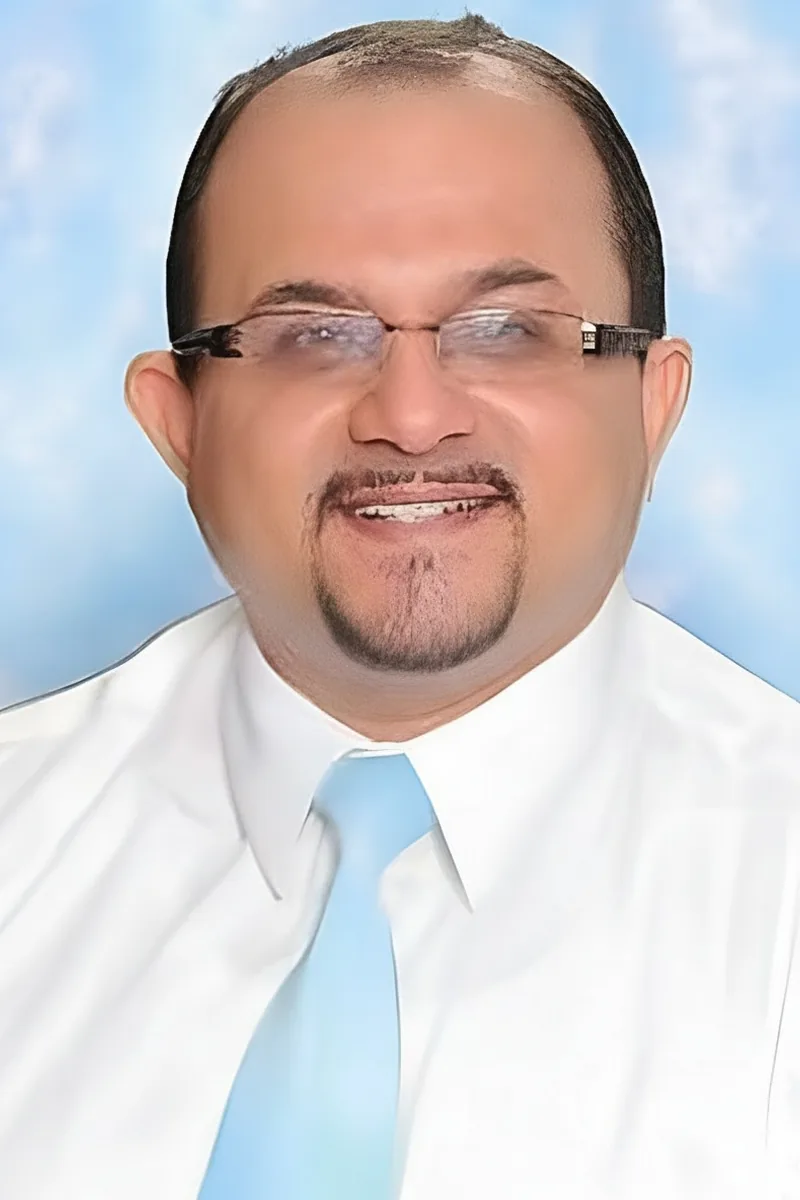
Bacterial classification, viral replication cycles, antimicrobial resistance mechanisms — microbiology covers enormous ground, and Emad has taught it at the college level alongside related courses in infectious diseases and pharmacology. That overlap means he can explain not just what a pathogen does, but why certain drugs target it and how the immune response unfolds.
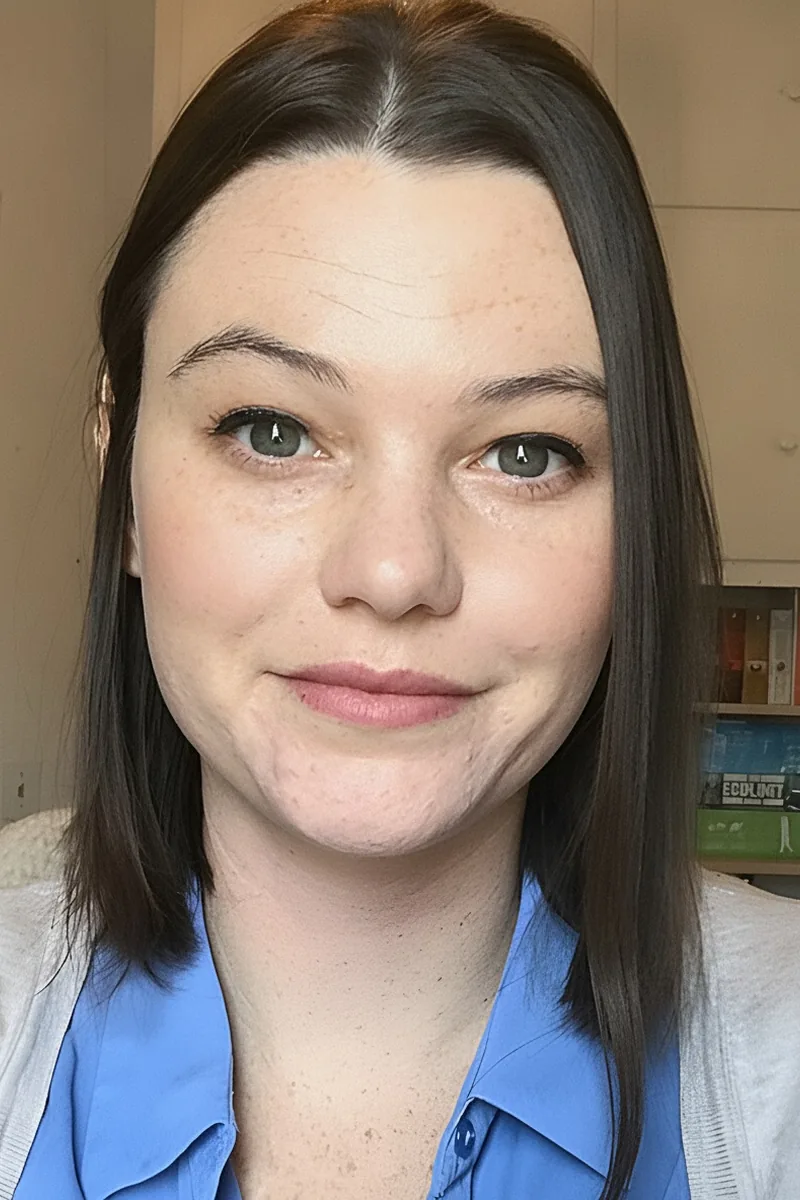
Before pursuing her graduate degree, Kelsey taught microbiology at a community college, designing her own review materials and walking students through bacterial metabolism, microbial genetics, and lab techniques like Gram staining and culture analysis. That classroom experience means she knows which concepts trip students up — and how to explain them differently the second time around. Rated 4.9 by students.
Neuroscience training at the undergraduate level means Jhonatan spent significant time with the microbial world — understanding how pathogens cross the blood-brain barrier, how CNS infections progress, and how the gut microbiome communicates with neural tissue. He teaches microbial physiology and host interactions by anchoring them to these neuroimmune connections, giving students a narrative thread through what can otherwise feel like an overwhelming catalog of organisms. Rated 5.0 by students.
Environmental science and public policy might seem distant from microbiology, but Ethan's coursework in biology, chemistry, and ecology covered the microbial ecology and nutrient cycling that underpin environmental systems — how soil bacteria drive nitrogen fixation, how waterborne pathogens behave in different conditions, and why microbial communities matter for public health policy. That environmental angle gives him a unique way of explaining concepts like bacterial metabolism and population dynamics, grounding abstract processes in real-world ecological contexts. Holds a 5.0 rating.
Bacterial morphology, Gram staining techniques, viral replication cycles — microbiology throws a lot of vocabulary at students before asking them to think critically about pathogenesis and immune response. Ade's biology degree gives him the foundation to break down these interconnected systems and show how individual microorganisms actually behave in clinical and environmental contexts.
Understanding microbiology means getting comfortable with organisms you can't see — bacterial cell structure, viral replication cycles, and the metabolic pathways that keep microbes alive. Varuna's graduate work in biomedical engineering at Tufts involved the biological mechanisms that underpin infection and immunity, giving her a practical lens for teaching concepts like gram staining, antibiotic resistance, and microbial genetics.
Understanding bacterial metabolism, viral replication cycles, and immune response pathways requires more than memorizing diagrams — it requires seeing how microorganisms interact with living systems. Li's training in both speech-and-hearing science and medicine gives her a clinical lens that makes microbiology concepts feel relevant and interconnected.
Few tutors have a dedicated microbiology credential — Felix earned an Associate in Science specifically in microbiology and taught biology at the university level as a TA. He digs into bacterial morphology, staining techniques, metabolic pathways, and microbial genetics with the kind of detail that lecture halls often gloss over. Whether it's understanding biofilm formation or interpreting antibiotic susceptibility results, he connects lab concepts to the underlying theory.
Laurie studied microbiology as part of her pre-med concentration and knows how to untangle the differences between bacterial structures, viral replication cycles, and immune response pathways. She tackles the subject by linking microscopic processes to clinical scenarios, making dense material like gram staining protocols and metabolic pathways easier to retain.
Medical school gave Amanda a front-row seat to microbiology that matters — bacterial pathogenesis, viral replication cycles, immune evasion strategies, and antimicrobial resistance. She teaches microbiology by organizing organisms around the mechanisms that make them dangerous or clinically important, which turns a subject that can feel like pure memorization into a set of logical patterns. Students preparing for exams or applying to health professions get a tutor who knows exactly how this material shows up later.
Keeping bacterial classification, metabolic pathways, and virulence factors straight requires more than flashcards — it requires a framework. Rachel approaches microbiology by organizing organisms around how they survive: their energy sources, their structural defenses, and how they interact with host immune responses. That structure turns a sprawling subject into something students can actually reason through on exams.
Medical school gave Kruti an unusually practical understanding of microbiology — she learned bacteria, viruses, fungi, and parasites not as abstract taxonomy but as organisms that cause specific diseases through specific mechanisms. She digs into concepts like virulence factors, antibiotic resistance pathways, and immune evasion strategies with the kind of detail that sticks. Students preparing for college-level micro exams or USMLE-style questions get someone who's recently navigated both.
Testimonials
Because the right Microbiology tutor makes all the difference.
Average Session Rating – Based on 3.4M Learner Ratings
Other Albuquerque Tutors
Related Science Tutors in Albuquerque
Frequently Asked Questions
Microbiology courses usually cover bacterial structure and function, viral replication, fungal and protist biology, immunology, and microbial genetics. Many courses also include practical lab work where you'll culture microorganisms, perform staining techniques, and use microscopy to observe cellular structures. For students in Albuquerque, understanding these foundational concepts is essential since microbiology builds on principles from general biology and chemistry.
Many students struggle with visualizing microscopic structures they can't see with the naked eye, which makes understanding concepts like bacterial cell walls or viral envelopes difficult. Additionally, microbiology requires strong foundational knowledge in chemistry and biology—if those gaps exist, microbiology becomes even more challenging. Balancing memorization of organism names and structures with truly understanding how they function and interact is another common hurdle that personalized tutoring can help address.
Tutors can help you understand the scientific reasoning behind lab procedures—not just how to follow steps, but why each step matters and what you should observe. They can also help you interpret lab results, troubleshoot unexpected outcomes, and connect your observations back to the theoretical concepts you're learning in lecture. This deeper understanding makes lab work more meaningful and helps you develop stronger scientific thinking skills.
While microbiology does involve learning names and structures, success really depends on understanding how microorganisms function, reproduce, and interact with their environment. When you understand the underlying concepts—like how antibiotic resistance develops or why certain bacteria thrive in specific conditions—memorization becomes much easier because facts connect to a larger framework. Personalized instruction focuses on building this conceptual understanding so you're not just memorizing isolated facts.
Microbiology is directly relevant to medicine, food safety, environmental science, biotechnology, and public health—understanding how bacteria cause infections, how fermentation works, or how wastewater is treated shows why this subject matters beyond the classroom. Tutors can help you see these connections by discussing how concepts apply to disease prevention, pharmaceutical development, or environmental challenges. Making these real-world links helps you retain information better and appreciate why you're learning the material.
Your first session is typically focused on understanding where you are right now—what topics you find most challenging, what your course goals are, and how you learn best. The tutor will likely assess your foundational knowledge in chemistry and biology, since those subjects directly impact microbiology success. From there, you'll work together to create a personalized plan that addresses your specific needs, whether that's lab preparation, exam review, or building conceptual understanding.
Look for tutors with a strong background in microbiology or related sciences—ideally with a degree in microbiology, biology, chemistry, or a health science field. Experience with lab work and hands-on microbiology is valuable, as is teaching experience or a track record of helping students improve their grades and understanding. Varsity Tutors connects you with expert tutors who have both subject expertise and the ability to explain complex concepts in ways that make sense to you.
Albuquerque has excellent resources including the University of New Mexico's biology and microbiology programs, the New Mexico Museum of Natural History and Science, and various healthcare institutions that employ microbiologists. Many local schools also have well-equipped science labs where you can get hands-on experience. Combining personalized tutoring with these local educational resources and your school's lab work creates a comprehensive learning experience that strengthens both your understanding and practical skills.
Let’s find your perfect tutor
Answer a few quick questions. We’ll recommend the right plan and match you with a top 5% tutor.