Award-Winning Math Tutors
serving Sacramento, CA
Math
Tutors in Sacramento
Private 1-on-1 tutoring, weekly live classes for academic support, test prep & enrichment, practice tests and diagnostics, and more to elevate grades and test scores.
Based on 3.4M Learner Ratings
UniversitiesSchools & Universities
DeliveredHours Delivered
ProficiencyGrowth in Proficiency
Who needs tutoring?
No obligation. Takes ~1 minute.
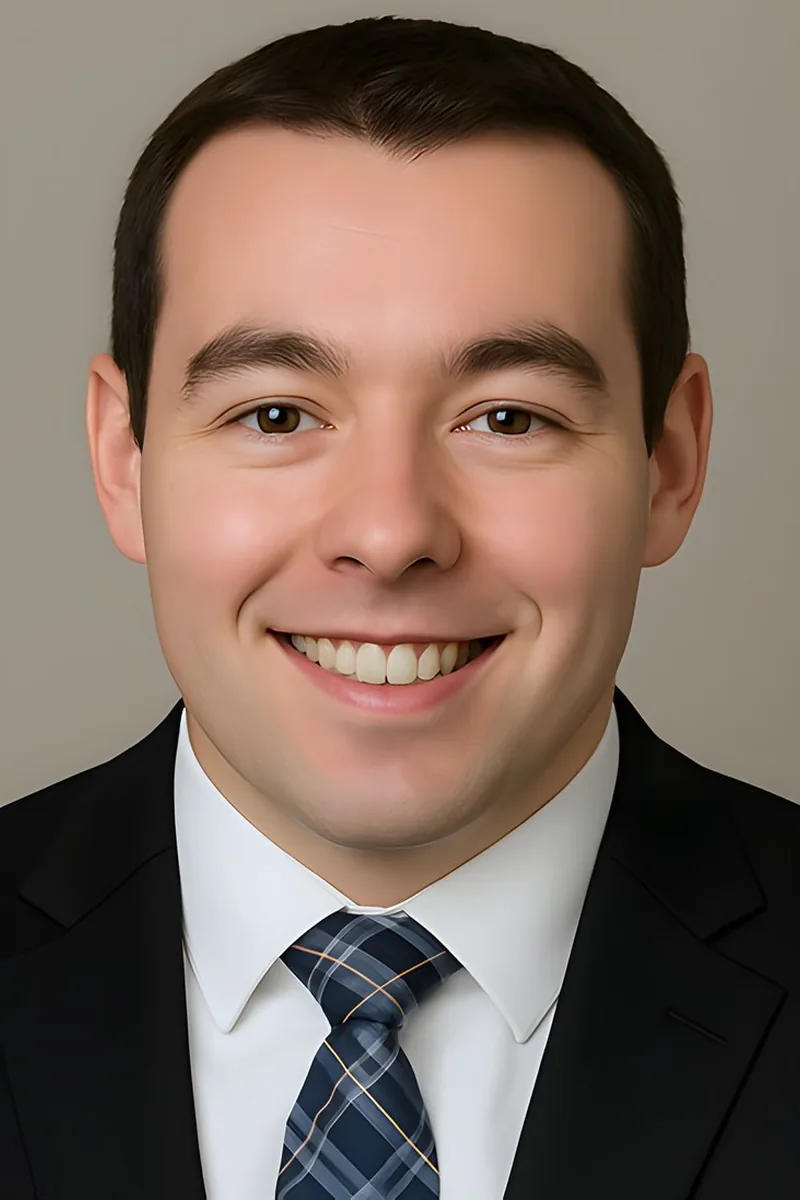
From pre-algebra fundamentals through calculus, Timothy covers a wide math range and zeroes in on the conceptual gaps that cause students to stall — things like why fraction operations work the way they do, or how variable manipulation in algebra sets up success in later courses. His science-heavy background as a current M.D. student means he naturally connects math concepts to real applications, which often clicks for students who find abstract problem sets frustrating.
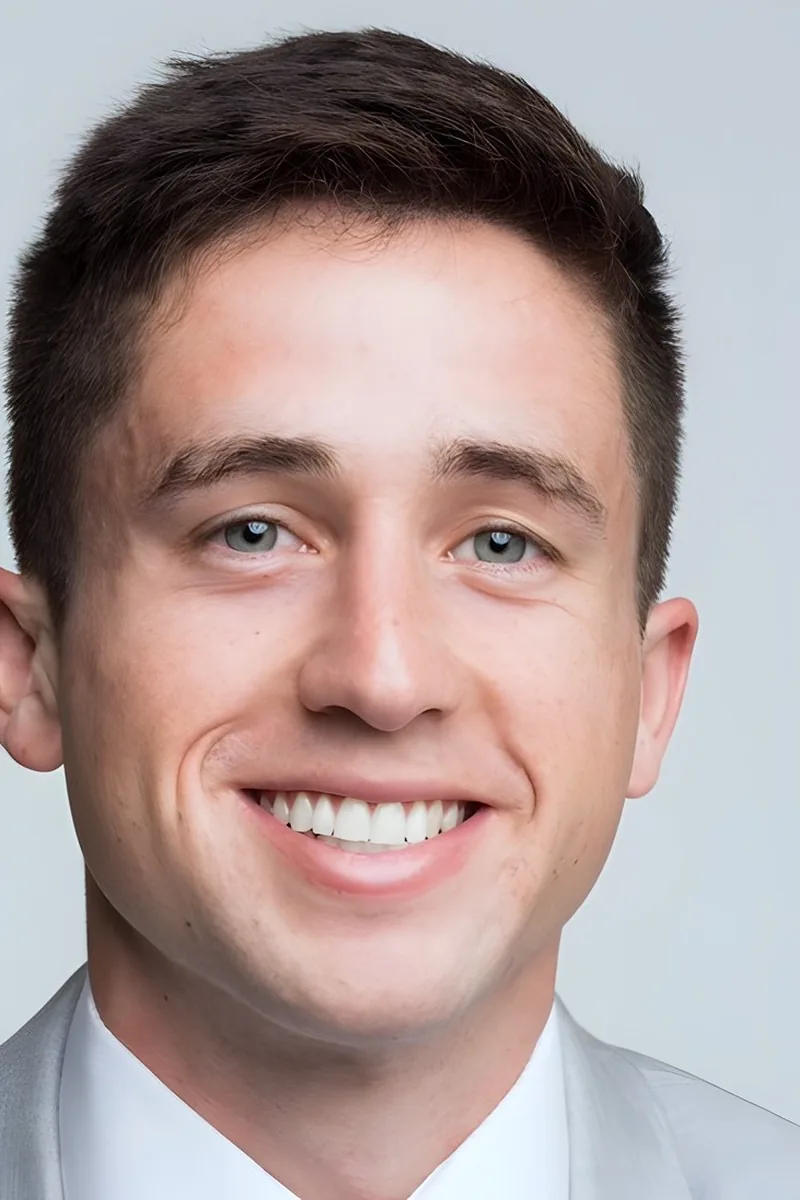
As a STEM major who scored 1410 on the SAT, John has a strong command of math from arithmetic through calculus and knows where students typically get stuck at each level. He zeroes in on the underlying logic behind operations — why you flip and multiply when dividing fractions, or what a negative exponent actually means — so that each new concept clicks instead of feeling like another rule to memorize.
Music and math share more DNA than most people realize — fractions live inside time signatures, logarithmic relationships govern pitch, and pattern recognition drives both disciplines. Conor leans on that structural thinking to break down concepts like ratios, proportions, and algebraic reasoning in ways that click for students who struggle with purely abstract explanations.
Teaching math from elementary arithmetic through calculus, Michael covers a wide range — but his real strength is making abstract concepts tangible for students who think they're "not math people." He walks through problems step by step, connecting operations like fractions and long division to real situations so the reasoning sticks. His approach is especially effective for students who need someone willing to slow down and rebuild gaps before moving forward.
A Caltech economics and computer science graduate, Brian treats math as a unified subject — connecting the logic behind arithmetic patterns in middle school to the algebraic reasoning those patterns become later. His 1580 SAT and experience across competition math, calculus, and discrete math mean he can meet a problem at any level and explain it multiple ways until it clicks.
Jackie scored a 36 on the math section of the ACT and completed coursework through AP Calculus BC and Multivariable Calculus, so she's comfortable across the full K-12 math spectrum. Whether a student is working on fraction operations in fifth grade or tackling polynomial division in high school, she pinpoints exactly where understanding breaks down and rebuilds from that spot.
Algebra is Ema's favorite corner of math — specifically the moment a student realizes they can translate a messy real-world scenario into a clean equation and actually solve it. Her Harvard English degree might seem unrelated, but five years of tutoring students ages 3-17 across everything from basic arithmetic to pre-calculus proved that her instinct for structure and pattern works just as well with numbers as with sentences. She scored a 1540 on the SAT and is rated 5.0 by students.
Sean covers math fundamentals through algebra, with a particular knack for translating word problems into equations — the step where most students get stuck. His 1480 SAT score reflects strong quantitative reasoning, and he applies that same logical, step-by-step approach to concepts like fractions, ratios, and linear equations. He's especially effective with students who understand math in class but freeze when problems are presented in unfamiliar formats.
From fraction operations in middle school to derivatives in calculus, Christina covers the full math spectrum and adapts her explanations to wherever a student is struggling. Her computer science training gave her a problem-solving mindset rooted in logic and pattern recognition, which she uses to show students *why* a method works — not just the steps to follow. She scored a 34 on the ACT, including the math section, and brings that same precision to every session.
Katrina scored a 1490 SAT and 32 ACT, which required solid command of algebra, data analysis, and problem-solving under timed pressure. While math isn't her primary academic focus, she's comfortable breaking down word problems and walking through the logical steps that make concepts like linear equations or proportional reasoning click. She's a good fit for students who need a patient, organized tutor to build confidence in foundational math.
Covering everything from fraction operations to function analysis, Aaron adapts his math instruction to wherever a student currently stands. His approach is conversational — talking through each problem step rather than lecturing, so students articulate their reasoning out loud and catch their own mistakes. A 5.0 client rating speaks to how well that method clicks with learners across grade levels.
Kiersten scored a 1550 on the SAT, and her strength in quantitative reasoning carries into the way she breaks down math concepts — from simplifying expressions to tackling word problems that require translating English into equations. She approaches each topic by identifying exactly where a student's understanding drops off, then rebuilding from that specific gap.
Scoring a perfect 800 on SAT Math is one thing; explaining why a method works to someone seeing it for the first time is another. Chris ran his high school's math club and tutoring program, building a knack for breaking down everything from fractions to functions in whatever way clicks for the individual student. Rated 4.8 by students.
While math isn't Carla's primary area, she covers foundational and general math concepts and brings the same structured, step-by-step clarity she applies to literary analysis. She's a good fit for students who need someone patient and organized to walk them through problem-solving logic rather than just racing to the answer.
Keith's approach to math mirrors the logical reasoning that earned him a 99th-percentile LSAT score: break the problem into pieces, identify what connects them, and work step by step toward a solution. He's especially effective at translating word problems into mathematical language, a skill that trips up students from arithmetic through pre-calculus. His calm, methodical style keeps frustration from derailing a study session.
A neurobiology degree requires serious quantitative chops — from statistical analysis to calculus-based modeling of biological systems — and Daniel brings that applied math background to his tutoring. He's particularly good at showing students how to set up word problems and translate real-world scenarios into equations, which is often the step where confidence breaks down.
John's literary manager work — budgeting productions, analyzing box office data, managing contracts across two theater companies — means he does more practical math in a week than most people realize a drama degree requires. That real-world fluency with numbers makes him especially effective at showing students how algebra, geometry, and proportional reasoning actually function outside a textbook. He holds a 5.0 rating and scored 1580 on the SAT.
Psychobiology at UCLA meant Shant couldn't escape math — statistics, quantitative analysis, and calculus were woven into nearly every science course he took. That science-heavy background gives him a practical angle on topics from pre-algebra through calculus, where he unpacks formulas by grounding them in real measurements and data rather than leaving them as abstract symbols on a page. Rated 5.0 by students.
From basic operations and fractions through ratios, percentages, and pre-algebra concepts, Jennifer builds each math skill as a logical next step rather than an isolated topic. Her approach emphasizes number sense — understanding why borrowing works in subtraction or what a fraction actually represents — so students develop intuition alongside accuracy.
Jerome's cellular and molecular biology degree required heavy quantitative coursework, from statistics to calculus, so he's comfortable across a wide math landscape. Whether a student is stuck on fraction operations or working through function transformations, he traces the confusion back to its source and rebuilds understanding from that exact point.
Andrew's subject range spans from elementary arithmetic through calculus, which means he's seen where math gaps form and how they compound over time. He zeroes in on the specific concept a student is missing — whether that's fraction operations, order of operations, or basic algebraic reasoning — and rebuilds understanding from that exact point.
From a summer at Kumon drilling arithmetic fundamentals to tutoring adults through GED math, Raquel has taught the same core concepts — fractions, proportions, integer operations — to learners at very different starting points. That range means she can quickly identify where a gap in understanding actually lives and address it directly, whether a student is working on pre-algebra or building toward geometry proofs.
From basic arithmetic through pre-algebra and into more abstract topics like finite mathematics, Anna covers a wide developmental range in math. She zeroes in on the conceptual step where a student gets stuck — whether that's fraction operations, integer rules, or translating word problems into equations — and rebuilds understanding from that exact point.
Engineering training means Mitch doesn't just know how to solve math problems — he knows where the math actually goes. Whether a student is wrestling with fractions, tackling word problems, or making the leap into variables, he connects each concept to something concrete so the reasoning clicks. Rated 5.0 by students.
From arithmetic fundamentals through pre-calculus, Emily connects each new math concept to the reasoning behind it so students aren't just memorizing steps they'll forget next week. Her approach to topics like fractions, proportions, and graphing linear equations emphasizes pattern recognition — the same skill her Stanford research training sharpened across very different contexts.
I am a graduate of Duke University with a degree in Health Policy and Education Policy. While at Duke University I was a student athlete, participated in the leadership of several clubs and service groups; as well as, working as a Math and Reading tutor. After graduation I spent a year pursing a business venture allotted to me through the Elevator Pitch Competition, my senior year of college, which I won in my category - Non-Profits. After that year, I joined the Teach for America Fellowship, where I fell in love with teaching. The Teach for America Fellowship is 2 years; however, after my first year due to the recognition and growth in my classroom I was invited to start a school. I spent 2 years at that school prior to getting married and moving to California, a few months ago, with my amazing, aerospace loving, husband.
From fraction operations in pre-algebra to derivatives in calculus, Dorothy covers a wide swath of math and knows where students typically lose the thread. She zeroes in on the specific step where confusion starts — whether that's setting up word problems or manipulating expressions — and rebuilds clarity from there.
Linda covers math from elementary arithmetic through pre-algebra and algebra, with a particular knack for making word problems less intimidating. She breaks each problem into a clear sequence — identify what's being asked, translate the language into an equation, then solve — so students stop freezing when the numbers are buried in sentences. Her tutoring and teaching assistant experience spans kids through adults, so she adjusts her explanations to match how each learner thinks.
A pre-med track at UCLA meant Nicole spent years working through algebra, calculus, and applied statistics — subjects where one shaky concept can snowball into months of confusion. She pinpoints exactly where a student's understanding breaks down, whether that's fraction operations, setting up equations from word problems, or interpreting graphs, and rebuilds from that specific gap forward.
Scoring a 1560 on the SAT required Tom to be fluent in everything from algebraic manipulation to data interpretation, and he brings that same structured problem-solving approach to general math tutoring. He's especially effective at diagnosing where a student's understanding breaks down — whether it's fractions, proportional reasoning, or translating word problems into equations — and rebuilding from that exact point.
I am a recent graduate of the University of Virginia living in Los Angeles. While at UVA, I earned a 3.95 GPA and graduated my major program with Highest Distinction. I have eight years of tutoring experience (including starting my own tutoring program) and have worked with students of all ages. I'm looking forward to helping people with their studies in any way I can.
Ben scored a 33 ACT and 1530 SAT, with the math chops to back both up across algebra, calculus, and general problem-solving. He's particularly effective at translating word problems into equations — a skill that trips up students who understand procedures but freeze when math is buried inside a paragraph. His English background actually helps here, since parsing a tricky problem is half reading comprehension.
Kevin scored a 1500 SAT and 33 ACT, and his science degree required calculus, statistics, and quantitative reasoning across multiple courses. Whether a student is working through fractions in pre-algebra or derivatives in calculus, he connects each concept to a concrete problem so the logic sticks. He's comfortable across the full K-12 math spectrum and adjusts his explanations based on where a student's understanding actually breaks down.
A double major in Computer Science and English, Milan brings an unusual combination of algorithmic thinking and clear communication to math concepts — whether that's breaking down fraction operations for a younger student or walking through polynomial long division in algebra. His 1540 SAT score speaks to the kind of quantitative fluency that makes abstract ideas click.
From fraction operations in middle school to derivatives in calculus, Alok has tutored nearly every level of math and excelled in each one during his engineering program at UC Irvine. He's especially strong at showing students how earlier concepts — like slope or proportional reasoning — reappear in more advanced topics, so each new idea clicks faster.
From pre-algebra through calculus, Krista covers the full K-12 math sequence and knows where students typically lose the thread — often at fractions, negative numbers, or the jump to variable thinking. She breaks each concept into concrete steps and connects new material back to skills a student already has, so gaps get filled instead of papered over.
From simplifying fractions in pre-algebra to tackling limits and derivatives in calculus, Janani covers a wide math range and zeroes in on the specific concept causing a bottleneck. She's especially good at walking through word problems step by step, translating confusing language into equations students can actually set up and solve on their own.
Covering everything from arithmetic fundamentals to competition-level problem solving, Naama's math teaching connects procedures to the reasoning behind them. She's particularly good at identifying the specific step where a concept stops making sense — whether that's fraction operations, order of operations, or early work with variables — and rebuilding understanding from that point forward.
Mary's anthropology training at UCLA was more quantitative than most people expect — statistical analysis of skeletal measurements, population modeling, interpreting biological data sets — which built a comfort with applied math that she now brings to tutoring algebra and beyond. She's especially good at reframing a problem when a student's first approach hits a dead end, offering a different angle rather than just repeating the same explanation louder. Rated 5.0 by students.
Taking Differential Equations and statistics courses as electives — for fun — while earning a psychology degree at Rice tells you something about Judy's relationship with math: she genuinely enjoys the puzzle of it, and that energy is contagious when she's breaking down a problem. Her 1520 SAT and years of math competition experience mean she's sharp on everything from middle school fundamentals through calculus, but she's especially good at showing students the underlying logic that makes a new concept feel like a natural next step rather than a random rule to memorize.
Testimonials
Because the right Math tutor makes all the difference.
Average Session Rating – Based on 3.4M Learner Ratings
Practice Math
Free practice tests, flashcards, and AI tutoring for Math
Nearby Math Tutors
Other Sacramento Tutors
Related Math Tutors in Sacramento
Frequently Asked Questions
During your first session, a tutor will assess your current math level, understand your specific challenges (whether that's word problems, multi-step equations, or another area), and learn about your learning style. This helps them create a personalized plan tailored to your needs and goals. They'll also explain their teaching approach so you know what to expect going forward.
Expert tutors focus on building conceptual understanding by helping you see the "why" behind mathematical procedures, not just the "how." Through guided problem-solving and asking strategic questions, tutors help you recognize patterns, make connections between concepts, and develop deeper reasoning skills. This approach makes math more intuitive and helps you apply knowledge to new problems with confidence.
Word problems require translating language into mathematical equations—a skill that takes practice and strategy. Tutors teach students how to break down problems into manageable steps, identify relevant information, and choose appropriate solution methods. With personalized instruction, students build the confidence and systematic approach needed to tackle word problems independently.
Yes—math anxiety is common and very treatable with the right support. Personalized tutoring creates a low-pressure environment where students can ask questions, make mistakes safely, and experience small wins that build confidence. As students develop stronger conceptual understanding and see their progress, anxiety often decreases naturally and they begin to enjoy math more.
Absolutely. Tutors work with students across Sacramento's 27 school districts and are familiar with different textbooks and teaching approaches used locally. During your first session, share information about your student's curriculum, and the tutor will align their instruction accordingly—whether that's reinforcing concepts from class, preparing for upcoming units, or filling gaps in foundational skills.
Graphing and multi-step equations are areas where many students benefit from visual, step-by-step instruction. Tutors use multiple representations—graphs, tables, and equations—to help students see how these connect and understand what's really happening mathematically. This concrete approach makes abstract concepts more tangible and easier to master.
Showing work isn't just about getting the right answer—it demonstrates mathematical thinking and helps identify where errors occur. Tutors teach students how to organize their steps logically, explain their reasoning, and communicate their solution process clearly. This skill is essential for success in higher-level math and helps teachers understand your student's understanding.
Varsity Tutors connects you with expert tutors who have strong backgrounds in mathematics and proven teaching experience. Each tutor is carefully selected and can work with students at various levels—from elementary arithmetic through calculus and beyond. You can discuss a tutor's specific qualifications and experience during your initial consultation to ensure the right fit.
Let’s find your perfect tutor
Answer a few quick questions. We’ll recommend the right plan and match you with a top 5% tutor.