Award-Winning Literature Tutors
serving Atlanta, GA
Literature
Tutors in Atlanta
Private 1-on-1 tutoring, weekly live classes for academic support, test prep & enrichment, practice tests and diagnostics, and more to elevate grades and test scores.
Based on 3.4M Learner Ratings
UniversitiesSchools & Universities
DeliveredHours Delivered
ProficiencyGrowth in Proficiency
Who needs tutoring?
No obligation. Takes ~1 minute.
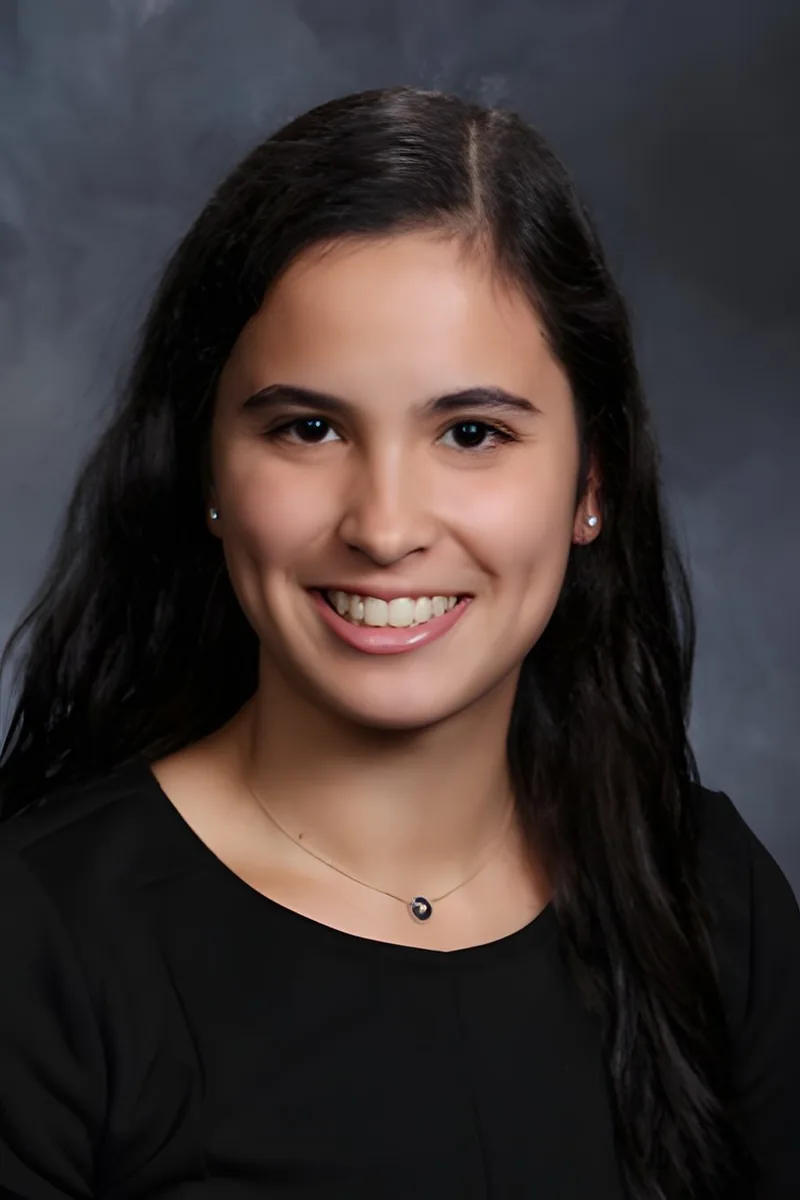
Isabella's minor in Ancient and Medieval Studies at MIT means she spent years doing close readings of dense, unfamiliar texts — exactly the skill that transfers to analyzing literature at any level. She teaches students to unpack how an author's choices in structure, diction, and imagery build meaning, turning vague impressions into precise, evidence-grounded arguments.
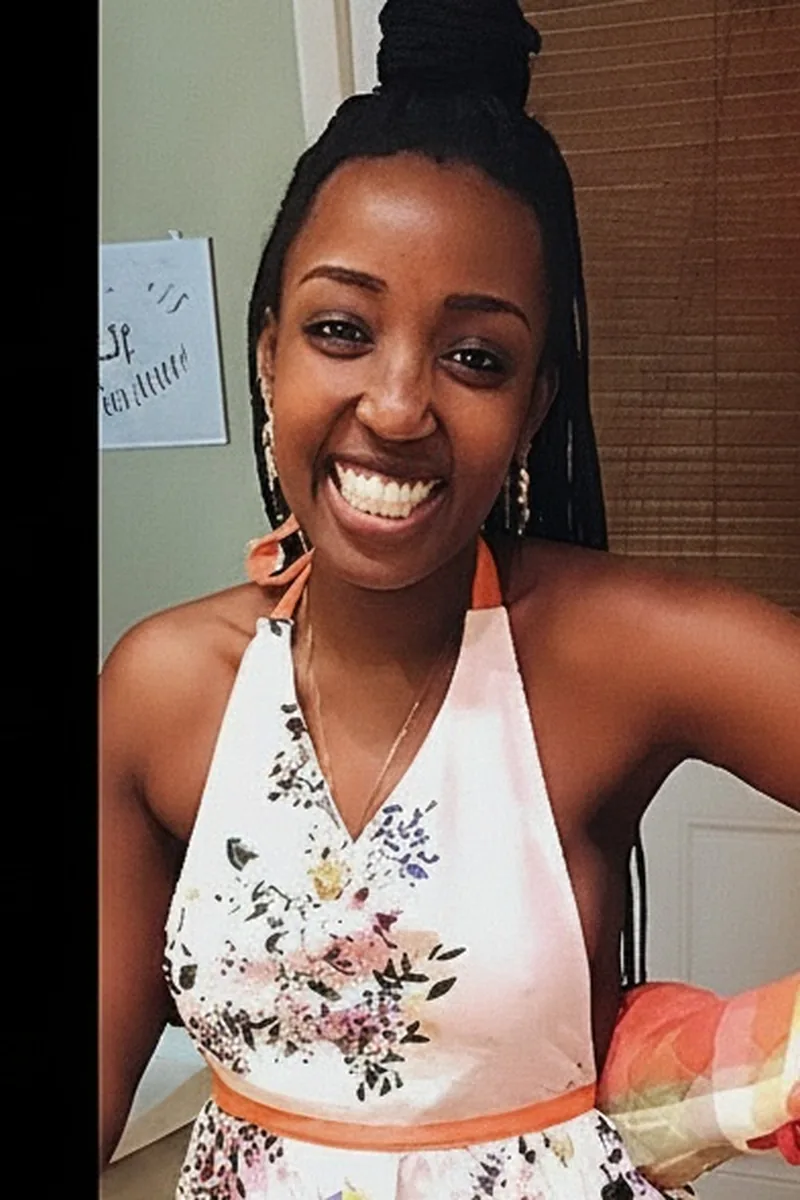
Before becoming a high school science teacher and college prep administrator, Marion studied neurobiology and behavior at Harvard — a field that requires digesting dense research papers and extracting meaning from how authors frame evidence, structure arguments, and deploy precise language. That same close-reading discipline carries into literature, where she teaches students to move past "what happened" and into how a writer's choices in voice, pacing, or figurative language shape interpretation. Rated 5.0 by students.
Reading literature well means asking uncomfortable questions about a text — why does the narrator contradict herself, what's the silence in a scene really saying, how does the structure mirror the theme. Jean studied Latin American history through its literature and primary sources at Duke, giving her practice analyzing texts across genres, time periods, and cultural contexts. She teaches students to build interpretive arguments grounded in close reading rather than surface-level summaries.
Reading a novel for class and actually analyzing it are two very different skills. Alice's cognitive science training at Brown sharpens her ability to teach close reading — picking apart how an author uses imagery, narrative structure, or point of view to build meaning. She walks through passages conversationally, asking the kinds of questions that make thematic arguments feel like discoveries rather than assignments.
A full-time writer with a Stanford arts degree, Robert reads literature the way writers do — paying attention to how an author builds a character through dialogue, or why a narrator's unreliability changes everything about a story's meaning. He's particularly strong on American literature, from Hawthorne's symbolism to Toni Morrison's layered prose.
Reading literature analytically — identifying motifs, unreliable narrators, or how an author's structure reinforces theme — requires a different kind of close attention than most students are used to. Ilesh is an avid reader who approaches texts methodically, breaking down passages into claims and evidence the way his engineering training taught him to dissect complex systems.
Reading a novel for class and actually analyzing it are two very different skills, and the gap usually shows up when a student sits down to write about theme or characterization. Juliana teaches close-reading techniques — tracking imagery, identifying narrative shifts, questioning an author's structural choices — that turn vague impressions into arguable claims. Her writing center background at Northwestern means she connects literary analysis directly to stronger essays.
Reading a novel or poem closely means asking better questions — why does this narrator contradict herself, what's the metaphor actually doing, how does the structure shape meaning? Ominira teaches students to engage with texts analytically, moving from surface-level summaries to the kind of interpretive arguments that earn strong marks on essays and class discussions alike.
Reading critically means asking what a text is doing, not just what it says — why an author chose a particular metaphor, or how a narrator's unreliability reshapes the story's meaning. Christopher's neuroscience minor gave him a unique lens for analyzing how language affects perception, and his lifelong habit of reading across genres keeps his literary references fresh. He teaches students to build interpretive arguments grounded in textual evidence rather than surface-level summary.
An avid reader and writer outside her engineering career, Bettina approaches literature with the same analytical rigor she applies to research — dissecting how an author builds an argument through structure, imagery, and narrative choice. She teaches students to move from surface-level plot summary to close reading that examines tone, symbolism, and thematic development. Her interdisciplinary perspective often surfaces connections between texts and broader historical or philosophical contexts.
Breaking down a novel or poem into its moving parts — symbolism, narrative voice, thematic tension — is where Maddie thrives as a reader and tutor. She teaches students to build literary arguments that go beyond plot summary, connecting textual evidence to a clear interpretive claim.
Reading a novel for class is one thing; unpacking how an author uses symbolism, narrative structure, or unreliable narration to build meaning is another skill entirely. David approaches literary analysis the way he approaches math — by identifying patterns, questioning assumptions, and constructing arguments that hold up under scrutiny.
Reading literature well means doing more than summarizing plot; it means noticing how an unreliable narrator shifts tone or why an author chose free indirect discourse over first person. Hailey's psychology training sharpens her approach to character analysis and motivation, giving students a framework for interpreting texts that goes beyond surface-level themes.
James earned his English Literature degree at Northwestern, where close reading meant dissecting everything from narrative structure to unreliable narrators to the politics embedded in a text. That training makes him especially effective at teaching students how to build a literary argument — moving from a specific passage to a thesis that actually says something. Rated 5.0 by students.
Most people don't expect a PhD astronomer to hold a BFA in Creative Writing, but that combination makes Alexandra unusually sharp at literary analysis. She teaches students to dissect a text's structure, trace motifs, and build arguments about theme with the same rigor she brings to analyzing data — except the evidence comes from the page instead of a telescope.
Reading literature analytically means learning to ask better questions of a text — what a narrator's silence reveals, how a metaphor shifts meaning across chapters, why an author chose one structure over another. Matthew approaches literary analysis with the same precision he applies to scientific problems, teaching students to build arguments from textual evidence rather than gut reactions.
Anna is finishing her PhD in English Literature at UVA, where her dissertation digs into 20th-century American fiction alongside interests in African-American literature, film studies, and gender theory. That range means she can move between a Toni Morrison novel and a Shakespeare play without losing analytical depth. She teaches close reading as a repeatable skill — identifying patterns in imagery, narrative structure, and language that unlock a text's deeper arguments.
Reading a novel closely means asking uncomfortable questions about unreliable narrators, symbolism that doesn't resolve neatly, and why an author chose one word over another. Aditya's interdisciplinary background in both science and sociology gives him a unique lens for analyzing texts — he's as comfortable unpacking the social dynamics in a Fitzgerald novel as he is dissecting the argument structure of a persuasive essay.
An avid reader whose hobbies extend well beyond engineering, Michael approaches literature by teaching students to identify how authors build arguments through structure, imagery, and narrative choice. He's particularly effective at showing STEM-minded students that close reading is a skill with its own logic — analyzing a passage isn't so different from diagnosing why a system works the way it does.
Reading literature well means doing more than summarizing plot — it means tracking imagery, identifying narrative structure, and understanding how historical context shapes a text's meaning. Eugene studied English at Emory, where close reading of poetry, novels, and drama was the daily work, and he brings that same analytical rigor to everything from Shakespeare to Toni Morrison.
Reading literature closely is surprisingly similar to reading a financial case — both demand attention to detail, argument structure, and what's left unsaid. Victor approaches novels, poetry, and drama by teaching students to trace motifs and analyze how an author's choices in diction and structure build meaning, rather than just summarizing plot.
Reading literature closely is surprisingly similar to reading case law — both demand that you identify an author's argument, weigh evidence, and consider competing interpretations. Matt's political science and legal training gave him a framework for textual analysis that he applies to everything from Shakespeare to Toni Morrison. He teaches students to build interpretive claims and defend them with specific passages.
Reading a novel or poem closely means asking what the text is doing, not just what it's about — tracking imagery patterns, unreliable narrators, shifts in point of view, or the way a sonnet's volta reframes everything before it. Jordan's degrees in Creative Writing and International Studies provided deep exposure to both Western and global literary traditions. That range means whether a student is analyzing Beloved or Borges, Jordan can unpack the craft behind the story.
Reading a novel for class and actually analyzing it are two different skills, and the gap usually shows up when students try to write about theme, symbolism, or narrative voice. Yilin approaches literary analysis the way her psychology training taught her to approach human behavior — by asking what's driving the text beneath the surface. She's an avid reader herself and connects that genuine enthusiasm to close-reading techniques students can use on any assigned work.
Tyler's background in Latin gives him an unusual entry point into literature: he reads closely for structure, rhetoric, and the deliberate choices authors make at the sentence level. Whether the assignment involves parsing a Shakespeare soliloquy or building an argument about symbolism in a novel, he teaches students to anchor every interpretation in textual evidence.
An avid reader who lists books among his top hobbies, Adel approaches literature by teaching students to trace themes, symbols, and character development across a text rather than just summarizing plot. His biochemistry background at Georgia Tech might seem surprising, but it sharpened the close-reading skills needed to pull apart dense passages and build interpretive arguments. Rated 5.0 by students.
I'm always up for the challenge of changing my methods of instruction and breaking down topics to foster a deeper understanding of a subject. On a different note, I generally spend my spare time playing lacrosse or running outdoors when possible. I also play the violin with a school quartet, and teach lessons to beginning students working through the Suzuki program.
I'm a 25 year old recent J.D. graduate of Georgia State College of Law. I attended Emory University for my undergraduate studies where I was awarded a double major in Political Science and History. Currently I am interning with CAIR as I prepare for the February Georgia Bar Exam.
While Travis's primary training is in engineering and math, his dual enrollment coursework included substantial reading and analytical writing across disciplines. He approaches literature by treating texts as arguments to be dissected — examining how an author's choices in structure, imagery, and voice build toward meaning. It's an analytical lens that works especially well for students who think of themselves as "math people" struggling to engage with literary analysis.
Reading literature well means doing more than summarizing plot — it means noticing how an author uses imagery, dialogue, or narrative structure to build meaning. Jennifer studied English and American literature at the University of Alabama and teaches students to annotate with purpose, pulling apart passages to uncover tone shifts, symbolism, and thematic arguments.
An avid reader and honors student at KU, Emily unpacks literary texts by teaching students to trace motifs, analyze narrative voice, and build arguments grounded in close reading rather than plot summary. She's especially comfortable with comparative analysis — examining how two authors handle similar themes through different structural or stylistic choices.
Reading a poem or novel closely enough to write about it well means noticing craft — how a shift in tense reshapes a narrative, or why an author chooses fragmented syntax in a climactic scene. Arin's PhD in Performance Studies is built on this kind of textual analysis, and teaching literature and comparative literature across departments at NYU, American, and New College of Florida means deep practice connecting formal techniques to larger thematic arguments.
Reading literature closely is a lot like reading case law — you're tracking an author's choices, weighing what's stated against what's implied, and building an interpretation from textual evidence. Jen's legal training at Georgia State sharpened these analytical instincts, and her lifelong love of reading and writing means she genuinely enjoys digging into themes, symbolism, and narrative structure with students.
Reading and writing are longtime passions for Jade, which translates into genuine enthusiasm when digging into a novel's structure, symbolism, or narrative voice. She teaches students to build arguments about a text — pulling specific evidence from the page and explaining what it actually proves. Whether the assignment involves close reading a poem or writing a comparative essay on two novels, she keeps the focus on analytical thinking rather than surface-level summary.
I am working as a program manager at a local non-profit organization in Miami. Outside of academia and work my interests are singing karaoke with friends, swimming, watching movies, and reading about environmental and social justice issues. In the past I have tutored public health topics (including epidemiology) online, taught environmental science and history courses, and tutored students in-person on ACT prep, biology, voice lessons, and Spanish language. My clients have been middle school, high school, university, and graduate students. My favorite subjects to tutor are those that I myself had to work the hardest to conquer (ACT, Spanish fluency, epidemiology and chemistry)! I love teaching these subjects because through my own struggle to achievement I have developed especially effective methods for my clients to succeed as well. My teaching style is based upon working with clients to develop individualized study methods. I am a tutor who is patient, caring, and committed to seeing you exceed your goals. Don't hesitate to contact me if you are searching for a tutor with these qualities.
Reading literature is really about learning to argue — figuring out what a text is doing and marshaling evidence to back up an interpretation. Chandler's economics and teaching background gives him a knack for breaking down dense passages and showing students how to build a thesis around theme, symbolism, or narrative structure rather than just summarizing plot.
Reading and writing are genuine hobbies for Corey, not just academic obligations, and that shows in how he discusses literature. He teaches students to dig into how an author's choices — structure, diction, point of view — create meaning, turning close-reading skills into tools they can apply across poetry, novels, and essays.
While literature sits outside his core math and statistics expertise, Xihao brings the same analytical rigor to close reading that he applies to data — identifying patterns, questioning assumptions, and building arguments from textual evidence. His structured approach to breaking down passages can be particularly helpful for students who think logically but find literary analysis frustratingly subjective.
Reading a novel is one thing; analyzing how an author uses symbolism, unreliable narration, or structural choices to build meaning is another skill entirely. Audrey's sociology background at Penn gives her a sharp lens for examining how texts reflect social dynamics — something that translates directly into stronger literary analysis essays and class discussions.
Reading a novel closely means asking what choices the author made and why — tracking symbolism, unreliable narrators, shifts in tone, or the way a single metaphor reframes an entire chapter. Darien approaches literature as an exercise in argument-building, teaching students to move from gut reactions to textual evidence that holds up in essays and class discussions. His 5.0 rating speaks to how well that analytical approach clicks with students.
Testimonials
Because the right Literature tutor makes all the difference.
Average Session Rating – Based on 3.4M Learner Ratings
Nearby Literature Tutors
Other Atlanta Tutors
Related English Tutors in Atlanta
Frequently Asked Questions
Literature tutors work with students on a wide range of topics including literary analysis, essay writing, reading comprehension, and interpretation of texts. Common areas include analyzing themes and symbolism, understanding character development, studying different genres (poetry, drama, novels, short stories), and writing analytical essays that develop strong thesis statements. Tutors adapt their approach based on what you're studying in class—whether that's classic literature, contemporary works, or specific authors on your curriculum.
Tutors provide personalized feedback on all stages of the writing process, from developing a strong thesis and organizing your ideas to refining your arguments and polishing your final draft. They help you move beyond basic summaries to deeper analysis, showing you how to support claims with evidence from the text and craft essays that demonstrate real understanding. With one-on-one instruction, you get tailored guidance on your specific writing challenges—whether that's structure, clarity, or developing your unique voice as a writer.
Reading comprehension in literature often improves with targeted strategies and guided practice. A tutor can help you break down challenging texts, identify key themes and symbols, and develop questions to ask yourself while reading. They work at your pace, helping you understand not just what happens in a story, but why authors make certain choices and what those choices mean. With personalized instruction, you can tackle difficult works with confidence rather than frustration.
A strong thesis goes beyond stating obvious facts—it makes an arguable claim about the text that you can support with evidence. Tutors help you move from vague observations to specific, meaningful arguments about themes, character motivations, or literary techniques. They teach you to ask critical questions: What is the author trying to show? How do specific scenes or word choices support this? What does the text reveal that isn't immediately obvious? This process of deep thinking leads to essays that demonstrate real analytical skill.
Writer's block is common, but tutors have proven strategies to help you move forward. These might include brainstorming techniques, freewriting to get ideas flowing, outlining to organize your thoughts, or discussing your ideas aloud before writing. Sometimes the block comes from unclear thinking about the topic—talking through your ideas with a tutor can clarify what you actually want to say. Once you understand your argument better, the words often follow more easily.
Literary analysis is a skill that develops with guided practice and feedback. Tutors teach you how to identify key literary devices (metaphor, imagery, foreshadowing) and understand their purpose, help you trace themes throughout a text, and show you how to connect these elements to the author's larger message. Rather than memorizing definitions, you learn to ask: Why did the author use this technique? What effect does it create? How does it support the overall meaning? This analytical thinking transforms reading from passive to active engagement with texts.
Yes, tutors can review your citations and help you understand proper formatting for both MLA and APA styles. Beyond just showing you the rules, they help you understand why consistent citation matters and how to integrate quotes smoothly into your writing. A tutor can review your works cited page, show you how to cite different types of sources correctly, and help you avoid common mistakes—so citations support your essay rather than distract from it.
Let’s find your perfect tutor
Answer a few quick questions. We’ll recommend the right plan and match you with a top 5% tutor.