Award-Winning Microbiology Tutors
serving Charlotte, NC
Award-Winning
Microbiology
Tutors in Charlotte
Private 1-on-1 tutoring, weekly live classes for academic support, test prep & enrichment, practice tests and diagnostics, and more to elevate grades and test scores.
Based on 3.4M Learner Ratings
UniversitiesSchools & Universities
DeliveredHours Delivered
ProficiencyGrowth in Proficiency
Who needs tutoring?
No obligation. Takes ~1 minute.
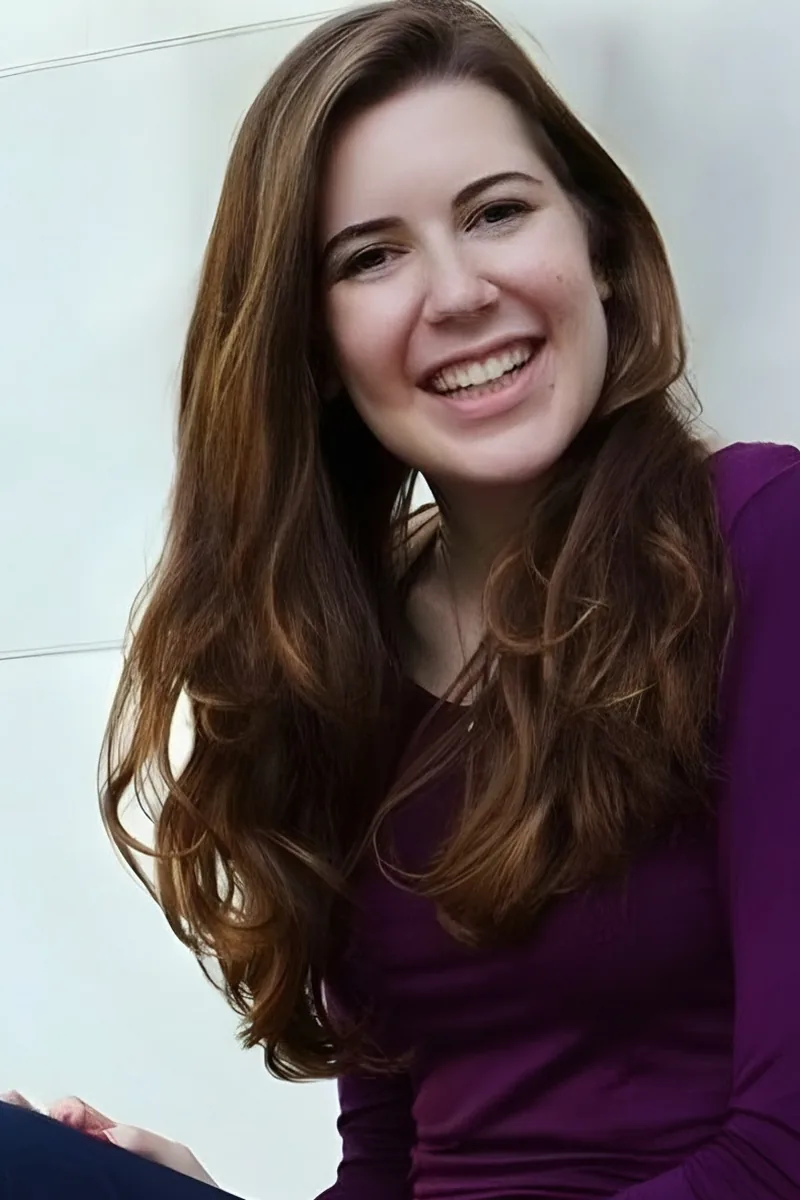
Emily studied molecular, cellular, and developmental biology at Yale and then earned her MPH in epidemiology, giving her a dual lens on microbiology — she knows the bench science of bacterial genetics and viral replication cycles, and she understands how those organisms behave in populations. She digs into topics like gram staining, metabolic pathways, and host-pathogen interactions with the detail a college-level course demands.
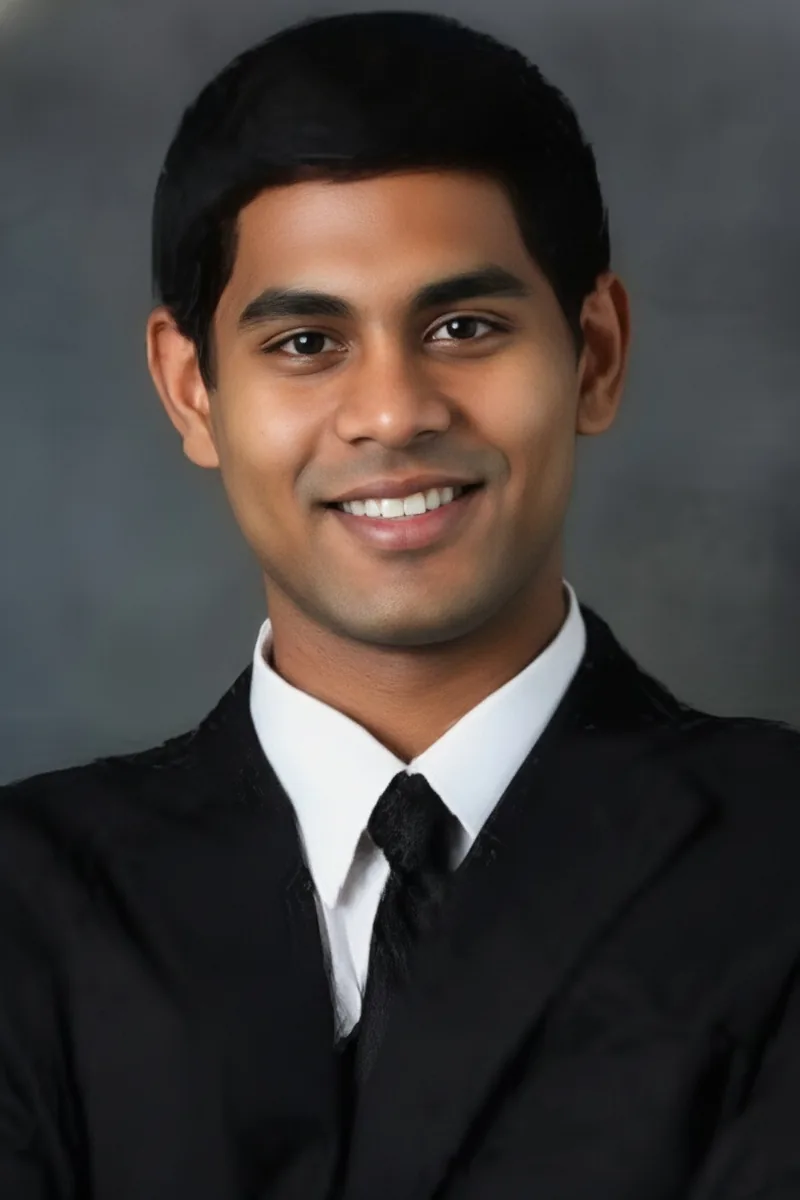
Studying microbiology in preparation for medical school gave Nishad a detailed command of bacterial physiology, viral replication cycles, and immune response pathways. He teaches students to connect structure to function — understanding why Gram-negative bacteria resist certain antibiotics, for instance, by tracing the architecture of their outer membrane.
Bacterial genetics, microbial metabolism, and pathogenesis mechanisms can feel like an overwhelming amount of detail to absorb at once. Akarsh earned both his bachelor's and master's degrees in cellular and molecular biology, so he unpacks microbiology at the molecular level — connecting gene regulation to virulence factors and metabolic pathways in ways that make the material stick.
Josef's life sciences research at Cornell gave him hands-on familiarity with microbial systems, from bacterial cell structure and gram staining to pathogenic mechanisms and antibiotic resistance. He teaches microbiology by linking each organism's biology to its clinical or ecological significance, which makes classification and virulence factors far easier to retain.
Studying microbiology at the college level means juggling bacterial classification, metabolic pathways, virulence factors, and immune response mechanisms all at once. Kristin earned her biology degree at the University of Chicago and now applies microbiology daily in her nursing graduate program at Penn, where pathogen behavior and infection control are part of clinical reality rather than just textbook diagrams.
Garrett's biology degree paired with his coursework in physiology and anatomy means he understands microorganisms in the context of the systems they infect — not as isolated names on a flashcard. He walks through topics like microbial cell structure, pathogen life cycles, and immune evasion strategies by anchoring each organism to the tissue-level damage it actually causes, which turns a massive taxonomy into something students can reason through.
Understanding microbiology means keeping dozens of organisms, metabolic pathways, and virulence mechanisms straight — and knowing when the differences actually matter. Jonathan's human biology training and pre-med preparation at Cornell gave him a clinical lens for bacterial genetics, host-pathogen interactions, and antimicrobial resistance that makes the material more intuitive than rote flashcard review.
Understanding microbiology means more than memorizing bacterial classifications — it requires seeing how metabolic pathways, genetic regulation, and environmental pressures shape microbial behavior. Alec studied genetics, genomics, and development at Cornell and taught biology content in both lecture and small-group settings, giving him a knack for making concepts like quorum sensing or virulence factor regulation feel intuitive rather than overwhelming.
As a second-year medical student with an undergraduate degree in Molecular, Cell, & Developmental Biology from UCLA, Vinay brings clinical context to microbiology topics like bacterial pathogenesis, viral replication cycles, and antimicrobial resistance mechanisms. He connects each organism's structure to its behavior — explaining *why* gram-negative bacteria respond differently to antibiotics, not just *that* they do. His pharmacology knowledge adds an extra layer for students studying micro in a pre-health context.
A Stanford Human Biology degree with a concentration in bioinformatics gave Matthew a computational angle on microbiology — he thinks about microbial populations in terms of gene expression data, genomic analysis, and the quantitative patterns underlying concepts like antibiotic resistance and pathogen evolution. That top-down, systems-level perspective is especially useful for students who struggle to see how individual topics like bacterial metabolism or viral replication fit into the bigger biological picture. Rated 4.9 by students.
Studying cancer biology at the University of Chicago means Jessica spends time with microbial mechanisms at the cellular and molecular level — bacterial gene regulation, pathogenesis, and immune evasion strategies. She unpacks these dense topics by tying them to specific experimental techniques students encounter in their own coursework.
Keeping bacterial classification, virulence factors, and immune evasion strategies straight requires a system, not just flashcards. As a medical student at the Medical College of Wisconsin, Abrahim deals with microbiology in a clinical context daily — he teaches students to organize pathogens by mechanism of action and host response, which makes exam recall far more reliable.
Testimonials
Because the right Microbiology tutor makes all the difference.
Average Session Rating – Based on 3.4M Learner Ratings
Other Charlotte Tutors
Related Science Tutors in Charlotte
Frequently Asked Questions
Microbiology requires understanding invisible organisms and complex processes that can't be observed directly, making it hard to visualize concepts like bacterial reproduction, viral mechanisms, and metabolic pathways. Students often struggle to move beyond memorization of terms and structures to truly grasp how microorganisms function and interact with their environments. Personalized tutoring helps bridge this gap by connecting abstract concepts to real-world applications—like how antibiotic resistance develops or how fermentation works—so the material becomes tangible and meaningful.
Tutors can help you understand the scientific reasoning behind lab protocols, interpret your results accurately, and connect experimental observations to the underlying microbiology concepts. Whether you're learning to use a microscope, prepare cultures, or analyze data from growth curves, personalized instruction helps you develop strong lab skills and scientific thinking—not just follow steps mechanically. This deeper understanding makes lab reports stronger and prepares you for more advanced coursework.
While microbiology does involve learning terminology, successful study focuses on understanding how structures and processes work together. For example, knowing the parts of a bacterial cell is less useful than understanding how the cell wall protects the organism or how flagella enable movement. Tutors help you build conceptual frameworks so you can reason through problems and apply knowledge to new situations—a skill that's essential for exams and future science courses.
Your first session focuses on understanding your current level, learning goals, and specific challenges—whether that's grasping metabolic pathways, preparing for an exam, or strengthening lab skills. The tutor will assess what concepts you understand well and where you need support, then create a personalized plan tailored to your needs. This foundation ensures every future session builds directly on your strengths and addresses your gaps.
Charlotte's diverse school districts teach microbiology with varying approaches and pacing, so tutors work flexibly with your specific curriculum and textbook. Whether you're in a traditional high school biology course, an AP or honors microbiology class, or a college-level microbiology course, personalized instruction adapts to your exact coursework and learning style. This targeted approach helps you master content quickly and build confidence in your understanding.
Tutors use diagrams, animations, models, and real-world examples to make invisible processes visible and understandable. For instance, explaining how a virus replicates or how immune cells recognize pathogens becomes clearer when you can see the mechanisms step-by-step. This visual and conceptual approach helps you build mental models of microbiology processes, making exams and problem-solving much more manageable.
Tutors help you identify high-priority concepts, practice applying knowledge to new problems, and develop test-taking strategies specific to microbiology. Rather than cramming facts, you'll work through practice questions, explain concepts in your own words, and tackle tricky application problems that require deep understanding. This active learning approach builds the confidence and reasoning skills you need to perform well on exams.
Absolutely. Personalized tutoring develops critical thinking alongside content mastery—you'll learn to ask questions about experimental design, interpret data skeptically, and reason through biological problems systematically. These scientific thinking skills transfer across all your science courses and are invaluable for college and careers in healthcare, research, or related fields. A tutor guides you to think like a scientist, not just memorize facts.
Let’s find your perfect tutor
Answer a few quick questions. We’ll recommend the right plan and match you with a top 5% tutor.