Award-Winning German Tutors
serving New York, NY
German
Tutors in New York
Private 1-on-1 tutoring, weekly live classes for academic support, test prep & enrichment, practice tests and diagnostics, and more to elevate grades and test scores.
Based on 3.4M Learner Ratings
UniversitiesSchools & Universities
DeliveredHours Delivered
ProficiencyGrowth in Proficiency
Who needs tutoring?
No obligation. Takes ~1 minute.
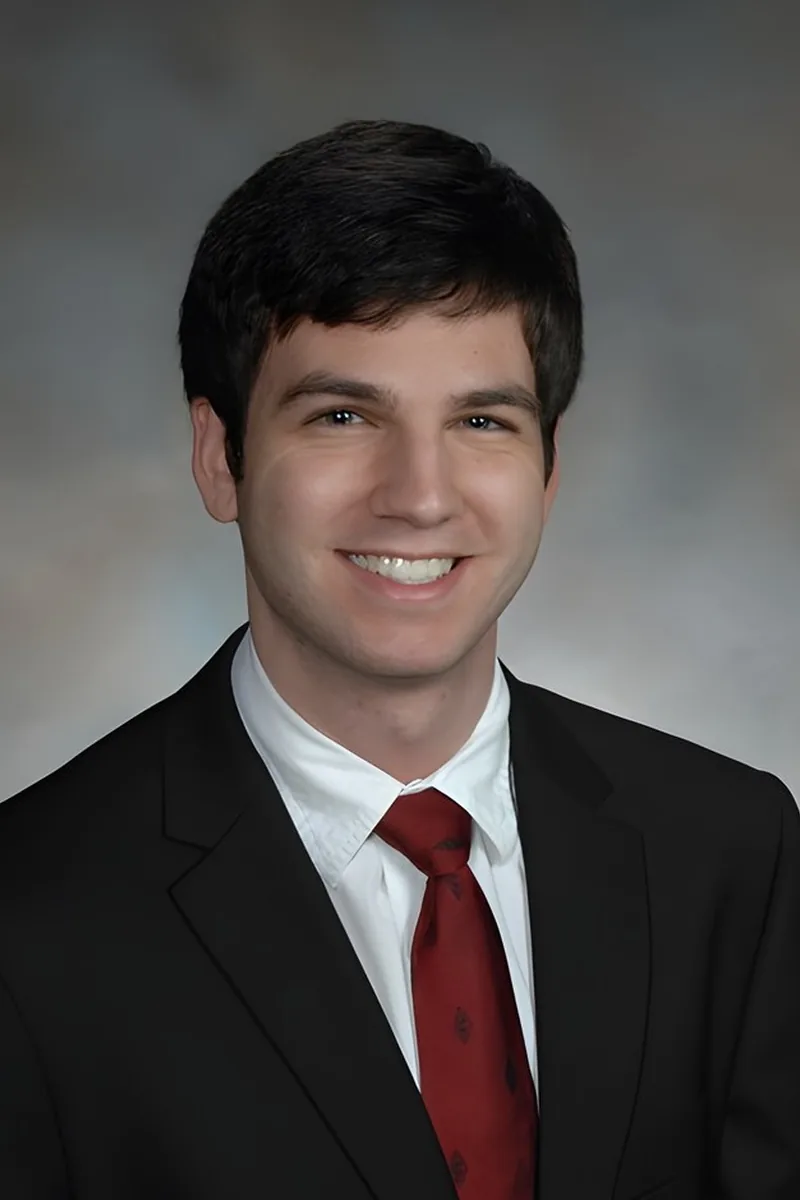
Learning German grammar — cases, verb conjugation, word order — rewards the same kind of systematic pattern recognition that Eric uses in his science background. He tackles tricky concepts like accusative vs. dative case by connecting rules to practical usage, so the logic behind the language starts to feel intuitive rather than arbitrary.

Morgan speaks three languages — Russian, Spanish, and German — which means she's internalized the process of learning a new grammar system from scratch more than once. That multilingual perspective is especially useful for German, where she can draw parallels between Russian's case system and German's four cases to make declensions feel less arbitrary. Rated 4.7 by students.
I am most passionate about helping people learn history, social sciences, and mathematics. I also assist with standardized test prep, primarily with the Reading and Writing sections of the exams. In my spare time, I enjoy photography, hiking and other outdoor activities, and reading about philosophy, evolutionary biology, and human history.
Studying dramatic writing at NYU means Jamie spends every day crafting dialogue, building voice, and thinking about how people actually speak — skills that translate directly into learning a living language like German. Covering German 1 through AP German Language and Culture, Jamie uses that playwright's ear to teach conversational rhythm, natural phrasing, and the sentence structures that make spoken German sound fluent rather than textbook-stiff.
Joseph studied German across multiple levels and brings a linguist's perspective to the language — his NYU degree in Language & Mind means he understands how German grammar actually works structurally, from case systems to word order rules, not just as a set of tables to memorize. He connects each grammatical concept to the underlying logic so that accusative versus dative, for instance, starts to feel intuitive rather than arbitrary.
I am a recent graduate of Brown University. I received my Bachelor of the Arts with honors in Literary Arts. As an undergraduate, I tutored foreign graduate students in order to improve their English and bolster their familiarity with American culture and history. I also served as a teaching assistant and worked one-on-one with elementary school students at Camp Invention, a summer camp providing instruction in math and science. In my experience, the greatest strides for teaching a struggling student are made when the process of learning occurs as a product of conversation rather than rigid instruction and rote memorization. Though I tutor across a variety of subjects my passions are English, Literature, and History. Education, I believe, is a process of empowerment and helping students reach their potential through an engaged and productive pedagogy is something I highly value. In my spare time I enjoy reading, writing, traveling, playing soccer, and learning new languages.
Lisa has studied German through an advanced level, covering everything from case declensions and subordinate clause word order to reading authentic texts. She approaches grammar as a logical system rather than a set of rules to memorize, which makes tricky concepts like dative prepositions and adjective endings feel more predictable. Her 5.0 rating speaks to how well that approach lands.
Willow didn't just study German in a classroom — she earned departmental honors in German Studies at UCLA and spent time at Humboldt Universität Berlin immersed in the language. She tackles grammar concepts like case endings, subordinate clause word order, and verb conjugation patterns by connecting them to how native speakers actually think about sentence structure. That academic depth paired with real immersion experience makes a difference for students at any level.
Learning German means wrestling with case endings, separable verbs, and a sentence structure that puts the verb in places English speakers don't expect. Dan teaches German at multiple levels and brings a literary scholar's sensitivity to how the language actually works — not just memorizing der/die/das tables, but understanding the patterns behind them. He's rated 5.0 and is comfortable with everything from basic conversation to reading German-language texts.
German's case system, separable prefixes, and word order rules intimidate a lot of learners, but Jamie tackles them through immersion in compelling, context-rich material rather than isolated grammar exercises. Students pick up Akkusativ and Dativ distinctions by hearing and reading them repeatedly in stories and cultural content that actually holds their attention. The result is German that sticks because it was acquired, not just memorized.
A Master's degree in Germanic Languages from Columbia, combined with years living and teaching in Austria, means Jacquelyn doesn't just know textbook German — she knows how dative prepositions sound in a Salzburg café and why Konjunktiv II matters in real conversation. She scored highly enough on the SAT Subject Test in German with Listening to tutor it, and she tackles everything from case endings to advanced reading comprehension.
Three levels of German instruction give Ben a clear picture of where students stumble — whether it's navigating noun cases, mastering separable verbs, or building confidence with spoken conversation. He approaches German grammar as a logical system with predictable patterns, which makes concepts like dative prepositions and adjective endings feel less arbitrary and more manageable.
Philipp grew up in Germany and spoke the language natively before moving to the U.S. at age eleven, so his grasp of German grammar — case systems, verb placement, gendered articles — comes from lived fluency rather than textbook study. He covers everything from beginner declension tables to advanced reading comprehension, adjusting to whatever level a student needs.
Being fluent in German and studying it through the lens of computational linguistics gives Justin an unusual ability to explain the language's trickiest features — case endings, separable verbs, subordinate clause word order — as logical systems rather than arbitrary rules. He walks students through German sentence structure the way a programmer would debug code: piece by piece, until the pattern is clear.
Learning German means wrestling with case endings, separable verbs, and word order rules that feel completely alien to English speakers. Corinna teaches German from beginner through advanced levels and approaches grammar as a logical system to decode rather than a set of rules to memorize. Her experience as a classroom teacher in NYC means she's skilled at adjusting explanations on the fly when something isn't landing.
German's case system, separable prefixes, and sentence-final verb placement can feel like a puzzle with no picture on the box. Ethan studied linguistics and has taught German from beginner through advanced levels, so he can explain *why* the dative case exists and how word order rules actually follow predictable patterns. That structural understanding turns grammar from rote memorization into something that makes intuitive sense.
Timothy's German proficiency goes beyond classroom study — he's taken the CLEP German exam and engages with the language across academic and cultural contexts. He tackles tricky areas like case declensions, separable verbs, and subordinate clause word order with the same systematic precision he brings to his physics coursework.
Studying German from introductory courses through an advanced minor, Hailey knows exactly where English speakers stumble — dative prepositions, separable verbs, adjective endings that seem to follow no pattern. She explains the underlying logic of German grammar rather than handing students tables to memorize, which makes new rules easier to internalize and apply.
Amber majored in German at Northwestern, which means she didn't just study the language — she read novels, wrote research papers, and debated in it. She teaches grammar concepts like case endings and word order through pattern recognition, showing students the underlying logic so they can construct sentences on their own instead of relying on memorization tables.
I am a current senior at Davidson College, working towards my B.A. in German Studies and Arab Studies. I have spent many hours tutoring the German and Arabic language to college students. I have spent time abroad in Germany, studying German as a second language with AATG (American Association of Teachers of German). My years of being a camp counselor and babysitter have translated into my teaching methods and style. I encourage young learners to approach problems in multiple ways by retesting previously learned material and encouraging independent thinking. I am a huge believer in discovering answers instead of being told them. I look forward to working with you!
Studying German at Carleton College means Amanda uses the language daily — in coursework, in conversation, and in reading original texts. She walks students through everything from noun cases and gendered articles in German 1 to more complex subordinate clause structures in German 2, building each lesson around practical usage so grammar rules actually stick.
German's case system trips up almost every learner at some point — accusative versus dative prepositions, adjective endings that shift depending on the article, word order rules that feel arbitrary until someone explains the logic. Juliane teaches German at every level from beginner through AP and unpacks these grammar patterns so they become intuitive rather than something to memorize chart by chart.
Carolyn's academic training in theology and religious studies required extensive work with German-language primary texts — a tradition where precise reading comprehension and command of complex sentence structures are non-negotiable. She teaches German 1 through German 4, bringing that text-heavy background to bear on vocabulary acquisition and the grammatical logic behind cases and word order.
As a native German speaker from Austria, Silvia teaches the language the way it's actually spoken — with attention to cases, gendered articles, and verb placement that trips up English speakers most. She tutored her own son in German for four years to maintain his fluency, so she understands exactly where American students stumble with dative versus accusative or separable prefix verbs. Her 5.0 rating speaks to how naturally she makes those tricky grammar patterns stick.
German's case system and word order trip up almost every English speaker, but those patterns become predictable once a student understands the underlying logic. Nicole teaches German at multiple levels — from basic noun genders and accusative/dative distinctions through advanced reading and composition — drawing on her formal linguistics training to make the grammar feel like a puzzle rather than a burden. Her 4.9 rating speaks to how well that analytical approach lands with students.
Katherine studied German throughout her undergraduate years at Boston College alongside her psychology and pre-med coursework, giving her a well-rounded command of grammar, vocabulary, and sentence structure. She breaks down tricky concepts like cases, verb conjugation, and word order in a way that makes the logic of the language click.
Covering German 1 through German 4, Kristina pairs her language study with a Contemporary Studies background that naturally weaves in cultural literacy — giving students context for why Germans say things a certain way, not just how. Her 5.0 rating and pursuit of a Texas teaching certification in German signal someone who takes the language seriously enough to build a career around it.
Sabrina minors in German studies at Princeton and has done physics research at a Max Planck Institute in Germany, so her command of the language extends well beyond the classroom. She tackles everything from case endings and verb conjugation patterns to reading comprehension of authentic German texts.
German's case system and word-order rules intimidate a lot of learners, but Elise approaches them as a linguist — explaining the underlying logic of accusative versus dative, or why the verb jumps to the end in subordinate clauses. Her coursework through German 4 means she can take students from basic declensions all the way through complex literary and academic texts.
Testimonials
Because the right German tutor makes all the difference.
Average Session Rating – Based on 3.4M Learner Ratings
Other New York Tutors
Related Languages Tutors in New York
Frequently Asked Questions
Speaking practice is one of the biggest challenges in traditional classrooms, where students rarely get individual speaking time. Personalized 1-on-1 German tutoring gives you dedicated conversation practice with a tutor who can correct pronunciation, model natural speech patterns, and adjust difficulty in real time. Regular speaking sessions build confidence and fluency much faster than classroom instruction alone, especially when paired with listening to authentic German media and practicing consistently between sessions.
German verb conjugation is challenging because verbs change based on person, tense, and mood—plus irregular verbs break the rules entirely. A tutor can break conjugation patterns into manageable chunks, use spaced repetition to help you retain patterns, and show you how verbs work in real conversation rather than just memorizing tables. With personalized instruction, you'll understand the "why" behind conjugations, making them stick much better than rote memorization.
Vocabulary sticks best when you encounter words in context and use them repeatedly—a principle called retrieval practice. Tutors can help you learn vocabulary through conversation, reading passages relevant to your interests, and strategic review sessions that space out practice over time. Rather than memorizing word lists, you'll build vocabulary naturally through meaningful use, which makes words far more memorable and accessible when you need them.
New York schools generally follow the New York State foreign language standards, which emphasize the five Cs of language learning: communication, cultures, connections, comparisons, and communities. Most students progress through proficiency levels aligned with ACTFL (American Council on the Teaching of Foreign Languages) standards, starting with basic communication and building toward intermediate proficiency. A tutor familiar with New York's curriculum can align support with your school's specific expectations and help you excel on assessments like the New York State Regents exam.
Absolutely. Language and culture are deeply connected—understanding German traditions, history, media, and social norms helps you grasp why certain expressions exist and how native speakers actually communicate. Tutors often weave cultural context into lessons through authentic materials like German films, news articles, and discussions about German-speaking countries. This immersion-style approach makes learning more engaging and helps you develop cultural competence alongside language skills.
Reading and writing require different strategies than speaking and listening. Tutors help you develop reading comprehension by teaching you to recognize grammar patterns and context clues, then gradually introduce more complex texts. For writing, they provide feedback on grammar, sentence structure, and style while helping you express ideas clearly. With personalized guidance, you'll build confidence in both skills and learn to self-correct, which is essential for independent learning.
According to the Foreign Service Institute, reaching professional-level German proficiency typically requires around 750-900 hours of study for English speakers. However, your timeline depends on your starting level, how frequently you study, and your learning goals—conversational ability comes much faster than full fluency. Consistent 1-on-1 tutoring accelerates progress by providing focused instruction and regular speaking practice, helping you reach your specific goals more efficiently than self-study alone.
Yes—pronunciation is one of the clearest benefits of personalized tutoring. Tutors can identify which sounds are challenging for you (like the German "ü" or guttural "r"), model correct pronunciation, and give you immediate feedback as you practice. With consistent guidance and practice, you'll develop more natural-sounding German speech. Many students find that improving pronunciation also boosts listening comprehension, since you become more attuned to authentic German speech patterns.
Let’s find your perfect tutor
Answer a few quick questions. We’ll recommend the right plan and match you with a top 5% tutor.