Award-Winning German Tutors
serving Los Angeles, CA
German
Tutors in Los Angeles
Private 1-on-1 tutoring, weekly live classes for academic support, test prep & enrichment, practice tests and diagnostics, and more to elevate grades and test scores.
Based on 3.4M Learner Ratings
UniversitiesSchools & Universities
DeliveredHours Delivered
ProficiencyGrowth in Proficiency
Who needs tutoring?
No obligation. Takes ~1 minute.
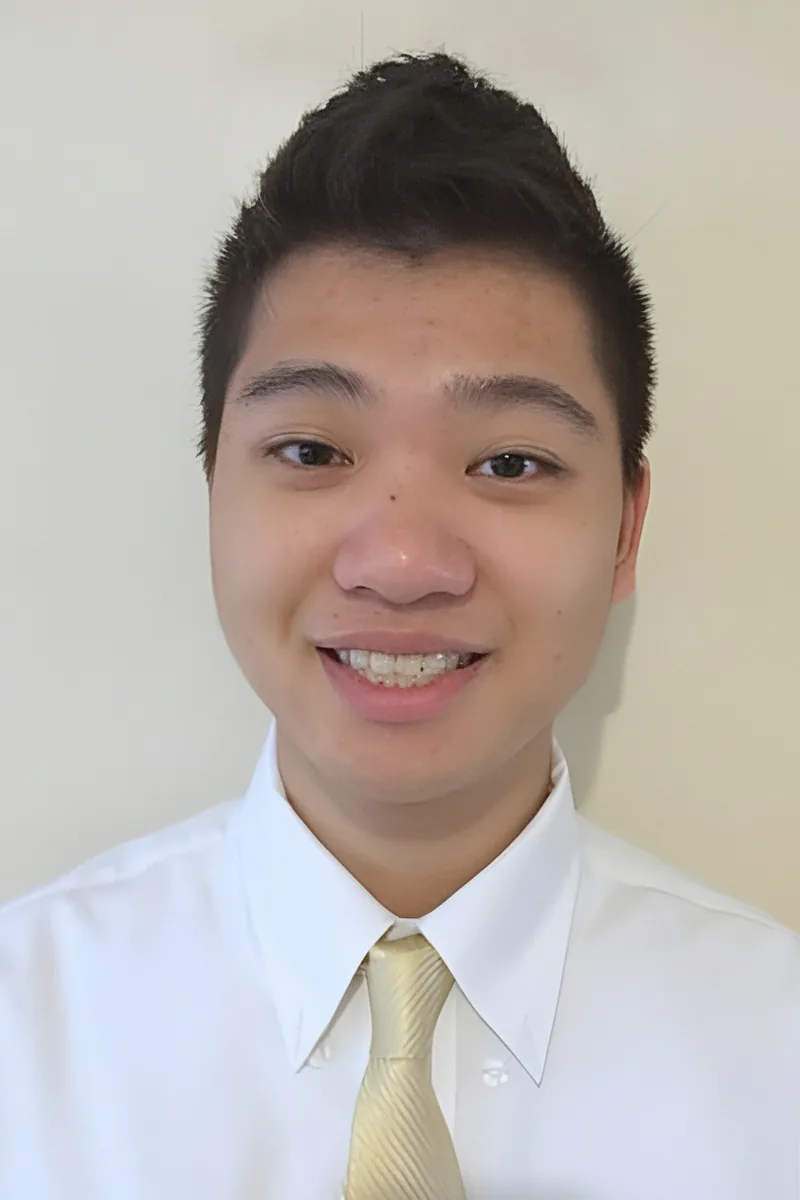
Chris isn't a German specialist, but having studied German 1 through 3 alongside a demanding biomedical engineering courseload at UCLA, he knows what it takes to learn a language efficiently under pressure. He brings an engineer's structured thinking to grammar — breaking down case endings and verb placement into logical patterns that make sense to analytically minded students.
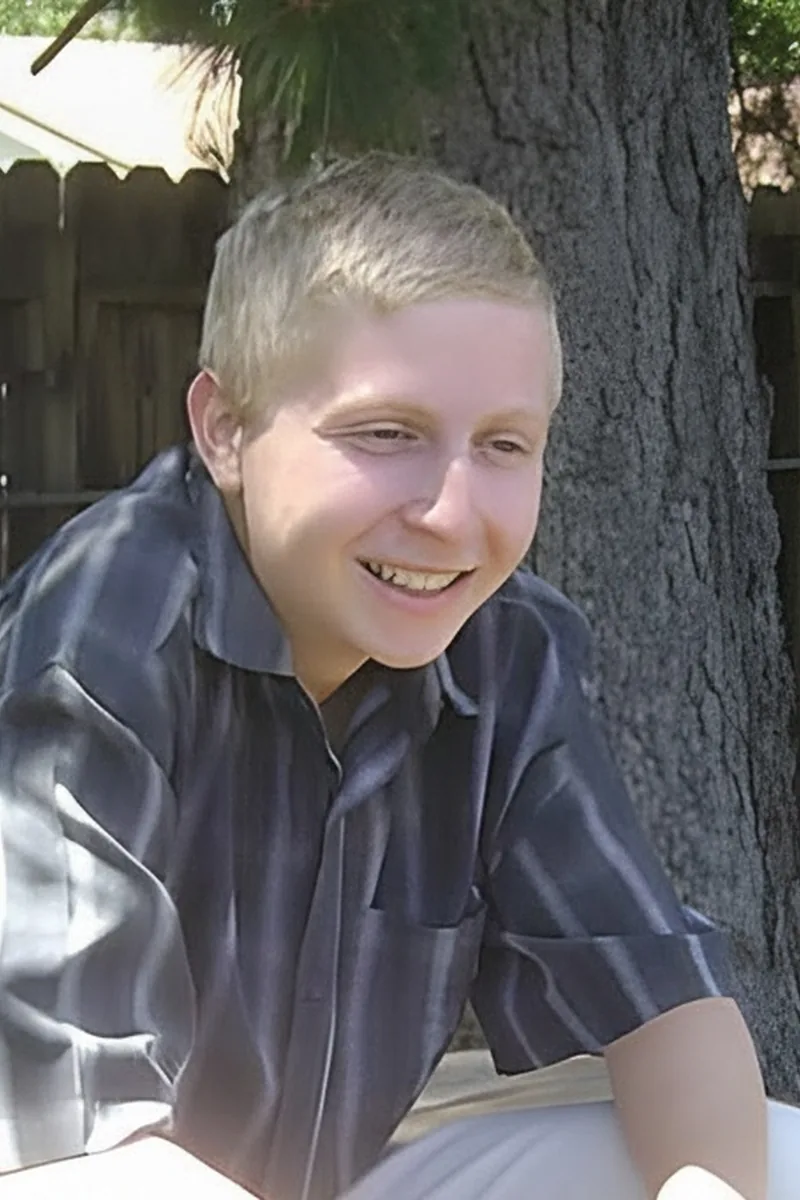
Nathan's primary strength is mathematics, so he approaches German the way he'd approach a proof — methodically, with attention to the underlying structure. That analytical lens is especially useful for tackling conversational German, where students need to internalize word order and verb placement well enough to produce them in real time, not just recognize them on a worksheet.
German's case system and word order trip up almost every English speaker, but those patterns become predictable once a student understands the underlying logic. Nicole teaches German at multiple levels — from basic noun genders and accusative/dative distinctions through advanced reading and composition — drawing on her formal linguistics training to make the grammar feel like a puzzle rather than a burden. Her 4.9 rating speaks to how well that analytical approach lands with students.
German's case system and word-order rules can overwhelm students who try to absorb them all at once. Elizabeth breaks the four cases down methodically — nominative, accusative, dative, genitive — linking each to specific prepositions and verb patterns so students build reliable instincts rather than guessing at endings.
I am a current senior at Davidson College, working towards my B.A. in German Studies and Arab Studies. I have spent many hours tutoring the German and Arabic language to college students. I have spent time abroad in Germany, studying German as a second language with AATG (American Association of Teachers of German). My years of being a camp counselor and babysitter have translated into my teaching methods and style. I encourage young learners to approach problems in multiple ways by retesting previously learned material and encouraging independent thinking. I am a huge believer in discovering answers instead of being told them. I look forward to working with you!
Cornelia teaches German across all four levels, from nominative case basics to navigating subordinate clauses and the subjunctive mood. She integrates games, images, and cultural context into grammar-heavy lessons — an approach that keeps vocabulary and case endings from feeling like pure memorization. Her 5.0 rating speaks to how well that method lands with students.
Amber majored in German at Northwestern, which means she didn't just study the language — she read novels, wrote research papers, and debated in it. She teaches grammar concepts like case endings and word order through pattern recognition, showing students the underlying logic so they can construct sentences on their own instead of relying on memorization tables.
Willow didn't just study German in a classroom — she earned departmental honors in German Studies at UCLA and spent time at Humboldt Universität Berlin immersed in the language. She tackles grammar concepts like case endings, subordinate clause word order, and verb conjugation patterns by connecting them to how native speakers actually think about sentence structure. That academic depth paired with real immersion experience makes a difference for students at any level.
Between her Northwestern coursework and studies in German-language opera repertoire — from Mozart to Strauss — Ilana developed a working fluency that goes beyond classroom German. She tackles tricky grammar concepts like case endings and separable verbs by connecting them to patterns students already recognize, making the logic of German sentence structure feel less foreign. Rated 5.0 by students.
Carolyn's academic training in theology and religious studies required extensive work with German-language primary texts — a tradition where precise reading comprehension and command of complex sentence structures are non-negotiable. She teaches German 1 through German 4, bringing that text-heavy background to bear on vocabulary acquisition and the grammatical logic behind cases and word order.
Teaching German at every level from beginner to advanced, Nadja is a native-level speaker who understands the grammar hurdles — case endings, separable verbs, subordinate clause word order — that trip up English speakers most. She integrates conversation practice with structured grammar drills so students build fluency and accuracy at the same time.
Earning a PhD in German at Harvard means Zachary has spent years reading, writing, and thinking in the language — from Kant's dense philosophical prose to contemporary academic discourse. He teaches grammar not as a set of rules to memorize but as a system with its own internal logic, making case endings and word order click for students at every level. Whether the goal is passing a college course or reading Goethe in the original, he knows how to get there.
Three levels of German instruction give Ben a clear picture of where students stumble — whether it's navigating noun cases, mastering separable verbs, or building confidence with spoken conversation. He approaches German grammar as a logical system with predictable patterns, which makes concepts like dative prepositions and adjective endings feel less arbitrary and more manageable.
German's case system and word order trip up almost every learner at some point — accusative versus dative, verb placement in subordinate clauses, adjective endings that seem to follow no pattern. Jhanelle, who holds a degree in German Studies, breaks these grammar rules into logical systems and builds conversational confidence alongside them so students can actually use what they learn.
Testimonials
Because the right German tutor makes all the difference.
Average Session Rating – Based on 3.4M Learner Ratings
Nearby German Tutors
Other Los Angeles Tutors
Related Languages Tutors in Los Angeles
Frequently Asked Questions
Speaking practice is one of the biggest challenges in traditional classroom settings, especially with Los Angeles's average student-teacher ratio of 19:1. Personalized 1-on-1 instruction with a German tutor gives you dedicated conversation time to build confidence, refine pronunciation, and develop natural fluency. Your tutor can focus on your specific accent patterns and help you think in German rather than translating from English.
German has complex verb conjugation patterns across multiple tenses and moods, plus the challenge of separable verbs and subjunctive forms—this trips up most learners. A tutor can break down these patterns systematically, show you the underlying logic, and give you targeted practice so conjugation becomes automatic rather than something you have to think through. They'll also help you recognize patterns in context rather than memorizing rules in isolation.
Research on learning science shows that spaced repetition and retrieval practice are far more effective than cramming. A tutor can help you build a personalized vocabulary system, use words in meaningful conversations, and revisit challenging terms strategically over time. They'll also teach you how German word structure and etymology can help you remember new vocabulary—for example, understanding common prefixes and suffixes unlocks dozens of related words.
Language and culture are inseparable—understanding German traditions, media, and communication styles makes the language stick better and helps you sound more natural. Tutors can weave cultural context into lessons through authentic materials like German films, news, literature, and real-world scenarios. This immersion-style approach helps you learn how Germans actually communicate, not just textbook German.
Strong reading and writing require different strategies than conversation. A tutor can guide you through authentic German texts at your level, teach you to recognize grammatical structures in context, and give you feedback on your writing that goes beyond what automated tools offer. They'll help you understand nuance, idioms, and formal vs. informal registers—skills that take time to develop but are essential for fluency.
Your first session is about building a foundation for your learning. Your tutor will assess your current level across all four skills—reading, writing, speaking, and listening—and learn about your specific goals, whether that's conversational fluency, exam preparation, or professional proficiency. They'll create a personalized plan tailored to your pace and learning style, so you start making progress immediately.
Look for tutors with native or near-native fluency, teaching experience, and expertise in the specific areas you need—whether that's conversational German, grammar, or exam prep like AP German or IB. Ideally, your tutor should have experience working with Los Angeles students and understand the local school curriculum. Varsity Tutors connects you with vetted German tutors who meet these standards and can adapt their teaching to your learning style.
The timeline depends on your starting point and how much you practice. The Foreign Service Institute estimates that English speakers need roughly 750 hours of study to reach professional proficiency in German. With consistent personalized tutoring combined with your own practice, most students see noticeable improvement in conversation within 3-6 months and can reach intermediate fluency within a year. Your tutor will help you set realistic milestones and track progress along the way.
Let’s find your perfect tutor
Answer a few quick questions. We’ll recommend the right plan and match you with a top 5% tutor.