Award-Winning French Tutors
serving Chicago, IL
Award-Winning
French
Tutors in Chicago
Private 1-on-1 tutoring, weekly live classes for academic support, test prep & enrichment, practice tests and diagnostics, and more to elevate grades and test scores.
Based on 3.4M Learner Ratings
UniversitiesSchools & Universities
DeliveredHours Delivered
ProficiencyGrowth in Proficiency
Who needs tutoring?
No obligation. Takes ~1 minute.
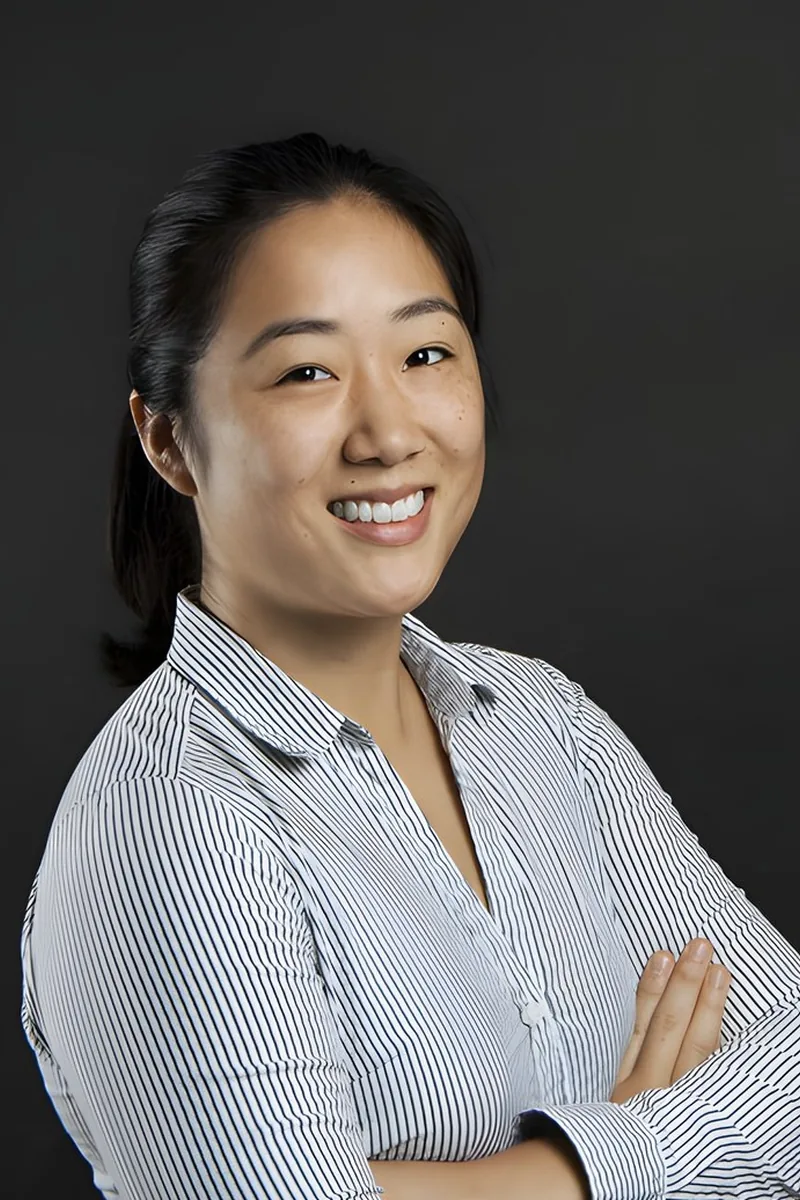
While French isn't Asta's primary language specialty, her background in language instruction — including ESL/ELL and Mandarin — means she understands how grammar systems work across languages and how to make verb conjugations and gendered nouns click for English speakers. She brings a structured, analytical approach to building reading and writing skills in French.
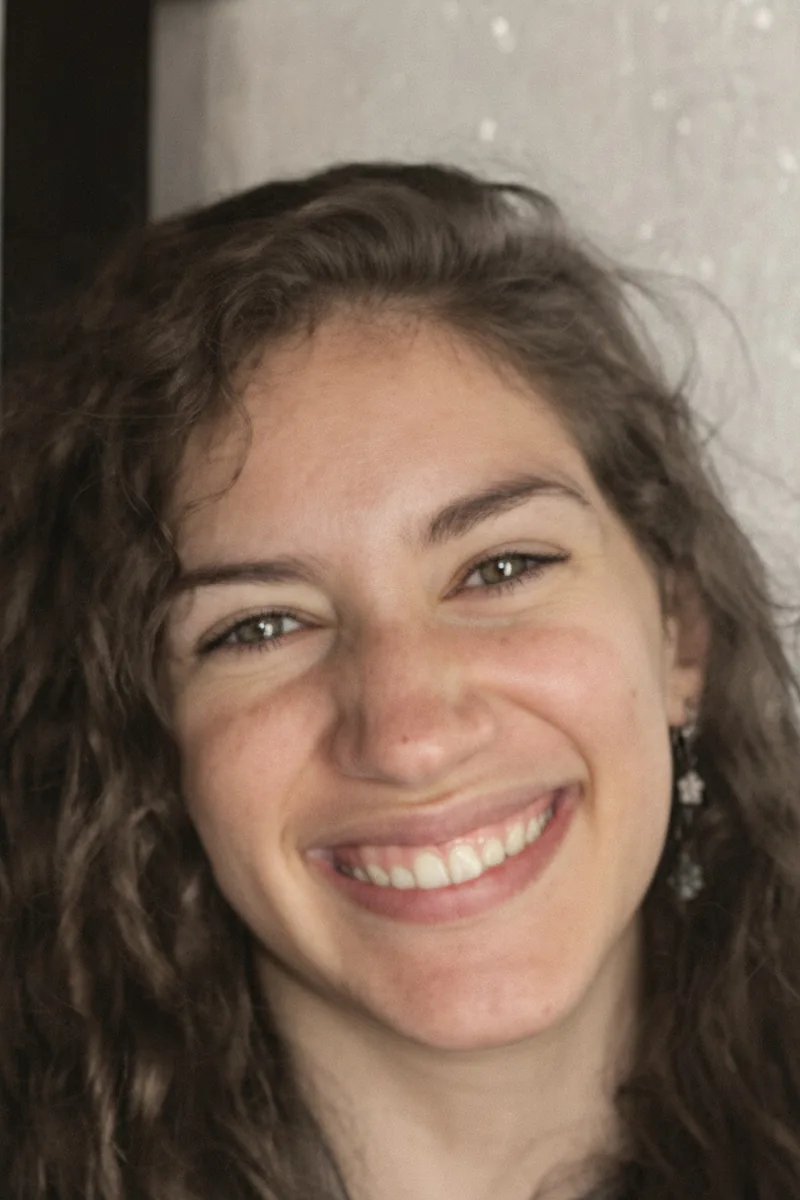
Grammar tables and verb conjugations only stick when they're connected to actual communication, not drilled in isolation. Ruthie teaches French by linking structures like the passé composé and imparfait to the situations where each one naturally appears, building both accuracy and confidence. Her 5.0 rating speaks to an approach that keeps students engaged rather than overwhelmed.
While French isn't John's primary academic focus, his University of Chicago liberal arts education included substantial engagement with foreign language study. He approaches French grammar with the same structural logic he applies to mathematics — breaking conjugation patterns, pronoun placement, and tense usage into clear, systematic rules that are easier to internalize and apply.
Learning a second Romance language becomes dramatically easier when you already think in one. Michael's deep fluency in Spanish — backed by a BA and classroom teaching experience — gives him an intuitive grasp of French grammar structures like the subjunctive, object pronoun placement, and gendered nouns that share Latin roots with their Spanish counterparts. He uses those cross-language connections to make French click faster for students.
Learning French grammar — verb conjugations, gendered nouns, the dreaded subjunctive — clicks faster when someone breaks the patterns down systematically. Aaron approaches French the same way he approaches any structured problem, drawing on his analytical training in organizational behavior to make rules feel logical rather than arbitrary. Rated 5.0 by students, he's a strong fit for beginners building confidence with the language.
Sammy earned his degree in French Language and Literature from the University of Jordan and then worked as an interpreter for the French Institute for the Near East, affiliated with France's embassy in Amman. That combination of academic grammar training and real-world professional usage means he can teach everything from passé composé vs. imparfait to formal written composition with equal confidence. He tailors each session to a student's specific goal, whether that's acing a school exam or preparing for AP French.
Callie is pursuing a French minor at the University of Chicago and has tutored French from middle school through high school levels. She tackles verb conjugations, gendered nouns, and conversational fluency by weaving grammar drills into real reading and dialogue practice so the rules actually stick.
Three levels of French coursework give Rebecca range across beginner grammar and intermediate conversation alike. She approaches the language with structured practice — verb conjugation drills, listening comprehension exercises, and building vocabulary through thematic contexts like travel and daily life rather than isolated word lists.
Maggy earned her bachelor's degree in French and teaches across all levels — from French 1 basics like present-tense conjugation through the advanced reading and composition work in French 4. Her theatre background also sharpens her conversational instruction, since she treats pronunciation and spoken fluency as performance skills that improve with deliberate, repeated practice. Rated 5.0 by students.
Before studying linguistics at the University of Chicago, Araxie tutored French at Whitney Young High School — so she's been teaching this language for years. She breaks down tricky concepts like gendered nouns, passé composé versus imparfait, and pronoun placement by connecting grammar rules to how French is actually spoken and read. Currently learning her fourth language, she brings a learner's empathy alongside real structural knowledge of how French works.
Sarah studied French formally through a bachelor's degree and continues to use the language in her graduate work. She tackles everything from verb conjugation patterns and gendered agreement to reading comprehension of authentic French texts, adjusting her approach depending on whether a student needs to nail grammar fundamentals or push toward fluency.
Emily's French instruction covers everything from verb conjugation patterns and pronoun placement to reading comprehension and composition. Having studied the language through advanced coursework at Oberlin, she explains grammar rules in ways that actually make the logic of French click rather than feel like arbitrary memorization.
Testimonials
Because the right French tutor makes all the difference.
Average Session Rating – Based on 3.4M Learner Ratings
Nearby French Tutors
Other Chicago Tutors
Related Languages Tutors in Chicago
Frequently Asked Questions
Speaking practice is one of the biggest challenges in traditional classrooms, where students often get limited opportunities to talk. With personalized 1-on-1 instruction, you get dedicated conversation time with a tutor who can correct your pronunciation, help you think through responses, and adjust the difficulty in real time. This consistent speaking practice—combined with active listening exercises—builds confidence and fluency much faster than classroom-only learning.
French has complex verb conjugation patterns across multiple tenses, which can feel overwhelming when memorized as isolated rules. Expert tutors teach conjugation through context and patterns rather than rote memorization, showing you how verbs actually function in real sentences and conversations. This approach helps the patterns stick and makes conjugation feel less like a puzzle to solve and more like a natural part of speaking.
Spaced repetition and using words in meaningful contexts are key to retention. Tutors help you learn vocabulary through real conversations, reading, and writing exercises rather than flashcard lists alone, which strengthens your memory and helps you actually use the words. They can also tailor vocabulary to your interests—whether that's travel, business, or literature—so you're learning words that matter to you.
Yes. While full immersion requires living in a French-speaking environment, personalized tutoring can create an immersion-like experience by conducting lessons primarily in French, introducing cultural context, and building your ability to think in the language rather than translate. Tutors can also incorporate French media, authentic texts, and cultural discussions to deepen your understanding beyond grammar and vocabulary.
Tutors in Chicago are familiar with Illinois learning standards and the French curricula used across the city's 12 school districts. Whether you're in a public school, charter, or private program, a tutor can align instruction with your specific coursework, help you prepare for assessments, and fill gaps in skills like reading comprehension, essay writing, or oral presentations that your classroom covers.
Pronunciation requires ear training and mouth muscle memory that's hard to develop alone. Tutors listen carefully to how you're pronouncing sounds, identify which phonemes are challenging for English speakers, and give you targeted feedback and exercises to refine your accent. Regular practice with immediate correction helps you adjust your speech patterns and build confidence speaking naturally.
Reading and writing require different skills than speaking and listening—you can read and write accurately while struggling to understand spoken French or express yourself conversationally. A well-rounded tutor develops all four skills, using reading and writing to reinforce grammar and vocabulary, while building your ability to process and produce spoken French in real time. This balanced approach prepares you for real-world use of the language.
Your first session is an assessment and planning conversation. The tutor will ask about your current level, goals (whether that's passing a class, preparing for AP French, or conversational fluency), and any specific challenges you're facing. From there, they'll create a personalized plan that targets your needs and uses teaching methods that work best for how you learn, so every session after that is focused and productive.
Let’s find your perfect tutor
Answer a few quick questions. We’ll recommend the right plan and match you with a top 5% tutor.