Award-Winning Essay Editing Tutors
serving Queens, NY
Essay Editing
Tutors in Queens
Private 1-on-1 tutoring, weekly live classes for academic support, test prep & enrichment, practice tests and diagnostics, and more to elevate grades and test scores.
Based on 3.4M Learner Ratings
UniversitiesSchools & Universities
DeliveredHours Delivered
ProficiencyGrowth in Proficiency
Who needs tutoring?
No obligation. Takes ~1 minute.
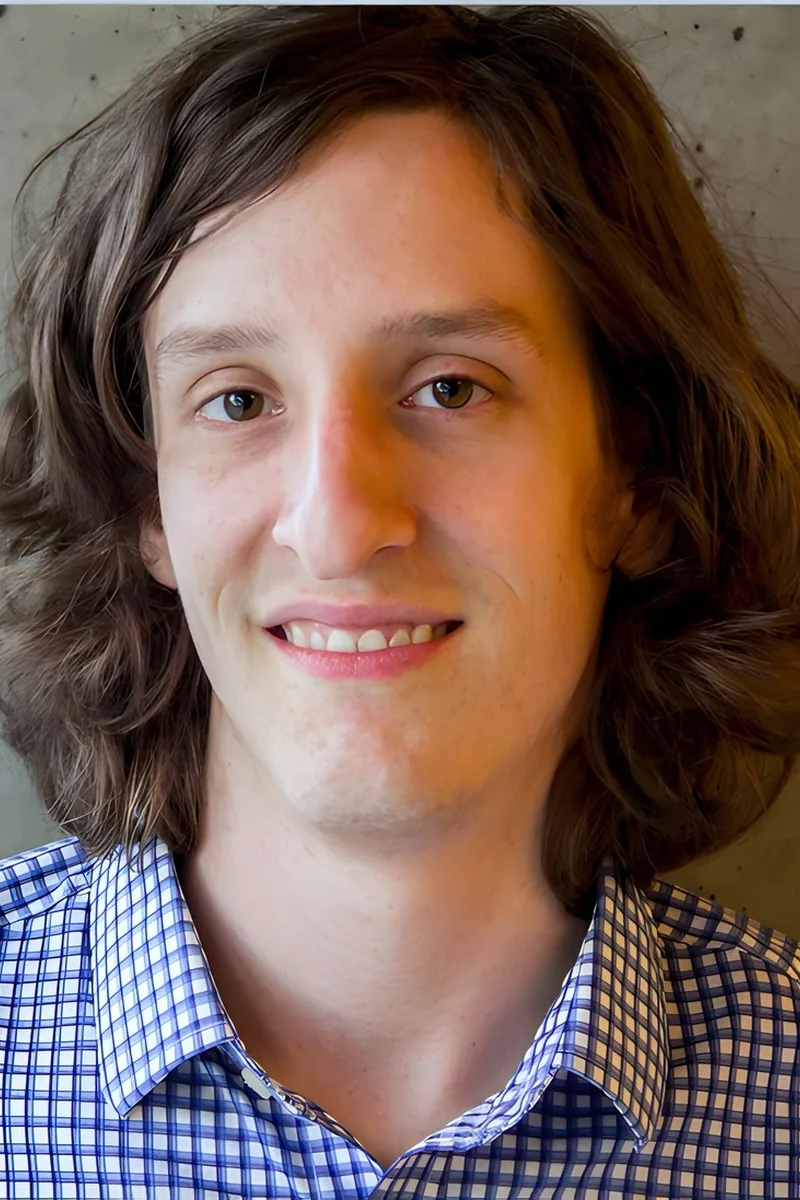
Good editing isn't just fixing commas — it's hearing the rhythm of a sentence and knowing when something sounds off. Jacob's playwriting training at NYU sharpened his ear for prose that drags, arguments that wander, and transitions that don't land. He walks through drafts line by line, teaching students to diagnose their own weak spots in structure, clarity, and voice.
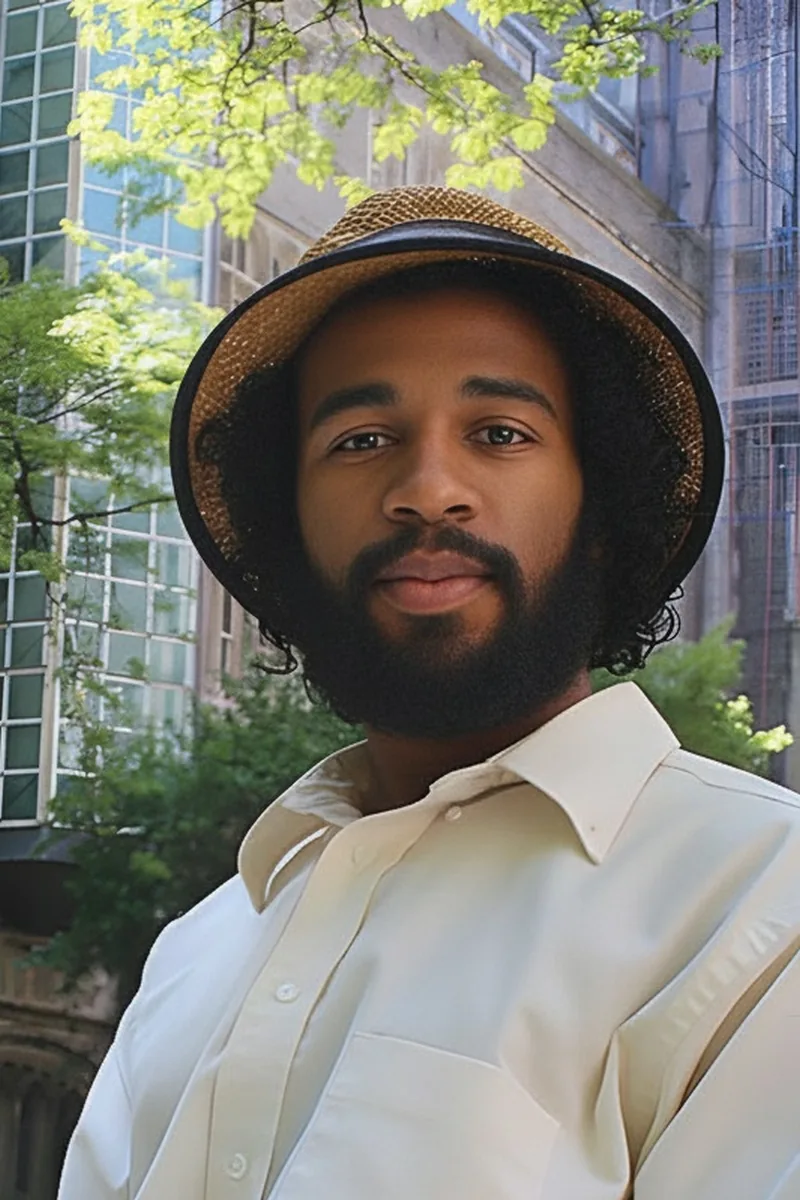
Editing someone else's essay requires a different skill set than writing your own, and Alexander does both professionally — as a freelance writer and as a foreign sub-editor at a daily newspaper. He teaches students to diagnose their own drafts for structural problems like buried thesis statements, weak transitions, and paragraphs that argue two things at once.
Good editing isn't just fixing commas — it's rethinking structure, cutting filler, and sharpening an argument until every paragraph earns its place. Molly does this professionally as a writer and university-level writing instructor, and she teaches students to read their own drafts with that same editorial eye.
Good editing goes beyond fixing commas; it asks whether each paragraph earns its place in the argument. Mimi reads student drafts with an eye for both structural coherence and sentence-level clarity, offering targeted feedback on transitions, evidence integration, and voice. Her background spans academic, creative, and admissions writing.
Strong writing is really about clear thinking, and Nina's training in biostatistics has made her ruthless about logical structure, precise language, and eliminating fluff. She's especially useful for students revising research papers, application essays, or any writing that needs to present a tight argument. Every edit comes with an explanation of why the change strengthens the piece.
Good editing isn't just catching comma splices — it's asking whether each paragraph actually advances the argument. Reid breaks the revision process into layers: first structure and logic, then clarity at the sentence level, then mechanics. His PhD training at Harvard required producing and refining academic writing under tight deadlines, and he brings that same systematic eye to student drafts.
Good editing is more than fixing typos — it's restructuring a paragraph so the argument actually lands, cutting the sentence that sounded smart but says nothing, and tightening transitions between ideas. Solange approaches each draft with the critical eye she developed through years of academic writing at Harvard and her work reviewing application materials in the admissions office.
Good essay editing goes beyond catching comma splices — it asks whether each paragraph earns its place and whether the argument actually progresses from one point to the next. Liz digs into structure, transitions, and evidence use before touching surface-level grammar, teaching students to self-edit with a hierarchy of concerns. Her humanities training at Washington University in St. Louis means she's comfortable editing across disciplines, from history research papers to personal narratives.
Strong analytical writing is a skill Justin honed across years of academic work at Washington University in St. Louis and the University of Chicago, where crafting clear arguments from complex ideas was a daily requirement. He brings that precision to essay editing — tightening thesis statements, restructuring paragraphs for logical flow, and cutting the filler that weakens an argument. Rated 5.0 by students.
Good editing goes beyond fixing commas; it asks whether each paragraph earns its place and whether the argument actually moves forward. Sabira's dual background in analytical writing and STEM-style precision makes her especially sharp at tightening thesis statements, smoothing transitions, and cutting filler without losing the writer's voice.
Strong editing goes beyond fixing commas — it means tightening argument structure, eliminating redundancy, and making sure every paragraph earns its place. James sharpens essays at both the sentence level (clarity, grammar, flow) and the structural level (thesis development, evidence integration, transitions). His experience editing personal statements for medical school and college admissions gives him a keen eye for what makes writing persuasive.
Daniel's editing process starts with voice — making sure the writer's personality and intent come through clearly before touching a single comma. His background writing college essays and application materials means he knows how to preserve what makes a piece sound like its author while trimming the clutter that buries the point. Rated 5.0 by students.
Good editing goes beyond catching typos; it means tightening an argument, smoothing transitions, and making sure every paragraph earns its place. Sherry's experience at 826, a literacy education organization, gave her years of practice reading student drafts across genres and skill levels. She pinpoints exactly where a piece loses clarity and shows the writer how to fix it — whether it's a high school research paper or a graduate school application.
Good editing goes beyond catching comma errors — it means tightening argument flow, eliminating redundancy, and making sure each paragraph earns its place. Sung approaches essay editing by first identifying the core claim a student is trying to make, then restructuring and refining sentence by sentence to sharpen that argument. His background in both scientific writing and creative reading gives him a versatile editorial eye, and his 5.0 rating speaks to the results.
Good editing is more than fixing commas. Jennifer treats revision as a structural exercise: Does this paragraph earn its place? Does the transition actually connect two ideas, or just sit between them? Her MAT training at NYU sharpened her ability to diagnose what's not working in a draft and explain exactly how to fix it.
Good editing isn't just fixing commas — it's diagnosing whether a paragraph actually earns its place in the argument. Josef approaches revision structurally first, checking that each section's logic holds up before tightening sentence-level clarity and tone. His 5.0 client rating speaks to the care he puts into each draft.
A good essay edit isn't just about fixing commas — it's about tightening an argument so every paragraph earns its place. Maya breaks drafts down at the structural level first, examining thesis clarity, evidence integration, and paragraph transitions before moving into sentence-level polish. Her Yale writing background means she knows what sharp academic prose looks like across disciplines.
Good essay editing goes beyond fixing comma splices — it means tightening an argument so every paragraph earns its place. Jai's experience writing at Stanford and crafting high-stakes documents in management consulting sharpened his ability to spot where an essay loses its reader and restructure it for clarity and impact.
Good editing isn't just catching comma splices — it's recognizing when a paragraph buries its strongest idea or when a transition leaves the reader stranded. Julie approaches every draft with a structural eye first, then tightens at the sentence level, teaching students to internalize the revision process rather than depend on someone else's red pen.
Editing an essay well requires seeing both the big picture — argument, structure, flow — and the sentence-level details like clarity and word choice. Matthew approaches revision methodically, walking students through their drafts in layers: first tightening the thesis and organization, then sharpening individual paragraphs and transitions.
A novel written under Joyce Carol Oates's mentorship, a creative writing award from Princeton, and years of professional writing have given Sash a sharp editorial eye. When editing student essays, Sash zeroes in on argument structure and paragraph-level logic first — making sure each claim earns its place — before tightening sentence-level issues like transitions, word choice, and clarity.
Good editing isn't just catching comma splices — it's hearing where an argument loses the reader and knowing how to restructure it. Zosia approaches each draft by identifying the single biggest thing holding it back, then works outward from there, covering clarity, transitions, and tone. Her 4.9 rating speaks to how much students value that targeted feedback.
Meghan edits professionally at a trade magazine, which means she revises real prose under real deadlines every week. She applies that same eye to student work — tightening thesis statements, restructuring paragraphs for logical flow, and cutting filler — while explaining each change so students internalize the reasoning behind it.
Good editing is about more than catching comma splices — it's about hearing where a sentence loses momentum or where an argument buries its strongest point. Vivian walks through drafts at both the structural and line-editing level, teaching students to diagnose issues like weak thesis statements, unclear transitions, and passive constructions on their own. Her 4.9 rating speaks to how quickly students sharpen their revision instincts.
Most students know their draft needs work but can't pinpoint what's off — is it the argument's logic, the paragraph structure, or just awkward phrasing? Garrett tackles essay editing by diagnosing the biggest structural issue first, then moving to sentence-level clarity, so revisions feel purposeful rather than overwhelming. He's edited across academic disciplines, from lab reports to literary analyses, and adjusts his feedback to match each assignment's expectations.
Editing an essay well means more than catching typos — it means tightening arguments, cutting filler, and making sure every paragraph earns its place. Richard's Government coursework at Harvard requires constant revision of analytical writing, and his experience with college essays gives him a sharp eye for structure, clarity, and persuasive flow.
Good editing is more than fixing commas — it's figuring out where an argument loses the reader, where a paragraph buries its point, and where a sentence tries to do too much at once. Ayako approaches each draft at the structural level first, then tightens language and mechanics in a second pass. Her English training at Trinity College Dublin makes her especially sharp on academic and application essays.
Good editing isn't just catching comma splices — it's recognizing where an argument loses its thread or where a paragraph buries its strongest sentence. Ian reads drafts with an eye for logical structure, clarity, and voice, then walks through revisions so the writer understands the reasoning behind every change. His experience editing college essays and academic writing makes the feedback specific and actionable.
Editing someone else's essay requires a different skill set than writing your own, and MaryAnn treats it as a teachable craft. She walks through each draft looking at argument structure first, then paragraph-level coherence, then sentence clarity — so students learn to self-edit long after the session ends.
Good essay editing goes beyond circling comma splices; it asks whether each paragraph earns its place and whether the argument actually moves forward. Moon reads drafts the way a philosophy seminar reads papers — testing every claim for clarity, coherence, and evidence — then walks writers through targeted revisions that tighten structure without erasing their voice.
Editing someone else's essay is a different skill than writing one — it requires reading for structure, clarity, and argument before touching a single comma. Rachel approaches each draft by first identifying whether the thesis actually does what the assignment asks, then working outward to paragraph organization and sentence-level revision. Her background in writing and history means she can edit across disciplines, from lab reports to personal statements.
Good editing isn't just fixing commas — it's figuring out whether each paragraph earns its place and whether the argument actually lands. Brian's two years editing opinion columns at Stuyvesant trained him to spot structural weaknesses, unclear thesis statements, and logical gaps quickly. He walks through drafts at both the sentence level and the big-picture level so the final version reads as sharply as possible.
Editing someone else's essay is a skill; editing your own requires a completely different set of eyes. Emma teaches students a structured self-revision process — checking argument logic first, then paragraph transitions, then sentence-level clarity — so they stop just proofreading for typos and start strengthening their actual ideas. Her Harvard training in scientific writing, where precision matters enormously, makes her especially effective at tightening wordy or unfocused drafts.
Editing an essay well means more than fixing commas; it means asking whether each paragraph actually earns its place in the argument. Vansh approaches revision as a structural exercise first — examining thesis clarity, evidence selection, and logical flow — before tightening sentence-level grammar and word choice. That top-down method keeps students from polishing prose that doesn't yet say what it needs to.
A strong essay usually isn't rewritten — it's restructured. Tony breaks the editing process into discrete passes: one for argument and thesis clarity, another for paragraph-level logic, and a final sweep for sentence-level precision and grammar. His experience advising Yale freshmen on academic writing gave him a sharp eye for the gap between what a writer means and what actually lands on the page.
Good editing isn't just fixing commas — it's restructuring an argument so each paragraph does real work. Noah approaches essay revision by first evaluating thesis clarity and logical flow, then tightening prose at the sentence level. His background in political science writing at Penn means he's spent years sharpening arguments under strict word limits.
A strong essay becomes stronger when someone can pinpoint exactly where the argument loses momentum or where a transition falls flat. Mica's background writing research papers across anthropology and science studies at Stanford trained her to edit for both structural coherence and sentence-level clarity — skills she applies whether the piece is a personal narrative or an analytical paper.
A strong essay isn't just error-free — it has an argument that builds momentum from sentence to sentence. Matthew edits for structural logic first, showing students how to tighten thesis statements, cut redundant paragraphs, and sharpen transitions before polishing at the word level. As a working songwriter and Stanford grad, he has a keen ear for voice and rhythm in prose.
Strong essay editing goes beyond fixing commas — it means restructuring a paragraph so the argument actually lands. Allen zeroes in on thesis clarity, logical transitions between claims, and whether each piece of evidence is doing real work or just taking up space. His experience reviewing college application essays and academic writing at Yale gives him a sharp eye for what tightens a draft versus what clutters it.
Good essay editing goes beyond fixing commas — it means evaluating whether each paragraph earns its place and whether the thesis actually threads through every section. Judah approaches revision structurally first, tightening arguments and cutting filler, then moves to sentence-level clarity and grammar. His own writing practice across both scientific and creative contexts gives him a sharp eye for tone and precision.
Testimonials
Because the right Essay Editing tutor makes all the difference.
Average Session Rating – Based on 3.4M Learner Ratings
Nearby Essay Editing Tutors
Other Queens Tutors
Related English Tutors in Queens
Frequently Asked Questions
During an essay editing session, a tutor will work through your draft with you, identifying areas for improvement across multiple dimensions: argument clarity, organization, grammar, and style. Rather than simply marking errors, tutors help you understand why a revision strengthens your writing, so you can apply those lessons to future essays.
A typical session might focus on one or two key areas—perhaps tightening your thesis statement and strengthening topic sentences, or refining your evidence integration and transitions. This personalized approach ensures you're making meaningful progress rather than getting overwhelmed with corrections.
Many students struggle with thesis statements because they're unsure how specific to be or how to balance ambition with clarity. A tutor can help you move from a general observation to a specific, arguable claim that actually guides your essay. This might involve asking clarifying questions about your main point, helping you identify what's debatable about your topic, and ensuring your thesis is specific enough to support with evidence.
A strong thesis becomes the foundation for everything else—better organization, clearer topic sentences, and more focused paragraphs all follow naturally from a solid thesis statement.
Organization issues often stem from unclear connections between ideas or paragraphs that don't support your main argument. A tutor will help you identify your key points, arrange them in a logical sequence, and strengthen transitions so readers can follow your reasoning. Sometimes this means reordering paragraphs, cutting off-topic content, or adding bridge sentences that explain how ideas connect.
Once you see the bigger structure of your essay clearly mapped out, revising for flow becomes much more manageable—and your argument will be significantly more persuasive.
Ideally, both—but tutors typically prioritize them strategically. Early drafts benefit most from focusing on big-picture issues: argument strength, organization, and clarity of ideas. Once those are solid, grammar and style refinements make a real impact. There's little point perfecting sentence-level grammar in a paragraph that might be cut for organization reasons.
That said, some grammar issues (like run-on sentences or unclear pronoun references) directly affect clarity and should be addressed alongside structural feedback. A tutor helps you tackle problems in the right order so your revision time is spent most effectively.
Yes. Many students find citation formatting tedious or confusing, especially when managing multiple sources. A tutor can clarify the differences between MLA, APA, and Chicago style, show you how to format in-text citations correctly, and help you build an accurate Works Cited or References page. Beyond just formatting rules, tutors can also help you integrate quotes smoothly into your writing so citations feel natural rather than awkward.
Getting citations right matters for both academic integrity and credibility—and it's one of those learnable skills that makes a measurable difference in your final grade.
Self-editing is a skill that improves with practice and clear strategies. A tutor can teach you techniques like reading your essay aloud to catch awkward phrasing, reviewing one element at a time (first argument strength, then organization, then grammar), and using peer feedback or rubrics to guide revision. They'll also help you develop a critical eye by explaining what makes certain revisions effective.
Working with a tutor on several essays gives you a chance to see patterns in your own writing—recurring grammar mistakes, organizational habits, or argumentation weaknesses—so you can target those areas independently in future work.
Literary analysis essays require a different skill set than persuasive or expository writing. Instead of simply stating a claim, you need to build an argument supported by specific textual evidence—exact quotes, scene details, or literary devices. A tutor can help you move beyond plot summary to genuine analysis, showing you how to embed quotes effectively, explain what your evidence proves, and connect literary elements back to your thesis.
Tutors also help with the unique challenges of literary analysis: avoiding over-interpretation, varying your analytical approaches, and developing a distinctive voice that sounds like careful, engaged reading rather than formulaic response.
Let’s find your perfect tutor
Answer a few quick questions. We’ll recommend the right plan and match you with a top 5% tutor.