Award-Winning Essay Editing Tutors
serving Portland, OR
Essay Editing
Tutors in Portland
Private 1-on-1 tutoring, weekly live classes for academic support, test prep & enrichment, practice tests and diagnostics, and more to elevate grades and test scores.
Based on 3.4M Learner Ratings
UniversitiesSchools & Universities
DeliveredHours Delivered
ProficiencyGrowth in Proficiency
Who needs tutoring?
No obligation. Takes ~1 minute.
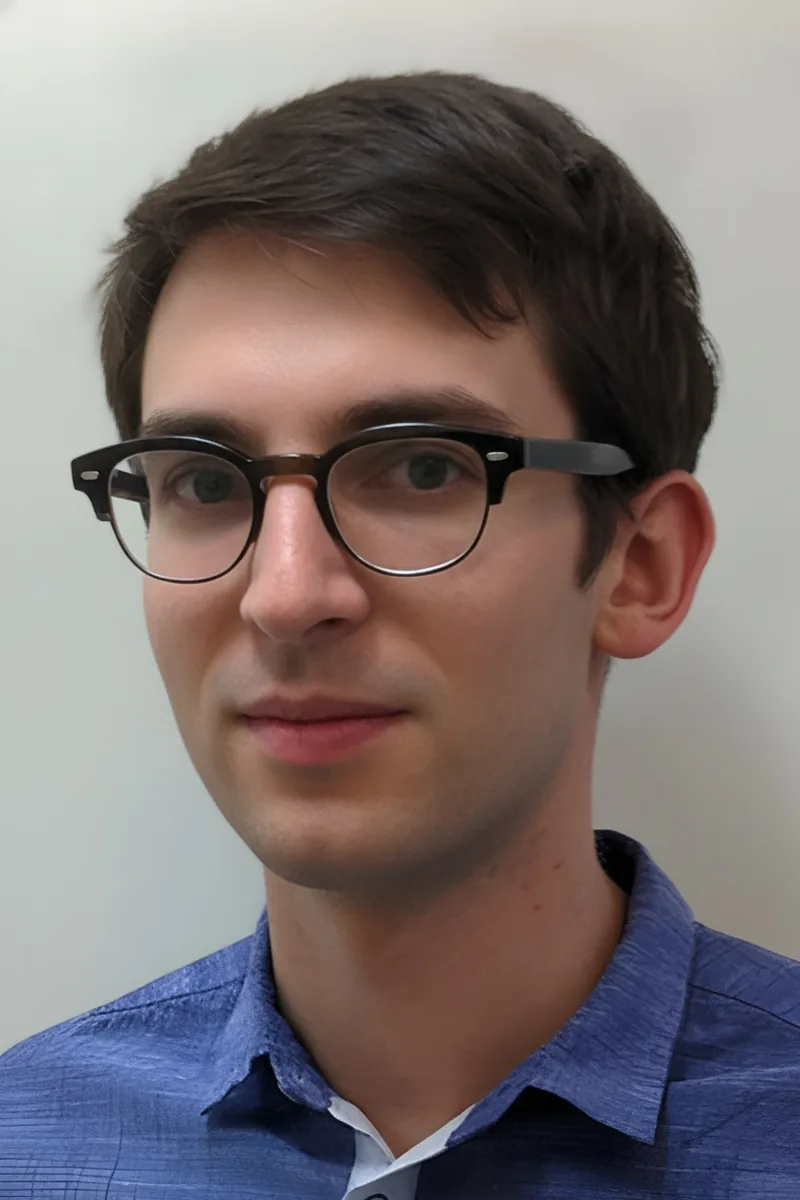
Editing isn't just about fixing commas — it's about seeing whether an argument actually holds together from paragraph to paragraph. Jacob's graduate training at Berkeley, where he wrote and revised extensively in two languages, gave him a sharp editorial eye for thesis clarity, evidence integration, and sentence-level precision. He walks students through revisions so they internalize the process for future papers.
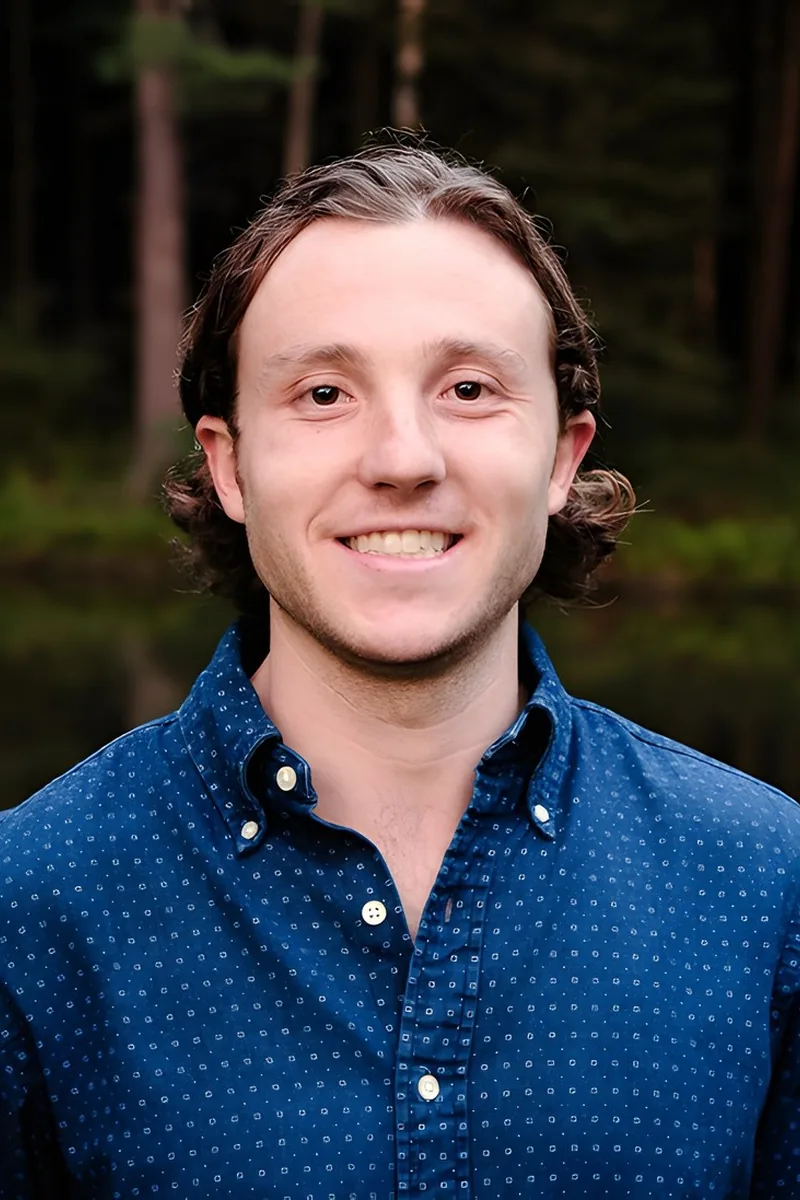
A sharp essay isn't just about fixing commas — it's about restructuring arguments so each paragraph earns its place. Dylan zeroes in on thesis clarity, transitions, and evidence integration, teaching students to revise with purpose rather than just polishing surface errors. Rated 5.0 by students, he brings an educator's eye to every draft.
Good essay editing isn't about fixing commas — it's about asking whether each paragraph earns its place in the argument. Michael reads drafts the way a programmer debugs code: tracing the logic from thesis to evidence to conclusion and flagging where the reasoning breaks down. He then teaches students to revise structurally before polishing at the sentence level, which produces cleaner writing faster than endless surface-level proofreading.
Good editing requires seeing your own writing the way a reader would, which is harder than it sounds. Moya walks through drafts at multiple levels — argument structure first, then paragraph transitions, then sentence-level clarity and grammar — so revisions feel purposeful instead of overwhelming.
Good editing isn't about fixing commas — it's about asking whether each paragraph is doing what the writer intended. Owen reads drafts at two levels: first for argument and structure, then for sentence-level clarity, transitions, and word choice. His experience revising dense scientific writing at Brown sharpened his ability to spot where a reader's attention drifts and why.
Good editing is more than catching comma splices — it's recognizing where an argument loses its thread or where a paragraph buries its strongest sentence. Cynthia approaches each draft as a structural puzzle, teaching students to self-edit by reading for logic, tone, and clarity in separate passes. Her Folklore & Mythology training sharpened her eye for how narrative choices shape a reader's experience.
A good essay isn't just about fixing commas — it's about tightening arguments, cutting filler, and making every paragraph earn its place. Caitlyn walks through drafts with a revision-focused process, teaching students to spot weak thesis statements, unclear transitions, and unsupported claims on their own. Rated 5.0 by students.
Editing is where Thea lives professionally — her fiction has gone through the rigorous editorial processes at publications like The Kenyon Review and New Orleans Review. She applies that same precision to student essays, addressing everything from argument structure and paragraph transitions to awkward phrasing and word choice, always explaining the why behind each suggested change.
Engineering writing demands ruthless clarity — every sentence has to earn its place, and arguments need airtight logical structure. Andrew applies that same discipline to essay editing, zeroing in on thesis coherence, paragraph transitions, and whether each claim actually supports the larger argument. His experience writing technical reports at Nike and research papers at Stanford translates directly into sharper, more persuasive prose.
Editing an essay well requires more than catching comma splices — it means evaluating whether each paragraph actually advances the argument. Danny's combination of a Brown liberal arts education and graduate-level statistical reasoning makes him sharp at identifying structural weaknesses, unclear claims, and spots where evidence needs tightening.
Good editing isn't just fixing commas — it's asking whether each paragraph earns its place and whether the argument actually moves forward. Luke brings a fiction writer's ear for rhythm and a trained editor's eye for structural problems, so he can diagnose why a draft feels off and show exactly where to cut, reorganize, or sharpen.
Architecture training at the studio level means endless rounds of critique and revision — Luke spent years learning to strip a project down to its core idea and rebuild the presentation around it. He applies that same editorial instinct to essays, zeroing in on whether the central argument actually holds before cleaning up prose, transitions, and tone. Rated 4.9 by clients.
Most students know their essay needs work but can't articulate what's wrong — the thesis feels vague, transitions are choppy, or evidence doesn't land. Henry diagnoses these structural issues quickly and explains the fix in plain language, drawing on years of academic writing and revision at the doctoral level. His 5.0 rating speaks to how much students value that clarity.
A strong essay often already has the right ideas buried in a rough draft — the challenge is reorganizing, tightening, and clarifying until those ideas land. Maya approaches editing by teaching students to diagnose their own weaknesses, from vague thesis statements to paragraphs that drift off-topic, so the revision process becomes a transferable skill.
Good editing isn't just catching comma splices — it's asking whether each paragraph earns its place in the argument. Ezra reads drafts at two levels: first the architecture of the whole piece (Does the thesis actually thread through every section?), then the sentence-level clarity and rhythm. His philosophy training made him ruthless about logical coherence, which translates directly into tighter, more persuasive student writing.
Good essay editing goes beyond circling comma splices — it means restructuring an argument so each paragraph earns its place. Sophia reads drafts the way an editor would, identifying where claims need stronger evidence, where transitions fall apart, and where a writer's real thesis is hiding three paragraphs in. Her training in both education and literature makes her sharp on mechanics and structure alike.
Good editing isn't just fixing commas — it's recognizing where an argument loses its thread or a paragraph buries its strongest point. Robin reads drafts the way a careful audience would, flagging structural weaknesses and awkward phrasing while teaching students how to spot those issues themselves in future writing. Her English background means she can address everything from sentence-level clarity to overall argument flow.
A strong essay isn't about fancy vocabulary — it's about making every sentence earn its place. Claire's background in education and psychology gives her a sharp eye for argument structure, transitions, and clarity, and she walks students through revision as a skill they can repeat on their own rather than just fixing errors for them.
Editing academic and personal writing at the graduate level taught Mariela to spot the structural problems that weaken an essay — buried thesis statements, paragraphs that drift off-topic, transitions that don't actually connect ideas. She walks through drafts with students line by line, showing them how to tighten arguments and cut unnecessary repetition. The goal is always a clearer, more purposeful piece of writing.
Good essay editing isn't just fixing commas — it's restructuring an argument so each paragraph earns its place. Jordan approaches drafts the way a musician approaches arrangement: identifying where the piece loses momentum, where transitions feel forced, and where the writer's real thesis is hiding three paragraphs in.
The hardest part of editing your own essay isn't catching typos — it's recognizing when a paragraph that felt brilliant during drafting actually repeats the previous one in different words. Gabriel reads student drafts with an editor's ruthlessness, pinpointing structural gaps, weak transitions, and thesis drift before polishing sentence-level clarity. He then walks writers through each revision so they internalize the process.
Editing an essay well means knowing when to restructure an argument and when to just tighten a sentence. Hallie's years of revising academic manuscripts — her own and her peers' — give her a precise eye for thesis clarity, paragraph-level logic, and the small word-choice fixes that elevate a draft from competent to polished. She holds a 5.0 rating from students.
Editing a draft well means seeing past what you meant to say and catching what's actually on the page — weak thesis statements, unclear transitions, evidence that doesn't connect back to the argument. Beth has edited everything from college application essays to graduate-level research papers during her PhD work at UC Davis, and she teaches students to revise structurally before polishing at the sentence level. Rated 5.0 by students.
A rough draft with a strong argument buried under weak transitions and vague topic sentences just needs the right editor. Wyatt zeroes in on structural issues first — whether a paragraph is actually earning its place in the essay — before tightening language at the sentence level. His daily immersion in close reading at Bard gives him a sharp eye for where an essay's logic drifts or its voice goes flat.
After eight years of tutoring college essays, IB extended essays, and general academic writing, Gray has developed a knack for spotting the exact moment a draft loses its reader — whether that's a buried thesis, a paragraph that restates instead of advances, or a conclusion that trails off. He teaches students to read their own work with that same critical distance, turning vague revision instincts into concrete fixes. Holds a 5.0 rating.
Good essay editing isn't just catching comma splices — it's restructuring an argument so each paragraph earns its place. Mike's writing background and engineering training make him sharp at identifying where a thesis loses focus, where evidence is thin, and where transitions break down. He marks up drafts with specific, actionable feedback so students learn to self-edit rather than depend on someone else's red pen.
Rohan treats essay editing as a two-layer process: first tightening the argument's logic (does each paragraph actually earn its place?), then refining sentence-level clarity, transitions, and word choice. His background spans scientific writing and personal narratives, so he's comfortable editing everything from lab reports to application essays. Rated 5.0 by students, he's particularly good at showing writers how to cut without losing voice.
Good editing isn't just catching comma splices — it's asking whether each paragraph actually advances the argument and whether the transitions hold up under scrutiny. Heather reads drafts at both the structural and sentence level, flagging where logic gaps or vague claims weaken an otherwise solid piece. She also teaches students to edit their own work systematically, so the skill transfers beyond any single assignment.
I'm teaching is as important as understanding the subject itself.
Revision is where good writing becomes great writing, and Rebecca's Writing Center experience at Stuyvesant High School trained her to spot exactly where an essay loses its thread. She walks through drafts sentence by sentence, tightening argument structure, clarifying thesis statements, and cutting the filler that buries a student's strongest ideas.
Editing is Sammi's self-described favorite part of the writing process, and it shows. She treats revision as more than fixing commas — she examines argument flow, paragraph transitions, and whether each sentence actually earns its place in the draft. Her honors-level thesis work at Lewis & Clark means she's practiced at tightening prose without flattening a writer's voice.
A good essay buried under unclear transitions and wandering paragraphs is frustrating for any student who knows their ideas are strong. Rebecca zeroes in on structural issues — thesis clarity, paragraph cohesion, and argument flow — then walks through revisions so the writer learns to spot those patterns independently next time.
Editing isn't just about catching comma splices — it's about reshaping an argument so every paragraph earns its place. Kevin breaks the revision process into layers: first structure and thesis clarity, then paragraph-level logic, then sentence-level polish. His college research writing and years of professional science communication give him a sharp eye for tightening prose without flattening a student's voice.
Most students don't need someone to fix their essays — they need someone to show them what's actually going wrong so they can fix the next one themselves. Timothy's editing sessions dig into argument structure, paragraph-level coherence, and sentence clarity, not just grammar and punctuation. He treats each revision as a teaching moment, explaining why a reorganized paragraph or sharper thesis makes the whole piece land differently.
Good editing isn't about catching comma splices — it's about figuring out whether each paragraph actually does what the writer intended. Robert's background in both creative work and analytical finance writing means he can diagnose structural problems in a thesis-driven essay just as easily as he can tighten the voice in a personal narrative.
Good editing is more than catching comma splices — it's restructuring an argument so each paragraph earns its place. Tyler approaches essay revision by first mapping the logic of a draft, identifying where claims need stronger evidence or where transitions lose the reader, then tightening sentence-level clarity and grammar.
A strong essay becomes a great one in revision, and Flavia approaches editing as a conversation about what the writer actually means versus what landed on the page. Her interdisciplinary History-Literature degree at Reed required constant drafting and peer critique, so she's practiced at identifying where an argument loses focus, a paragraph buries its point, or a transition needs reworking.
A rough draft and a polished essay are usually separated by structure, not talent — unclear thesis placement, weak transitions, or evidence that doesn't connect back to the argument. Nikita walks through each layer of revision, from reorganizing paragraphs for logical flow to tightening sentence-level clarity, so the final product actually sounds like the writer intended.
Editing is a different skill than writing, and Julia treats it that way. She teaches students a systematic revision process — checking argument structure first, then paragraph transitions, then sentence-level clarity — so they stop doing the thing most writers do, which is endlessly tweaking word choices while ignoring a thesis that doesn't hold together.
Good editing isn't just catching comma splices — it's recognizing when a paragraph buries its own point, when a transition fakes a logical connection, or when a sentence tries to do three things at once. Adam reads drafts at the structural level first, then works down to syntax and word choice, so revisions actually strengthen the argument instead of just polishing the surface.
Testimonials
Because the right Essay Editing tutor makes all the difference.
Average Session Rating – Based on 3.4M Learner Ratings
Nearby Essay Editing Tutors
Other Portland Tutors
Related English Tutors in Portland
Frequently Asked Questions
Essay editing tutoring focuses on strengthening your writing at every stage—from developing a strong thesis and organizing your ideas, to refining sentence-level clarity and style. Tutors work with you on structure, argumentation, grammar, citation formats (MLA, APA, Chicago), and helping your unique voice come through in your writing.
Varsity Tutors connects you with an expert tutor who reviews your essay and provides personalized feedback on what's working and what needs revision. Rather than just correcting errors, tutors help you understand the 'why' behind their suggestions so you can apply those lessons to future writing. Sessions typically focus on one or two key areas at a time—whether that's strengthening your argument, improving organization, or polishing your prose.
Students often struggle with organizing their thoughts into a coherent structure, developing arguments that go beyond surface-level observations, and maintaining a consistent voice throughout their essay. Writer's block, managing citations correctly, and balancing grammar rules with stylistic choices are also frequent pain points. Personalized tutoring helps you identify your specific weaknesses and build strategies to overcome them.
Absolutely. A strong thesis is the foundation of any essay, and tutors excel at helping you craft one that's specific, arguable, and compelling. Through guided questions and examples, they'll help you move from a general topic to a focused claim, then show you how to build your entire essay around supporting that thesis with evidence and analysis.
No—while grammar is important, essay editing tutoring goes much deeper. Tutors help you develop your writing voice, strengthen your arguments, improve clarity and flow, and make strategic choices about word choice and sentence structure. Think of it as the difference between correcting mistakes and actually becoming a better writer.
Yes. Tutors can guide you through close reading, help you identify themes and literary devices, and teach you how to write analysis that goes beyond plot summary. They'll work with you to develop interpretations supported by textual evidence and show you how to construct arguments about literature that are both insightful and well-organized.
Definitely. Whether you're working with MLA, APA, Chicago, or another citation style, tutors can clarify the rules and help you format your essay correctly. They'll also teach you the reasoning behind citations so you understand not just how to do it, but why it matters for academic integrity.
Bring a draft of your essay—it doesn't need to be polished or complete. If you have specific assignment guidelines or rubrics, share those too so the tutor understands what your teacher is looking for. Come ready to discuss what you find most challenging about the writing process, whether that's getting started, organizing ideas, or revising.
Let’s find your perfect tutor
Answer a few quick questions. We’ll recommend the right plan and match you with a top 5% tutor.