Award-Winning Computer Science Tutors
serving Memphis, TN
Computer Science
Tutors in Memphis
Private 1-on-1 tutoring, weekly live classes for academic support, test prep & enrichment, practice tests and diagnostics, and more to elevate grades and test scores.
Based on 3.4M Learner Ratings
UniversitiesSchools & Universities
DeliveredHours Delivered
ProficiencyGrowth in Proficiency
Who needs tutoring?
No obligation. Takes ~1 minute.
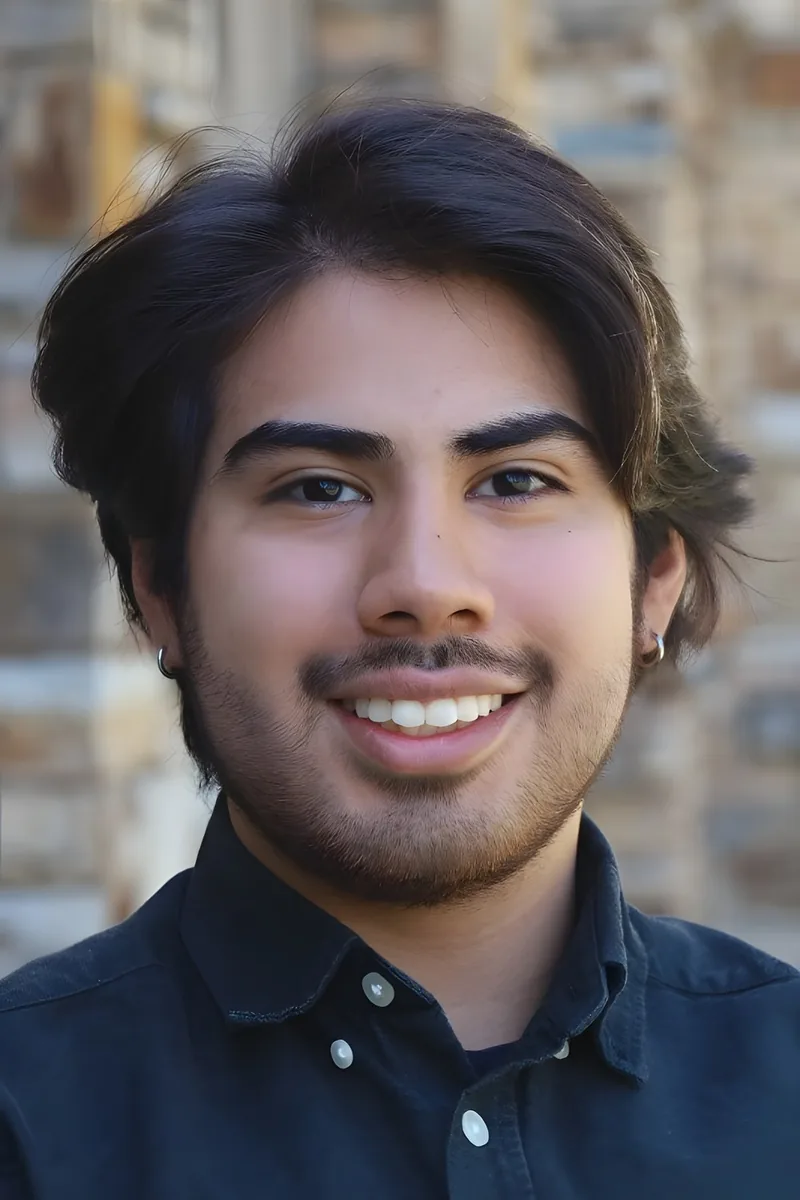
Pursuing a PhD in computer science means Eduardo isn't just recalling introductory material — he's actively working with algorithms, data structures, and computational theory every day. He walks students through concepts like recursion, sorting algorithms, and Big-O analysis by writing actual code alongside the theory. That combination of hands-on programming and formal understanding makes tricky CS topics far more approachable.

Learning to code is really learning to decompose problems — figuring out what a program needs to do before writing a single line. Nat is double-majoring in computer science at Vanderbilt and unpacks core topics like loops, conditionals, data structures, and algorithm design in ways that build genuine understanding. Whether a student is writing their first Python script or debugging recursive functions, he connects each concept to the logic behind it.
From sorting algorithms and Big-O analysis to data structures like linked lists and binary trees, Rhamy covers the foundational CS concepts that show up in coursework and technical interviews alike. His computer engineering degree at Vanderbilt, paired with experience in multiple languages, lets him explain abstract ideas through concrete code. Rated 5.0 by students.
From data structures and algorithms to computational complexity, Michelle covers the core CS curriculum with the depth you'd expect from a Duke CS graduate heading into a PhD at Michigan. She's especially strong at explaining abstract concepts like recursion and graph traversal by connecting them to concrete, visual examples that make the logic intuitive.
I'm a sophomore at Vanderbilt University studying computer science, currently focusing on iOS and game development. I like growing as a person, but I find it much more interesting and rewarding to grow other people. Seeing a student change, not in intellect but in perspective, is fascinating. I like to focus more on concepts rather than memorization so that students will have the tools to excel in any facet of academia, beyond some random test that holds too much significance.
I am an Undergraduate Student at Vanderbilt University. With years of tutoring experience and a solid academic foundation, I am fully equipped to teach in various subjects at many different levels.
Trained in computer science at UT Austin and currently pursuing a PhD that blends computational methods with social science, David brings both theoretical depth and applied versatility to CS instruction. He digs into core topics like algorithm analysis, data structures, and computational complexity, connecting them to the kind of real-world problem-solving that makes the discipline click.
From data structures and algorithms to systems-level thinking, computer science covers enormous ground. John earned a BS in Computer Science and codes in Java, C++, and SQL, giving him the range to dig into whatever topic is causing trouble — whether that's recursion, Big-O analysis, or database design.
From sorting algorithms to recursion to object-oriented architecture, computer science rewards the ability to think in layers of abstraction. Joel is pursuing CS at Cornell alongside physics, which means he approaches programming problems with both mathematical rigor and practical debugging instincts. He's comfortable across Python and Java and adapts to whatever language a student's course requires.
Engineering science at Vanderbilt means Ethan writes code to solve real problems — simulations, data analysis, algorithm design — not just textbook exercises. He breaks down core concepts like recursion, data structures, and object-oriented design by connecting them to projects that actually do something interesting.
Studying computer science at Cornell, Eric tackles everything from algorithm analysis and Big-O notation to systems-level concepts like memory management and recursion. He breaks down problems the way a CS student actually encounters them — whiteboarding a solution, tracing through edge cases, then translating logic into clean code. His 5.0 rating speaks to how clearly that approach lands.
Corrina's mechanical engineering degree required extensive programming coursework, and she now teaches core computer science concepts — data structures, algorithms, Boolean logic, and computational thinking — in a way that makes abstract ideas tangible. She connects each concept to real applications, whether that's sorting algorithms in a search engine or conditionals inside a robot's control loop.
Software development taught Michael something that textbooks often skip: the discipline of decomposing a massive, ambiguous problem into small, testable pieces — and that's exactly how he teaches computer science. His professional coding experience across languages like Java, Python, Ruby, and C means he can ground abstract topics like object-oriented design or control flow in real working code rather than classroom-only exercises. Rated 4.9 by students.
Jeff tackles computer science by connecting abstract concepts like recursion, data structures, and algorithmic complexity to concrete problem-solving steps students can follow. His science background means he's comfortable with the mathematical logic underlying CS, from Boolean algebra to Big-O analysis.
A Stanford MS in Computer Science means David can teach everything from data structures and algorithms to object-oriented design with the depth that comes from building real systems — not just reading about them. He spent a summer teaching web and app development to high school students in Palestine, so he knows how to make abstract CS concepts click through hands-on projects.
From data structures and algorithm analysis to the fundamentals of how operating systems and networks function, Nicholas covers computer science with the depth his Penn State CS degree provided. He's especially strong at explaining recursion, sorting algorithms, and Big-O notation — the concepts that separate students who can code from students who truly understand computation. Rated 5.0 by students.
Allison's CS degree from Dartmouth means she's worked through the full arc — from writing first programs to tackling data structures, algorithms, and computational theory. She unpacks abstract concepts like recursion and Big-O analysis by walking through concrete code examples, making the logic visible before the notation takes over.
As an engineering student at Brown, Kashish works with programming languages and computational thinking daily — from writing algorithms to debugging code and understanding data structures like arrays, linked lists, and trees. She breaks down abstract CS concepts by connecting them to concrete problems, making topics like recursion or object-oriented design click for students encountering them for the first time. Her analytical precision and 5.0 rating make her a strong fit for introductory through intermediate computer science.
Testimonials
Because the right Computer Science tutor makes all the difference.
Average Session Rating – Based on 3.4M Learner Ratings
Nearby Computer Science Tutors
Other Memphis Tutors
Related Technology and Coding Tutors in Memphis
Frequently Asked Questions
Computer Science tutoring covers a wide range of topics including programming fundamentals, object-oriented design, data structures, algorithms, debugging techniques, and problem-solving strategies. Depending on your goals, tutors can also focus on specialized areas like web development, game development, data science, or preparing for AP Computer Science exams. The curriculum is personalized to match your current level and learning objectives.
Syntax is the specific rules and grammar of a programming language—how you write code so the computer understands it. Logic, on the other hand, is the problem-solving approach and algorithmic thinking behind what you're trying to accomplish. Many students struggle when they focus too heavily on syntax memorization without developing strong logical thinking skills. Expert tutors help you build both by teaching you to think through problems first, then express those solutions in code.
Debugging is a critical skill that goes beyond just finding where code breaks. Tutors teach you systematic approaches to identify errors—like reading error messages carefully, using debugging tools, and tracing through your code step-by-step. Rather than simply fixing bugs for you, expert tutors guide you through the problem-solving process so you develop the independence to debug your own code. This hands-on approach builds confidence and deeper understanding of how your programs actually work.
Yes. Project-based learning is one of the most effective ways to develop Computer Science skills because it forces you to apply concepts in realistic scenarios. Tutors can guide you through building applications, games, or data analysis projects while teaching you best practices for code organization, testing, and documentation. This approach helps you move beyond isolated coding exercises to understand how different concepts work together in actual software.
Data structures—like arrays, linked lists, trees, and hash tables—are fundamental to writing efficient code and solving complex problems. Many students find them abstract and difficult to visualize. Tutors break down how different data structures work, when to use each one, and how they impact your program's performance. With personalized instruction and hands-on coding practice, you'll develop intuition for choosing the right structure for each problem.
Absolutely. Varsity Tutors connects you with tutors who specialize in different Computer Science paths. Whether you're interested in web development, game development, artificial intelligence, cybersecurity, or data science, you can work with a tutor who has expertise in your area of focus. This specialized approach means you're learning practical skills and frameworks directly relevant to your goals, not just general programming theory.
Your first session focuses on understanding your current skill level, learning goals, and specific challenges. You'll discuss whether you're just starting out, preparing for an exam, or working on a particular project. The tutor will ask about your programming experience, any languages you've learned, and what you find most confusing. From there, you'll create a personalized plan that addresses your needs and keeps you progressing toward your goals.
Yes. With over 250 schools across the Memphis area, Varsity Tutors connects students from all backgrounds and school districts with expert tutors. Whether you're in a large high school or smaller district, you can get personalized Computer Science instruction tailored to your specific curriculum and academic goals. Tutors are familiar with different course sequences and can help you succeed whether you're in an introductory course or advanced placement level.
Let’s find your perfect tutor
Answer a few quick questions. We’ll recommend the right plan and match you with a top 5% tutor.