Award-Winning Biostatistics Tutors
serving Tampa, FL
Biostatistics
Tutors in Tampa
Private 1-on-1 tutoring, weekly live classes for academic support, test prep & enrichment, practice tests and diagnostics, and more to elevate grades and test scores.
Based on 3.4M Learner Ratings
UniversitiesSchools & Universities
DeliveredHours Delivered
ProficiencyGrowth in Proficiency
Who needs tutoring?
No obligation. Takes ~1 minute.
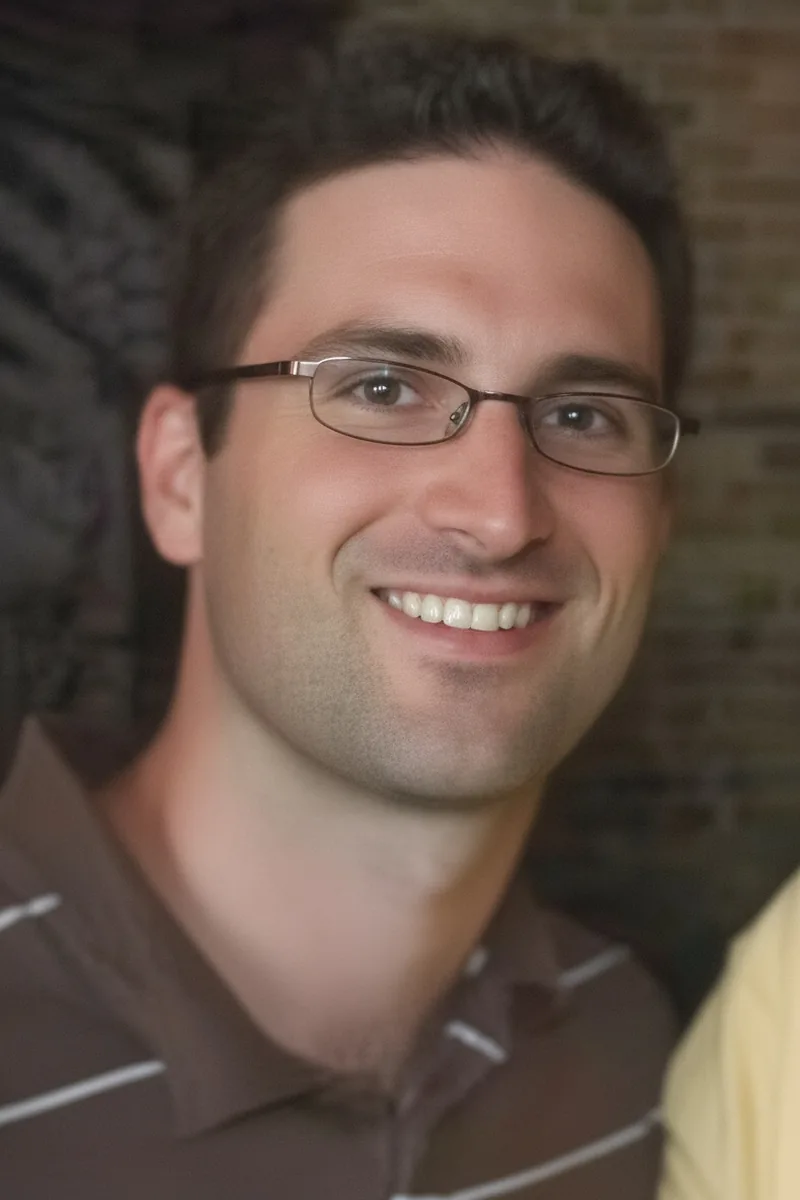
Matthew's Master's in Educational Measurement and Statistics at USF means he's not just familiar with biostatistics methods — he's studying the theory behind how statistical tests are constructed and validated, which gives him unusual depth when explaining concepts like power analysis, effect sizes, and the assumptions underlying common tests. His psychology background adds a second layer: he learned biostatistics the way most students encounter it, applied to human subjects research with messy behavioral data. Rated 4.8 by students.
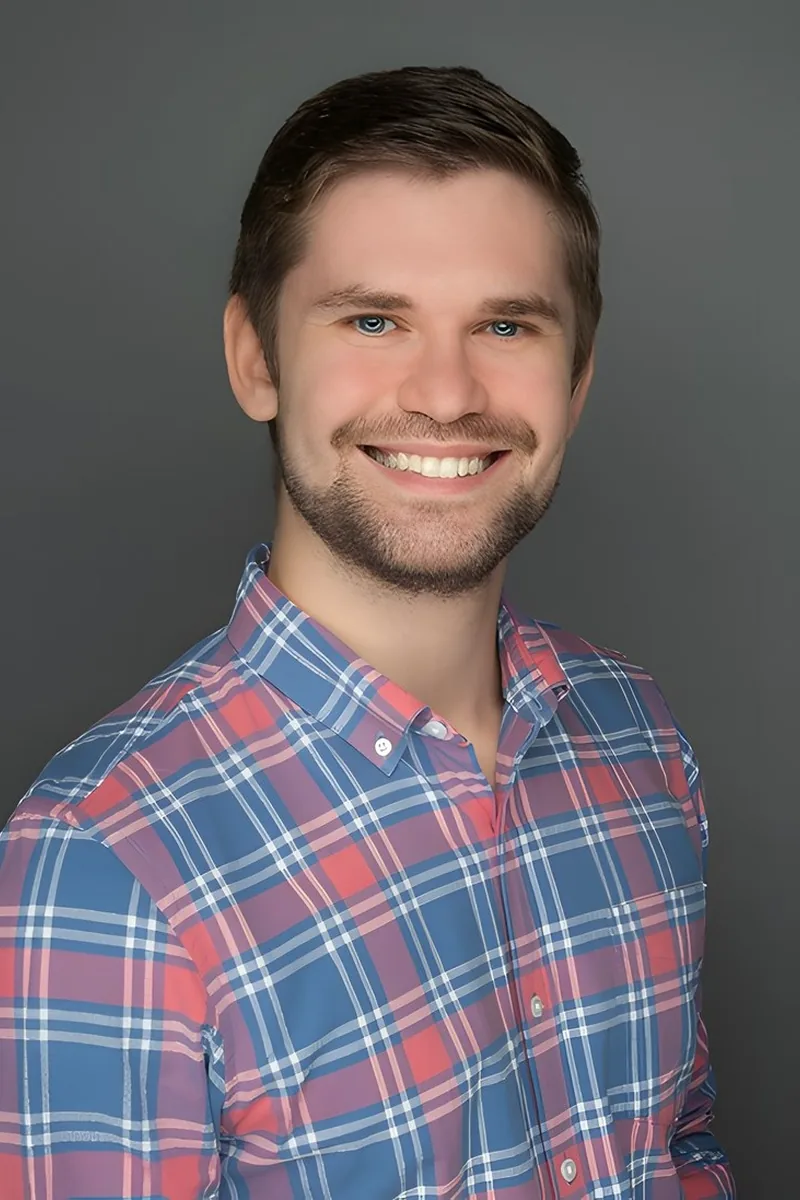
As a teaching assistant for a graduate-level biostatistics and R programming course at Nova Southeastern University, Tyler has walked students through everything from ANOVA designs to logistic regression in biological contexts. His own master's research on marine fish ecology keeps him actively using these methods — running power analyses, interpreting p-values, and building statistical models from messy field data.
Between her biology degree, coursework in statistics and quantitative reasoning, and subjects like bioinformatics and nutrition, Michelle has spent years working at the intersection of biological data and statistical analysis — exactly where biostatistics lives. She breaks down concepts like study design, probability distributions, and measures of association by rooting them in the biological questions that make those methods necessary in the first place. Rated 4.9 by students.
I am a law student, but I took an unusual route to get there. I used to attend medical school but had a change of heart in my career path. Part of this was due to my political science major (double major with biology) in college as well as a number of Spanish and other courses that I took. Tutoring is something, I feel, that has come naturally to me, even back to my high school days. My goal is to help you learn as much as you can and reach your true potential. I will work hard to make sure that this happens, as long as you put in the work, too! We will work together to tailor your learning experience to your needs.
Running statistical analyses on genetic and ecological data has been a core part of Nicholas's graduate research, which means biostatistics isn't abstract for him — it's how he answers real scientific questions. He teaches concepts like logistic regression, survival analysis, and experimental design by grounding them in biological datasets students can actually interpret. Rated 4.8 by students.
Three years of bench genetics and clinical research gave Selamawit hands-on experience designing studies, running statistical tests, and interpreting p-values in contexts where the results actually mattered. She brings that practical fluency to biostatistics topics like regression analysis, survival curves, and hypothesis testing. Her University of Pennsylvania public health training means she knows exactly how these methods apply to epidemiological and clinical data.
Biochemistry and molecular biology coursework means Aditya is constantly reading papers packed with survival curves, p-values, and confidence intervals — the kind of statistical literacy that comes from needing it to understand his own field, not just passing an exam. He breaks down concepts like probability distributions and measures of central tendency by walking through the biological data they're actually applied to, so the formulas feel purposeful rather than abstract.
Karista's PhD in Environmental Science meant analyzing messy field data — the kind where uneven sample sizes, non-normal distributions, and confounding variables force you to think carefully about which statistical approach actually fits. That experience designing and defending her own analyses carries over directly when she teaches concepts like ANOVA, multivariate regression, and experimental design in biostatistics. Rated 5.0 by students.
Rachel's Master's in Environmental Health Sciences from Johns Hopkins required the same core biostatistics training that public health students dread — survival analysis, logistic regression, and interpreting epidemiological study results with real population data. Years of conservation fieldwork since then have kept her close to the kind of messy environmental datasets where picking the right statistical test actually shapes policy decisions. She connects methods like chi-square tests and confidence intervals back to the health and ecological questions they were built to answer.
Sima's Master of Science in Epidemiology with a concentration in Biostatistics means she doesn't just teach survival analysis, regression modeling, and study design — she uses them daily in her cancer research at Mount Sinai. She walks students through everything from interpreting p-values to building multivariate models, grounding each concept in real epidemiological datasets.
Alex's master's thesis at Rice centered on environmental statistics, giving him direct experience with the tools that define biostatistics: survival analysis, logistic regression, study design, and interpreting odds ratios in research contexts. He unpacks statistical software output and walks through the logic behind each test so students understand both the math and the methodology.
Between a neuroscience bachelor's, a biotechnology master's, and current medical training, Rithi has run into biostatistics from every angle — analyzing neural data in research, evaluating clinical study designs, and interpreting the kind of messy biological datasets where a wrong assumption about normality can derail an entire analysis. She breaks down concepts like survival curves, relative risk calculations, and test selection by walking through the actual research scenarios that make each method necessary. Rated 4.9 by students.
Three years teaching high school biology in New Jersey meant Sasha was constantly designing assessments and interpreting student performance data — skills that map directly onto biostatistics concepts like distributions, variability, and drawing valid inferences from samples. Her master's in science education and undergraduate biology training give her a dual grasp of both the life science context behind biological datasets and the statistical reasoning needed to analyze them. She breaks down topics like chi-square tests and descriptive statistics by rooting them in the kinds of biological questions that make the math feel purposeful.
Three years as an ESL instructor and a summa cum laude biology degree taught Ruth something most tutors learn the hard way — explaining quantitative concepts clearly matters as much as understanding them. Now in medical school, she breaks down biostatistics topics like study design, sensitivity and specificity, and interpreting p-values by connecting them to the clinical research she encounters daily in her coursework.
A PhD in Statistics paired with a mathematics foundation means Bahaeddine doesn't just teach biostatistics formulas — he can explain the probabilistic theory underneath methods like logistic regression, survival analysis, and hypothesis testing, then show how those methods apply to biological and clinical datasets. Fifteen years of teaching statistics at the college level have given him a deep catalog of examples for making abstract concepts like p-values, confidence intervals, and study design feel concrete and intuitive.
Between her biology major, math minor, and four years of medical school coursework in community health and preventive medicine, Emily has encountered biostatistics from every angle — interpreting clinical studies, running analyses on biological datasets, and applying concepts like sensitivity, specificity, and measures of association in evidence-based medicine. She teaches the logic behind choosing statistical methods, connecting each test back to the clinical or research scenario that makes it meaningful. Rated 5.0 by students.
Graduate-level biology research in evolution and bioanthropology means Alex regularly works with the kinds of datasets where understanding variance, choosing appropriate statistical tests, and interpreting p-values isn't abstract — it's how you defend your findings. His master's training, combined with a broad undergraduate foundation in both biology and English, gives him a knack for translating dense statistical concepts like probability distributions and measures of association into language that actually makes sense. Rated 4.8 by students.
Testimonials
Because the right Biostatistics tutor makes all the difference.
Average Session Rating – Based on 3.4M Learner Ratings
Nearby Biostatistics Tutors
Other Tampa Tutors
Related Science Tutors in Tampa
Frequently Asked Questions
Many biostatistics students memorize formulas without understanding when or why to use them. A tutor helps bridge this gap by breaking down concepts like hypothesis testing, confidence intervals, and experimental design into their underlying logic. Instead of just plugging numbers into equations, you'll learn to recognize patterns in data, understand probability distributions, and see how statistical decisions connect to real research questions. This conceptual foundation makes advanced topics and exam problems far less intimidating.
Word problems in biostatistics require you to identify the right statistical test, recognize study design issues, and interpret results in context—all at once. A tutor teaches you to break these down systematically: first identify what type of data you have (categorical vs. continuous), then determine the study design (observational, experimental, or quasi-experimental), and finally select the appropriate statistical method. You'll practice extracting key information from real research scenarios, which builds both confidence and the problem-solving strategies needed for exams and real research work.
Yes. Many biostatistics courses require hands-on work with statistical software, and tutors can help you learn both the programming syntax and the underlying statistical reasoning. Whether you're writing code in R, running SAS procedures, or using Python libraries like pandas and statsmodels, a tutor helps you understand what each command does, how to interpret output, and how to troubleshoot errors. This dual focus on coding and statistical concepts ensures you're not just running code—you're understanding the analysis behind it.
Biostatistics combines abstract mathematical concepts with real research applications, which can feel overwhelming. A tutor creates a low-pressure environment to work through challenging material at your pace, celebrating small wins like understanding a new test or successfully interpreting a p-value. By connecting biostatistics to real health and research contexts you care about, tutoring helps you see the subject as a practical tool rather than abstract math. Regular one-on-one practice also means you're not comparing yourself to peers—you're building your own understanding on a solid foundation.
Biostatistics courses vary depending on your program (public health, nursing, biology, epidemiology) and textbook choices (Pagano & Gauvreau, Rosner, etc.). Tutors work with your specific course materials, assignments, and instructor's emphasis to ensure you're learning what you need to succeed in your particular class. Whether your course focuses heavily on epidemiological measures, survival analysis, or categorical data methods, a tutor familiar with your curriculum can target exactly what matters for your exams and assignments.
Biostatistics students often learn individual topics—t-tests, ANOVA, regression, survival analysis—without seeing how they fit together. A skilled tutor helps you recognize patterns: how all hypothesis tests follow the same logic, how regression extends to multiple predictors, how different designs require different analyses. This connected understanding means you're not memorizing 20 different procedures—you're learning the underlying principles that apply across topics. When you encounter new problems, you can reason your way through them instead of searching for a memorized formula.
Biostatistics requires tutors with strong mathematical foundations and ideally experience in health research or statistics coursework. Varsity Tutors connects you with expert tutors who have proven expertise in biostatistics, whether you need help with foundational concepts or advanced topics like regression modeling and survival analysis. Tutors can tailor sessions to your specific course level and program (public health, epidemiology, clinical research, etc.), ensuring you get personalized instruction from someone who truly understands the subject.
Let’s find your perfect tutor
Answer a few quick questions. We’ll recommend the right plan and match you with a top 5% tutor.