Award-Winning Biostatistics Tutors
serving Port St. Lucie, FL
Biostatistics
Tutors in Port St. Lucie
Private 1-on-1 tutoring, weekly live classes for academic support, test prep & enrichment, practice tests and diagnostics, and more to elevate grades and test scores.
Based on 3.4M Learner Ratings
UniversitiesSchools & Universities
DeliveredHours Delivered
ProficiencyGrowth in Proficiency
Who needs tutoring?
No obligation. Takes ~1 minute.
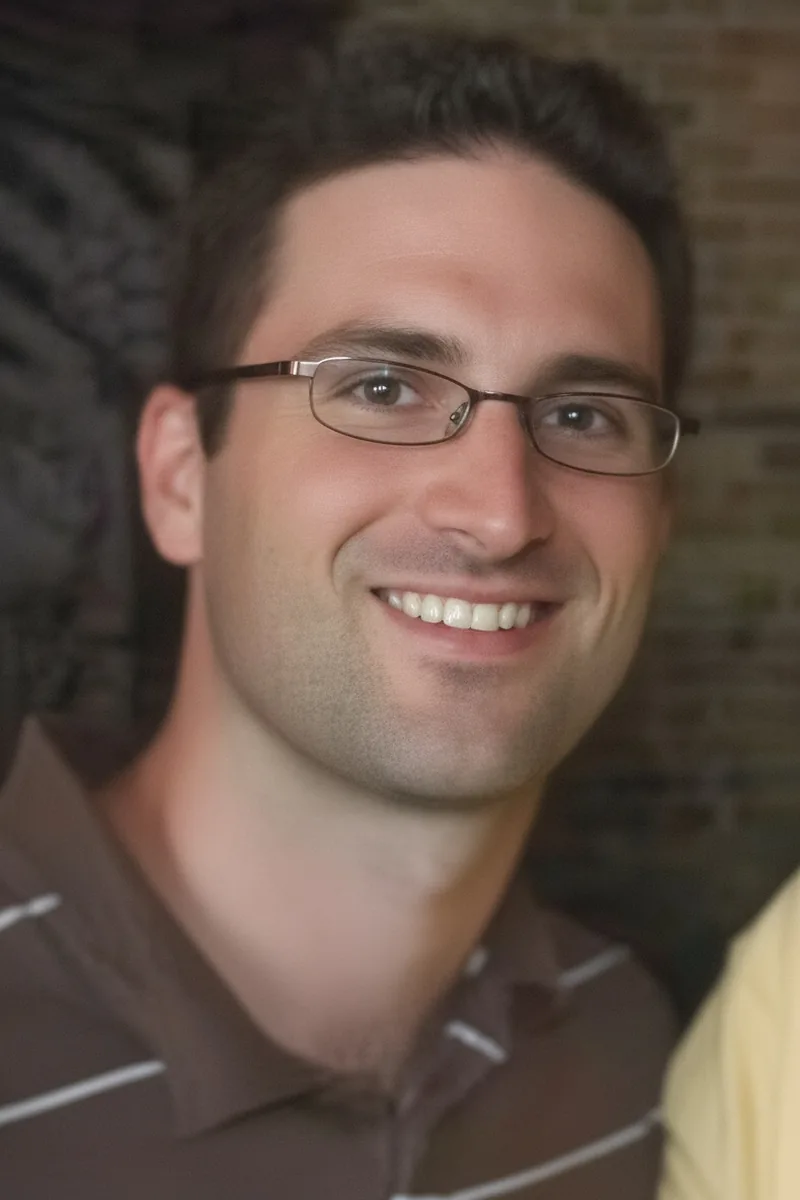
Matthew's Master's in Educational Measurement and Statistics at USF means he's not just familiar with biostatistics methods — he's studying the theory behind how statistical tests are constructed and validated, which gives him unusual depth when explaining concepts like power analysis, effect sizes, and the assumptions underlying common tests. His psychology background adds a second layer: he learned biostatistics the way most students encounter it, applied to human subjects research with messy behavioral data. Rated 4.8 by students.
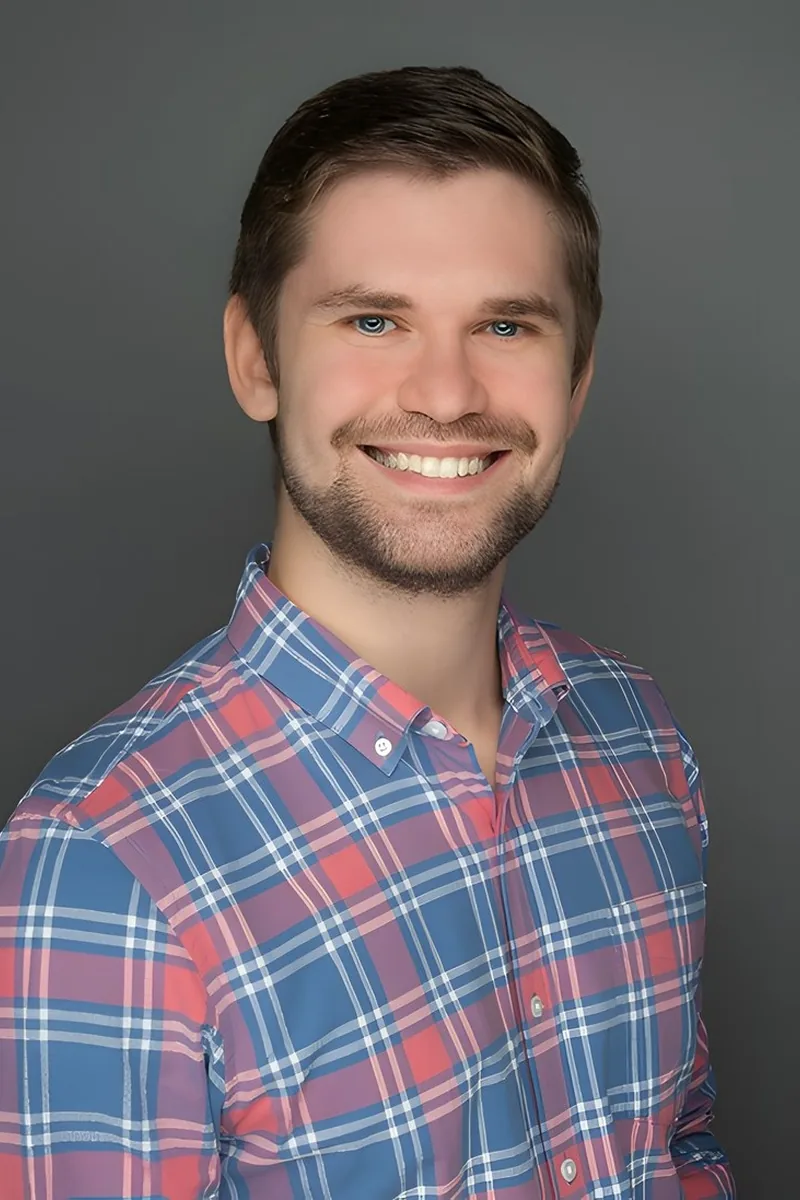
As a teaching assistant for a graduate-level biostatistics and R programming course at Nova Southeastern University, Tyler has walked students through everything from ANOVA designs to logistic regression in biological contexts. His own master's research on marine fish ecology keeps him actively using these methods — running power analyses, interpreting p-values, and building statistical models from messy field data.
Between her biology degree, coursework in statistics and quantitative reasoning, and subjects like bioinformatics and nutrition, Michelle has spent years working at the intersection of biological data and statistical analysis — exactly where biostatistics lives. She breaks down concepts like study design, probability distributions, and measures of association by rooting them in the biological questions that make those methods necessary in the first place. Rated 4.9 by students.
I am a law student, but I took an unusual route to get there. I used to attend medical school but had a change of heart in my career path. Part of this was due to my political science major (double major with biology) in college as well as a number of Spanish and other courses that I took. Tutoring is something, I feel, that has come naturally to me, even back to my high school days. My goal is to help you learn as much as you can and reach your true potential. I will work hard to make sure that this happens, as long as you put in the work, too! We will work together to tailor your learning experience to your needs.
Running statistical analyses on genetic and ecological data has been a core part of Nicholas's graduate research, which means biostatistics isn't abstract for him — it's how he answers real scientific questions. He teaches concepts like logistic regression, survival analysis, and experimental design by grounding them in biological datasets students can actually interpret. Rated 4.8 by students.
Biomedical engineering coursework generates a constant stream of statistical problems — analyzing device performance data, interpreting clinical trial outcomes, modeling biological variability. Khushal tackles biostatistics from that engineering angle, breaking down hypothesis testing, probability distributions, and regression by connecting each method to the quantitative demands of his own BME program. Rated 5.0 by students.
Graduate-level biology research in evolution and bioanthropology means Alex regularly works with the kinds of datasets where understanding variance, choosing appropriate statistical tests, and interpreting p-values isn't abstract — it's how you defend your findings. His master's training, combined with a broad undergraduate foundation in both biology and English, gives him a knack for translating dense statistical concepts like probability distributions and measures of association into language that actually makes sense. Rated 4.8 by students.
Irene's PhD in Mathematics and Computer Science means she approaches biostatistics from the pure quantitative side — probability theory, distributions, and the mathematical proofs underlying tests like ANOVA and chi-square that most biology-focused instructors skip over. For students who struggle less with the clinical context and more with the math itself, that depth is exactly what closes the gap. Rated 4.9 by students.
Wall Street research demands a kind of statistical fluency that translates surprisingly well to biostatistics — Frank spent years dissecting datasets, evaluating risk models, and stress-testing assumptions before pivoting to teaching statistics at both the AP and college level. He breaks down concepts like hypothesis testing, probability distributions, and regression by emphasizing the logic behind choosing a method, drawing on the same analytical rigor he applied to financial research. His MBA and quantitative background give him a practical, numbers-first approach that cuts through the abstraction many students struggle with.
As a first-year med student at Pitt with a biology degree from Tufts, Danielle is encountering biostatistics exactly where it becomes unavoidable — interpreting clinical study results, calculating sensitivity and specificity, and evaluating whether a paper's p-value actually means what the authors claim. Her 36 ACT composite reflects the kind of precise analytical thinking she brings to breaking down concepts like confidence intervals, relative risk, and study design for students who find the statistical side of biology intimidating. Rated 5.0 by students.
Running a program that teaches elementary school girls math and science means Kara regularly translates quantitative concepts for audiences who need clarity over jargon — a skill that carries directly into breaking down biostatistics topics like descriptive measures, basic probability, and interpreting study results. Her biology coursework on the pre-med track at UVA, combined with her public health studies, gives her familiarity with the kinds of epidemiological data and research designs that biostatistics problems are built around.
Bioengineering lab courses at UIC's Honors College don't let you hand-wave through your data — Shouvik has had to choose appropriate statistical tests for biological experiments, interpret p-values from tissue engineering datasets, and justify sample sizes in formal reports. That firsthand experience with real biological variability makes him effective at teaching concepts like hypothesis testing, descriptive statistics, and study design. Rated 4.9 by students.
Epidemiology graduate training is essentially applied biostatistics — Naushaba spent her master's program designing studies, calculating relative risks, and interpreting the kinds of population-level data that make concepts like confounding, bias, and survival analysis concrete rather than abstract. Her chemistry background adds a quantitative backbone that keeps her comfortable with the math underlying methods like logistic regression and chi-square tests.
Currently pursuing a graduate degree in statistics while holding a sociology background, Evan knows how to bridge the gap between raw quantitative methods and the population-level questions that drive biostatistics — things like interpreting odds ratios, building regression models, or deciding when a nonparametric test makes more sense than a parametric one. His sociology training means he's worked with survey data and demographic datasets where sloppy statistical reasoning leads to misleading conclusions. Rated 5.0 by students.
Studying behavioral neuroscience at Lehigh and now pursuing a Master's in Public Health at George Washington, Katherine has lived inside biostatistics — from chi-square tests and logistic regression to survival analysis and epidemiological study design. She teaches the subject the way she learned to use it: tied to real research questions about populations and health outcomes, so formulas stop feeling arbitrary and start making sense.
Studying biology at Duke while conducting field research on Hawaiian monk seals meant Emma had to grapple with real ecological datasets — the kind where choosing between a t-test and a Mann-Whitney U actually changes your conclusions. That hands-on experience with biological data analysis, paired with her 4.9 rating from students, makes her especially effective at teaching the statistical reasoning behind study design and data interpretation.
Engineering coursework at MIT forced Natasha to build statistical models from biological and chemical datasets — the kind where understanding variance, distributions, and experimental design isn't optional but essential to getting meaningful results. Her chemical and biomolecular engineering background means she teaches biostatistics concepts like regression and hypothesis testing through the lens of someone who's actually had to defend her statistical choices in lab reports and research. Rated 4.9 by students.
Testimonials
Because the right Biostatistics tutor makes all the difference.
Average Session Rating – Based on 3.4M Learner Ratings
Nearby Biostatistics Tutors
Other Port St. Lucie Tutors
Related Science Tutors in Port St. Lucie
Frequently Asked Questions
Biostatistics is the application of statistical methods to biological and medical data—it's essential for understanding research, clinical trials, public health, and medical decision-making. For students in Port St. Lucie pursuing healthcare, biology, or research-focused careers, mastering biostatistics opens doors to graduate programs and professional opportunities in fields like epidemiology, pharmaceutical research, and healthcare analytics.
Students often struggle with translating real-world biological problems into statistical frameworks, interpreting p-values and confidence intervals correctly, and understanding when to apply specific tests like t-tests, ANOVA, or regression analysis. Many also find it difficult to move beyond memorizing formulas to truly understanding the logic behind statistical methods—personalized tutoring helps bridge this gap by connecting abstract concepts to concrete examples from biology and medicine.
Biostatistics courses can emphasize different foundations depending on whether they're taught through a biology, public health, or mathematics lens, and may use different software (R, SAS, SPSS, or Python). Varsity Tutors connects you with tutors who can adapt to your specific curriculum, textbook, and software requirements—whether you're learning from a health sciences perspective or a more rigorous mathematical approach.
During your first session, a tutor will assess your current understanding of foundational statistics concepts, identify specific areas of confusion (like hypothesis testing or regression interpretation), and learn about your course goals and deadlines. From there, they'll create a personalized plan focused on building conceptual understanding alongside problem-solving skills so you can tackle assignments and exams with confidence.
Many students memorize steps without grasping the underlying logic—why we use certain tests, what assumptions matter, or how to interpret results. Expert tutors help you see the connections between biological questions and statistical solutions, practice explaining your reasoning out loud, and work through problems strategically so you develop genuine conceptual understanding rather than relying on formulas.
Math and statistics anxiety is common, especially when concepts feel abstract or disconnected from real applications. Personalized tutoring creates a low-pressure environment where you can ask questions freely, work through problems at your own pace, and see immediate progress—many students find that understanding the 'why' and building a toolkit of problem-solving strategies significantly reduces anxiety and builds genuine confidence.
Yes—many students need help not just understanding statistical concepts but also implementing them in software. Varsity Tutors connects you with tutors who can guide you through coding in R, using SPSS, or other tools your course requires, helping you translate statistical thinking into practical data analysis skills.
With consistent, focused tutoring, many students notice improved understanding within 2-3 sessions and gain confidence tackling new problem types within a few weeks. The timeline depends on your starting point and course pace, but personalized instruction accelerates learning because tutors target your specific gaps rather than reviewing material you already understand.
Let’s find your perfect tutor
Answer a few quick questions. We’ll recommend the right plan and match you with a top 5% tutor.