Award-Winning Biostatistics Tutors
serving Buffalo, NY
Biostatistics
Tutors in Buffalo
Private 1-on-1 tutoring, weekly live classes for academic support, test prep & enrichment, practice tests and diagnostics, and more to elevate grades and test scores.
Based on 3.4M Learner Ratings
UniversitiesSchools & Universities
DeliveredHours Delivered
ProficiencyGrowth in Proficiency
Who needs tutoring?
No obligation. Takes ~1 minute.

Nina is finishing a doctorate in biostatistics at NYU after completing her master's at Columbia, which means she lives and breathes this subject — logistic regression for clinical outcomes, survival curves, study design for epidemiological research. She was a teaching assistant in Columbia's biostatistics department and brings that classroom-tested ability to unpack dense material into clear, structured explanations. If you're wrestling with SAS output or trying to interpret an odds ratio for a thesis, she's been there recently.
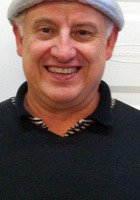
Wall Street research demands a kind of statistical fluency that translates surprisingly well to biostatistics — Frank spent years dissecting datasets, evaluating risk models, and stress-testing assumptions before pivoting to teaching statistics at both the AP and college level. He breaks down concepts like hypothesis testing, probability distributions, and regression by emphasizing the logic behind choosing a method, drawing on the same analytical rigor he applied to financial research. His MBA and quantitative background give him a practical, numbers-first approach that cuts through the abstraction many students struggle with.
I am and have always been committed to education and helping students in any way I can to achieve their academic goals.
Graduate coursework in Health Services Administration means Alan regularly encounters the statistical side of healthcare — interpreting study outcomes, evaluating public health data, and understanding how measures like relative risk and confidence intervals shape administrative decisions. His biology degree gives him the scientific literacy to contextualize the datasets, while his 5.0 rating speaks to how clearly he breaks down concepts like hypothesis testing and descriptive statistics for students who find the quantitative side intimidating.
Sima's Master of Science in Epidemiology with a concentration in Biostatistics means she doesn't just teach survival analysis, regression modeling, and study design — she uses them daily in her cancer research at Mount Sinai. She walks students through everything from interpreting p-values to building multivariate models, grounding each concept in real epidemiological datasets.
Three years teaching high school biology in New Jersey meant Sasha was constantly designing assessments and interpreting student performance data — skills that map directly onto biostatistics concepts like distributions, variability, and drawing valid inferences from samples. Her master's in science education and undergraduate biology training give her a dual grasp of both the life science context behind biological datasets and the statistical reasoning needed to analyze them. She breaks down topics like chi-square tests and descriptive statistics by rooting them in the kinds of biological questions that make the math feel purposeful.
Biochemistry and psychology together mean Nathaniel has designed experiments on both the molecular and behavioral sides — two domains where the datasets look completely different but the statistical logic (choosing tests, interpreting p-values, understanding variance) is the same. That dual training makes him particularly good at explaining when to apply specific methods like t-tests, ANOVA, or correlation analysis, because he's had to think through which tool fits which kind of biological question. Rated 5.0 by students.
Biochemistry lab work at the University of Michigan meant Kirby couldn't just run experiments — she had to decide whether her results actually meant something, which meant grappling with statistical tests, error analysis, and sample size considerations before any conclusion could hold up. That training in evaluating biological data carries directly into teaching biostatistics concepts like p-values, variance, and choosing the right analytical approach for a given dataset. Rated 4.9 by students.
A PhD in Statistics paired with a mathematics foundation means Bahaeddine doesn't just teach biostatistics formulas — he can explain the probabilistic theory underneath methods like logistic regression, survival analysis, and hypothesis testing, then show how those methods apply to biological and clinical datasets. Fifteen years of teaching statistics at the college level have given him a deep catalog of examples for making abstract concepts like p-values, confidence intervals, and study design feel concrete and intuitive.
Three years as an ESL instructor and a summa cum laude biology degree taught Ruth something most tutors learn the hard way — explaining quantitative concepts clearly matters as much as understanding them. Now in medical school, she breaks down biostatistics topics like study design, sensitivity and specificity, and interpreting p-values by connecting them to the clinical research she encounters daily in her coursework.
Running experiments in a Harvard Medical School lab means Patrick doesn't just teach biostatistics concepts — he applies them to real cellular and molecular datasets, from choosing the right statistical test for gene expression data to interpreting p-values in preclinical studies. His PhD in Cellular and Molecular Biology built the quantitative backbone for designing experiments with proper controls, power calculations, and regression models. Rated 5.0 by students.
Having earned a PhD in Statistics, Sam digs into biostatistics with the depth that graduate and pre-med students actually need — survival analysis, logistic regression, study design, and interpreting odds ratios in clinical contexts. His undergraduate training in biomedical engineering gives him a native fluency with the biological applications that make this field distinct from general stats.
Ingrid's biomedical engineering coursework at Northwestern — including undergraduate research in the John Rogers Lab — gave her hands-on experience designing experiments and interpreting the statistical methods that underpin clinical and biological research. She breaks down concepts like survival analysis, logistic regression, and confidence intervals by tying them to real biomedical datasets rather than abstract formulas.
Biomedical engineering coursework generates a constant stream of statistical problems — analyzing device performance data, interpreting clinical trial outcomes, modeling biological variability. Khushal tackles biostatistics from that engineering angle, breaking down hypothesis testing, probability distributions, and regression by connecting each method to the quantitative demands of his own BME program. Rated 5.0 by students.
Running genomics experiments at Washington University and now studying synapse formation at Duke, Kristina has spent years generating the kind of high-dimensional biological data where statistical missteps — wrong multiple comparisons corrections, underpowered sample designs — can sink a paper before peer review. She teaches biostatistics concepts like ANOVA, regression, and experimental power by drawing on the actual analytical decisions she's made with her own neural datasets. Rated 5.0 by students.
Gabriel has taught biostatistics at the undergraduate level, walking students through hypothesis testing, regression analysis, and experimental design with real biological datasets. His computational neuroscience research adds a practical dimension — he designs and analyzes electrophysiological experiments, so concepts like p-values and confidence intervals aren't abstract formulas but tools he uses weekly.
Studying behavioral neuroscience at Lehigh and now pursuing a Master's in Public Health at George Washington, Katherine has lived inside biostatistics — from chi-square tests and logistic regression to survival analysis and epidemiological study design. She teaches the subject the way she learned to use it: tied to real research questions about populations and health outcomes, so formulas stop feeling arbitrary and start making sense.
Medical school trains you to read studies critically — picking apart odds ratios, questioning sample sizes, and spotting when a confidence interval undermines a paper's bold conclusion. Sanjul, now in his final year of osteopathic medical training with a biology foundation, brings that clinical lens to biostatistics concepts like hypothesis testing, relative risk, and regression modeling. Rated 5.0 by students.
Testimonials
Because the right Biostatistics tutor makes all the difference.
Average Session Rating – Based on 3.4M Learner Ratings
Nearby Biostatistics Tutors
Other Buffalo Tutors
Related Science Tutors in Buffalo
Frequently Asked Questions
Biostatistics applies statistical methods to biological and health science research—it's essential for understanding data in medicine, public health, genetics, and pharmaceutical studies. Whether you're preparing for a graduate program, working through a university course, or conducting research, biostatistics helps you design studies, analyze results, and draw meaningful conclusions from data. Mastering this field opens doors to careers in clinical research, epidemiology, and health data analysis.
Students often struggle with translating real-world research questions into statistical designs, understanding when to use specific tests (t-tests, ANOVA, regression, etc.), and interpreting p-values and confidence intervals correctly. Many also find it challenging to connect statistical theory to practical applications in health sciences, and to work through multi-step analyses that require both computational and conceptual understanding. Personalized instruction helps you move beyond memorizing formulas to truly understanding the logic behind each method.
Your first session focuses on understanding your current level, course goals, and specific pain points—whether that's hypothesis testing, regression analysis, or interpreting study designs. A tutor will assess what concepts you've mastered and where you need support, then create a personalized plan tailored to your curriculum and learning style. This foundation ensures every session afterward builds directly on your needs rather than following a generic approach.
Expert tutors help you move beyond plugging numbers into formulas by breaking down the logic of each statistical test—why you'd use a paired t-test versus an unpaired one, what assumptions matter, and how to interpret results in context. Through guided problem-solving, you'll learn to recognize patterns in research questions and match them to appropriate methods. This conceptual foundation makes both coursework and real research applications much more manageable.
Word problems and real research scenarios require you to extract the statistical question from context, identify the study design, and choose the right analysis—skills that go beyond pure computation. Tutors work through these problems step-by-step, helping you develop a systematic approach: identifying variables, checking assumptions, running analyses, and interpreting findings in plain language. This strategy-based approach builds confidence and helps you tackle unfamiliar problems on exams and in your own research.
Yes—many tutors work with students on statistical software including R, SAS, SPSS, and Python. Beyond just running commands, tutors help you understand what each function does, how to troubleshoot errors, and how to interpret software output. Whether you're learning to code for the first time or debugging a complex analysis, personalized guidance accelerates your learning and helps you work independently.
Tutors create targeted review plans based on your course content and exam format, covering everything from foundational concepts to complex multi-step problems. You'll practice under exam-like conditions, learn time-management strategies, and identify weak areas before test day. This focused preparation builds both knowledge and confidence, helping you approach exams with a clear problem-solving strategy rather than anxiety.
Varsity Tutors connects you with tutors who have expertise in biostatistics and understand your specific course or research needs. You'll discuss your goals, schedule, and learning style, and we'll match you with someone who's the right fit. Whether you need help with a single challenging unit or ongoing support through a graduate program, the process is straightforward and personalized to your situation.
Let’s find your perfect tutor
Answer a few quick questions. We’ll recommend the right plan and match you with a top 5% tutor.