Award-Winning Literature Tutors
serving Madison, WI
Literature
Tutors in Madison
Private 1-on-1 tutoring, weekly live classes for academic support, test prep & enrichment, practice tests and diagnostics, and more to elevate grades and test scores.
Based on 3.4M Learner Ratings
UniversitiesSchools & Universities
DeliveredHours Delivered
ProficiencyGrowth in Proficiency
Who needs tutoring?
No obligation. Takes ~1 minute.
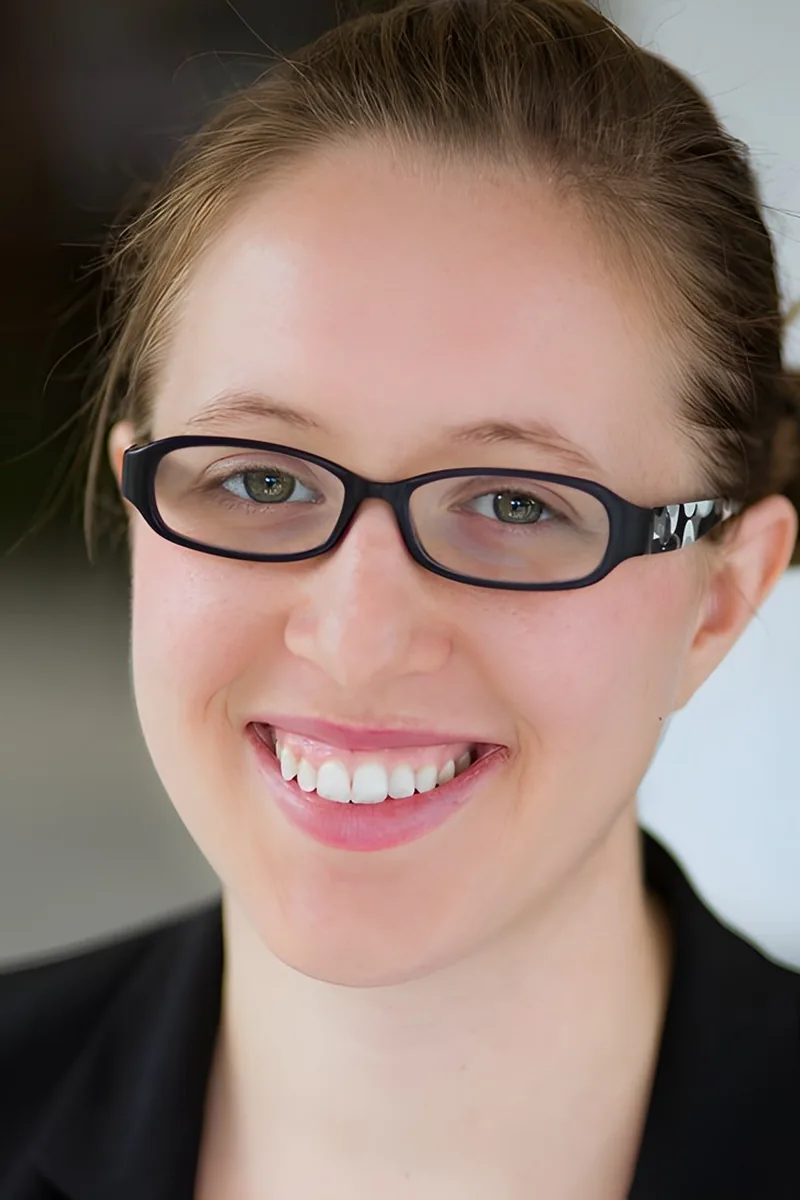
Trained in theater with a double BA that included heavy literary analysis, Amber reads texts the way a director reads a script — attending to subtext, character motivation, and structural choices that most readers skim past. She teaches students to build close-reading arguments around specific passages, whether they're unpacking symbolism in Gatsby or tracing narrative voice in Beloved.

Reading a novel and analyzing a novel are two very different skills, and Patrick bridges that gap by teaching students how to trace motifs, interrogate narrative point of view, and build interpretive arguments grounded in textual evidence. His dual background in English Literature and Linguistics at UChicago gave him tools for close reading at both the structural and sentence level.
An avid reader and writer outside her science career, Karann approaches literature by teaching students to build arguments about a text — tracing how imagery, structure, or narrative voice creates meaning — rather than just summarizing plot. Her analytical training in biological sciences translates surprisingly well to close reading, where precision with evidence matters just as much.
Reading a novel for class and actually analyzing it are two very different skills, and the gap usually shows up when students try to write about theme or symbolism without a clear method. Sophie teaches literary analysis as argument-building: identify a pattern in the text, gather evidence, and explain what it reveals about the work's larger meaning. Her interdisciplinary studies at Brown — blending math with urban studies — give her a sharp eye for structure and logic in any discipline.
Reading a novel and analyzing a novel are two very different skills, and the second one requires practice with close reading, identifying literary devices, and building arguments from textual evidence. James's political science training at Penn was built on exactly this kind of analytical reading — pulling apart dense texts and constructing interpretations that hold up under scrutiny.
Reading a novel for class and actually analyzing it are two very different skills. Maddy teaches students to dig into literary devices — symbolism, narrative structure, point of view — and then translate those observations into arguments that hold up in essays and class discussion. Her approach treats each text as something to interrogate, not just summarize.
Living in Lhasa, rural Japan, and suburban Paris gave Sarah a lens for reading literature that most tutors simply don't have — she instinctively connects texts to their cultural and historical contexts. Whether a student is unpacking symbolism in a novel or analyzing a poet's use of imagery, she teaches close-reading techniques that turn surface-level observations into layered interpretations.
An avid reader and writer outside the classroom, Richard approaches literature by teaching students to trace how themes develop across a text — identifying motifs, analyzing narrative structure, and building interpretive arguments grounded in evidence. His background in both English and Spanish means he can also draw connections to works in translation and the broader literary traditions they come from.
A philosophy and biology background gives Madeline an unusual lens for literature — she reads for argument, evidence, and the assumptions buried beneath a text's surface. She teaches students to unpack themes, analyze narrative structure, and build interpretive claims that go beyond plot summary.
An avid reader and writer outside the classroom, Michael approaches literature as a physicist might — by asking what's actually happening beneath the surface of a text and why the author built it that way. He teaches students to move from plot summary into real literary analysis, breaking down how narrative structure, imagery, and point of view work together to create meaning.
Reading a novel and analyzing a novel are two different skills, and the gap between them is where most students struggle. Jacob breaks down literary analysis into concrete moves — tracking motifs, unpacking symbolism, connecting a character's arc to a broader theme — so students can write about texts with real precision rather than vague summary.
Reading literature closely means learning to ask better questions about a text — why an author chose this metaphor, what a structural shift signals, how tone shapes meaning. Shona's wide-ranging interests in writing, books, and the performing arts give her a rich frame of reference for discussing everything from poetry to novels. She teaches students to build interpretive arguments grounded in textual evidence rather than vague impressions.
Holding degrees in English Literature, Comparative Literature, and Classical Greek, Jonas reads texts the way they reward being read — across traditions, time periods, and languages. Whether a student is unpacking imagery in a Shakespeare sonnet or tracing themes in a contemporary novel, he teaches close reading as a skill that compounds: the more precisely you can describe what a text is doing, the stronger every essay and discussion becomes.
Reading a novel closely means asking better questions — not just "what happened" but "why did the author structure it this way?" Dylan brings an analytical mindset sharpened by his political science coursework, where dissecting arguments and identifying rhetorical strategies is daily practice. He applies that same close-reading discipline to poetry, fiction, and drama, teaching students to build interpretations grounded in textual evidence.
Studying both Biology and English at UW-Madison means Miriam reads literature the way a scientist reads data — looking for patterns, testing interpretations against textual evidence, and questioning assumptions. She's especially sharp at teaching close reading skills: how to unpack a passage's tone, imagery, or narrative structure and turn that analysis into a well-supported argument.
An avid reader studying engineering and German at UW-Madison, Adam approaches literature by teaching students how to trace themes, analyze symbolism, and build arguments about a text rather than just summarizing plot. He's particularly sharp at connecting literary analysis to clear, structured writing — a skill that carries over from his technical coursework.
Reading literature seriously means asking uncomfortable questions about a text — why does the narrator contradict herself, what's the silence in this scene doing, why does the ending refuse closure? Julia's training as a historian gives her a knack for situating works in their cultural moment, which opens up layers of meaning that pure formalist reading can miss. She tackles everything from Shakespeare to Toni Morrison with that same investigative instinct.
Aaron reads literature the way he describes approaching math — looking for the beauty and surprise underneath the surface structure. That mindset translates into close-reading sessions where students learn to trace a motif through a novel or dissect how syntax shapes tone in a poem. While his primary training is in mathematics, his intellectual curiosity and 5.0 student rating show he brings genuine depth to literary analysis.
Connor approaches literature analytically, teaching students to identify how an author's structural choices — point of view, pacing, figurative language — build toward a central argument or theme. His math-trained mind brings an unusual precision to close reading, pushing students to ground every interpretation in textual evidence rather than vague impressions.
Reading a novel for class and actually analyzing it are two different skills. Eitan teaches students to dissect how an author's choices — structure, diction, point of view — create meaning, turning vague impressions into arguments they can defend in essays and class discussions.
Olivia approaches literary analysis the way she approaches journalism: by asking what the text is really doing beneath the surface. Whether students are unpacking symbolism in Gatsby, tracking narrative perspective in Beloved, or writing a close-reading essay on a Shakespeare sonnet, she teaches them to build arguments from the language on the page rather than relying on summary.
Reading literature is really about learning to ask better questions — why does Fitzgerald use that color, what's the narrator hiding, how does the structure mirror the theme? Chloe earned her BA in English Literature from UW-Madison with a certificate in Global Cultures, so she's comfortable unpacking texts from American realism to postcolonial fiction. She teaches students to build close-reading skills that turn a confusing passage into something they genuinely want to talk about.
I'm fluent in R, Python, SQL, and M (MUMPS). This September I will be pursuing a Master's degree in data science. I'm available to tutor GRE, ACT, and SAT math as well as other math, statistics, and economics subjects. Although I am most passionate about math, I'm also happy to help students with general testing strategies and preparation for the other parts of the standardized exams.
Reading literature well means doing more than following the plot; it means noticing how an author uses symbolism, point of view, or narrative structure to build meaning. Breanna approaches texts — whether it's a Hawthorne short story or a contemporary novel — by teaching students to ask precise analytical questions and support their interpretations with textual evidence.
Reading literature through a scientist's lens gives Samantha an unusual edge — she's practiced at close analysis, tracing how an author builds an argument or theme the same way she'd trace a biological pathway. She teaches students to pull apart narrative structure, identify literary devices, and build interpretations grounded in textual evidence.
Reading literature closely means noticing what an author chose not to say as much as what's on the page — subtext, symbolism, narrative perspective. Wolly brings a genuine love of books to every session and draws on his communications training to unpack how texts construct meaning across genres, from Victorian novels to contemporary poetry.
Biochemistry lab reports demand clear, evidence-backed writing — skills Zach carries into literary analysis, where building an interpretation of a poem or novel means anchoring every claim in specific language from the text. He's particularly good at teaching students how to move from noticing something interesting (a shift in tone, an unusual metaphor) to articulating why it matters in a focused, well-supported essay.
Almira approaches literature by teaching students how to build an argument about a text rather than just summarizing the plot. Her psychology background gives her a unique lens for analyzing character motivation, unreliable narration, and the social dynamics authors embed in their work.
An avid reader outside the classroom, Sarah brings genuine curiosity to literary analysis rather than treating it as a formula of "find the theme, cite the quote." She teaches students to trace how an author's choices — narrative structure, imagery, point of view — build meaning across a full text, which is the skill that turns a C essay into an A essay.
Reading a novel closely means tracking more than plot — it means noticing how an author uses imagery, narrative structure, or an unreliable narrator to build meaning beneath the surface. Joseph approaches literary analysis like problem-solving, teaching students to build interpretive arguments from textual evidence rather than gut feelings.
Reading a novel for class and actually analyzing it are two very different skills — one requires attention, the other requires a framework for pulling apart theme, symbolism, and narrative structure. Halle's English tutoring experience spans multiple levels, and she teaches students to build interpretive arguments grounded in textual evidence rather than vague impressions. That analytical rigor carries over into stronger essays and class discussions alike.
Reading a novel closely means asking why an author made specific choices — why Fitzgerald uses color the way he does, or what an unreliable narrator reveals about theme. India approaches literature by teaching students to build interpretive arguments grounded in textual evidence, a skill that transfers across every genre and period they'll encounter.
Reading literature across cultures sharpens how you notice symbolism, narrative structure, and authorial intent — skills Mingxi developed as a voracious reader in both Mandarin and English. She teaches students to move past surface-level plot summary and dig into how an author's choices create meaning, whether they're analyzing a Shakespeare soliloquy or a modern short story.
Reading literature analytically is surprisingly similar to reading scientific research: both demand close attention to structure, argument, and evidence. Joseph leans on that parallel, teaching students to dissect an author's choices — symbolism, narrative voice, thematic development — with the same rigor he brought to his UCLA coursework.
Economics training sharpens a particular kind of reading — pulling arguments out of dense material, weighing evidence, and questioning what an author is really saying beneath the surface. Tracy applies that same critical lens to literary texts, teaching students to trace how choices in diction, structure, or symbolism build toward a specific interpretation they can defend in a thesis-driven essay. Rated 4.9 by students.
Elyse's American Studies concentration at Stanford means she spends her own coursework analyzing texts through historical, cultural, and rhetorical lenses — skills that translate directly to close reading and literary analysis. She teaches students to move from surface-level plot summary to examining how an author's choices in structure, imagery, or point of view create meaning. That analytical rigor is what turns a B essay into an A.
Between a humanities degree from the University of Chicago and his current graduate work in philosophy, Samuel has spent years doing the kind of close reading that literature courses demand — identifying narrative structure, unpacking symbolism, and building arguments about a text's meaning. He teaches students to move from "I liked it" or "I didn't get it" to articulating specific claims supported by textual evidence.
Reading a novel closely and writing about it persuasively are two different skills, and Quinn tackles both. Whether the assignment involves tracing symbolism in Gatsby or unpacking an unreliable narrator in a short story, he teaches students to build arguments from textual evidence — pulling specific passages, analyzing word choice, and constructing a thesis that actually says something.
A biology degree from UCLA and medical school at the Medical College of Wisconsin mean Abrahim has spent years reading dense, layered texts where every detail carries weight — skills that translate well to picking apart how an author uses imagery, structure, or diction to build meaning. His Asian Languages minor also gave him experience analyzing literature across cultural and linguistic traditions, sharpening his ability to teach students how context shapes interpretation. Holds a 5.0 rating.
Reading literature through a psychological lens — examining why characters make the choices they do, how trauma shapes narrative arcs, or what an author's portrayal of consciousness reveals — is where Alex's psychology and neuroscience background becomes a genuine asset. She teaches students to build interpretive arguments grounded in textual evidence, not just surface-level plot summaries. Rated 5.0 by students.
Testimonials
Because the right Literature tutor makes all the difference.
Average Session Rating – Based on 3.4M Learner Ratings
Nearby Literature Tutors
Other Madison Tutors
Related English Tutors in Madison
Frequently Asked Questions
Your first session is about understanding your goals and current challenges. A tutor will discuss which texts or literary concepts you're working with, review any recent assignments or essays, and identify specific areas like essay structure, character analysis, or reading comprehension where you'd benefit most from personalized support. This conversation helps create a tailored plan for your next sessions.
Tutors provide personalized feedback on every stage of essay writing—from developing a strong thesis and organizing your arguments to refining your analysis of textual evidence. Rather than just marking errors, they help you understand how to build compelling literary arguments and develop your unique voice as a writer. This ongoing feedback accelerates improvement far more than written comments alone.
Absolutely. Many students find dense literary texts challenging, and personalized tutoring breaks down complex themes, symbolism, and character motivation in ways that click for you specifically. Tutors can teach active reading strategies, help you track plot and analyze how authors develop meaning, and build confidence in discussing literature—skills that directly improve both comprehension and essay writing.
Writer's block often stems from unclear thinking about your argument or uncertainty about how to begin. Tutors use discussion and brainstorming to help you clarify your ideas before writing, develop a thesis you believe in, and create an outline that gives you a clear path forward. Once you have a solid plan, the actual writing becomes much less intimidating.
Yes. Varsity Tutors connects you with tutors who are familiar with Wisconsin literature standards and the texts commonly taught across Madison's 6 school districts. Whether you're studying classic novels, poetry, drama, or contemporary works, tutors can provide targeted support aligned with what your classroom is emphasizing and what your teachers expect.
Yes. Tutors address both the technical side—correct citation format, grammar, and punctuation—and the bigger picture of how these elements support your argument. They help you understand why citation matters beyond just avoiding plagiarism, and they work with you on grammar issues that affect clarity and voice, not just rule-following.
Absolutely. Tutors can help you master the skills tested on AP Literature exams—close reading, textual analysis, essay writing under time pressure, and understanding literary devices and themes. They'll work through practice passages and essays with you, teach strategies for tackling multiple-choice and free-response questions, and build the confidence you need on test day.
Connect with Varsity Tutors to tell us about your literature goals and challenges—whether that's essay writing, reading comprehension, test prep, or a specific text you're studying. We'll match you with a tutor who fits your needs and schedule, and you can start with a first session designed to set you up for success.
Let’s find your perfect tutor
Answer a few quick questions. We’ll recommend the right plan and match you with a top 5% tutor.