Award-Winning Python Tutors
serving Austin, TX
Award-Winning
Python
Tutors in Austin
Private 1-on-1 tutoring, weekly live classes for academic support, test prep & enrichment, practice tests and diagnostics, and more to elevate grades and test scores.
Based on 3.4M Learner Ratings
UniversitiesSchools & Universities
DeliveredHours Delivered
ProficiencyGrowth in Proficiency
Who needs tutoring?
No obligation. Takes ~1 minute.
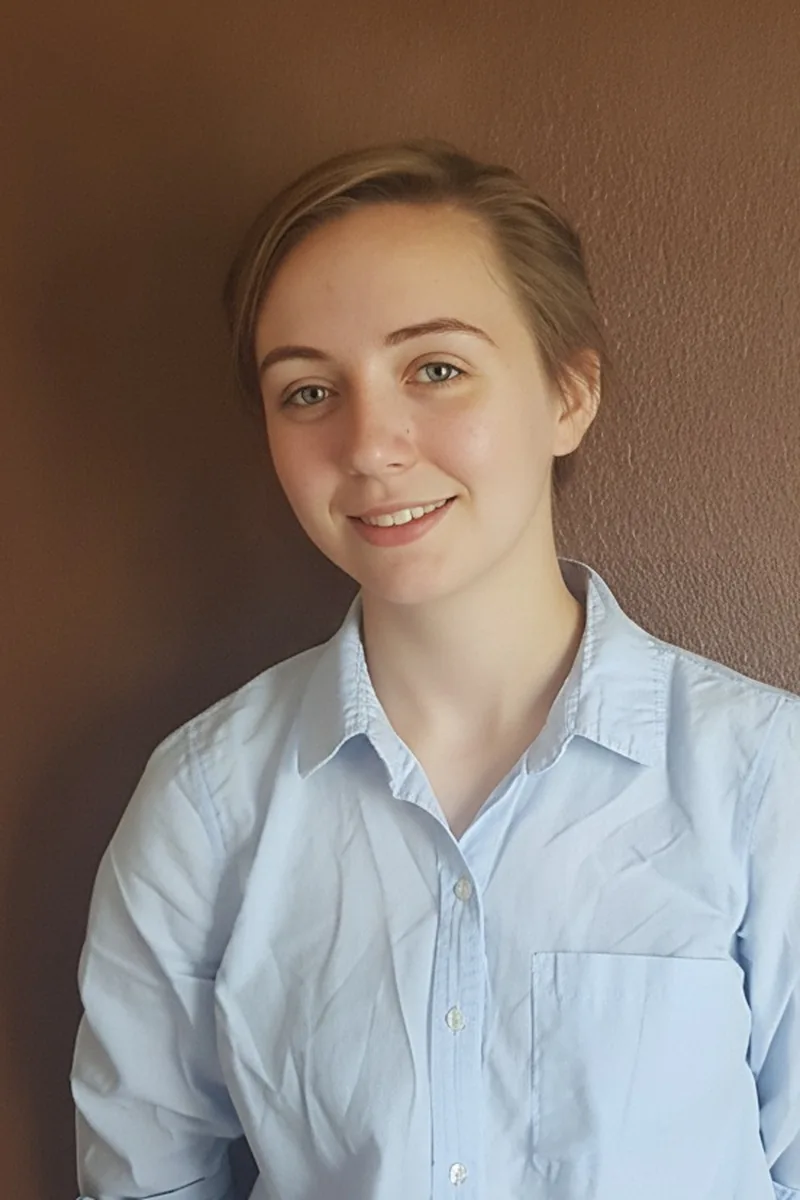
Studying Computer Science at Carleton College means Meagen writes Python regularly — not just toy scripts, but projects involving data structures, algorithms, and object-oriented design. She explains concepts like loops, conditionals, and functions by connecting the logic to what the code actually does step by step, which makes debugging feel less mysterious.
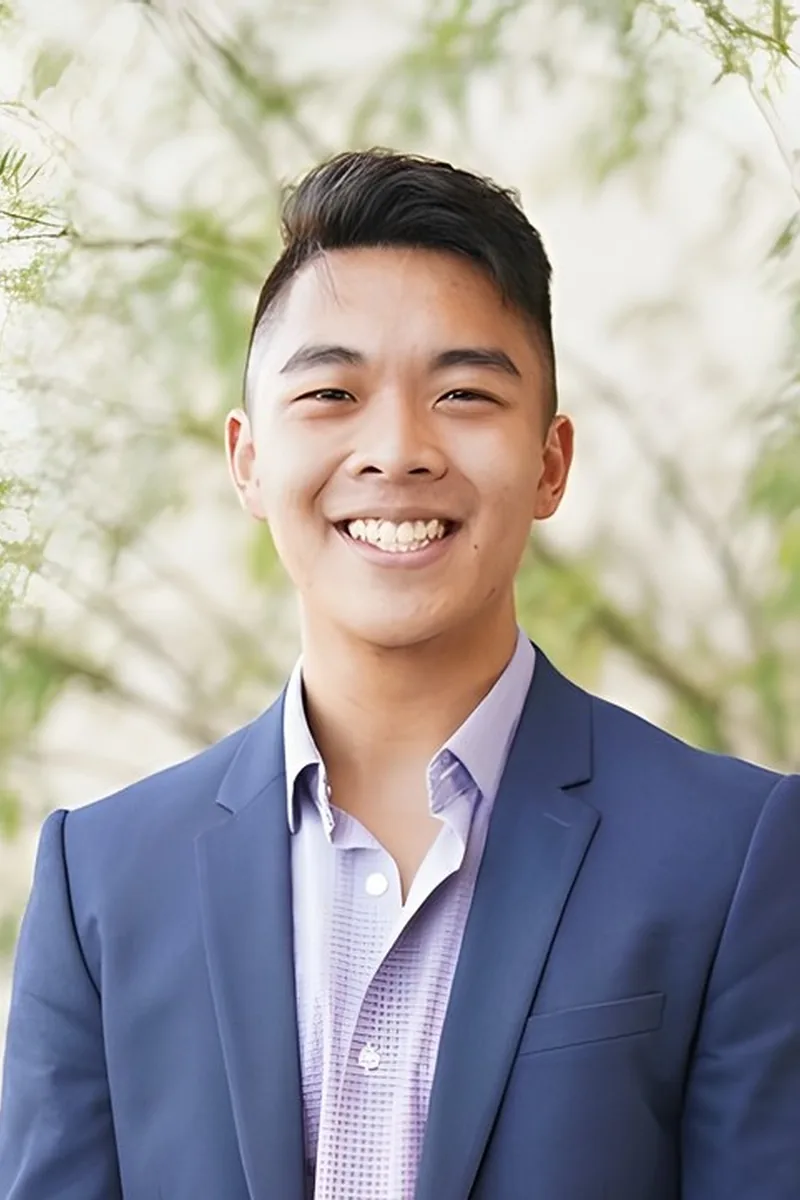
A computer science minor at UT Austin means Howard writes Python regularly — from data structures and algorithm design to scripting for engineering simulations. He teaches core concepts like loops, functions, list comprehensions, and object-oriented programming by building small projects that make abstract syntax feel purposeful.
Python's readability makes it a great first language, but students still get tripped up by list comprehensions, scope rules, and debugging cryptic tracebacks. Jerry teaches Python through project-based problem solving, drawing on the software engineering workflow he picked up during internships at Apple and Microsoft. Whether the goal is automating a task, building a web scraper, or tackling a data structures assignment, he walks through the logic before touching the keyboard.
Python's readability makes it a great first language, but students still stumble on list comprehensions, scope, and debugging logic errors in longer scripts. Alicia uses Python regularly in her architecture and engineering research — automating calculations, processing datasets, scripting design tools — so she teaches it as a practical problem-solving language, not just classroom exercises. Her 5.0 student rating speaks to how clearly she breaks down tricky concepts.
Python's readability makes it a great first language, but students still stumble on list comprehensions, dictionary manipulation, and the difference between mutable and immutable types. Jake breaks these concepts down with concrete examples — often tying scripts to real-world tasks like data parsing or automation — so the logic sticks beyond the assignment.
Computational engineering at UT Austin means Atharva writes Python almost daily — automating simulations, crunching numerical data, and building tools that sit at the intersection of math, CS, and engineering. That cross-disciplinary use gives him a knack for explaining concepts like control flow, data structures, and library integration in ways that connect to what a student is actually trying to build. Rated 5.0 by students.
Six semesters as a teaching assistant for digital logic at Cornell gave Alexander a front-row seat to how students learn to think computationally — and Python is where he translates that into actual code. His ECE and CS background means he teaches scripting through the lens of hardware interaction and system-level thinking, connecting concepts like data types, control flow, and file handling to engineering tasks rather than toy examples. Rated 5.0 by students.
Python's readability makes it a great first language, but students often hit a wall at list comprehensions, dictionary manipulation, or writing clean functions with proper scope. Lloyd uses Python daily in his data science work at Rochester, so he teaches it the way practitioners actually write it — with an emphasis on readable, efficient code and real datasets rather than toy examples.
Python's readability makes it a great first language, but students still get tripped up by list comprehensions, mutable default arguments, and the difference between shallow and deep copies. Sourav teaches Python with a CS fundamentals lens, connecting syntax to underlying concepts like data types, scope, and algorithmic efficiency so students can write code that actually scales.
Python's readability makes it a great first language, but students still stumble on list comprehensions, dictionary manipulation, and the jump from scripting to writing modular, function-driven code. Bennet uses Python regularly across his coursework and internships, and he teaches it by building small projects that make each concept stick rather than running through disconnected exercises.
As a physics major at UT Austin, Bonita writes Python to do what physicists actually need it for — simulating motion, crunching numerical solutions to differential equations, and plotting data from lab experiments. That science-first coding background means she teaches loops, functions, and libraries like NumPy by building scripts that solve physics and math problems, so students learn syntax while producing something they can actually interpret.
I'm a Computer Science student who's been teaching all my life. From tennis camps for kids to an engineering physics class for college kids, I really enjoy helping someone discover for themselves what they are capable of! Please let me know if there's anything you'd like me to help you with.
Testimonials
Because the right Python tutor makes all the difference.
Average Session Rating – Based on 3.4M Learner Ratings
Nearby Python Tutors
Other Austin Tutors
Related Technology and Coding Tutors in Austin
Frequently Asked Questions
Your first session is all about understanding your goals and current skill level. A tutor will ask about what you're working on—whether that's learning Python fundamentals, preparing for AP Computer Science, or building a specific project—and assess where you're starting from. From there, you'll work together to create a personalized learning plan that matches your pace and interests.
Debugging is one of the most valuable skills in programming, and tutors help you develop a systematic approach to finding and fixing errors. Rather than just telling you what's wrong, they'll teach you how to read error messages, use debugging tools, and think through your code logically to identify problems. This hands-on practice builds confidence and makes you a more independent programmer.
Syntax is the rules of the language—how to write valid Python code—while logic is the thinking behind what your code does. Many students struggle because they focus only on syntax without understanding the algorithmic thinking underneath. Personalized tutoring helps you build both: you'll learn the syntax you need while developing the problem-solving skills that let you design and build real applications.
Data structures like lists, dictionaries, and sets are fundamental to writing efficient Python code and solving complex problems. Tutors teach them through hands-on practice and real examples—not just theory—so you understand when and why to use each one. This practical approach helps you move from memorizing definitions to actually using data structures to build working programs.
Absolutely—in fact, project-based learning is one of the most effective ways to develop programming skills. Whether you're interested in web development, data science, game development, or automation, tutors can guide you through building real applications while teaching you Python concepts along the way. You'll get code review feedback and learn best practices that go beyond what you'd pick up from tutorials alone.
Yes. AP Computer Science A uses Java, but many students benefit from learning Python first because it's more readable and helps you focus on programming logic without getting bogged down in syntax. Tutors can help you build a strong foundation in core concepts—variables, loops, conditionals, arrays, and object-oriented programming—that directly transfer to Java preparation.
Varsity Tutors connects you with tutors who have strong expertise in Python and computer science education. Many have professional software development experience, computer science degrees, or extensive teaching backgrounds. When you get matched with a tutor, you'll see their qualifications and can discuss their experience with the specific areas you want to focus on.
Austin's 24 school districts teach computer science at different levels, from introductory coding in middle school to AP Computer Science in high school. Personalized tutoring adapts to your specific school's curriculum and pace, whether you need help keeping up, want to move ahead, or are preparing for exams and competitions. With a 14.9:1 student-teacher ratio across the district, tutoring provides the focused attention that helps you master concepts faster.
Let’s find your perfect tutor
Answer a few quick questions. We’ll recommend the right plan and match you with a top 5% tutor.