Award-Winning French Tutors
serving Memphis, TN
French
Tutors in Memphis
Private 1-on-1 tutoring, weekly live classes for academic support, test prep & enrichment, practice tests and diagnostics, and more to elevate grades and test scores.
Based on 3.4M Learner Ratings
UniversitiesSchools & Universities
DeliveredHours Delivered
ProficiencyGrowth in Proficiency
Who needs tutoring?
No obligation. Takes ~1 minute.
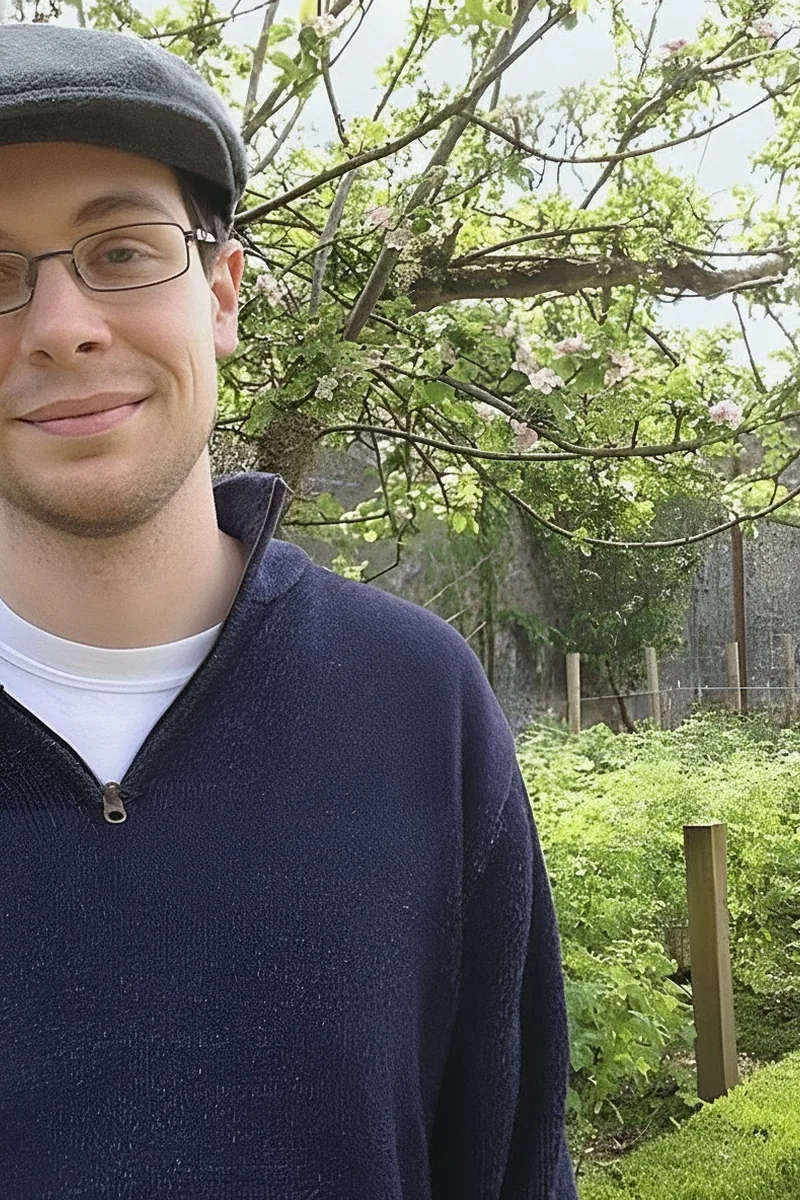
Patrick spent an exchange year at the École Normale Supérieure in Paris, where he conducted archival research entirely in French — reading, writing, and debating in academic settings daily. That immersion gives him a practical command of grammar, vocabulary, and idiomatic usage that he brings to everything from verb conjugation drills to reading comprehension.

Edgar doesn't just teach French from a textbook — he uses it professionally and holds a degree in Modern Languages, which means students get exposed to authentic pronunciation, idiomatic expressions, and grammatical structures as they actually appear in conversation and formal writing. He covers everything from passé composé versus imparfait distinctions to building complex sentences with relative pronouns.
Learning French alongside Spanish can either create confusion or unlock shortcuts, and Jenny knows how to make it the latter. She teaches students to leverage cognates and shared grammatical structures between Romance languages — like recognizing that French passé composé and Spanish pretérito perfecto follow parallel logic. Her certified language teaching background means she approaches French with real pedagogical structure, not just conversational exposure.
Living in both France and French-speaking Switzerland gave Mary an ear for how the language actually sounds outside a classroom — the liaisons native speakers swallow, the slang that textbooks skip. She weaves film clips, songs, and journal articles into lessons so students internalize grammar patterns like passé composé versus imparfait through real usage, not just conjugation charts. Rated 5.0 by students.
Time spent actually living in France separates Heather from tutors who learned the language only in a classroom. She teaches French grammar — verb conjugations, gendered nouns, subjunctive mood — with the kind of intuition that comes from navigating daily life in the language, from ordering at a boulangerie to reading Le Monde.
Learning French well means internalizing patterns — verb conjugation groups, pronoun placement rules, the logic behind gendered nouns — rather than brute-force memorizing tables. Jacob teaches French by connecting these structural patterns so that new vocabulary and grammar feel like extensions of what a student already knows, not isolated facts to cram.
Elena studies French at Vanderbilt and approaches the language through structured grammar drills paired with cultural context — connecting verb conjugations and pronoun usage to real French texts and media. For students in French 1 or beyond, she emphasizes building confidence with spoken and written production rather than passive vocabulary lists.
As a chemistry and English double major at Vanderbilt, Lawrence brings a dual analytical-and-literary mindset to French — the systematic thinking that makes conjugation patterns stick and the literary sensitivity that makes reading comprehension feel natural. He covers French 1 fundamentals like present-tense verbs and essential vocabulary, approaching grammar as a structured system rather than a list of exceptions to memorize.
A philosophy major might seem like an unusual French tutor, but Alyssa's training in close reading and logical structure translates directly to mastering verb conjugation patterns, pronoun placement, and sentence construction. She teaches French from level 1 through AP and knows how to connect grammar rules to the bigger picture of how the language actually works.
Sara is minoring in French at Washington University in St. Louis and has studied the language through the advanced level, giving her a deep understanding of verb conjugation patterns, gendered grammar, and the subtleties of written French. She teaches grammar not as a set of disconnected rules but as a system that becomes intuitive with the right practice. Rated 4.7 by students, she covers everything from foundational vocabulary to complex literary and conversational registers.
Laura studied French through the third-year level and approaches the language with the same analytical rigor she applies to her other subjects. She unpacks grammar concepts like the subjunctive and object pronoun placement by connecting them to patterns students already recognize, making conjugation tables and agreement rules feel less arbitrary.
Having studied through French 3, Annelisa is well-suited for students building their foundation in the language — verb conjugation patterns, gendered nouns, and the tricky rules around articles and prepositions. She breaks down grammar concepts methodically, connecting written exercises to how the language actually sounds and flows in practice.
Learning French means internalizing a new system of verb conjugations, gendered nouns, and sentence structures that don't map neatly onto English. Johann teaches French from beginner through advanced levels and uses his background in theatre to make pronunciation and spoken delivery feel natural rather than forced. His students build real reading and speaking ability, not just flashcard knowledge.
Having tutored French to middle and high school students, Emily knows exactly where learners tend to stall — verb conjugation patterns, gendered nouns, and the leap from translating word-by-word to thinking in full French sentences. She builds reading and conversation skills alongside grammar so that rules stick in context rather than in isolation.
Learning a second Romance language becomes much easier when someone can show you the patterns connecting it to one you already know. Geraldine, who is fluent in Spanish and studied French, draws on those shared Latin roots to demystify French grammar — explaining why subjunctive triggers or gendered nouns work the way they do. She emphasizes pronunciation and listening comprehension alongside written exercises.
Studying both linguistics and psychology at the University of Chicago gave Sherry an unusual edge for teaching French — she understands how language systems are structured and how the brain actually acquires new ones. She applies that dual perspective to everything from gendered noun patterns to the nuances of French phonology, making unfamiliar sounds and grammar feel more logical. Rated 5.0 by students.
Living in France for a year and tutoring in Dartmouth's French department gave Ben a feel for the language that goes well beyond verb charts. He unpacks tricky grammar concepts like the subjunctive and object pronoun placement by connecting them to real spoken patterns, making the rules intuitive rather than arbitrary. Rated 5.0 by students.
Four levels of French coursework gave Alessia a thorough command of everything from partitive articles to the plus-que-parfait. She teaches grammar as a system rather than a set of isolated rules, so students start recognizing patterns — like how object pronoun order works — instead of memorizing charts. Her 5.0 rating speaks to the clarity she brings to the language.
From nailing the partitive article to untangling the imparfait/passé composé distinction, French grammar has a logic that clicks once someone lays it out clearly. Jorge spent years reading and discussing Francophone texts during his studies at Harvard and Columbia, and that deep familiarity with how French actually works — in academic writing, in conversation, in culture — comes through in how he teaches the language.
Margot's French studies span grammar, reading comprehension, and cultural context — from mastering passé composé versus imparfait to navigating authentic French texts. She connects language rules to real usage patterns so that conjugation tables start making intuitive sense rather than feeling like rote memorization.
Lauren earned her bachelor's degree in French, which means she doesn't just teach grammar rules — she understands the language from the inside, including the irregular verb patterns, gendered agreement quirks, and subjunctive triggers that textbooks often gloss over. Whether a student is wrestling with passé composé versus imparfait or building reading comprehension, she can explain the why behind the rule.
Testimonials
Because the right French tutor makes all the difference.
Average Session Rating – Based on 3.4M Learner Ratings
Nearby French Tutors
Other Memphis Tutors
Related Languages Tutors in Memphis
Frequently Asked Questions
Speaking practice is one of the biggest challenges in traditional classroom settings, where students often get limited opportunities to speak one-on-one. Personalized 1-on-1 French tutoring provides dedicated conversation time focused on your pronunciation, fluency, and confidence. Tutors can tailor discussions to your interests and proficiency level, correcting mistakes in real-time and helping you develop natural speaking patterns that go beyond textbook French.
French verb conjugation is challenging because the language has multiple tenses (present, passé composé, imparfait, future, and more) with different conjugation patterns for regular and irregular verbs. Rather than memorizing conjugation tables, expert tutors help you understand the patterns and use spaced repetition and practice testing to build long-term retention. Personalized instruction allows tutors to focus on the specific tenses and verbs that give you the most trouble, accelerating your progress.
Vocabulary retention relies on active recall and spaced repetition—seeing words in context, using them in conversation, and revisiting them over time. Tutors can incorporate vocabulary into real conversations and writing exercises tailored to topics you care about, making words more memorable than isolated flashcard study. This approach helps you build a practical, usable vocabulary rather than words you forget after the test.
Listening comprehension improves through exposure to native-speed French and guided practice identifying key phrases and context clues. Tutors can play authentic French media, adjust the pace to your level, and help you develop strategies for understanding even when you don't know every word. Regular 1-on-1 listening practice with immediate feedback helps you train your ear to recognize pronunciation patterns and conversational French that sounds very different from classroom material.
Yes—language and culture are deeply connected. Understanding French culture, idioms, and social norms helps you use the language authentically and grasp why certain phrases are used in specific situations. Tutors often weave cultural context into lessons, explaining not just how to say something but why French speakers say it that way. This approach makes learning more meaningful and helps you avoid awkward, overly literal translations.
Reading and writing skills develop through guided practice with authentic materials matched to your level, from children's books and news articles to literature and essays. Tutors can help you understand complex grammar structures in context, build writing skills through composition with feedback, and develop strategies for tackling unfamiliar texts. Personalized instruction ensures you're working with materials that challenge you appropriately without overwhelming you.
Your first session is an assessment and planning meeting. Tutors will evaluate your current French level across all four skills—reading, writing, listening, and speaking—and discuss your goals, whether that's passing an AP exam, preparing for travel, or achieving conversational fluency. From there, tutors create a personalized learning plan focused on your specific challenges and priorities, so every session after that builds directly toward your goals.
Fluency depends on your starting level and how much you practice. Reaching conversational proficiency typically requires 600+ hours of study according to language learning research, but personalized tutoring accelerates progress by focusing on your specific needs and providing speaking practice that classroom settings can't offer. With consistent tutoring and practice between sessions, many students see significant improvement in 3-6 months, though advanced fluency is a longer-term goal.
Let’s find your perfect tutor
Answer a few quick questions. We’ll recommend the right plan and match you with a top 5% tutor.