Award-Winning AP Computer Science Principles Tutors
serving Knoxville, TN
AP Computer Science Principles
Tutors in Knoxville
Private 1-on-1 tutoring, weekly live classes for academic support, test prep & enrichment, practice tests and diagnostics, and more to elevate grades and test scores.
Based on 3.4M Learner Ratings
UniversitiesSchools & Universities
DeliveredHours Delivered
ProficiencyGrowth in Proficiency
Who needs tutoring?
No obligation. Takes ~1 minute.
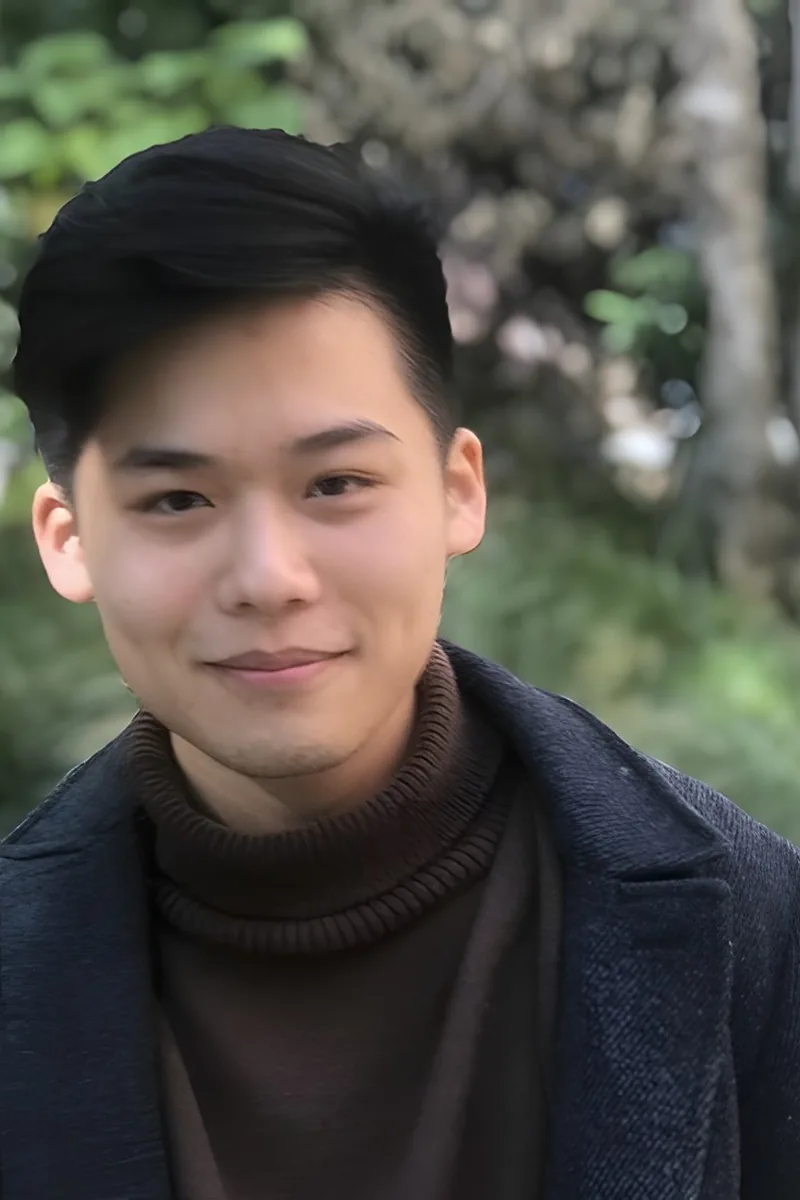
Kerr is currently building iOS apps and games as a CS major at Vanderbilt, which means the programming and design thinking in AP CSP's Create Task mirrors what he does every week. He teaches pseudocode logic and algorithm design by connecting them to real development decisions — like why a particular data structure speeds up a game or how abstraction keeps an app's codebase manageable. Rated 4.9 by students.
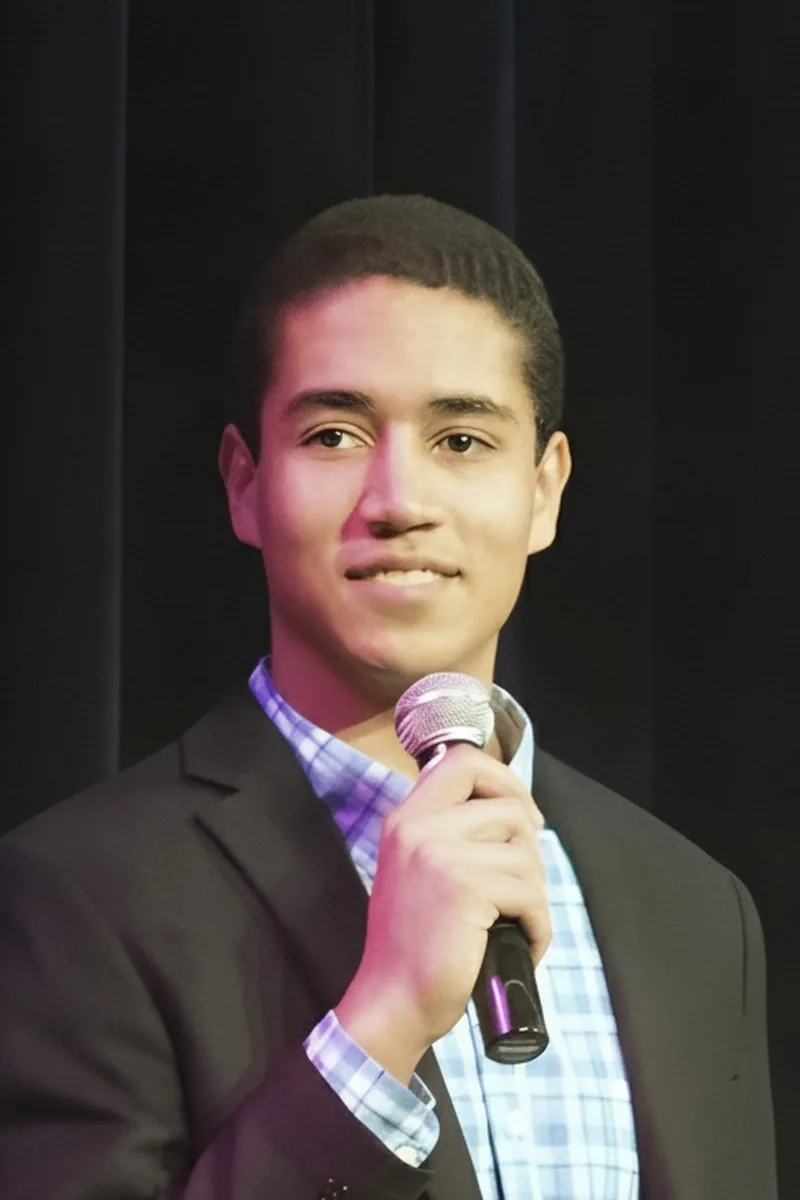
Coming from Thomas Jefferson High School for Science and Technology — one of the most competitive STEM programs in the country — and now studying computer engineering at Vanderbilt, Rhamy brings real depth to the algorithms and abstraction concepts that AP CSP tests. He digs into how programming logic actually maps to hardware, which gives students an intuitive grasp of topics like data representation and protocol layers that most review guides gloss over. Rated 5.0 by students.
Daniel's electrical engineering coursework at Vanderbilt means he writes actual code in Java and works with hardware-software interfaces daily — background that makes the pseudocode and abstraction concepts in AP CSP click faster for students. He zeroes in on algorithm design and data representation, breaking down how binary encoding and compression work at the circuit level so the logic sticks. His 36 ACT composite speaks to the kind of structured, analytical thinking he brings to Create Task coaching and exam prep.
Studying computational science at Stanford while coming from a creative arts background at Juilliard's Pre-College program, Julia brings an unusual lens to AP CSP — she naturally bridges the course's technical units on algorithms and data representation with its emphasis on the societal and creative dimensions of computing. Her 1560 SAT and 5.0 tutoring rating back up the analytical chops, but it's that crossover between engineering and the arts that makes her especially effective at coaching the Create Task, where students need both programming logic and clear written explanation.
Jackson studies computer science at Haverford and codes in both Java and Python, which means he can walk students through the Create Task in whichever language their class uses — and explain the pseudocode logic the exam actually tests. His 5.0 rating comes from making the non-coding half of AP CSP click too, connecting topics like data compression and internet protocols to real programming decisions rather than leaving them as abstract vocabulary to memorize.
I am graduated from Penn State University in Industrial Engineering in 2017. I've tutored ever since I was in high school, and I love helping people! I like to help my students understand math (and other topics) instead of just doing it blindly. My goal is to help my students improve their math (and other topics) and build skills that will help them find learning easier in the future! Fun fact, I used to work for Disney and I like to salsa dance!
Victoria's CS coursework at Washington University in St. Louis means she can ground AP CSP's abstract Big Ideas — like how abstraction layers simplify complex systems or why algorithms have different efficiencies — in actual programming experience across Java, Python, and C++. That real coding fluency is especially useful when students need to move from pseudocode on the exam to functional code in the Create Task. Rated 5.0 by students.
John's CS degree plus years coding in Java, C++, and SQL means he can ground AP CSP's more abstract units — like how the internet actually moves data or why abstraction matters in program design — in real programming experience. He also brings a finance MBA perspective to the data analysis and societal impact questions, giving students a practical lens that makes exam responses sharper and more specific.
Caltech's CS curriculum drills computational thinking at a level that makes AP CSP's big ideas — abstraction, algorithm design, data representation — feel like familiar territory for Brian. He teaches students to reason through pseudocode and explain their design choices in plain language, which is exactly what the Create Task and the multiple-choice exam reward. His 1580 SAT speaks to the kind of precise, analytical communication that carries across disciplines.
Electrical engineering taught Jake to think in systems — how signals move, how data gets encoded, how layers of abstraction stack to make hardware and software talk to each other. That mindset maps directly onto AP CSP's trickiest material, from binary representation to internet protocols to algorithm tracing in pseudocode. He also teaches across five programming languages, so the Create Task's coding component comes naturally.
Biomedical engineering at Cornell means Annie writes Python and MATLAB to process real research data — skills that map directly onto AP CSP's emphasis on programming, data analysis, and algorithmic thinking. She teaches the Create Task as a scaled-down version of the same design process she uses in lab: define the problem, plan the logic, build iteratively, then explain your choices clearly. Rated 4.9 by students.
Ritesh's physics training at Cornell actually maps neatly onto AP CSP — both demand thinking about systems in layers, whether that's abstraction in computing or modeling forces in mechanics. He teaches the pseudocode and algorithm-tracing portions by treating them like physics problem-solving: break the system into parts, track what changes at each step, and verify the output makes sense.
Two years working in AI and machine learning gave Brandon a firsthand sense of how the Big Ideas in AP CSP — data representation, algorithmic efficiency, the societal implications of computing — play out in industry, especially around bias in datasets and the ethics of automation. He teaches the Internet and cybersecurity portions of the course through the lens of systems he's actually built, and his CS master's work at RIT keeps him sharp on the pseudocode reasoning the exam demands. Rated 4.9 by students.
Giovanni's dual training in mathematics and computer science at Emory means he can teach the algorithmic thinking in AP CSP from both a coding perspective and a pure logic perspective — particularly useful when students hit pseudocode trace problems or need to reason through abstraction layers on the exam. He also brings hands-on experience in Java and Python, which gives him a practical toolkit for coaching students through the Create Task from initial design to final written response. Rated 5.0 by students.
Industry experience at Microsoft and the National Institutes of Health gave Snipta a front-row seat to how computing decisions — from data privacy to algorithmic bias — play out in the real world, which is exactly the kind of reasoning AP CSP's exam and Create Task reward. Her computer science degree covers the technical side, but it's the cognitive science training that sharpens how she teaches the course's trickiest skill: explaining computational ideas in plain, precise language.
Testimonials
Because the right AP Computer Science Principles tutor makes all the difference.
Average Session Rating – Based on 3.4M Learner Ratings
Nearby AP Computer Science Principles Tutors
Other Knoxville Tutors
Related Technology and Coding Tutors in Knoxville
Frequently Asked Questions
AP Computer Science Principles covers five core units: creative development (designing programs and collaborating), data (representing and interpreting data), algorithms (creating and analyzing algorithms), programming (variables, control structures, and functions), and computing innovations (exploring the impacts of computing). The course emphasizes computational thinking and real-world applications rather than focusing solely on coding syntax, making it accessible for students new to computer science.
The AP CSP exam consists of two components: a Create Performance Task (CPT) completed during the school year that counts for 30% of your score, and an end-of-year exam worth 70% that includes multiple-choice and free-response questions. The exam tests your understanding of computational concepts, programming skills, and the ability to explain how computing impacts society. Tutors can help you develop strong project ideas for the CPT and practice time-management strategies for the timed exam sections.
AP scores range from 1-5, with a 3 typically considered passing and qualifying for college credit at most universities. However, score requirements vary by college—some require a 4 or 5 for credit. Working with a tutor can help you identify your current strengths and weaknesses early, set realistic goals based on your starting point, and develop a focused study plan to reach your target score by exam day in May.
Many students struggle with the balance between understanding abstract computational concepts and applying them through coding, especially if they're new to programming. Others find the Create Performance Task challenging because it requires sustained project work over several months alongside regular coursework. Time management during the exam—particularly pacing through the free-response section—is another common pain point. Personalized tutoring can help you break down complex concepts, stay on track with your CPT, and practice exam strategies under timed conditions.
Starting tutoring early in the school year—ideally in the fall—gives you time to build a strong foundation in computational thinking and programming fundamentals before the Create Performance Task deadline (typically in April). However, even if you start in the spring, a tutor can help you maximize your exam preparation, review weak areas, and practice test-taking strategies. The earlier you begin, the more time you have to develop confidence and mastery.
The CPT is a major component of your AP score, and tutors can guide you through each phase: brainstorming project ideas that meet AP requirements, planning your program's functionality, explaining your code and design decisions clearly, and ensuring your written responses address all scoring criteria. Tutors help you avoid common mistakes like choosing overly complex projects or failing to adequately document your process, which are frequent reasons for lost points on this component.
Varsity Tutors connects Knoxville students with expert tutors who specialize in AP Computer Science Principles and understand the specific demands of the course and exam. You can get matched with a tutor who fits your schedule and learning style, whether you need help with particular units, exam prep, or the Create Performance Task. The matching process takes into account your goals, current level, and preferred learning environment.
Effective preparation combines three elements: mastering the core concepts through active learning (not just re-reading notes), practicing free-response questions under timed conditions to build exam stamina, and reviewing your mistakes to identify patterns in weak areas. A tutor can help you create a study schedule that balances concept review with practice testing, teach you how to approach different question types, and build confidence by addressing test anxiety before exam day in May.
Let’s find your perfect tutor
Answer a few quick questions. We’ll recommend the right plan and match you with a top 5% tutor.