Award-Winning Phonics Tutors
serving Charleston, SC
Phonics
Tutors in Charleston
Private 1-on-1 tutoring, weekly live classes for academic support, test prep & enrichment, practice tests and diagnostics, and more to elevate grades and test scores.
Based on 3.4M Learner Ratings
UniversitiesSchools & Universities
DeliveredHours Delivered
ProficiencyGrowth in Proficiency
Who needs tutoring?
No obligation. Takes ~1 minute.

Early reading clicks when a child can reliably map sounds to letter patterns, and John approaches phonics with the same structured patience he brings to every subject. He moves systematically through blends, digraphs, and vowel teams, building decoding confidence one skill at a time.
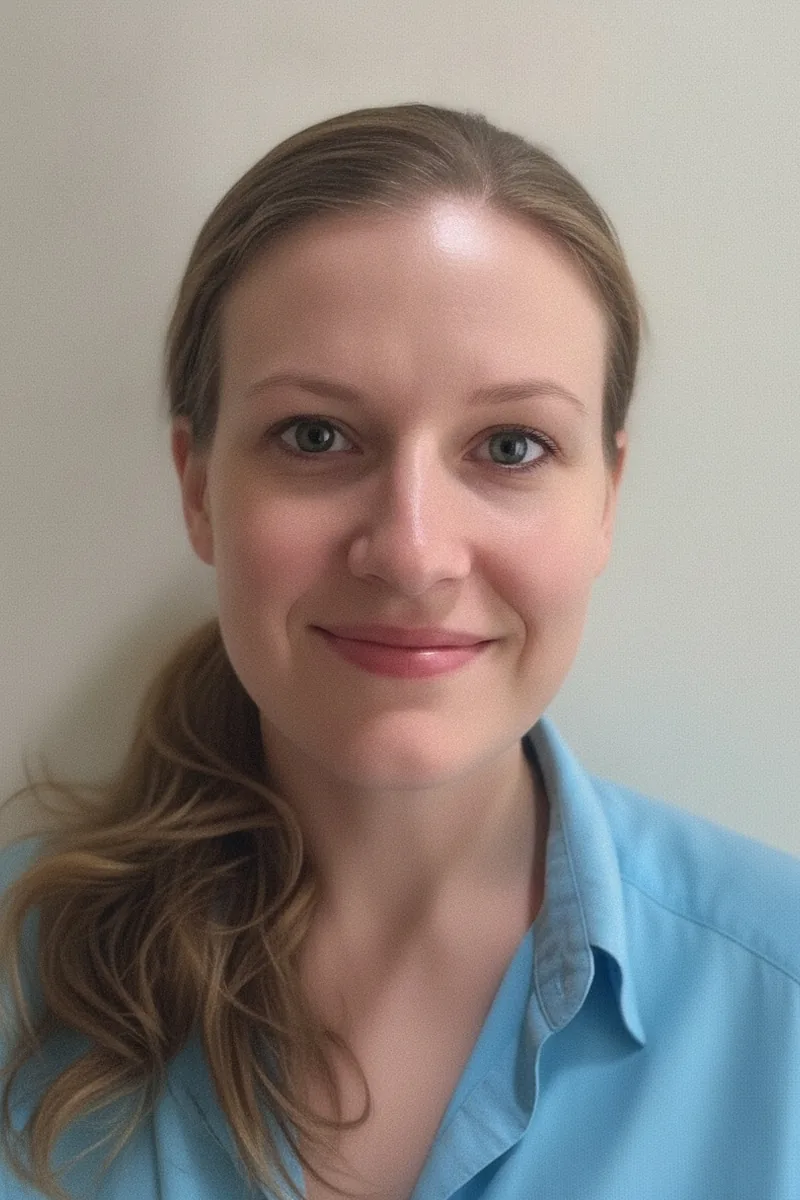
Teaching ESL to children in Chile meant starting from scratch with sound-letter relationships, blending, and decoding — the same foundational phonics skills that young English-speaking readers need to master. Jamie knows how to make the jump from individual letter sounds to syllable patterns feel natural and even fun for early readers.
Elena approaches phonics by connecting letter patterns to the sounds students already know, building confidence with blends, digraphs, and vowel teams through repetition that doesn't feel repetitive. Her background in French phonetics gives her an ear for the subtle sound distinctions that trip up early readers, especially those navigating more than one language at home.
Early readers need to hear the logic inside words — why 'ph' sounds like 'f,' how a silent 'e' changes a vowel from short to long. Kim teaches phonemic awareness through systematic decoding practice, building the kind of letter-sound fluency that turns sounding out words into confident, automatic reading.
As the oldest of five siblings, Nathan started teaching letter-sound relationships long before he became a formal tutor. He takes a systematic approach to phonics, building from individual consonant and vowel sounds through blends, digraphs, and multisyllabic decoding so young readers gain real independence with unfamiliar words.
Years of ESL teaching at the elementary level gave Madison firsthand experience with how phonics instruction actually works in practice — blending, segmenting, and decoding unfamiliar words one sound at a time. She knows which letter patterns trip kids up most (silent e rules, vowel teams, r-controlled vowels) and uses repetition and word-building games to make those patterns stick. Her patience with early readers shows in her 4.9 rating.
I am an Atlanta native. I hold an undergraduate degree in Business from Tennessee State University and graduated degree in Education from Cambridge College. I am a Georgia and Texas certified teacher. I have always enjoyed working with kids. I have taught kindergarten, first, second and fourth grade. I am a hard-worker, team player and passionate about my students succeeding in whatever they set their minds too. I currently hold endorsements in K-5 Mathematics, Teacher Support Specialist, and ESOL (English for Speakers of Other Languages). I am able to provide instruction that meets the needs of all students. I have the ability to differentiate instruction so that I cater to all learning styles and levels.
Ben pairs his background as a history teacher — where reading is the foundation of everything — with a lifelong love of books to make phonics instruction stick for early readers. He connects letter-sound relationships, blending, and sight-word recognition to actual stories kids want to read, turning decoding practice into something that feels more like discovery than drill.
Cognitive science research on how the brain processes language directly informs how Ruiy teaches phonics — she understands the difference between phonemic awareness and phonics instruction and why both matter for early readers. She uses systematic decoding exercises that build from individual letter-sound relationships to blending consonant clusters and recognizing common vowel patterns like silent-e and vowel teams.
Years of directing tutors and teaching at a charter middle school in Boston — including earning a master's in special education for mild to moderate disabilities — gave Liz extensive practice adapting decoding instruction for students with dyslexia, ADHD, and other learning differences that can make letter-sound connections especially tricky. She structures phonics lessons around each reader's specific breakdown point, whether it's vowel teams they haven't solidified or multisyllabic words they're guessing at rather than sounding through. Rated 4.7 by clients.
Learning to read starts with hearing the individual sounds inside words. Jennifer teaches phonemic awareness and letter-sound correspondence through structured, sequential practice — blending, segmenting, and decoding — so young readers build the skills to tackle unfamiliar words independently.
Decoding words is the gateway to independent reading, and Anniessa approaches phonics with the patience and precision her ESL training demands. She breaks down letter-sound relationships, blending, and sight-word recognition using multisensory techniques that keep young readers engaged rather than frustrated. Her 5.0 rating speaks to how well that approach lands with families.
Testimonials
Because the right Phonics tutor makes all the difference.
Average Session Rating – Based on 3.4M Learner Ratings
Nearby Phonics Tutors
Other Charleston Tutors
Related English Tutors in Charleston
Frequently Asked Questions
Phonics is the method of teaching students to read by connecting letters and letter combinations with their sounds, then blending those sounds into words. It's a foundational skill that helps students decode unfamiliar words independently and builds the confidence they need to become fluent readers. Research shows that explicit phonics instruction is one of the most effective approaches for helping early readers develop strong decoding skills.
Many students struggle with letter-sound correspondence, blending sounds together, and understanding irregular words that don't follow standard phonetic patterns. Others have difficulty with phonemic awareness—the ability to hear and manipulate individual sounds in words—which is essential before phonics instruction becomes effective. Some students also find it hard to apply phonics rules consistently across different words and contexts, which can slow their reading progress.
In a classroom setting with an average student-teacher ratio of 13.9:1 in Charleston schools, teachers often can't provide the individualized practice and feedback that struggling readers need. Personalized 1-on-1 instruction allows tutors to identify exactly where a student is struggling—whether it's with specific letter sounds, blending, or sight words—and tailor lessons to their learning pace and style. This targeted approach means students get immediate correction and can practice the skills they need most, rather than moving through a curriculum at a fixed pace.
Phonics is typically introduced in kindergarten and first grade, with explicit instruction continuing through second and third grade. However, students at any grade level who struggle with reading fluency, decoding, or word recognition can benefit from phonics tutoring. Even older students who missed foundational phonics instruction can make significant progress with targeted support that builds these essential skills.
During the first session, a tutor will assess your student's current phonics knowledge—which letter sounds they know, how well they can blend sounds, and where they're experiencing difficulty. They'll ask about your student's reading history and learning preferences to understand their needs better. Based on this assessment, the tutor will create a personalized plan focused on the specific phonics skills your student needs to practice and master.
Progress in phonics can be tracked through concrete improvements like increased accuracy in decoding unfamiliar words, faster reading fluency, and improved spelling. Many tutors use assessments at the start and throughout tutoring to measure growth in letter-sound knowledge, blending ability, and sight word recognition. You'll also notice practical improvements like your child reading with more confidence and independence, tackling longer or more complex books, and showing less frustration during reading time.
Yes, tutors can work with your student's specific school curriculum and learning objectives. Whether your student attends a school in Charleston's district or follows a particular reading program, tutors can complement classroom instruction by reinforcing the same phonics concepts and skills being taught in class. This alignment helps ensure that tutoring supports and accelerates what your student is already learning, rather than introducing conflicting approaches.
If your child is struggling to recognize letter sounds, blend sounds into words, or keep up with reading instruction in their grade level, phonics tutoring can help right away. Early intervention is most effective—the sooner a student gets targeted support, the faster they can catch up and build confidence. Even if your child is in upper elementary or beyond and still struggling with reading fluency, personalized phonics instruction can help fill gaps and unlock their reading potential.
Let’s find your perfect tutor
Answer a few quick questions. We’ll recommend the right plan and match you with a top 5% tutor.