Award-Winning AP Environmental Science Tutors
serving Providence, RI
AP Environmental Science
Tutors in Providence
Private 1-on-1 tutoring, weekly live classes for academic support, test prep & enrichment, practice tests and diagnostics, and more to elevate grades and test scores.
Based on 3.4M Learner Ratings
UniversitiesSchools & Universities
DeliveredHours Delivered
ProficiencyGrowth in Proficiency
Who needs tutoring?
No obligation. Takes ~1 minute.

Todd's biology degree from UIUC gives him the ecological and cellular foundations that underpin APES topics like nutrient cycling, energy flow through trophic levels, and ecosystem disruption — and his social work training adds a surprisingly useful lens for the policy and human-impact questions that dominate the free-response section. He teaches students to trace cause-and-effect across units, which is the skill the exam actually scores on. Rated 5.0 by students.
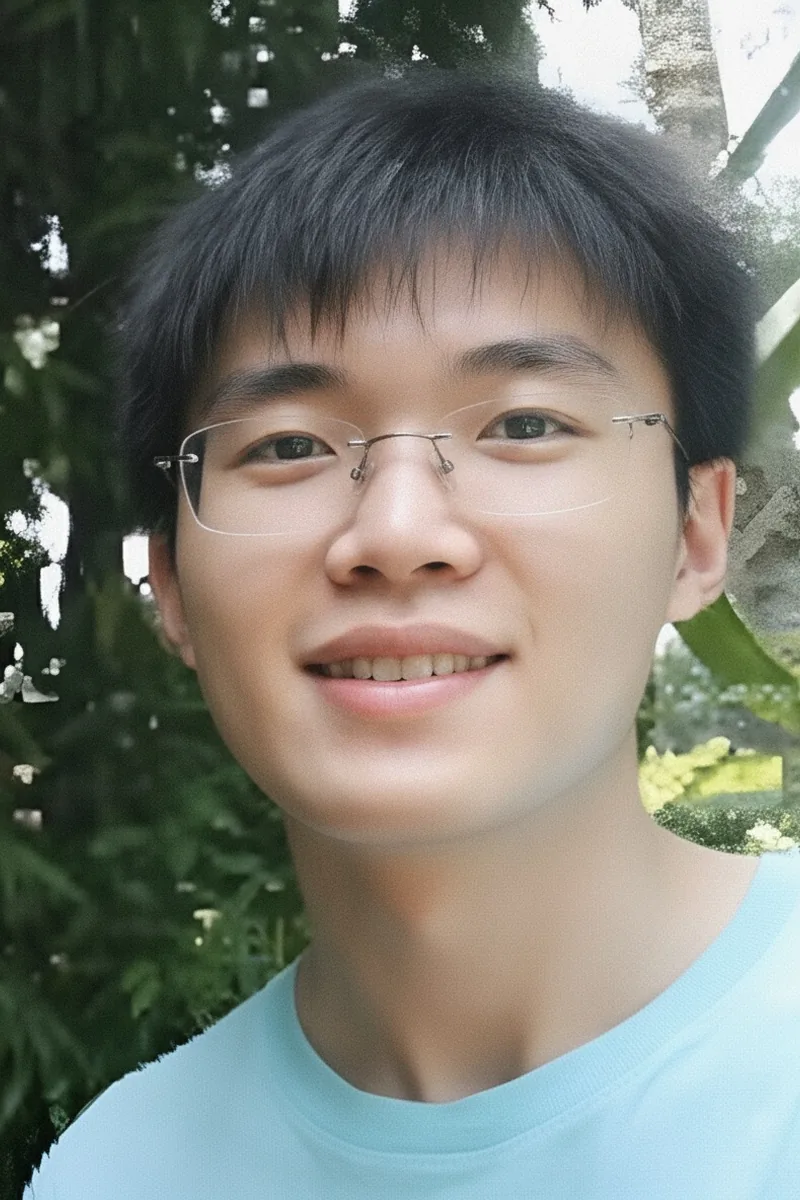
A Harvard-trained researcher who wrote his senior thesis on John Dewey's philosophy of education, Henry connects AP Environmental Science topics like biogeochemical cycles and ecosystem dynamics to the real-world policy debates that make them matter. He teaches students to interpret data sets and construct free-response answers that earn full credit by linking evidence to scientific claims.
Business students learn to think in systems — supply chains, market feedback loops, cost-benefit trade-offs — and Myna applies that same framework to APES topics like resource depletion, environmental policy trade-offs, and the economic arguments embedded in free-response questions about sustainability. Her 34 ACT reflects sharp reading comprehension and data interpretation skills, which she channels into breaking down the graphs, experimental designs, and calculation problems that catch students off guard on exam day.
Creative writing isn't the obvious path to APES, but Sydney's strength is in the skill most students neglect: constructing clear, evidence-driven free-response answers that earn full credit instead of rambling through half-remembered vocabulary. Her 35 ACT and 1600 SAT reflect the kind of analytical reading ability that translates directly to interpreting experimental designs and data sets on the exam. Rated 4.9 by students.
Stanford's Science, Technology, and Society major sits at the exact intersection APES lives in — where ecological science meets human systems, policy decisions, and technological trade-offs. Rithika's IB and National AP Scholar background means she's already navigated the kind of interdisciplinary, essay-heavy exams that APES models itself on, and she uses that experience to teach students how to connect scientific evidence to real-world environmental consequences in their free-response answers.
What sets APES apart from most AP exams is how much it rewards interdisciplinary thinking — linking ecology to policy, economics to resource depletion, human behavior to environmental degradation. Rachel's background spans history, writing, and the humanities, which makes her particularly effective at coaching the argument-style free-response questions where students must weave evidence into structured, persuasive explanations of environmental trade-offs. Rated 5.0 by students.
Running a natural sciences department at a bilingual elementary school in Ecuador gave Joy firsthand experience with the ecological and conservation concepts that anchor the AP Environmental Science curriculum. She digs into topics like biogeochemical cycles, biodiversity loss, and resource management with real-world case studies drawn from her ecology and conservation biology specialization at Boston University. Her Master of Arts in Teaching adds a layer of exam-strategy coaching that keeps students focused on the free-response skills the AP exam rewards.
Three years working on organic farms and sustainable land stewardship projects gave Dylan firsthand experience with the biogeochemical cycles, soil science, and ecosystem dynamics that AP Environmental Science tests in detail. He connects FRQ-style questions back to real fieldwork — explaining nutrient runoff or biodiversity loss through situations he's actually observed — which makes the material stick far better than rote review.
Katie holds a master's in science education and a bachelor's in natural resources and conservation — meaning she didn't just study APES topics like land use, biodiversity, and resource management as exam content; they were her actual field of study. She teaches students to think in cause-and-effect chains across units, connecting deforestation to soil erosion to water quality decline, which is exactly the kind of multi-step reasoning the free-response rubrics reward. Rated 5.0 by students.
Scott earned his Master's in Ecology studying exactly the systems the AP Environmental Science exam tests — biogeochemical cycles, biodiversity loss, population dynamics, and resource management. He breaks down free-response questions by teaching students to connect data interpretation with the underlying ecological principles, which is where most points are won or lost on exam day.
Before she ever tutored APES, Jenna was on the other side — she used tutoring herself in high school to push through tough coursework and earned a 31 ACT and full-tuition scholarship along the way. That experience gives her a sharp read on where students get stuck, especially on the policy and legislation units where environmental science intersects with the kind of big-picture cause-and-effect reasoning she sharpened across her humanities and writing coursework. Rated 4.9 by students.
Most APES students can memorize vocabulary lists but freeze when a free-response question asks them to explain how a neurotoxin moves through a food web or why bioaccumulation affects top predators disproportionately — Jhonatan's neuroscience specialization means he actually understands those biological mechanisms at the molecular level. He teaches students to trace environmental disruptions through living systems rather than treating each unit as isolated content, which is the connective thinking the exam scores highest. Rated 5.0 by students.
Testimonials
Because the right AP Environmental Science tutor makes all the difference.
Average Session Rating – Based on 3.4M Learner Ratings
Practice AP Environmental Science
Free practice tests, flashcards, and AI tutoring for AP Environmental Science
Other Providence Tutors
Related Science Tutors in Providence
Frequently Asked Questions
Score improvement depends on your starting point and commitment level, but students typically see meaningful gains within 8-12 weeks of consistent tutoring. A tutor can help you identify which of the exam's major content areas—like ecosystems, human impacts, and environmental chemistry—are your weak spots, then target those systematically. Many students jump from a 2 or 3 to a 4 or 5 by focusing on the free-response questions, which account for 40% of your score and reward clear reasoning over memorization.
The AP Environmental Science exam covers eight major units: the living world and ecosystems, populations, land and water use, energy resources and consumption, pollution, global change, and human impacts on the environment. Each unit includes both conceptual understanding and real-world applications—you'll need to know not just what acid rain is, but why it happens and how to solve it. A tutor can help you connect these topics to local Providence and Rhode Island environmental issues, which makes the material stick better and helps you answer application-based questions more confidently.
Free-response questions on the AP Environmental Science exam require you to explain concepts, analyze data, and propose solutions—not just recall facts. The biggest mistake students make is writing too much without structure; tutors teach you to use the point-based rubric as your roadmap, answering exactly what's asked in 2-3 clear paragraphs. Practice with released exam questions under timed conditions is essential—aim to complete each FRQ in about 22 minutes—and having someone review your responses for clarity and accuracy accelerates improvement faster than self-grading.
Test anxiety in AP Environmental Science often stems from feeling unprepared for the breadth of content or uncertain about how to approach unfamiliar data sets. Working with a tutor helps you build confidence by practicing under realistic exam conditions repeatedly—this familiarity reduces anxiety significantly. Your tutor can also teach you pacing strategies (like spending 2-3 minutes reading each FRQ before writing) and breathing techniques to stay calm when you encounter a tough question, so you can move on and earn points elsewhere instead of freezing up.
Most students benefit from starting tutoring 12-16 weeks before the exam in May, meeting 1-2 times per week. This timeline gives you enough time to work through all eight units, take multiple practice tests, and refine your weak areas without cramming. If you're starting closer to exam day, more frequent sessions (2-3 per week) can still help you prioritize the highest-yield topics and maximize your score in the time you have left.
Practice tests reveal exactly which content areas and question types trip you up—whether it's interpreting graphs, understanding population dynamics, or analyzing environmental policies. Taking full-length practice tests under timed conditions also trains your pacing and stamina, since the actual exam is 3 hours long. A tutor can review your practice test results with you to identify patterns in your mistakes, then target instruction on those specific gaps rather than re-teaching material you already know.
Students in Providence and across the country often struggle with quantitative reasoning—especially interpreting data sets, calculating population growth rates, and understanding energy flow through ecosystems. Environmental chemistry concepts like pH, bioaccumulation, and photosynthesis also trip up many students because they require both conceptual understanding and the ability to apply that knowledge to real-world scenarios. A tutor can break these topics into smaller, digestible pieces and use local examples (like pollution in Narragansett Bay or Rhode Island's renewable energy initiatives) to make abstract concepts concrete and memorable.
Look for tutors with strong backgrounds in environmental science, biology, chemistry, or earth science—ideally with experience teaching or tutoring AP-level students. They should be familiar with the current AP Environmental Science curriculum and exam format, and able to explain both the 'what' and the 'why' behind environmental concepts. Varsity Tutors connects you with expert tutors who understand the exam's expectations and can teach you not just content, but the strategic thinking and communication skills that earn high scores.
Let’s find your perfect tutor
Answer a few quick questions. We’ll recommend the right plan and match you with a top 5% tutor.