Award-Winning AP Spanish Language & Culture Tutors
serving Harrisburg, PA
AP Spanish Language & Culture
Tutors in Harrisburg
Private 1-on-1 tutoring, weekly live classes for academic support, test prep & enrichment, practice tests and diagnostics, and more to elevate grades and test scores.
Based on 3.4M Learner Ratings
UniversitiesSchools & Universities
DeliveredHours Delivered
ProficiencyGrowth in Proficiency
Who needs tutoring?
No obligation. Takes ~1 minute.
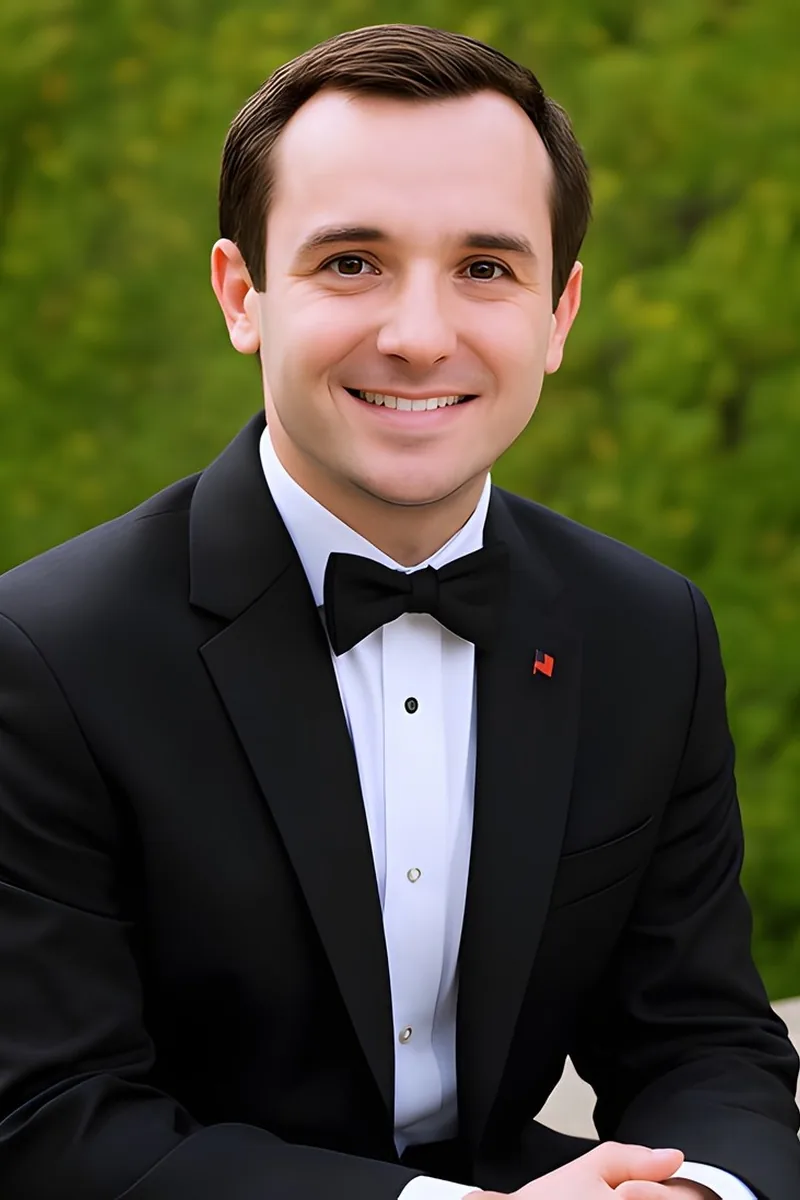
Scoring well on the AP Spanish Language exam means toggling fluently between reading comprehension, audio interpretation, and spontaneous spoken responses — skills that require more than grammar drills. Patrick builds students' confidence in each mode of communication by practicing with authentic sources like news articles, podcasts, and cultural essays, sharpening both accuracy and the natural flow that AP graders reward.
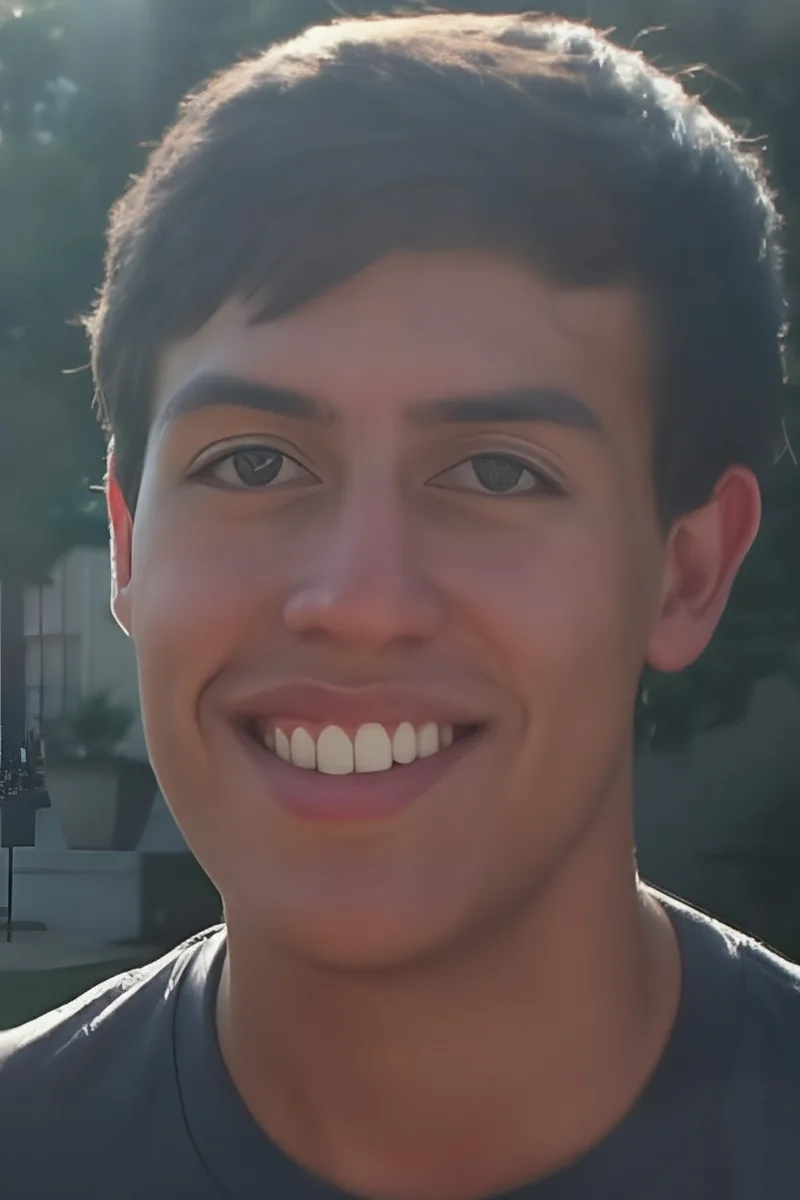
Fluent in Spanish from years of living abroad, Philip approaches AP Spanish Language & Culture the way the exam itself does — through real-world communication rather than isolated grammar drills. He's especially sharp on the interpersonal and presentational speaking tasks, coaching students to organize arguments quickly and use idiomatic language that impresses graders. A year of tutoring Spanish at Carnegie Mellon keeps his teaching instincts current.
Ben taught himself Spanish in high school and became fluent enough to serve as a translator on multiple trips to Latin America, so he knows firsthand what it takes to move from classroom grammar to real communicative ability. For AP Spanish Language & Culture, he zeroes in on the interpretive and presentational communication tasks — breaking down how to structure a persuasive essay in Spanish or synthesize audio and print sources under timed conditions.
Hi! I enjoy tutoring and am passionate about teaching people. My bigger goal is to help students see the bigger picture behind a given concept; not just teaching a method or a series of steps, but also showing them the logic of how somebody might develop that method. I have five years of teaching and tutoring experience, with particular experience in Organic Chemistry, Calculus, and Spanish.
Fluent in Spanish after living in a Spanish-speaking country, Lisanne brings real-world command of the language to AP Spanish prep — not just textbook knowledge. She tackles the exam's trickiest components, like the persuasive essay and cultural comparison, by teaching students to think and organize ideas directly in Spanish. Her experience tutoring every level from Spanish 1 through AP means she quickly identifies the grammar gaps holding a student back from a top score.
Rebecca's anthropology degree trained her to analyze cultural practices across communities — the exact skill the AP Spanish exam's cultural comparison free-response prompt tests. She teaches Spanish at every level from 1 through 4 plus conversational, so she can diagnose whether a student's weak spot is grammar mechanics like subjunctive triggers or the higher-order task of building a nuanced argument in formal register. Her 1550 SAT score reflects the kind of disciplined, timed-test thinking she brings to AP prep.
This isn't Marvin's core subject — his University of Chicago economics degree and current elementary teaching work sit outside the language space. That said, he's listed for AP Spanish Language & Culture alongside broader test prep and study skills, so he can support students on the structural side: organizing persuasive essay outlines, building timed-response strategies, and strengthening the analytical habits the cultural comparison task rewards.
A cognitive sciences degree with a minor in Spanish means Adam approaches the language analytically — he treats subjunctive triggers and register shifts as pattern-recognition problems, which clicks for students who struggle with the "just memorize it" approach to grammar. His 34 ACT confirms strong reading and reasoning skills that translate directly into coaching the AP exam's interpretive reading and audio tasks, where extracting meaning from authentic Spanish sources under time pressure is half the battle.
Born in Bolivia and fluent in Spanish from childhood, Geraldine brings native-level command to the AP Spanish Language & Culture exam's trickiest components: the persuasive essay, the cultural comparison, and the simulated conversation. She drills students on transitional phrases, formal register, and the specific cultural knowledge the College Board expects. Her familiarity with Latin American customs and idioms gives students an authentic reference point beyond the textbook.
Growing up in Miami gave Caitlin daily exposure to Spanish in real-world contexts — the kind of authentic, unscripted language that mirrors what the AP exam throws at students in its interpretive listening and reading sections. She teaches Spanish 1 through 4 and pairs that progression with her own experience navigating Spanish across levels, so she knows exactly which grammar gaps (subjunctive triggers, formal vs. informal register) trip students up on timed free-response tasks. Rated 5.0 by students.
Between teaching Spanish 1 through 4, conversational Spanish, and both SAT Spanish Subject Tests, Linda has logged serious hours across every level of the language — which means she can quickly spot whether an AP student's weak point is a shaky subjunctive foundation or an inability to shift into formal written register under timed conditions. Her graduate work in education at USC's Rossier School sharpens how she structures exam prep, particularly for the persuasive essay task where students need to synthesize Spanish-language sources into a cohesive argument fast.
Nicole's linguistics degree means she understands how languages work as systems — the morphology, syntax, and pragmatics underneath Spanish that most tutors teach purely by repetition. She applies that structural knowledge to the AP exam's trickiest moments, like shifting between informal and formal register mid-task or decoding rapid authentic audio in the interpretive listening section. Her Italian heritage and fluency in multiple Romance languages sharpen her ear for the cognate traps and dialectal variations the exam loves to test.
Iselee earned her bachelor's degree in Spanish from Loyola Marymount University, which means the AP exam's demand for formal written register and nuanced cultural knowledge sits squarely in her academic wheelhouse. Her current graduate work in digital communication adds a layer of rhetorical awareness — understanding how audiences process arguments — that she applies to coaching the timed persuasive essay, where students must synthesize Spanish-language sources into a coherent, register-appropriate response. Rated 4.8 by students.
Speaking five languages — Gujarati, Hindi, Spanish, Arabic, and French — gives Sahar an intuitive grasp of how Spanish grammar and idiomatic expression actually work in conversation, not just on paper. She digs into the interpersonal and presentational communication modes the AP exam tests, from crafting persuasive essays with proper subjunctive usage to navigating audio sources on cultural topics. Rated 5.0 by students.
Milan's double major in Computer Science and English might seem unrelated to Spanish, but teaching across six Spanish levels — from Spanish 1 through AP — means he knows exactly which grammar gaps trip students up on timed free-response tasks. His English background sharpens how he coaches the persuasive essay's argument structure, while his conversational Spanish teaching keeps the interpersonal speaking prep grounded in real communication rather than rehearsed scripts.
Earning a doctorate in Spanish & Portuguese required Casey to operate at full academic fluency — presenting research, debating theory, and writing at the highest register. She channels that depth into AP Language prep, drilling students on the interpersonal speaking prompts, persuasive essay structures, and audio-source synthesis that make up the exam's trickiest sections.
Testimonials
Because the right AP Spanish Language & Culture tutor makes all the difference.
Average Session Rating – Based on 3.4M Learner Ratings
Nearby AP Spanish Language & Culture Tutors
Other Harrisburg Tutors
Related Languages Tutors in Harrisburg
Frequently Asked Questions
The AP Spanish Language & Culture exam tests your ability to communicate in Spanish across three modes: interpersonal (conversations), interpretive (reading, listening, and viewing), and presentational (speaking and writing). The exam includes multiple-choice sections on reading and listening comprehension, plus free-response sections requiring you to write emails, essays, and record spoken responses. Success requires not just grammar knowledge, but cultural understanding and the ability to express complex ideas in Spanish under timed conditions.
Score improvement depends on your starting level and how consistently you work with a tutor, but students typically see meaningful gains by focusing on their weakest areas—whether that's conversational fluency, essay writing, or listening comprehension. Many students improve by 1-2 score points (on the 1-5 scale) when they get targeted instruction on test-taking strategies, practice with authentic exam materials, and personalized feedback on their speaking and writing. The key is identifying specific weak spots early and building a study plan that addresses them systematically.
Students often struggle most with the timed speaking and writing sections, where they must produce language quickly and accurately while organizing complex thoughts. Listening comprehension can also be tough because the audio moves at native speaker pace with no repetition. Many students underestimate the cultural component—the exam expects you to understand and discuss Spanish-speaking cultures, not just conjugate verbs. Working with a tutor on pacing strategies, authentic listening materials, and essay structure helps address these challenges before test day.
Most students benefit from starting tutoring at least 3-4 months before the exam, though earlier is better if you're aiming for a 4 or 5. A typical study schedule includes weekly tutoring sessions combined with daily independent practice—reading Spanish news, listening to podcasts, and completing practice exam sections. The final 4-6 weeks should focus heavily on full-length practice tests under timed conditions so you build stamina and identify remaining weak areas. Your tutor can help you create a realistic schedule based on your current level and target score.
An effective AP Spanish tutor should have strong Spanish fluency (ideally near-native or native proficiency), deep knowledge of the AP exam format and scoring rubrics, and experience helping students improve their speaking and writing skills. They should be familiar with authentic Spanish media and cultural contexts, and skilled at diagnosing which sections of the exam are holding you back. Varsity Tutors connects you with tutors who understand the specific demands of the AP exam and can teach both language skills and test-taking strategies.
Your first session typically includes an assessment of your current Spanish level across all four skills: reading, writing, listening, and speaking. Your tutor will likely have you complete a practice section or two from the actual AP exam to identify which areas need the most work—whether that's essay writing, conversation fluency, or listening comprehension. Based on this assessment, you'll develop a personalized study plan with specific goals and a timeline leading up to test day. This foundation helps ensure every future session targets your actual weak spots rather than generic review.
Practice tests are essential because they show you exactly what to expect on exam day and help you build stamina for the timed sections. Taking full-length practice exams under timed conditions reveals pacing issues—for example, whether you're spending too much time on reading comprehension and rushing through the essay. Your tutor can review your practice test results to pinpoint specific grammar gaps, vocabulary weaknesses, or speaking/writing patterns that need work. Most students should complete at least 3-4 full practice exams during their preparation period.
The AP Spanish exam integrates culture throughout—you'll encounter culturally authentic texts, listen to native speakers discussing cultural topics, and need to write and speak about Spanish-speaking cultures with understanding and nuance. Preparation involves reading Spanish news and literature, watching Spanish-language films and documentaries, and learning about key historical and contemporary issues in Spanish-speaking countries. Your tutor can guide you toward resources aligned with AP themes and help you practice discussing culture in Spanish, so you're not just learning facts but developing the language skills to express cultural insights on the exam.
Let’s find your perfect tutor
Answer a few quick questions. We’ll recommend the right plan and match you with a top 5% tutor.