Award-Winning French Tutors
serving Harrisburg, PA
French
Tutors in Harrisburg
Private 1-on-1 tutoring, weekly live classes for academic support, test prep & enrichment, practice tests and diagnostics, and more to elevate grades and test scores.
Based on 3.4M Learner Ratings
UniversitiesSchools & Universities
DeliveredHours Delivered
ProficiencyGrowth in Proficiency
Who needs tutoring?
No obligation. Takes ~1 minute.
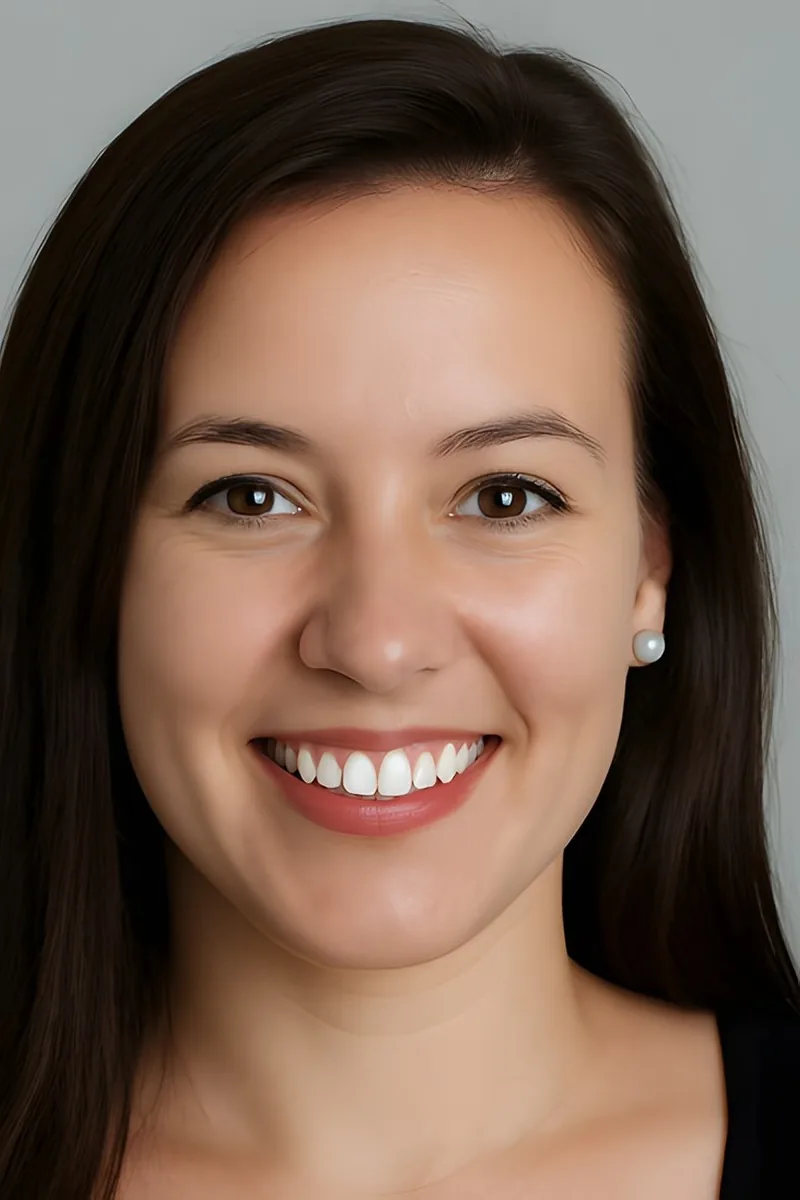
Eight months living and studying in France gave Kate the kind of fluency that textbooks alone can't provide — she knows how French actually sounds and flows in real conversation. She covers everything from passé composé vs. imparfait distinctions to advanced reading comprehension, and she's tutored both high school and adult learners.
Learning French grammar often clicks faster when someone can explain why a structure works, not just what the rule is. Kirstie's liberal arts training and strong grounding in Latin give her an unusual ability to connect French syntax back to its roots, making patterns like subjunctive triggers and pronoun placement feel logical rather than arbitrary.
Four levels of French coursework gave Alessia a thorough command of everything from partitive articles to the plus-que-parfait. She teaches grammar as a system rather than a set of isolated rules, so students start recognizing patterns — like how object pronoun order works — instead of memorizing charts. Her 5.0 rating speaks to the clarity she brings to the language.
Few tutors can match Claire's depth with French: she began at age five, earned a degree in it from Brown, TA'd university French courses, and lived entirely in French during a semester in Senegal. Whether a student is conjugating être for the first time or preparing to discuss Francophone literature, she adapts her teaching to the level and makes the language feel accessible rather than academic.
Viraj is completing a French minor at Cornell, which means he's actively working through the grammar, composition, and oral comprehension that language learners find trickiest. He tackles verb conjugation patterns and sentence structure with the same analytical precision he brings to his science coursework, making abstract grammar rules feel more logical.
Though her primary expertise runs through biology and medicine, Amanda's structured, analytical approach to learning transfers well to picking apart French grammar — she treats verb conjugation patterns and noun-gender rules like systems to decode rather than lists to memorize. Her experience preparing for the SAT Spanish with Listening exam also means she's familiar with the discipline of foreign language study, from building vocabulary systematically to training your ear for spoken comprehension.
Ashley has studied French through the advanced level and maintained her fluency alongside a demanding engineering career. She tackles tricky grammar concepts like the subjunctive mood and compound tenses with the same structured, logical approach she applies to engineering problems — breaking rules into patterns students can internalize rather than just memorize.
Few tutors can move comfortably between French grammar drills and open-ended conversation, but Olivia has taught French at multiple levels and lists it as one of her favorite subjects. She digs into the mechanics that make French click — verb conjugation patterns, gendered agreement, and the partitive articles that English speakers consistently misuse. Her engineering background also means she brings a systematic, logical approach to what can feel like an overwhelming amount of rules.
Jacob studied French alongside his East Asian Languages degree at the University of Chicago and teaches across all four levels of the language, from foundational verb conjugations to the nuanced reading and listening comprehension required for AP French Language and Culture. He approaches grammar and vocabulary through cultural immersion techniques he's developing himself, connecting sentence structure to real French media and conversation rather than rote drills. Rated 5.0 by students.
As a native French speaker, Alina doesn't just teach grammar rules — she explains the cultural logic behind them, like why the French subjunctive appears in contexts that seem random until you understand the underlying attitude toward certainty and doubt. Students pick up pronunciation, liaison patterns, and idiomatic phrasing from someone who grew up using them daily.
Jacob is pursuing a minor in French and Francophone Studies at Carnegie Mellon alongside his vocal performance degree, which means he engages with the language daily — reading literature, studying diction for art song, and building fluency in cultural context. That immersion gives him a practical feel for pronunciation, verb conjugation, and conversational flow that goes well beyond textbook drills.
Public policy coursework often requires engaging with French-language sources — international treaties, EU policy documents, Francophone governance reports — and Felipe's background gives him a practical, reading-heavy familiarity with the language that translates well to teaching vocabulary and grammar fundamentals. He approaches French with the same structured, analytical thinking he applies to his computer science studies at Penn, breaking conjugation patterns and sentence construction into clear, repeatable logic.
Whether a student is conjugating être for the first time or navigating the subjunctive mood, Connor adapts his teaching to the specific grammar concept causing trouble. His journalism training sharpened his ear for precise language, and he applies that same precision to French — explaining why certain prepositions or articles behave the way they do rather than just assigning them to memory.
Stephanie studied French through her coursework and brings the same structured, detail-oriented approach she applies to her history and English training at Cornell and Penn. She's especially effective at breaking down grammar concepts like the subjunctive mood, pronoun placement, and passé composé versus imparfait — the areas where most French students get stuck. Her background in close textual analysis also makes her a strong resource for reading comprehension and written composition in French.
Yasmine teaches French with an emphasis on building reading fluency and grammatical structure, covering verb conjugation systems, pronoun usage, and written composition. Her background in academic writing across multiple disciplines gives her a knack for explaining how French syntax differs from English in ways that actually stick.
Bahaeddine teaches French with an emphasis on building grammatical structure systematically — verb conjugations, gendered nouns, and sentence construction — using the same logical scaffolding he applies to his math and statistics courses. His fluency spans multiple levels, from introductory vocabulary through advanced reading and composition.
Having earned a bachelor's degree in French, Kendall doesn't just teach grammar rules — she explains why French structures work the way they do, from subjunctive triggers to the logic behind pronoun placement. She connects vocabulary and conjugation drills to actual reading and listening so that each piece of the language reinforces the others.
Growing up on Mauritius — where French and Creole are spoken daily alongside English — Dhinakaran picked up the language in the kind of immersive, multilingual environment that gives him a natural feel for pronunciation, liaison, and everyday conversation. He teaches French across four levels, covering everything from foundational verb conjugations to more advanced grammar and dialogue, and his engineering-trained mind brings a systematic clarity to explaining tricky structures like subjunctive triggers and pronoun placement. Rated 4.9 by students.
Trips to France and a minor in French from Wagner College keep Megan's language skills rooted in real-world use — she teaches vocabulary, pronunciation, and grammar through the lens of francophone tradition, food, and daily life rather than drilling conjugation tables in isolation. She also speaks Cantonese, so she understands from personal experience how to navigate the mental shift between entirely different language systems. Rated 5.0 by students.
Growing up trilingual in English, French, and Arabic gave Magdi an intuitive grasp of French grammar — from navigating the subjunctive to mastering gendered nouns and pronoun placement. His French degree means he can unpack literary texts, coach formal essay writing, and build spoken fluency all within the same session.
Music and language share a core skill — training your ear to hear patterns, rhythm, and nuance that aren't obvious at first. Juliette, a bassoonist and dedicated French speaker, applies that same attentive listening to teaching pronunciation, liaison, and the melodic flow of spoken French, making the sounds of the language feel as learnable as a musical phrase. Rated 5.0 by students.
Learning French means internalizing patterns that feel completely foreign to English speakers — gendered nouns, verb conjugation across tenses, and the difference between passé composé and imparfait. Claudia teaches grammar as a system rather than a set of isolated rules, so students start recognizing why certain structures exist. Her experience spanning French 1 through AP-level coursework means she can meet any skill level without oversimplifying.
Lydia earned her bachelor's degree in French and minored in linguistics, which means she can explain not just what the rules of French grammar are but why they work the way they do — the logic behind subjunctive triggers, partitive articles, and pronoun placement. She teaches everything from foundational verb conjugation through advanced literary reading, and her 5.0 student rating speaks to how well that approach lands.
Covering French 1 through French 3, Rosa builds lessons around the grammar structures that trip English speakers up most — gendered nouns, verb conjugation patterns across tenses, and the dreaded subjunctive. She connects vocabulary to usable phrases early so students aren't just memorizing word lists in isolation.
Matt's French instruction covers the grammar, vocabulary, and conversational skills typically encountered in introductory and intermediate coursework. He breaks down tricky concepts like passé composé versus imparfait and pronoun placement in a systematic way that makes the rules feel logical rather than arbitrary.
Having earned a bachelor's degree with a double focus in Spanish and French, Mia understands the specific pitfalls that come with French — nasal vowels, gendered nouns, and the passé composé vs. imparfait distinction that frustrates so many learners. She builds lessons around real French texts and conversations so that grammar clicks in context rather than in isolation.
Golda has studied French through multiple levels and brings a structured, patient approach to the language — particularly verb conjugation patterns, pronoun usage, and building reading comprehension. Her engineering mindset treats grammar rules as logical systems, which can be especially helpful for students who respond better to patterns than to rote memorization.
Cheridan is a French minor at Temple, which means she's actively immersed in the language — reading French texts, writing papers, and engaging with francophone culture every semester. She approaches grammar topics like the subjunctive, object pronouns, and passé composé vs. imparfait by building understanding of why French structures work the way they do, not just drilling conjugation tables.
French isn't Sam's primary area of expertise, so he's upfront about that. His strength is in structured learning strategies — building vocabulary through spaced repetition, breaking grammar rules into logical patterns, and tackling reading comprehension in a foreign language using the same analytical approach he applies to scientific texts.
I'm a sophomore at the University of Pennsylvania majoring in Political Science and Urban Studies with a minor in French. Education is what I believe to be the key to success and the door that opens up a better tomorrow. Reliability, credibility, and efficiency are skills I will always continue to improve on because there is no such thing as perfect. Be friendly, be positive, and be motivated. But don't forget to be happy! Favorite quote and my go-to motto, "Be the change you wish to see in the world."
Learning French means internalizing a system — gendered nouns, verb agreement, sentence rhythm — and Taylor approaches it structurally rather than through rote memorization. Her French Language degree and experience studying in France give her a deep understanding of how the language actually works, from passé composé versus imparfait distinctions to the subtleties of pronoun placement. She's taught students from beginner through university level.
Learning French verb conjugations and gendered nouns can feel arbitrary without a system to organize them. Lachlan approaches French with the same structured thinking he applies to his Wharton coursework, breaking grammar rules into logical patterns and building vocabulary through reading and conversation rather than rote flashcard drills.
Learning French grammar rules is one thing; knowing when to use the imparfait versus the passé composé in actual conversation is another. Amina teaches verb tenses, pronoun placement, and vocabulary through context — short reading passages, dialogue practice, and sentence-building exercises that make the rules feel intuitive rather than arbitrary.
I am a law student and a paralegal. I am excited about opportunities to help people and teaching has always been one of my passions. Inevitably, I always find myself drawn to academia and I think this is just an extension of that desire. I can't wait to help you succeed.
A French degree gives Claire something most language tutors can't offer: deep familiarity with French literature, idiomatic expression, and the cultural context that shapes how the language actually works. She digs into the subjunctive, partitive articles, and pronoun placement with clear explanations rooted in real usage rather than rote conjugation tables. Whether a student is preparing for AP French or tackling university-level coursework, Claire brings both academic rigor and genuine enthusiasm for the language.
Learning French grammar — verb conjugations, gendered nouns, the subjunctive — requires consistent practice with someone who can explain the patterns clearly. Madeleine has studied French through the intermediate level and tackles tricky concepts like passé composé vs. imparfait by walking through real French texts and conversations rather than isolated drills.
I'm thankful to have attended a high school that allowed me the opportunity to offer academic support to my peers. There were no material incentives - the rewards were intrinsic. Thus, I learned to love teaching for its own sake. When I came to college, the opportunities only expanded. I was able to support myself through the first year of college on this skill alone. It continued to be something I enjoyed, and it ultimately led to me directing a tutoring program - the Let's Get Ready program, at my former high school. Now, I am excited to return to a hands-on teaching role, bringing to it all the insight I have gained over the years, from varying perspectives.
Elsie earned her Master's in Foreign Languages and Literatures, giving her deep knowledge of French grammar structures — from the subtleties of the subjunctive to the logic behind pronoun placement and compound tenses. She teaches verb conjugation patterns and sentence construction in ways that build real reading and writing fluency, not just rote memorization. Rated 5.0 by students.
I am a law student at Drexel University Kline School of Law and a graduate of Franklin and Marshall College with a BA in Cognitive Science with a minor in Music. I have also taken numerous classes in Biology and have broad understanding of that field. I have also studied both Spanish and Hebrew languages and can speak both at an intermediate level. I tutor students in a variety of disciplines including biology, mathematics, composition, and test prep for SAT, PSAT, and ACT. My teaching philosophy is that because no student is exactly like another, neither should be my approach to teaching them. I like to get to know every student academically as well as personally so that I can best understand how to help you achieve and exceed your goals. Outside of my studies, I am a diehard football fan, an avid theater-goer, and a prominent student leader on my campus.
Of all the subjects Daniel covers, foreign languages — especially French — represent his deepest tutoring experience, from foundational vocabulary and verb conjugations to preparing students for AP French Language and Culture. He also teaches Spanish, so he can draw on the structural similarities between the two Romance languages to make French grammar patterns like agreement rules and tense formation feel more intuitive. Holds a 5.0 rating.
Testimonials
Because the right French tutor makes all the difference.
Average Session Rating – Based on 3.4M Learner Ratings
Other Harrisburg Tutors
Related Languages Tutors in Harrisburg
Frequently Asked Questions
Speaking is often the hardest skill to develop in a classroom setting, especially with a 15.8:1student-teacher ratio in Harrisburg schools where individual speaking time is limited. Personalized 1-on-1 French tutoring gives you dedicated conversation practice with an expert tutor who can correct your pronunciation, help you think in French, and build confidence in real dialogue. Regular speaking sessions combined with listening practice help you develop natural fluency rather than just memorizing grammar rules.
French has complex conjugation patterns across multiple tenses (present, passé composé, imparfait, future, conditional, subjunctive), and many verbs are irregular, making it easy to feel overwhelmed. A tutor can break down conjugation patterns into manageable chunks, show you the logic behind the rules, and use targeted practice to help these patterns stick in your memory. With personalized instruction, you'll learn conjugation in context—through conversation and real sentences—rather than memorizing charts.
Vocabulary sticks best when you encounter it repeatedly in different contexts and use it actively in conversation. Expert tutors use spaced repetition and retrieval practice—techniques backed by learning science—to help new words move from short-term to long-term memory. They'll also connect vocabulary to themes, culture, and real-life situations, which makes words more meaningful and easier to recall than studying isolated lists.
Language and culture are deeply connected—understanding French customs, history, media, and social norms helps you grasp why certain expressions exist and how native speakers actually communicate. Tutors can weave cultural context into lessons through authentic materials like French films, news, literature, and real-world scenarios, making your learning feel relevant and immersive. This approach helps you develop not just language skills but genuine cultural fluency.
Listening comprehension improves through regular exposure to native speakers at different speeds and in varied contexts—podcasts, films, conversations, and songs all train your ear differently. Personalized tutoring includes listening practice tailored to your level, with immediate feedback on what you're missing and strategies to pick up on key words and context clues. Your tutor can also slow down, repeat, and explain pronunciation patterns that differ from English.
Your first session focuses on assessment and connection—a tutor will evaluate your current level across all four skills (reading, writing, speaking, listening), understand your goals, and identify your biggest challenges, whether that's verb conjugation, accent, or conversation confidence. They'll explain their teaching approach and create a personalized plan tailored to your needs, learning style, and timeline. This foundation ensures every future session builds on what works best for you.
The most effective approach combines both—understanding grammar rules gives you a framework, but natural usage comes from hearing and using French in real contexts. Expert tutors balance explicit grammar instruction with conversational practice, so you learn the "why" behind rules and then immediately apply them in dialogue. This blend helps you move beyond textbook French to speak and write the way native speakers actually do.
Fluency depends on your starting level and how much you practice, but research suggests reaching professional-level proficiency typically requires around 600-750 hours of study. With consistent personalized tutoring combined with your own practice, you can make steady progress toward conversational fluency in months and advanced proficiency within a year or two. Your tutor will help you set realistic milestones and track your growth across speaking, listening, reading, and writing.
Let’s find your perfect tutor
Answer a few quick questions. We’ll recommend the right plan and match you with a top 5% tutor.