Award-Winning AP English Language and Composition Tutors
serving Toledo, OH
AP English Language and Composition
Tutors in Toledo
Private 1-on-1 tutoring, weekly live classes for academic support, test prep & enrichment, practice tests and diagnostics, and more to elevate grades and test scores.
Based on 3.4M Learner Ratings
UniversitiesSchools & Universities
DeliveredHours Delivered
ProficiencyGrowth in Proficiency
Who needs tutoring?
No obligation. Takes ~1 minute.

AP English Language is ultimately an argumentation exam — students need to dissect how writers use rhetoric and then construct their own persuasive essays under time pressure. Hyerin's master's in bioethics trained her to analyze competing arguments, identify logical fallacies, and build evidence-based claims, which maps directly onto the synthesis and rhetorical analysis essays. She teaches students to outline quickly and write thesis-driven responses that earn top scores on the rubric.
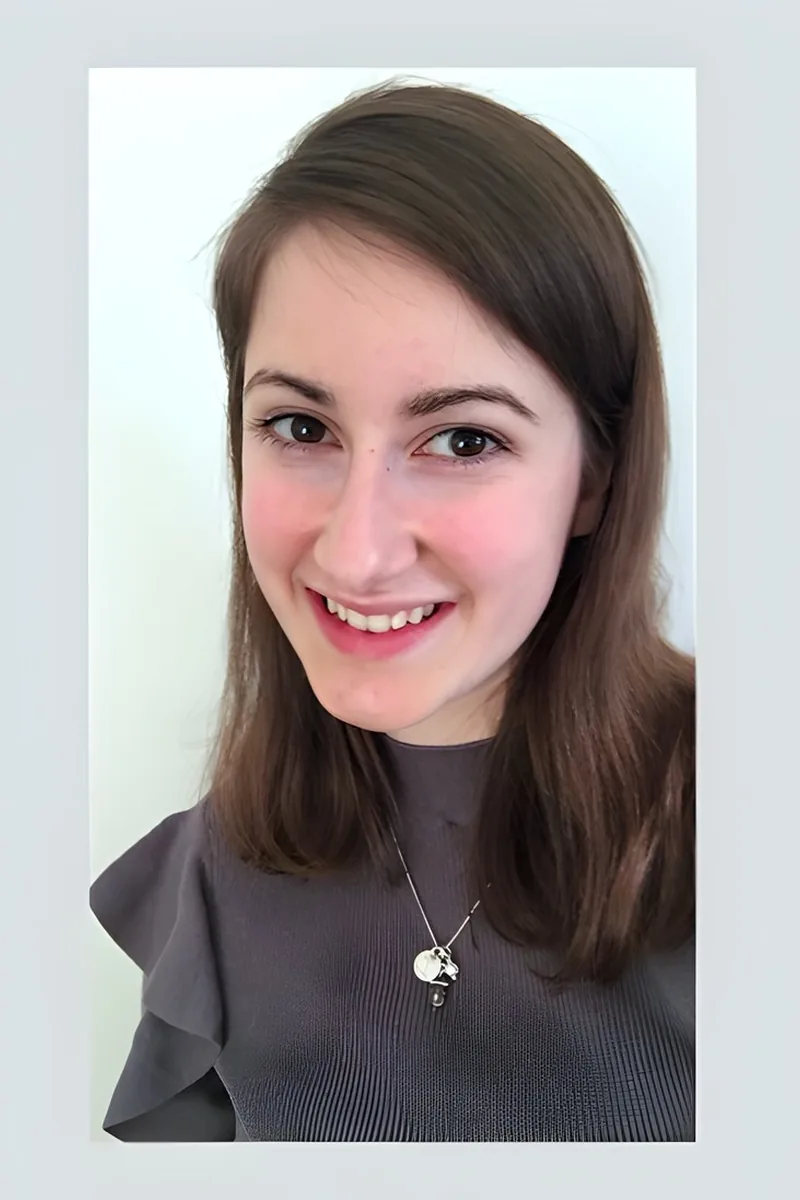
Pharmacy training builds an unexpected skill for AP Lang: the habit of reading dense, technical arguments and identifying exactly how evidence is being used to support a claim. Lillian applies that same analytical precision to nonfiction passages on the exam, teaching students to trace how an author's choices — a strategic concession here, a shift in diction there — serve the larger argument. Rated 4.9 by students, she's particularly strong on the synthesis essay, where pulling evidence from multiple sources mirrors the kind of reading she does daily.
AP Lang is essentially an argument class disguised as an English class, and Kelsey's journalism background makes her a natural fit for teaching rhetorical analysis and persuasive composition. She breaks down how authors use ethos, logos, and pathos in real texts, then coaches students to deploy those same strategies in their own synthesis and argument essays.
Every AP student Kyle has tutored in English has scored a 3 or higher on the exam. His approach to AP Lang centers on rhetorical analysis — teaching students to identify how authors use ethos, logos, and pathos not as vocabulary terms to label but as strategic moves to dissect in their essays. His political science training sharpens this, since persuasive writing is the core of both disciplines.
Rhetoric is the backbone of AP English Language, and Winnie unpacks persuasive strategies — appeals to ethos, strategic concessions, shifts in tone — by connecting them to real arguments students encounter in journalism and political speech. Currently studying mass communications at ASU's Cronkite School, she brings a working understanding of how language is crafted to move audiences, which is exactly what the synthesis and rhetorical analysis essays test.
AP English Language is really a course in rhetoric — understanding how writers use structure, diction, and evidence to persuade specific audiences. Michelle's MA in American Studies at Columbia centered on exactly this: analyzing speeches, essays, and cultural texts for their argumentative strategies. She teaches students to write synthesis and rhetorical analysis essays that go beyond summary and actually engage with how a source works.
AP English Language is ultimately about rhetoric: understanding how writers persuade and then doing it yourself under a forty-minute clock. David digs into the synthesis, rhetorical analysis, and argument essays individually, teaching students to identify techniques like juxtaposition, appeals to authority, and strategic concession before they ever start writing. His dual English degrees and library science training make him especially sharp on evaluating sources and constructing evidence-driven arguments.
Rhetoric is the backbone of AP Lang, and Jean's legal training gives her a practitioner's understanding of how arguments actually persuade. She teaches students to dissect an author's use of appeals, concessions, and strategic evidence — then apply those same techniques in their own synthesis and argument essays. Her students learn to read like lawyers: identifying what a writer is doing and why it works on the audience.
Rhetorical analysis is the backbone of AP Lang, and Priscilla approaches it by teaching students to dissect how authors use structure, diction, and appeals to build an argument. Currently studying government at Harvard, she regularly breaks down political speeches and persuasive texts — exactly the kind of source material that shows up on the exam.
The AP Lang exam lives at the intersection of rhetoric and writing — two things Maddy has been immersed in since college, where she studied American literature and wrote an honors thesis analyzing cultural criticism. She digs into how authors use tone, diction, and structural choices to persuade, then teaches students to replicate those moves in their own synthesis and argument essays.
AP Lang isn't really about writing well — it's about arguing precisely, which means dissecting how authors use rhetorical strategies like appeals, tone shifts, and structural choices to persuade. Sophie tackles the synthesis and argument essays by teaching students to read sources like a debater: identify the claim, evaluate the evidence, then build a counter. Her 1570 SAT score reflects the same close-reading and analytical skills the AP exam demands.
Rhetoric isn't just for English majors — Elena spent years in graduate seminars dissecting how authors construct arguments across disciplines, from historical treatises to museum catalogs. She applies that same lens to AP Lang, teaching students to identify rhetorical strategies like appeals, tone shifts, and structural choices in nonfiction passages. Her students learn to write synthesis and argument essays that do more than summarize — they persuade.
AP English Language is essentially an argument class, and Jenna spent three years in law school doing nothing but dissecting and constructing arguments. She teaches students to identify rhetorical strategies like appeals, tone shifts, and structural choices in source texts, then deploy those same tools in their own synthesis and persuasive essays.
A published novelist with a Penn M.S. in Education and a B.A. in English from the University of Washington, Christian has spent years inside the mechanics of persuasive prose — not just reading it, but constructing it from scratch. That dual perspective sharpens his AP Lang teaching, especially when it comes to the argument essay, where he coaches students to treat their own writing the way an author revises a manuscript: tightening claims, cutting weak evidence, and making every sentence earn its place.
Rhetoric is the backbone of AP English Language, and Amy teaches students to dissect how authors use appeals, structure, and diction to build persuasive arguments. Her college-level English training means she can model the kind of sophisticated synthesis and argumentation the exam's free-response questions demand. She also tackles the multiple-choice section by showing students how to read like a writer — noticing choices an author made and why.
Rhetorical analysis is the backbone of AP Lang, and most students underperform not because they can't identify ethos or logos but because they don't know how to explain *why* a rhetorical choice matters in context. Olivia digs into the synthesis and argument essays with equal attention, teaching students to build claims that go beyond restating sources. Her 1560 SAT reflects the same analytical reading and writing skills she brings to AP Lang prep.
Testimonials
Because the right AP English Language and Composition tutor makes all the difference.
Average Session Rating – Based on 3.4M Learner Ratings
Practice AP English Language and Composition
Free practice tests, flashcards, and AI tutoring for AP English Language and Composition
Nearby AP English Language and Composition Tutors
Other Toledo Tutors
Related English Tutors in Toledo
Frequently Asked Questions
AP English Language and Composition focuses on rhetorical analysis, argument, and synthesis—skills tested across three free-response sections and one multiple-choice section. You'll analyze how authors use language to persuade audiences, develop your own arguments supported by evidence, and synthesize multiple sources into coherent written responses. The course emphasizes close reading, identifying rhetorical strategies, and crafting clear, persuasive prose under timed conditions.
Score improvement depends on your starting point and how consistently you apply feedback. Students who work with tutors typically see gains of 1-2 points on the 1-5 scale when they focus on targeted practice and revision. The biggest improvements come from understanding question formats, recognizing rhetorical patterns, and refining your writing under time pressure—areas where personalized 1-on-1 instruction makes a real difference.
Many students struggle with rhetorical analysis—identifying and explaining how specific word choices, sentence structures, and appeals create persuasive effects. Others find the synthesis essay challenging because it requires integrating multiple sources while maintaining your own argument. Time management is another frequent issue; the exam requires completing three essays in 135 minutes, which means you need both strong writing skills and efficient planning strategies.
Effective strategies include reading the prompt and passage actively (annotating for rhetorical devices), outlining your essay before writing to save time, and prioritizing clarity over length. For the multiple-choice section, eliminate obviously wrong answers first and focus on the author's purpose and tone. Practice tests are essential—they help you build stamina, identify your weak areas, and refine your timing so you're not rushing through the final essay.
Most students benefit from 3-4 months of focused preparation, though this varies based on your current writing level and familiarity with rhetorical analysis. If you're starting early in the school year, consistent practice throughout the course—analyzing essays, writing timed responses, and getting feedback—keeps you on track. In the final 6-8 weeks before the exam, shift toward full-length practice tests and targeted review of your weaker areas.
Tutors work with you on identifying rhetorical devices and explaining their effects with precision, a core skill that many students find difficult. They can provide feedback on your practice essays, help you develop a writing process that fits the timed exam format, and build strategies for the multiple-choice section. With personalized 1-on-1 instruction, you get targeted guidance on your specific weaknesses rather than generic test prep.
Your first session typically focuses on understanding your current skill level and goals. Your tutor will likely review a sample essay or practice test to identify your strengths and areas for improvement, discuss your timeline, and create a personalized study plan. This gives you both a clear picture of what to work on and helps your tutor tailor future sessions to your needs.
Yes, Varsity Tutors connects students in Toledo with expert tutors who specialize in AP English Language and Composition. Whether you're at one of the 112 schools across Toledo's 32 school districts or studying independently, you can get matched with a tutor who understands the exam format, rhetorical analysis, and argument construction. Personalized 1-on-1 instruction is available to fit your schedule and learning style.
Let’s find your perfect tutor
Answer a few quick questions. We’ll recommend the right plan and match you with a top 5% tutor.