Award-Winning English Tutors
serving Charlotte, NC
English
Tutors in Charlotte
Private 1-on-1 tutoring, weekly live classes for academic support, test prep & enrichment, practice tests and diagnostics, and more to elevate grades and test scores.
Based on 3.4M Learner Ratings
UniversitiesSchools & Universities
DeliveredHours Delivered
ProficiencyGrowth in Proficiency
Who needs tutoring?
No obligation. Takes ~1 minute.

Reading is Alex's favorite hobby, and that genuine love for language comes through in how he teaches English — whether it's close-reading a novel for theme and symbolism or walking through the revision process on a student's essay. His graduate work in theological studies sharpened his ability to analyze dense texts and construct tight arguments, skills that translate directly to literary analysis and academic writing.
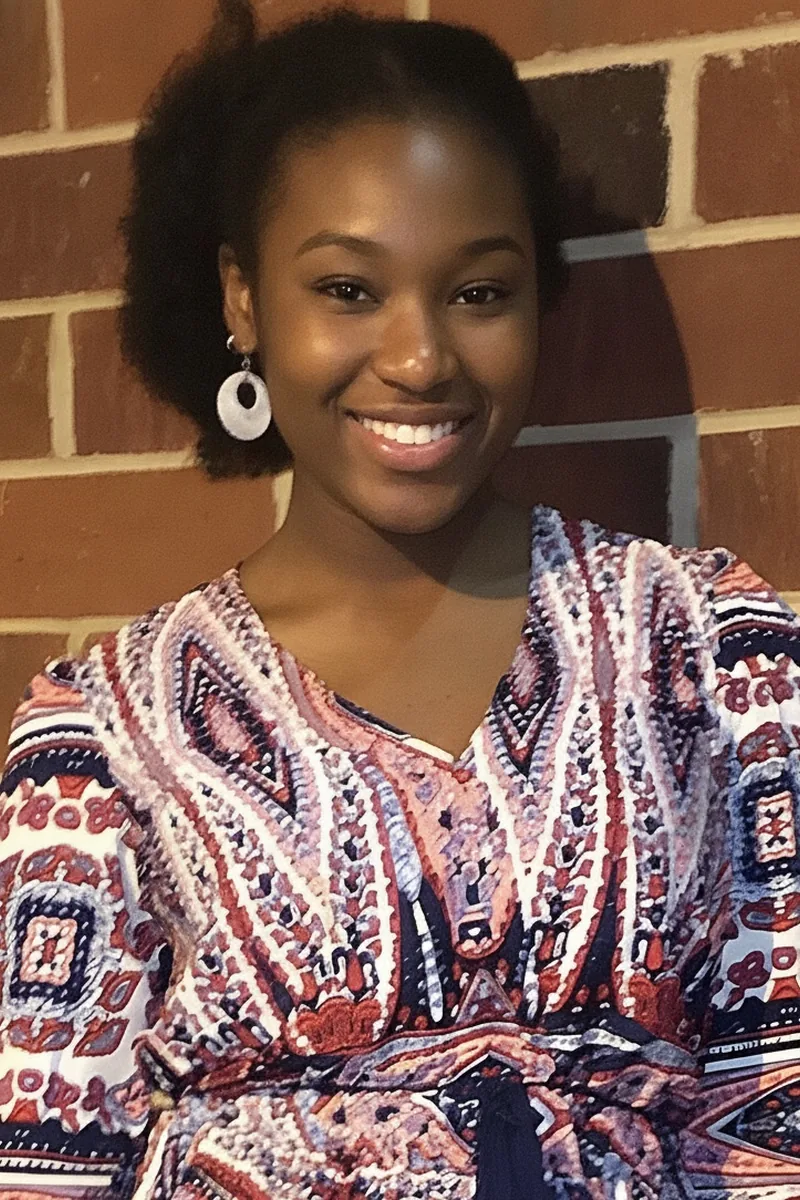
Reading a novel and actually analyzing it are two very different skills, and the gap between them is where most students struggle in English class. Ify teaches students to build arguments from textual evidence — identifying tone, tracking character development, and constructing thesis statements that go beyond plot summary. She creates a judgment-free space where asking "wait, what does that even mean?" is always welcome.
Engineering reports and technical documentation demand a kind of writing most people overlook — every sentence has to be precise, logically sequenced, and free of ambiguity. Earnest's chemical engineering training at both the bachelor's and master's level drilled that discipline into his writing, and he applies it when tutoring grammar mechanics, essay organization, and the kind of clear argumentation that turns a rough draft into a polished piece.
Reading a novel and analyzing a novel require completely different skills, and Isabel bridges that gap. She teaches students to identify literary devices like motif, unreliable narration, and tonal shifts, then turn those observations into thesis-driven essays. Her background in both literature and essay editing means she strengthens interpretation and writing simultaneously.
Between an anthropology degree heavy on analytical writing and years of crafting research papers in graduate and medical school, Morgan brings real mileage to reading comprehension and written expression. She tackles everything from paragraph organization to close-reading strategies, adapting her approach to whether a student needs help generating ideas or polishing final drafts.
Years of volunteering with K–8 reading programs and writing college-level research as an economics and data science major gave Rebecca range across the English skill set — from close reading and textual analysis to thesis-driven essay writing. She's especially skilled at showing students how to build an argument with evidence, a technique she uses daily in her work as an economic researcher. Rated 5.0 by students.
Between crafting college essays and editing academic writing, Jack has spent serious time inside the revision process — the part of English where most students actually improve. He tackles everything from thesis development to close reading of literary texts, breaking arguments into clear, logical steps that mirror the structured thinking his CS background demands.
Reading comprehension and analytical writing share a common skill: figuring out what an author is actually arguing and evaluating whether the evidence holds up. Daiven's science training sharpened that exact ability — dissecting research papers taught him to read critically and construct tight, evidence-based arguments. He applies that same rigor to essay structure, thesis development, and close reading exercises.
A physics major might seem like an unusual pick for English, but Gatlin's coursework in computer science and mathematics has sharpened his ability to build clear, logical arguments — exactly what strong analytical writing requires. He tackles grammar, thesis development, and close reading with the same structured thinking that makes him effective across STEM subjects.
Between crafting college essays and editing student writing, Madison has developed a sharp eye for what makes prose actually communicate rather than just fill a page. She digs into thesis development, paragraph structure, and how to use textual evidence persuasively — skills that carry across literary analysis, personal essays, and research writing alike.
Shourya's college essay and literature experience gives him a practical edge in English — he knows how to teach close reading as an analytical skill and writing as an iterative process of drafting and revision. His approach leans on building clear thesis statements and supporting them with textual evidence, skills that transfer from a five-paragraph essay to a research paper.
Between writing college essays, analyzing literature, and drafting research papers for her pre-med and Spanish coursework at Michigan, Cailee developed a sharp eye for argument structure and clarity. She teaches students to read a passage for its central claim first, then trace how evidence and tone support it — a skill that transfers directly to timed reading sections and classroom essays alike.
Reading a passage and knowing what it says is one thing; articulating a clear, evidence-backed argument about it is another. Srikavya tackles that gap by teaching students how to annotate texts for rhetorical moves and structure thesis-driven paragraphs, drawing on her experience with both essay editing and college-level writing.
Traci has been dissecting stories since childhood, and she channels that instinct into teaching students how to analyze literary devices, identify themes, and build text-supported arguments. Whether a student is working through a novel unit or preparing a persuasive essay, she emphasizes close reading techniques that make the writing process less intimidating. Her psychology studies add an extra dimension when discussing character motivation and narrative perspective.
Between her communication studies minor and her role at UNC Charlotte's University Center for Academic Excellence, Kelsey reads and critiques a lot of student writing. She teaches close reading strategies for pulling meaning from dense texts and walks through thesis development and paragraph organization so essays actually say something specific.
Reading comprehension and analytical writing reinforce each other, and Emma tackles both by teaching students to identify an author's argument before crafting their own response. Her dual focus on philosophy and economics at UVA means she's constantly close-reading dense texts and building evidence-based claims — exactly the skills that transfer to English coursework. Rated 5.0 by students.
Taylor's statistics background means she knows how to build a clear, logical argument from evidence — a skill that transfers directly to English essay writing and textual analysis. She also tutors SAT Reading and Writing, essay editing, and literature, so she can connect grammar mechanics to the bigger moves of reading comprehension and persuasive composition. Rated 4.9 by students.
Between earning her Michigan history degree in three years and working as an editor for a major sports website, Colleen has spent most of her life immersed in reading and writing. She tackles everything from close-reading literary passages to constructing thesis-driven essays, drawing on daily professional experience with clear, purposeful prose.
Most people don't associate engineering with English skills, but Matthew's Clemson coursework demanded constant written communication: lab reports, design proposals, literature reviews, and persuasive presentations. He teaches reading comprehension and writing as linked skills, showing students how to pull key ideas from a text and then articulate their own analysis in structured, well-supported paragraphs.
Studying both journalism and French at UNC Chapel Hill gave Molly an unusual sensitivity to how language works across registers — formal essays, creative writing, close reading of literature. She digs into thesis development and textual analysis, teaching students to build arguments from specific evidence rather than vague summaries.
Hi! I'm Kavya, and I'm passionate about helping students build confidence and succeed in school. I tailor each lesson to a student's learning style, making concepts clear, engaging, and easy to understand. I specialize in math, from elementary concepts to algebra, geometry, trigonometry, statistics, calculus, and college-level courses, focusing on true understanding rather than memorization. I also tutor English, reading, writing, grammar, homework support, study skills, organization, and test preparation. My sessions are patient, supportive, and interactive, creating a comfortable environment where students feel confident asking questions. Whether a student needs extra help, wants to improve grades, or wants to get ahead, I provide personalized lessons that build strong academic skills, confidence, and a lifelong love of learning.
Engineering students rarely get credit for their writing chops, but Aaron's experience with college essays, literature analysis, and essay editing gives him a practical toolkit for English tutoring. He's especially strong at teaching thesis construction and paragraph-level organization — showing students how to move from a vague idea to a focused argument with concrete textual evidence supporting each claim.
Between her psychology training and professional writing experience, Frances brings an unusual combination to English instruction: she can teach a student to analyze a character's motivation in a novel and then turn around and sharpen the thesis statement in their essay about it. Her 35 ACT composite speaks to the kind of close reading and analytical writing she teaches across literature and composition.
Strong English skills — close reading, thesis construction, evidence integration — are exactly what medical school admissions essays and MCAT verbal sections demanded of Sydny throughout her premed and medical training. She breaks down reading passages by teaching students to identify an author's argument before worrying about style, then builds that analytical habit into their own writing. Her background in psychology also sharpens her approach to interpreting character motivation and narrative voice in literature.
Between devouring memoirs and modern classics like Catcher in the Rye, Eric developed a genuine reader's instinct for voice, structure, and argument — skills he now applies when teaching reading comprehension, thesis development, and textual analysis. His engineering background at Duke adds an unexpected edge: he breaks down essay prompts and passages with the same systematic logic he uses in problem sets.
Most students think of English as subjective, but Callie treats it like a discipline with learnable skills: constructing an argument, supporting claims with evidence, and revising for clarity and precision. Her scientific training at Duke sharpened her ability to think analytically about texts, and she brings that structured approach to everything from literary analysis to vocabulary development.
Between her work at Duke's student newspaper and a genuine love of reading and writing, Natalie approaches English as both a craft and an analytical discipline. She digs into close reading techniques — identifying tone, tracking an author's argument, pulling apart figurative language — and then shows students how to translate that analysis into polished, well-structured essays.
Between International Relations and Environmental Studies, Simon spent his undergraduate years writing research papers, policy analyses, and argumentative essays across very different disciplines. That range makes him particularly effective at teaching thesis development and textual analysis, whether a student is dissecting a novel or drafting a persuasive essay. He carries a 5.0 tutoring rating and adapts his feedback style to each student's writing level.
Reading literature and writing analytical essays require the same skill Bryce hones in his computer science work — breaking a complex structure into its components and explaining how they interact. He teaches students to dissect an author's argument or narrative technique, then articulate their interpretation in clear, evidence-grounded prose.
Strong English skills show up in surprising places — Florence's college essays work, ACT prep experience, and literature background all converge on the same core abilities: reading critically, constructing clear arguments, and revising prose until it says exactly what you mean. She breaks down tasks like thesis development and textual analysis into concrete, repeatable steps rather than leaving students guessing at what 'good writing' looks like.
Bethany treats English as the connective tissue between reading, writing, and critical thinking — skills she sharpened through a history degree at Berkeley and a master's at Duke. Whether a student is dissecting a novel's argument or learning to structure a persuasive paragraph, she builds lessons around engaging texts and hands-on activities that make the work feel purposeful.
Caleb reads literature as argument — every essay, short story, or poem is making a case, and he teaches students to identify the claim, trace the evidence, and articulate their own response in clear prose. A Harvard social studies concentrator with deep experience in American literature and ESL instruction, he adapts his approach depending on whether a student needs help with close reading, thesis development, or simply gaining comfort with written English.
Reading critically and writing persuasively were daily demands of Julie's dual-major coursework, from analyzing French literary texts to composing research papers in neuroscience. She tackles English skills — close reading, thesis development, evidence integration — as transferable tools rather than abstract exercises, and holds a 5.0 rating from her students.
Between his writing-intensive sociology coursework at Duke and a near-perfect SAT score, Zhong tackles English from both the analytical and the creative side. He digs into how to build a coherent argument, interpret complex texts, and develop a writing voice that sounds like a real person — not a five-paragraph formula.
Most people don't expect a Duke math major to teach English, but Taariq's analytical mindset translates directly to close reading and argumentative writing. He teaches students to dissect an author's choices — diction, structure, rhetorical strategy — with the same precision he brings to a calculus proof. His experience with college essays and literature means he can tackle both creative and analytical writing assignments.
I am a freshman at Vanderbilt University currently pursuing a B.S. in Biochemistry. My inquisitive nature has fostered a love for mathematics, the natural sciences, and how they interact to produce the world we experience every day. This extends to my teaching strategy, where I emphasize the importance of conceptual understanding rather than pure memorization of equations and steps. My recent experience in a wide variety of Advanced Placement courses lends me insight to recent changes in course objectives and exam formatting.
Reading critically and writing persuasively are skills Tammy sharpened across two very different worlds — literary analysis in her arts coursework and scientific writing in her biochemistry and medical training. She teaches students to dissect an author's argument, identify rhetorical strategies, and build their own essays with clear claims and textual evidence. That dual perspective makes her especially effective at showing students that strong English skills aren't just for English class.
Completing a master's program at a U.S. university as a non-native English speaker forced Prakash to master academic writing from the ground up — thesis construction, paragraph cohesion, and clear argumentation. He now applies that hard-won skill to English tutoring, tackling everything from essay structure and reading comprehension to building the kind of analytical vocabulary that strengthens both writing and classroom discussion.
Emmanuel's English tutoring draws on the reading and writing demands of graduate-level medical education, where synthesizing complex texts and communicating ideas clearly are daily requirements. He tackles everything from thesis development and paragraph organization to reading comprehension strategies, giving students practical tools they can apply across assignments.
Studying history and religious studies at Duke, then diving into ancient history at Yale, meant Justin spent years doing one thing constantly: reading complex primary sources and writing persuasive arguments about them. That training in close textual analysis translates directly to English tutoring — he's especially sharp at teaching students how to pull a thesis from a difficult passage and build a structured essay around it. Holds a 5.0 rating.
Testimonials
Because the right English tutor makes all the difference.
Average Session Rating – Based on 3.4M Learner Ratings
Other Charlotte Tutors
Related English Tutors in Charlotte
Frequently Asked Questions
Charlotte students often struggle with reading comprehension across different genres, essay writing organization, and grammar mechanics—especially when transitioning between grade levels. With an average student-teacher ratio of 16.8:1 in Charlotte schools, many students benefit from personalized attention to address these gaps before they compound. Personalized tutoring can target specific weak areas, whether it's thesis development, literary analysis, or standardized test writing skills.
During an initial session, a tutor will assess your current reading and writing level, discuss your specific goals (whether improving grades, test prep, or building confidence), and identify areas needing the most support. They'll ask about your school's curriculum and any assignments you're currently working on to align tutoring with your classroom learning. This personalized approach ensures tutoring directly supports your progress in English class.
One-on-one instruction allows tutors to provide detailed feedback on your specific writing patterns, helping you strengthen thesis statements, paragraph organization, and argument development in real-time. Rather than generic writing tips, personalized tutoring focuses on your unique challenges—whether that's clarity, conciseness, or supporting evidence. Many students see measurable improvement in writing grades and confidence within a few weeks of consistent, focused instruction.
Yes. Personalized tutoring breaks down reading strategies—annotation techniques, identifying main ideas, making inferences, and analyzing literary devices—so you can apply them to any text. Tutors can work with the specific books and materials your Charlotte school assigns, helping you understand complex themes and prepare for class discussions or tests. This targeted approach builds both comprehension skills and confidence when tackling challenging literature.
Varsity Tutors connects you with tutors experienced in North Carolina standards and Charlotte's school curricula across all grade levels. They're familiar with the writing standards, reading lists, and testing formats your school uses, so tutoring directly supports your classroom assignments and assessments. Whether you're in middle school or high school, tutors adapt their instruction to match your school's expectations and pacing.
Yes. Personalized tutoring can prepare you for reading and writing sections of standardized tests like the SAT, ACT, or end-of-course exams. Tutors teach test-specific strategies—time management, question types, essay scoring rubrics—while strengthening the underlying English skills these tests measure. Many students combine regular English tutoring with targeted test prep to build both classroom confidence and test performance.
Absolutely. Personalized tutoring can support homework completion while teaching you to work more independently. Rather than just providing answers, tutors guide you through the thinking process—whether analyzing a poem, revising an essay, or understanding grammar rules. This approach builds skills you'll use on future assignments, making tutoring an investment in long-term English success, not just quick fixes.
Connect with Varsity Tutors by sharing your English goals, grade level, and what you'd like help with—whether it's writing, reading, test prep, or general support. You'll get matched with an expert tutor experienced in your specific needs and Charlotte's school standards. Most students meet with their tutor within days and can schedule sessions around your school and family schedule.
Let’s find your perfect tutor
Answer a few quick questions. We’ll recommend the right plan and match you with a top 5% tutor.