Award-Winning Spanish Tutors
serving Queens, NY
Spanish
Tutors in Queens
Private 1-on-1 tutoring, weekly live classes for academic support, test prep & enrichment, practice tests and diagnostics, and more to elevate grades and test scores.
Based on 3.4M Learner Ratings
UniversitiesSchools & Universities
DeliveredHours Delivered
ProficiencyGrowth in Proficiency
Who needs tutoring?
No obligation. Takes ~1 minute.

Though French is Daniel's primary language specialty, his experience with Romance language grammar gives him a practical framework for teaching Spanish fundamentals like ser vs. estar, preterite vs. imperfect, and pronoun placement. He approaches Spanish 1-level concepts by drawing parallels between the two languages, which accelerates pattern recognition for students.
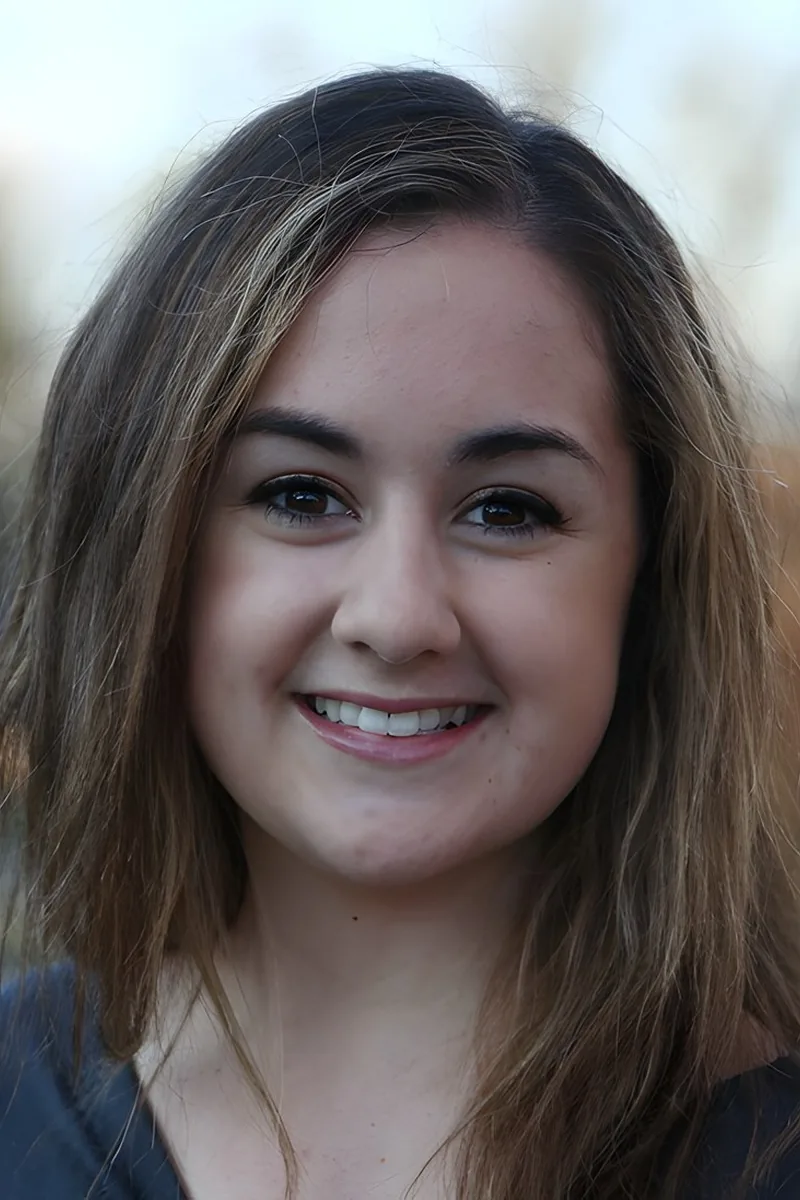
Rather than drilling conjugation tables in isolation, Meghan teaches Spanish grammar in context — building sentences that students actually want to say. She minored in Spanish at Northwestern and then spent a semester at Madrid's top-ranked university taking upper-level courses entirely in Spanish alongside native speakers. That immersion experience means she understands the gap between textbook Spanish and how the language actually works.
Vivian's background is in music performance and standardized test prep, not Spanish — but her Juilliard training means she's wired to hear and reproduce precise patterns, a skill that transfers directly to mastering pronunciation, accent marks, and the rhythmic flow of spoken Spanish. She applies the same disciplined, repetition-based practice she uses in the practice room to lock in conjugation patterns and vocabulary retention.
Richard has studied Spanish through the SAT Subject Tests — including the Listening exam — and tutored high school students in the language before college. He tackles grammar structures like the subjunctive and preterite-vs-imperfect distinctions by connecting them to patterns rather than rote conjugation charts, making the rules easier to internalize.
Mica teaches Spanish across four levels, from foundational conjugation and noun-adjective agreement through advanced grammar like the subjunctive mood and complex sentence structures. Her analytical background at Stanford carries over into how she breaks down tricky verb tenses — she treats grammar rules as logical systems rather than lists to memorize.
Natalie minors in Spanish at Penn and has studied through advanced-level coursework, giving her a strong command of grammar, verb tenses, and conversational fluency. She tackles tricky concepts like the subjunctive mood and ser-versus-estar distinctions by connecting them to patterns students already recognize in English. Her approach keeps vocabulary and grammar practice grounded in real usage rather than rote conjugation charts.
Lucas teaches Spanish with an emphasis on building conversational confidence alongside grammatical structure — verb conjugations, pronoun placement, and sentence formation in real-world contexts. His experience with ESL learners gives him a sharp sense of how language acquisition actually works, which he applies in reverse when English speakers are tackling Spanish.
Studying Philosophy, Politics & Economics means Bina spends her days parsing arguments, dissecting texts, and building structured cases — skills she applies directly to Spanish grammar, where understanding *why* a rule works (say, the logic behind ser versus estar) matters more than memorizing charts. Her background in law adds another layer: she treats sentence construction like building a legal argument, where every word has to be in the right place for the meaning to hold. Rated 5.0 by students.
Heather's Spanish teacher trusted her enough to ask her to tutor a classmate — which says more about her command of the language than any credential list. She breaks down verb conjugations, sentence structure, and vocabulary acquisition in ways that stick, whether a student is just starting with present tense or wrestling with the subjunctive mood.
Teaching elementary school in diverse classrooms gave Victoria daily practice communicating in Spanish with students and families, and she carries that real-world fluency into her tutoring. She covers verb conjugations, reading comprehension, and written composition across Spanish 1 through 4, adjusting complexity to wherever a student currently sits in the sequence.
Seven years of formal Spanish study plus a year living in Spain gave Matthew the kind of fluency that covers both grammar rules and the intuitive feel for how the language actually works. He tackles everything from subjunctive mood and preterite-vs-imperfect distinctions to building conversational confidence. Students get someone who learned Spanish as a second language and remembers exactly where the sticking points are.
Tutoring at a bilingual orphanage in Peru gave Priscilla hands-on experience teaching in Spanish outside a classroom setting, where clear communication mattered more than perfect textbook answers. She channels that practical exposure into building students' confidence with vocabulary, reading comprehension, and everyday conversation skills.
Moriah teaches Spanish at the intermediate and advanced levels, tackling tricky areas like subjunctive mood, preterite-vs-imperfect distinctions, and complex sentence construction. Her analytical approach — developed through a Cornell education and years of teaching — translates well to breaking down grammar rules that often feel arbitrary to English speakers. She connects new structures to patterns students already recognize, making conjugation tables and vocabulary retention far less painful.
Teaching across Spanish 1 through Spanish 3, Sarah knows exactly where each level's stumbling blocks are — from mastering ser versus estar early on to navigating subjunctive mood in more advanced coursework. Her Vanderbilt coursework and conversational practice give her a feel for how the language actually sounds, not just how it looks on a conjugation chart.
Kaya teaches Spanish from conversational basics through advanced grammar, covering everything from preterite vs. imperfect distinctions to subjunctive mood in complex sentences. Her experience across Spanish 1 through 4 and IB Language B means she can pinpoint exactly where a student's gaps are and address them systematically.
Tackling both Spanish and conversational Spanish means Sam doesn't just drill grammar charts — he pushes students toward actually producing the language in real time, connecting conjugation patterns and vocabulary to spoken practice. His 35 ACT reflects sharp analytical chops that translate well into breaking down tricky structures like ser versus estar or subjunctive triggers. Rated 5.0 by students.
Samantha has studied Spanish through advanced levels and approaches the language with the same analytical rigor she applies to her other subjects. She digs into the grammatical structures that trip students up most — subjunctive mood, ser versus estar, preterite versus imperfect — and connects each rule to patterns that make conjugation and usage feel logical rather than arbitrary. Her detail-oriented approach is especially useful for students preparing for exams or working through written assignments.
Trained in total immersion methods at the University of Michigan, Corey treats Spanish as a living communication tool rather than a set of conjugation tables to memorize. He spent years teaching and working in Nicaragua, so he brings authentic cultural context to everything from ser-versus-estar distinctions to subjunctive mood triggers. His cognitive science degree also means he understands how the brain acquires language, which shapes the way he structures each session.
A year as a Fulbright Teaching Fellow in Bogotá gave Sanoja the kind of immersive Spanish fluency that's hard to replicate in a classroom. She teaches everything from verb conjugation patterns to conversational nuance, drawing on daily experience navigating Colombian Spanish in professional and social settings.
Learning Spanish grammar is one thing; knowing when to use the subjunctive in a real conversation is another. Daniel approaches Spanish by connecting grammatical structures to practical contexts — ordering food, debating an opinion, narrating a past event — so the rules stick because they're tied to something concrete. His experience learning multiple Romance languages at Penn means he can explain tricky Spanish concepts by showing how they mirror patterns in French and Italian.
Growing up bilingual in Colombia and later teaching in Mexico, Germany, and Canada, Esteban treats Spanish as a living language shaped by regional variation — the difference between how "tú" and "vos" function, or why vocabulary shifts between Bogotá and Mexico City. He builds lessons around real-world usage so that verb conjugations, subjunctive mood, and pronoun placement click in context rather than in isolation. Rated 4.9 by students.
Having taught through Spanish 1, 2, and 3, Katarah tackles conjugation patterns, vocabulary acquisition, and conversational fluency with the same ear for language she developed studying Literary Arts at Brown. Her Caribbean background gives her a natural comfort with multilingual environments, which she channels into making grammar drills feel less mechanical and more connected to real communication.
Growing up in South America gave Zora native-level fluency in both Portuguese and Spanish, so she teaches Spanish with an ear for the subtle differences between the two — false cognates, pronoun usage, and the subjunctive constructions that trip up English speakers. Her engineering coursework at Stanford also means she can tailor vocabulary and reading practice toward students interested in STEM fields.
Sabina brings structured thinking from her English and humanities background to Spanish instruction, treating grammar concepts like ser vs. estar or preterite vs. imperfect as logical systems rather than arbitrary rules to memorize. She also emphasizes reading comprehension in Spanish, building vocabulary through context rather than flashcard drills alone.
A double major in Spanish and International Studies from Washington University means Megan studied the language alongside the political, economic, and cultural systems of the Spanish-speaking world — context that makes vocabulary and grammar feel purposeful rather than abstract. She's especially strong at connecting classroom Spanish to real-world usage, whether that's navigating a news article, understanding regional expressions, or building the reading and writing skills that carry students from Spanish 1 through AP-level literary analysis.
Learning Spanish means learning to think in a new structure, not just translating word by word from English. Jorge teaches grammar concepts like the subjunctive and ser vs. estar through context — real conversations, short readings, and practical scenarios — so students internalize patterns instead of memorizing conjugation charts. He's comfortable across all four levels, from first-semester basics to advanced composition.
Teaching Spanish 1 through Spanish 4, Megan covers the full arc from present-tense conjugations to subjunctive mood and complex reading comprehension. Her background in language learning and social justice means she often pulls in culturally rich texts and real-world contexts that make vocabulary and grammar stick.
Lisa's conversational Spanish and her anthropological fieldwork give her a practical, immersive angle on the language — she's used Spanish in real-world research settings, not just classrooms. She emphasizes building confidence with verb conjugations and sentence construction so students can start producing their own sentences rather than translating word by word from English.
Pursuing a language citation in Spanish at Harvard, Gabriela approaches the language with both academic rigor and conversational ease. She digs into the grammar fundamentals — verb conjugations, subjunctive mood, pronoun placement — while also building the kind of everyday fluency that makes students feel confident actually speaking. Her 5.0 rating speaks to how well that balance works.
Seven months studying abroad in Santiago, Chile gave Mindy the kind of Spanish fluency that comes from navigating daily life — not just conjugation drills. She teaches grammar structures like the subjunctive and preterite-vs-imperfect distinction by grounding them in real conversational contexts where the difference actually matters. Her experience with ESL learners also means she understands how to bridge the gap between English-language thinking and Spanish-language expression.
Living in Chile for several years, Jamie used Spanish daily — teaching ESL, editing investment research, and running corporate trainings, all while navigating life in a Spanish-speaking country. That immersion gives her a practical grip on verb conjugations, conversational fluency, and the idiomatic expressions that textbooks tend to skip. Rated 4.9 by students.
Learning Spanish grammar through isolated drills rarely produces students who can actually use the language. Gus teaches verb conjugations, pronoun placement, and subjunctive triggers inside real conversations and short readings, so the rules attach to meaning instead of floating in a vacuum. His approach across four levels of Spanish means he can meet a beginner on day one of present tense or a more advanced student wrestling with the conditional perfect.
Listing Russian, German, and Spanish among her strongest subjects, Morgan has the multilingual perspective to show students how Spanish grammar — ser versus estar, reflexive verbs, subjunctive triggers — fits into broader language patterns rather than existing in isolation. Her International Development background also means she can ground vocabulary and cultural lessons in real-world contexts from across Latin America and the Spanish-speaking world.
Twelve years of Spanish practice and a 5 on the AP Spanish Literature exam give Rachael the fluency to move beyond textbook drills into real conversation, reading comprehension, and literary analysis. She unpacks tricky grammar concepts like the subjunctive mood by grounding them in everyday usage rather than abstract rules. Students at any level — from conjugation basics to advanced composition — get a tutor who genuinely thinks in the language.
Learning Spanish means internalizing patterns — when to use the subjunctive, how object pronouns stack, why ser and estar aren't interchangeable. Ryan teaches across multiple Spanish levels, from foundational grammar through advanced coursework, and connects vocabulary and structure to real cultural contexts rather than isolated drills. His reading-heavy academic background also makes him a strong resource for students tackling Spanish-language texts.
Elena earned her bachelor's degree in Spanish from Duke, which means grammar concepts like the subjunctive mood, ser versus estar, and preterite-imperfect distinctions aren't abstract rules to her — they're second nature. She unpacks tricky constructions by showing how native speakers actually think about them, connecting textbook grammar to real usage. Rated 5.0 by students.
Julia's Spanish skills go well beyond the classroom — she tutored children in El Salvador and has studied through advanced levels of the language. Whether a student is conjugating irregular preterite verbs for the first time or working through subjunctive mood in complex sentences, she connects grammar rules to real conversational use so the language actually sticks.
A psychology background from Dartmouth and a master's in elementary education might seem unrelated to Spanish, but John's training in how kids learn transfers directly to language acquisition — he knows how to make vocabulary and grammar patterns stick through repetition, context, and active recall. He's a proficient Spanish speaker who teaches across multiple levels, with a particular knack for building early confidence in sentence construction and everyday conversation.
Instead of memorizing conjugation tables in isolation, Jamie's Spanish students encounter new structures through stories, cultural clips, and high-context material that mirrors how the brain actually acquires language. This comprehensible-input approach is especially effective for students who've stalled after a couple years of textbook Spanish and need to break through to real fluency in listening and spontaneous speech.
Mustafa's Spanish instruction zeroes in on grammar mechanics — verb conjugation across tenses, pronoun placement, and ser-versus-estar distinctions — because those are the building blocks that make reading, writing, and conversation possible. He covers Spanish 1 through Spanish 2 material and keeps his own skills sharp through regular practice, so explanations stay grounded in how the language actually works rather than rote memorization of charts.
Testimonials
Because the right Spanish tutor makes all the difference.
Average Session Rating – Based on 3.4M Learner Ratings
Other Queens Tutors
Related Languages Tutors in Queens
Frequently Asked Questions
Your first session is a chance for a tutor to understand your current level, learning goals, and any specific challenges—whether that's verb conjugation, conversation confidence, or exam preparation. The tutor will assess your reading, writing, listening, and speaking skills to create a personalized plan that matches your needs. This foundation helps ensure every session after builds on what works best for you.
In a classroom, speaking practice is often limited to a few minutes per student. With personalized 1-on-1 instruction, you get consistent, focused conversation practice tailored to your level—from basic greetings to complex discussions. A tutor can provide immediate feedback on pronunciation, accent, and natural phrasing, helping you build fluency and confidence in ways group settings can't match.
Both matter, but the balance depends on your goals. A strong foundation in grammar helps you understand sentence structure and avoid common mistakes, while natural usage—learning how native speakers actually talk—makes you sound fluent and helps you understand real conversations. Expert tutors blend both approaches, teaching you grammar rules in context so you can apply them naturally rather than memorizing isolated rules.
Verb conjugation is one of the trickiest parts of Spanish, but it becomes manageable with consistent practice and pattern recognition. Rather than memorizing every conjugation, tutors help you identify patterns across regular and irregular verbs, then reinforce them through conversation and writing exercises. Spaced repetition—reviewing conjugations over time—is more effective than cramming, and personalized tutoring lets you focus on the verb tenses you actually use.
Vocabulary sticks when you use it in context rather than memorizing isolated word lists. Tutors help you learn new words through conversation, reading, and writing—connecting them to real situations you care about. Techniques like grouping related words, using words in sentences, and reviewing them at strategic intervals (spaced repetition) all boost retention and help you move vocabulary from short-term memory into active use.
Language and culture are deeply connected—understanding cultural context helps you grasp idioms, humor, and communication styles that don't translate literally. Learning about Spanish-speaking regions, traditions, and perspectives also makes the language more engaging and memorable. Tutors can weave cultural insights into lessons, helping you appreciate nuances in the language and communicate more authentically with native speakers.
Yes. Whether you're preparing for a school exam, AP Spanish, or language proficiency test, personalized tutoring targets the specific skills and content you need. Tutors can help you master the exam format, build vocabulary for specific topics, practice timed writing and speaking sections, and develop strategies for success. Regular sessions with focused practice typically show measurable improvement in exam performance.
Varsity Tutors connects you with expert Spanish tutors in Queens who match your level, goals, and learning style. You'll work with someone experienced in the specific areas you need—whether that's conversational fluency, grammar, test prep, or cultural immersion. The matching process considers your schedule, preferences, and objectives to ensure a great fit from day one.
Let’s find your perfect tutor
Answer a few quick questions. We’ll recommend the right plan and match you with a top 5% tutor.