Award-Winning English Tutors
serving Albuquerque, NM
English
Tutors in Albuquerque
Private 1-on-1 tutoring, weekly live classes for academic support, test prep & enrichment, practice tests and diagnostics, and more to elevate grades and test scores.
Based on 3.4M Learner Ratings
UniversitiesSchools & Universities
DeliveredHours Delivered
ProficiencyGrowth in Proficiency
Who needs tutoring?
No obligation. Takes ~1 minute.

Philosophy training at the University of Chicago means Justin spent years dissecting arguments, analyzing sentence structure, and writing with precision — skills that translate directly into English tutoring. He tackles everything from grammar mechanics and thesis construction to close reading of literary texts, teaching students how to identify an author's choices and articulate why they matter. Rated 5.0 by students.
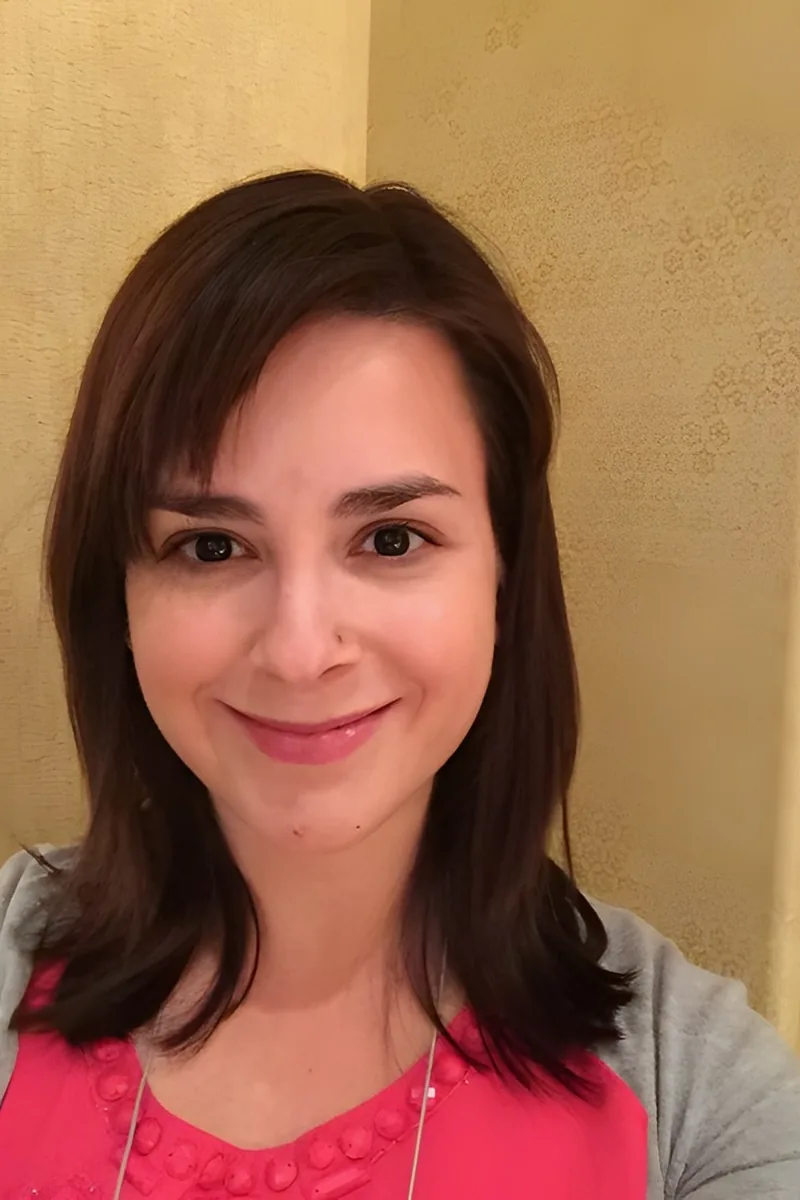
A journalism and psychology double major turned doctoral candidate at Duke, Shelley brings an unusual lens to English — she treats reading comprehension and essay writing as exercises in argument analysis, teaching students to identify claims, weigh evidence, and structure their own ideas with precision. Her 5.0 rating speaks to how well that analytical approach clicks for students working on everything from thesis statements to close-reading passages.
Between her public health research at Johns Hopkins and her goal of becoming a freelance writer, Rachel lives on both sides of English — analytical reading and clear, purposeful writing. She teaches students how to build arguments, tighten prose, and read critically for structure and tone, whether they're working on literary analysis essays or straightforward expository pieces. Her background in classroom teaching means she knows how to break down grammar and composition concepts so they actually click.
Bryan's government degree at Dartmouth meant constant immersion in political texts, policy briefs, and persuasive writing — genres that demand the same close-reading and argumentation skills tested in English coursework. He zeroes in on how to structure a claim, select the right evidence, and write with the kind of directional clarity that turns a meandering draft into a convincing essay. Holds a 5.0 rating.
Theater training is essentially a masterclass in close reading — Laura spent years dissecting scripts for subtext, character motivation, and the weight of individual word choices. That interpretive skill translates directly to literary analysis and essay writing, where she teaches students to dig into a text's language and build an argument from what they find rather than summarizing the plot.
An English major who reads voraciously and writes constantly, Daniela tackles everything from close reading and thesis development to literary analysis of poetry, novels, and essays. She teaches students to identify rhetorical strategies, build arguments with textual evidence, and revise their own writing with a critical eye. Rated across subjects from American literature to college essays, she adapts her approach to whatever a student is reading or writing right now.
Craig's background is rooted in mathematics, but years of teaching at the college level — including guiding students through essays and academic writing — sharpened his ability to unpack thesis development and argument structure. He's particularly effective at showing students how to organize their ideas before drafting, so the writing process feels less overwhelming.
Reading, writing, and critical thinking all converge in English class, and Thomas brings genuine enthusiasm for each piece. He's especially skilled at teaching students how to close-read a passage — pulling apart an author's word choice, tone, and structure to build a real interpretation rather than a surface-level summary. His background in both literature and essay editing means he can coach the analytical thinking and the polished writing that English courses demand.
Reading a dense passage and building a coherent argument about it is something Katherine does constantly in her graduate research, and she brings that same analytical lens to English tutoring. She unpacks how to identify an author's purpose, structure a thesis, and use textual evidence effectively — skills that show up on everything from AP Literature essays to college application writing.
From elementary reading to college-level literature analysis, Katie's English tutoring spans a wide range because she genuinely understands how people process language — it's the core of her psychology research. She digs into close reading, thesis development, and argument structure, and she currently edits academic papers professionally, which keeps her skills sharp on everything from paragraph organization to word-level precision.
Two Oberlin degrees — one in English, one in Latin Literature — gave Erica the rare ability to teach close reading as both a literary and a linguistic skill, connecting how an author's word choices create tone, argument, and meaning. Whether a student is analyzing a novel for class or strengthening their own writing voice, she digs into the specific passages and sentences where understanding clicks.
Nursing coursework throws a surprising amount of writing at you — care plans, patient assessments, research briefs — and Teresa has gotten sharp at translating complex ideas into clear, precise language under deadline pressure. She applies that same clarity-first approach to English tutoring, especially when students need to tighten their grammar or turn a messy draft into a structured, evidence-backed essay. Rated 5.0 by students.
Between literature analysis, essay construction, and close reading of complex texts, English class asks students to juggle a lot of different skills at once. Uphoria tackles each one separately — annotating a passage for rhetorical devices is a different task than outlining a comparative essay, and she treats them that way. Her dual focus on anthropology and language gives her a natural instinct for pulling meaning out of dense material.
Strong analytical writing is central to Matthew's coursework in Statistics and Economics, where every argument needs clear structure and airtight evidence. He applies that same discipline to English, teaching students how to build thesis-driven essays, tighten their prose, and read texts with an eye toward the author's rhetorical choices. His 4.9 rating speaks to how well that structured approach resonates.
A lifelong reader who tears through science fiction and nonfiction alike, Joshua brings genuine enthusiasm to close reading, literary analysis, and written argumentation. His experience contributing to New Mexico Tech's Paydirt newspaper means he knows how to dissect a text's structure and explain why specific word choices, tone shifts, or narrative techniques matter. He's especially effective at teaching students how to move from "I liked this passage" to a fully supported analytical claim.
Between his literature background spanning high school through college-level American lit and his experience coaching students on essays and writing, Ethan covers the full range of English skills — close reading, thesis development, textual analysis, and revision. He's especially sharp at teaching students how to move from a vague first impression of a text to a specific, evidence-driven argument about it.
Reading a novel and analyzing a painting require the same core move: figuring out what choices the creator made and why those choices affect you. Issa brings that cross-disciplinary lens to English, teaching students to unpack themes, symbolism, and authorial intent with the same close-looking techniques he uses in visual critique. His 5.0 rating speaks to an approach that makes literary analysis feel like genuine investigation rather than busywork.
Reading a dense passage and extracting its argument is surprisingly similar to reading a physics problem and identifying the relevant variables — both demand careful attention to what's actually on the page. Jordan applies that analytical habit to English, walking students through thesis development, textual evidence, and essay structure. He also tutors college essays and essay editing, so he knows how to move a student from rough draft to polished final version.
A PhD in Law trained Emma to read critically and argue precisely, while her bachelor's in English gave her deep familiarity with literary analysis, close reading, and composition. She approaches English by connecting the texts students are reading to the writing skills they're building — analyzing an author's rhetorical choices, for instance, then applying those same techniques in their own essays.
A history and philosophy degree means Jenny spent four years constructing thesis-driven arguments from dense, sometimes contradictory texts. She brings that same analytical approach to English — whether a student is unpacking symbolism in a novel, structuring a comparative essay, or learning to identify an author's rhetorical moves in a nonfiction passage.
I'm Maddie Wright, a recent graduate of UCLA and enthusiastic tutor specializing in the ACT, language arts, and math. I majored in marine biology and minored in geography in undergrad, so I am also very comfortable teaching the natural and social sciences. My specialties include creating personalized materials and offering writing and college application guidance. I cater to Elementary, Middle, and High School students, and always aim to provide engaging, informative, and specialized sessions for my students. From presenting core concepts, to reviewing real world applications, to assisting with homework and test preparation, I'm super excited to dive into learning together!
A semester taking literature courses alongside native Spanish speakers at Madrid's top-ranked university gave Meghan practice reading closely under pressure and constructing arguments about texts in real time. She brings that same intensity to English tutoring, whether a student is annotating a novel for theme, structuring a thesis statement, or learning to use textual evidence that does more than just summarize. She holds a 5.0 rating.
Engineering majors don't usually come to mind for English tutoring, but Phillip's experience crafting college essays and editing academic writing at Brown sharpened his ability to break down sentence structure, argumentation, and grammar in ways that click for analytically minded students. Rated 5.0 by students, he's especially effective at teaching thesis development and evidence integration for literary analysis essays.
Reading closely and writing clearly are two sides of the same coin, and Kevin's liberal arts education at Penn sharpens both constantly. He digs into everything from identifying an author's argument structure to crafting thesis statements that do real analytical work, drawing on his deep engagement with literature, philosophy, and political writing.
Reading a dense primary source and constructing a clear argument from it is the same skill whether the context is a literature class or a medical case study — and Sugi has done both extensively. She's particularly sharp at teaching students how to move from annotation to thesis, turning scattered observations about a text into a structured, evidence-driven essay. Her 5.0 rating speaks to how well that translates for students.
A background in French literature and social sciences means Lauren reads closely and critically across genres, from poetry to argumentative essays. She teaches students to identify an author's rhetorical moves — tone shifts, structural choices, use of evidence — and then apply those same techniques in their own writing, building both analytical reading and composition skills at once.
Between coaching college essays, editing student writing, and building English curricula professionally, Elena lives inside the questions that define this subject: how do you construct an argument, how do you read a text closely, and how do you write something someone actually wants to read? She brings a First Class Honors background from McGill and Edinburgh to bear on everything from paragraph structure to literary analysis. Her secret weapon is humor — she genuinely believes that a well-timed joke about a bad sci-fi movie can unlock a student's thinking faster than another worksheet.
Between his philosophy coursework, college essay coaching, and literature teaching, Justin brings a surprising depth to English for someone whose degrees are in math and physics. He's particularly strong at teaching students how to build an argument in an essay — structuring a thesis, selecting textual evidence, and revising for clarity — skills he honed writing extensively through his doctoral program at the University of Chicago.
A Comparative Literature degree from Columbia means Jacob spent years reading across genres, periods, and traditions, then writing arguments about how those texts work. He tackles everything from close reading and thesis development to the mechanics of crafting a paragraph that actually says something — the kind of integrated English instruction that connects analytical thinking to stronger writing.
Reid's sociology background at Wesleyan trained him to read texts critically and argue from evidence, which is exactly what English courses demand once students move past basic comprehension. He digs into thesis construction, close reading of literary and nonfiction passages, and the revision process that turns rough drafts into polished essays.
Keith's Williams College education was steeped in close reading and analytical writing across political science, history, and English — the kind of interdisciplinary background that makes him especially effective at teaching students how to build a thesis, integrate textual evidence, and revise for clarity. Whether the task is dissecting a novel's themes or structuring a persuasive essay, he connects the reading and writing sides of English into a single skill set.
Selected as one of Joyce Carol Oates's two thesis advisees at Princeton, Sash knows what it takes to read closely, argue persuasively, and write with genuine style — the three pillars of any English class. She tackles everything from thesis construction in analytical essays to unpacking figurative language in poetry, drawing on a deep background in literature, theater, and creative writing.
Though math and science are his home base, Matthew's experience tutoring college essays and editing student writing gives him practical range in English. He approaches reading comprehension and written arguments analytically — teaching students to identify a passage's structure and build claims with evidence, skills that come naturally to someone trained in engineering problem-solving at Princeton.
Testimonials
Because the right English tutor makes all the difference.
Average Session Rating – Based on 3.4M Learner Ratings
Other Albuquerque Tutors
Related English Tutors in Albuquerque
Frequently Asked Questions
Students in Albuquerque often struggle with reading comprehension, essay writing, and grammar fundamentals—challenges that are common nationwide but can be compounded in larger classroom settings. With an average student-teacher ratio of 16.9:1 across Albuquerque's 31 school districts, many students don't get individualized feedback on their writing or personalized strategies for tackling complex texts. Personalized tutoring addresses these gaps by focusing on each student's specific weak points, whether that's thesis development, literary analysis, or foundational mechanics.
In a classroom of 20+ students, teachers must move at an average pace and can't provide detailed feedback on every assignment. Personalized 1-on-1 instruction allows a tutor to diagnose exactly where a student is struggling—whether it's understanding inference in reading, organizing ideas in essays, or mastering grammar concepts—and adjust the approach accordingly. This targeted instruction means students spend time on what they actually need, not reviewing concepts they've already mastered, leading to faster improvement and greater confidence.
Elementary students should build strong foundational skills: phonics, sight words, basic sentence structure, and reading fluency. Middle school shifts toward comprehension, essay writing, and literary analysis. High school students tackle advanced writing (research papers, persuasive essays), complex texts, and often prepare for standardized tests like the SAT. A tutor can ensure students are on track with grade-level expectations and fill any gaps from earlier years that might hold them back in more advanced coursework.
Many students struggle with organizing their thoughts, developing strong thesis statements, and revising their work effectively. Personalized tutoring breaks down the writing process into manageable steps—brainstorming, outlining, drafting, and revising—with real-time feedback on each stage. A tutor can model strong writing, show students how to strengthen weak arguments, and teach revision strategies that help them become more independent writers over time.
Reading comprehension challenges often stem from weak vocabulary, difficulty identifying main ideas, or struggling to make inferences from text. A tutor can teach active reading strategies like annotation, questioning the text, and making connections between ideas. They can also select texts at the right level to build confidence while gradually introducing more complex material, helping students develop the skills they need to tackle challenging literature and informational texts independently.
The reading and writing sections of standardized tests require specific skills: identifying main ideas quickly, understanding nuanced word choices, and recognizing grammar patterns. A tutor can teach test-specific strategies, help students practice under timed conditions, and provide detailed feedback on practice tests to identify patterns in errors. This targeted preparation, combined with ongoing English skill-building, helps students boost their scores and feel more confident on test day.
The first session is an assessment and goal-setting conversation. A tutor will ask about the student's current challenges, review recent assignments or test scores, and understand what they want to improve—whether that's grades, test scores, or writing confidence. This foundation helps the tutor create a personalized plan focused on the student's specific needs and priorities, so every session that follows is purposeful and targeted.
Varsity Tutors connects students with expert tutors who have strong backgrounds in English—whether that's teaching experience, advanced degrees, or demonstrated expertise in literature, writing, and language arts. Each tutor is vetted to ensure they can teach across different grade levels and address specific challenges like essay writing, reading comprehension, or test preparation. When you connect with a tutor, you can review their background and experience to ensure they're a good fit for your student's needs.
Let’s find your perfect tutor
Answer a few quick questions. We’ll recommend the right plan and match you with a top 5% tutor.