Award-Winning Python Tutors
serving Omaha, NE
Who needs tutoring?
FEATURED BY


TUTORS FROM
- YaleUniversity
- PrincetonUniversity
- StanfordUniversity
- CornellUniversity
Award-Winning Python Tutors serving Omaha, NE
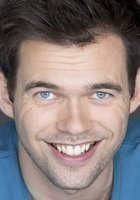
Certified Tutor
Matthew
Bioinformatics at Stanford meant writing Python daily — parsing genomic datasets, automating lab analyses, and building scripts to visualize biological data. Matthew teaches Python fundamentals like loops, functions, and data structures through real problem-solving rather than abstract exercises. St...
Stanford University
Bachelors in Human Biology (concentration in Bioinformatics and Stem Cell Science)
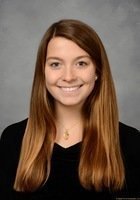
Certified Tutor
6+ years
Lauren
Working in a neuroscience research lab at Duke meant Lauren had to learn Python for real tasks — cleaning datasets, running statistical analyses, and visualizing experimental results. She teaches Python through that practical lens, covering loops, functions, and libraries like NumPy by connecting ea...
Duke University
Bachelor of Science, Neuroscience
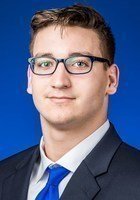
Certified Tutor
6+ years
Noah
Python's readability makes it a great first language, but students still get stuck on concepts like list comprehensions, class inheritance, and debugging recursive functions. Noah uses Python daily in his cybersecurity graduate work and writes clean, well-documented code — a habit he passes along fr...
Duke University
Bachelor of Science in Computer Science

Certified Tutor
9+ years
Isabella
TA'ing college-level computer science courses at MIT and Georgia Tech gave Isabella a clear picture of where students stumble in Python — from misunderstanding how mutable default arguments behave to writing tangled spaghetti code when a clean function would do. Her operations research background me...
Massachusetts Institute of Technology
Bachelor of Science in Mathematics (minors in Management Science and Ancient and Medieval Studies)
Georgia Institute of Technology-Main Campus
Current Grad Student, Operations Research
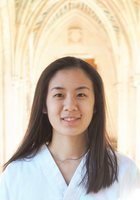
Certified Tutor
5+ years
Florence
Whether it's scripting a data pipeline or implementing a sorting algorithm from scratch, Florence teaches Python with the pragmatism of someone who's used it across academic and industry settings — including software development at IBM. She walks through core concepts like list comprehensions, dicti...
Duke University
Bachelor of Science, Computer Science
Certified Tutor
6+ years
Gabriel
Gabriel's computer science studies at Penn give him daily fluency in Python, from writing clean functions and loops to working with libraries like pandas for data analysis. He walks beginners through debugging line by line so they learn to read error messages instead of fearing them.
University of Pennsylvania
Bachelor of Science, Economics
Certified Tutor
10+ years
Daria
Daria's electrical and computer engineering coursework at Cornell means Python isn't just a classroom exercise — she uses it to program microcontrollers, process signals, and automate hardware-level tasks. That hands-on engineering context lets her teach variables, loops, and functions through proje...
Cornell University
Current Undergrad, Electrical and Computer Engineering
Certified Tutor
Jonathan
Python's readability makes it a great first language, but students still stumble on list comprehensions, class inheritance, and debugging logic errors they can't see. Jonathan uses Python in his own Cornell coursework across both CS and engineering projects, so he teaches the language the way it's a...
Cornell University
Bachelors, Chemical Engineering and Computer Science
Certified Tutor
3+ years
Eric
Eric writes Python daily in Duke's data science program, working with pandas DataFrames, NumPy arrays, and visualization libraries like Matplotlib. He teaches coding the way he learned it — by building real projects, debugging line by line, and understanding why a list comprehension behaves differen...
Duke University
Master's/Graduate, Data Science
Sacred Heart University
Bachelor in Arts, Mathematics Teacher Education

Certified Tutor
9+ years
Harry
Learning Python is less about memorizing syntax and more about thinking through problems step by step — how to structure a loop, when to use a dictionary versus a list, why your function returns None instead of a value. Harry uses Python in his economics and math coursework for data analysis and mod...
Carleton College
Current Undergrad Student, Economics
Nearby Python Tutors
Other Omaha Tutors
Related Technology and Coding Tutors in Omaha
Frequently Asked Questions
Your first session is about understanding your current skill level and goals. A tutor will assess whether you're just starting with programming basics, working through a school curriculum, or building toward a specific project like web development or data analysis. They'll also identify any specific challenges you're facing—whether that's understanding loops, debugging errors, or grasping object-oriented concepts—so they can tailor future sessions to what you actually need.
Syntax is the rules of how to write Python code (like proper indentation and function definitions), while logic is understanding *why* you write code a certain way to solve a problem. Many students can memorize syntax but struggle with algorithmic thinking—knowing how to break down a problem into steps. Personalized tutoring helps you practice both: syntax through hands-on coding, and logic through problem-solving discussions and code review that shows you alternative approaches.
Absolutely—debugging is one of the most valuable skills a tutor can help you develop. Rather than just fixing errors for you, a tutor teaches you how to read error messages, trace through your code logically, and identify where things went wrong. This hands-on practice with real code you've written builds confidence and helps you become independent at solving problems, rather than relying on someone else to fix mistakes.
Yes. Python is used across many fields, and tutors can guide you toward the path that matches your interests. Whether you're interested in building web applications with frameworks like Django, analyzing data with libraries like pandas, or creating games, a tutor can help you build foundational Python skills and then guide you toward projects and libraries relevant to your goals.
For Omaha students working through Python in a computer science or programming class, personalized tutoring fills gaps that classroom instruction might miss. With an average student-teacher ratio of 15.4:1 in our district, getting individual attention on challenging concepts like data structures, functions, or object-oriented programming can make a real difference. A tutor can also help you work through assignments and prepare for assessments at your own pace.
Yes—project-based learning is one of the most effective ways to solidify your Python skills. A tutor can help you plan, build, and debug real applications, whether that's a simple game, a web scraper, or a data visualization project. Working on something you care about keeps you motivated and gives you a portfolio piece that demonstrates your abilities beyond just passing tests.
Data structures (lists, dictionaries, sets) and algorithms are abstract concepts that many students find confusing at first. A tutor breaks these down with visual explanations and hands-on coding practice, showing you how different data structures work and when to use each one. This foundation is crucial for writing efficient code and progresses naturally into more advanced computer science topics.
Look for someone with solid Python experience and a track record teaching programming to students at your level. Ideally, they should be able to explain *why* code works the way it does, not just show you solutions. Varsity Tutors connects you with expert tutors who have vetted experience in Python and can adapt their teaching style to how you learn best.
Connect with Python Tutors in Omaha
Get matched with local expert tutors