Award-Winning History Tutors
serving Minneapolis, MN
Award-Winning
History
Tutors in Minneapolis
Private 1-on-1 tutoring, weekly live classes for academic support, test prep & enrichment, practice tests and diagnostics, and more to elevate grades and test scores.
Based on 3.4M Learner Ratings
UniversitiesSchools & Universities
DeliveredHours Delivered
ProficiencyGrowth in Proficiency
Who needs tutoring?
No obligation. Takes ~1 minute.
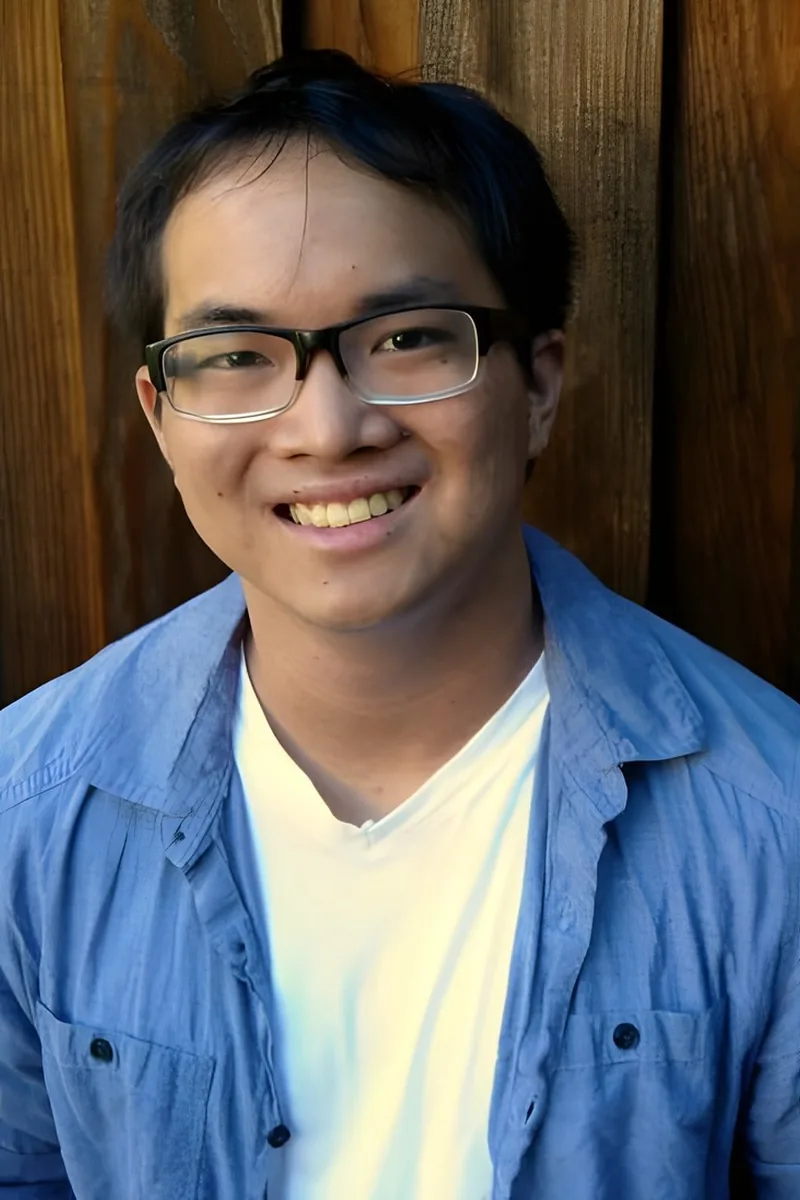
Cognitive science is essentially the study of how people think — and David brings that lens to history, asking how belief systems, cognitive biases, and decision-making under uncertainty shaped the actions of historical figures and populations. His Stanford training in both cognitive science and computer science means he's comfortable with both the humanistic side of interpreting motives and the analytical side of building structured, evidence-driven arguments. That combination is especially useful for document analysis and essay writing, where students need to explain not just what happened but how people's thinking led them there.

Having lived and studied across Shanghai, Belgium, and the United States, Angela brings a genuinely cross-cultural perspective to history — she can contextualize events like the Opium Wars or Cold War-era diplomacy from multiple national viewpoints, not just the Western textbook version. Her international business training also means she's sharp on the economic and trade dynamics that drive so many pivotal historical moments.
Treating history as a series of debates rather than a list of dates makes the material stick — and Nisarg's love for political debate means he naturally frames events around competing arguments and motivations. He teaches students to evaluate primary sources, identify causation versus correlation in historical narratives, and build document-based essays that actually make a claim.
A Child Studies degree means George spent years examining how societies have treated, educated, and thought about children across different eras — a surprisingly rich entry point into broader historical themes like labor reform, public education movements, and shifting family structures. He teaches students to pull arguments from primary documents and organize essays around a clear throughline. Rated 5.0 by students.
Anniessa treats history as an exercise in reading the world critically — examining whose stories get told, what primary sources reveal versus what they obscure, and how events connect across regions and centuries. Her teaching experience in both Minneapolis and Paris gives her a genuinely cross-cultural perspective on topics from colonialism to civil rights movements. She's especially skilled at turning document analysis and argumentative writing into accessible, concrete tasks.
Too many students think history is a subject you either remember or you don't, but it's really about building arguments from evidence — the same skill lawyers and political scientists use daily. Adam studied political science at Boston College and spent time tutoring in Boston-area high schools, where he learned to turn dry timelines into cause-and-effect chains that actually make sense to students.
Teaching history well means teaching students to ask 'why' — why did this event follow that one, and whose perspective is missing from the textbook account? Emily's social work training sharpened her ability to analyze systems and power dynamics, which translates directly into richer discussions about cause, effect, and historical context.
Lillian's background in design has sharpened her ability to think about how context shapes decisions — a skill that translates directly to analyzing historical events and writing document-based arguments. She teaches students to read primary sources critically and construct cause-and-effect narratives instead of just memorizing dates.
Philosophy coursework at Grinnell College trained Audrey to construct and dismantle arguments — a skill that transfers directly to writing thesis-driven history essays and evaluating primary sources for bias and intent. Her epidemiology background adds another layer, since understanding how populations change over time means grappling with the same political, economic, and social forces that drive historical events. Rated 5.0 by students.
Marika approaches history the way she approaches research: by asking what the evidence actually shows. Whether a student is analyzing the causes of the French Revolution or comparing ancient civilizations, she teaches them to read sources critically and construct claims that hold up under scrutiny. Rated 5.0 by students.
Katie studied history as part of her undergraduate focus on theater literature, history, and criticism, which means she approaches the subject through primary sources and cultural context rather than rote memorization of dates. She's especially strong at teaching students to analyze how events connect — drawing lines between, say, Reconstruction-era politics and the Harlem Renaissance. That interdisciplinary lens makes historical arguments feel grounded and alive.
Timelines and dates matter less in history than understanding *why* events unfolded the way they did — what motivated people, what constraints they faced, and how one decision cascaded into the next. Danny teaches students to read primary sources critically and construct cause-and-effect arguments, skills that translate directly into stronger essays and exam responses.
While history isn't David's primary discipline, his analytical background makes him effective at teaching students how to construct evidence-based arguments from primary and secondary sources. He treats historical questions like problems to solve — identifying causes, weighing competing interpretations, and building clear written responses that go beyond surface-level summary.
Economic history is still history, and Celestine's doctoral research gave her deep familiarity with how trade policies, colonial systems, and institutional decisions shaped nations over centuries. She teaches students to analyze primary sources and build cause-and-effect arguments rather than treating history as a list of dates to memorize.
Rohit treats history the way his political science program at the University of Minnesota demands: as a discipline built on competing interpretations, not a list of dates to memorize. He teaches students to evaluate cause-and-effect chains and connect events across eras — skills that translate directly to essay exams and document analysis.
Anna approaches history as an exercise in critical reading — teaching students to evaluate primary sources, identify bias, and connect cause-and-effect chains across events. Her analytical background in data processing gives her a structured method for organizing complex timelines and themes into arguments that hold up on paper.
While history isn't Brian's primary discipline, his university coursework in the humanities taught him to read primary sources critically and build evidence-driven arguments — skills that transfer directly to document-based questions and analytical essays. He's especially effective at teaching students how to organize a historical argument around a clear thesis rather than just retelling events in order.
Cleo approaches history as a discipline built on interpreting sources and constructing arguments, not memorizing dates. Her political economy background means she naturally connects events to their economic and structural causes — explaining, for instance, why industrialization reshaped labor politics or how colonial trade networks fueled revolution. Students come away knowing how to read a primary source critically and write about it with precision.
A pre-med genetics major who also reads French literature in the original — Jaya's double life across sciences and humanities means she's practiced at switching between analytical and interpretive thinking, which is exactly what history essays demand. She's particularly effective at teaching students to build arguments around *why* events unfolded as they did, drawing on the same cause-and-effect reasoning her biology training reinforced. Her volunteer work coaching kids through homework at the University of Minnesota Children's Hospital keeps her teaching instincts sharp across age groups.
A counseling psychology background reshapes how Brita approaches history — she digs into the human side of events, asking how social pressures, identity, and group behavior drove decisions from the Civil Rights movement to westward expansion. That lens gives students a way to move past memorizing dates and instead build arguments around why people and societies acted the way they did. Rated 4.8 by students.
Computer science trains you to think in systems — inputs, outputs, dependencies, and cascading consequences — which turns out to be exactly how historical events work. Abirami applies that structured reasoning to help break down essay prompts and organize evidence into clear, thesis-driven responses. Her broad curiosity across subjects, from environmental science to literature, gives her a cross-disciplinary perspective that makes connections between historical topics feel natural.
An avid reader with a finance background and a Master's in Education underway at the University of Minnesota, Kelly approaches history as a subject built on stories and evidence rather than dates to memorize. She teaches students to ask "why" — connecting causes and consequences across events so the material actually sticks.
A physics major learns to ask 'what caused this, and what did it lead to?' hundreds of times a week — Jane brings that same causal reasoning to history, where she teaches students to build arguments around why events unfolded rather than just when. Her writing background, including ACT Writing and college essay coaching, means she's equally comfortable helping students craft the kind of thesis-driven, evidence-rich essays that history courses actually grade on. Rated 4.9 by students.
Reading a history textbook and understanding history are two different things. Steve teaches students to think like historians — pulling apart primary sources, identifying bias, and building evidence-based arguments — skills he honed through his English and Global Studies training. His approach turns a subject that often feels like pure memorization into something closer to detective work.
Engineering coursework at the University of Minnesota trains Emily to ask how systems fail and why — questions that cut straight to the heart of historical analysis when applied to political collapse, social upheaval, or shifting alliances. She teaches students to build cause-and-effect arguments in essays and DBQs the way an engineer builds a proof: claim, evidence, logical connection. Rated 5.0 by students.
A creative writing minor alongside a math degree means Matt spends half his time constructing proofs and the other half crafting narratives — and history sits right at the intersection, demanding both logical reasoning and compelling storytelling. He teaches students to build thesis-driven arguments the way a writer builds an essay: with a clear arc, deliberate evidence selection, and attention to how ideas connect rather than just when they happened. Rated 5.0 by students.
Mikkel approaches history the way he was trained to approach science at Carleton College: by weighing evidence, questioning sources, and building arguments. That analytical framework translates directly to skills like document-based essay writing and evaluating cause-and-effect chains across eras. His wide reading habits and love of writing make him especially effective at teaching students to craft clear historical arguments.
A political science degree means Jade spent years dissecting how governments rise, collapse, and remake themselves — tracing the constitutional debates, power struggles, and policy decisions that history courses test on essays and DBQs. She brings that same attention to political context when teaching students to analyze primary sources, particularly around topics like comparative government systems and democratic movements. Rated 5.0 by students.
Engineering coursework at Arizona State drilled one habit that pays off in history: defining a problem, gathering data, and building a case — which is essentially what a document-based question asks students to do. Colleen teaches that same methodical approach to historical essays, walking students through how to pull evidence from sources and connect it to a clear thesis rather than retelling events in order.
Social psychology research is built on understanding how historical context shapes human behavior, so Alexandra brings a distinctive lens to history tutoring. She teaches students to analyze primary sources and construct cause-and-effect arguments rather than treating history as a list of dates to memorize.
Most of Nate's tutoring centers on math and science, but his ACT score of 33 reflects strong reading comprehension and analytical reasoning — exactly what history assignments test when they ask students to evaluate sources and build arguments. His writing background gives him a practical edge when coaching students through essay prompts, where organizing evidence around a clear claim matters more than memorizing dates. Rated 5.0 by students.
Studying Political Science at the University of Minnesota means Danae lives inside historical arguments — tracing how past events shaped modern institutions, policy, and power structures. She teaches students to read primary sources critically and construct document-based essays that do more than summarize, pushing them to analyze cause, consequence, and perspective.
Computer science students learn to think in systems — tracing how one input cascades through layers of logic to produce an outcome — and Broden brings that same wiring to history, where he teaches students to map how political decisions, technological shifts, and economic pressures chain together to produce the events they're tested on. His strength is in helping students structure DBQ and essay responses with the kind of tight, sequential reasoning his CS coursework at Minnesota drilled into him. Holds a 5.0 rating.
Engineering coursework is essentially applied history — Shannon's Bioproducts and Biosystems program at the University of Minnesota traces how agricultural technology, environmental policy, and industrial development reshaped societies from the Industrial Revolution forward. That background gives her a concrete, systems-level way to teach students how to connect economic and technological forces to political events in essays and document-based questions.
Five years of teaching and tutoring in language arts gave Abbey a sharp eye for exactly what history assignments are really testing: the ability to read a source critically, identify its argument, and respond with a clear, evidence-driven essay. Her English and journalism training at Minnesota means she treats historical documents the way a journalist treats interviews — questioning the source's perspective, checking claims against context, and building a narrative that holds up under scrutiny.
Studying philosophy means spending years reading primary sources and evaluating competing interpretations of the same event — exactly what history courses demand. Patrick teaches students to move past memorizing dates and instead construct cause-and-effect arguments using documentary evidence, whether they're writing about the French Revolution or the Civil Rights Movement.
An economics major who also teaches Mandarin Chinese and literature, Parsan brings an unusually broad cultural and analytical toolkit to history tutoring. He teaches students to unpack primary sources by asking what economic pressures and cultural contexts shaped the people writing them — turning a dry document-based question into something that actually makes sense. Rated 4.7 by students.
Reading history well means evaluating competing narratives, not just memorizing dates and treaties. Carey's psychology training gives her a sharp lens for analyzing primary sources — she teaches students to ask why a document was written, who it was meant to persuade, and what assumptions it reveals about its era.
An economics degree sharpens how you read history — trade routes, labor systems, and taxation suddenly explain why empires rise and collapse. Chad brings that lens to everything from the causes of the American Revolution to Cold War policy, teaching students to analyze primary sources and construct arguments that go beyond memorized dates. He holds a 5.0 rating from students.
Naomi treats history less like a list of dates and more like a collection of competing stories — teaching students to ask who wrote a source, what they left out, and why that matters. Her interdisciplinary studies background at the University of Minnesota means she's comfortable connecting political events to art, literature, and cultural movements in ways that make historical periods feel three-dimensional.
Testimonials
Because the right History tutor makes all the difference.
Average Session Rating – Based on 3.4M Learner Ratings
Nearby History Tutors
Other Minneapolis Tutors
Related Social Studies Tutors in Minneapolis
Frequently Asked Questions
History tutors work with students on everything from understanding primary and secondary sources to mastering essay writing, test preparation, and deeper analysis of historical events. Whether you're struggling with memorization, critical thinking about cause-and-effect relationships, or building arguments for essays, personalized 1-on-1 instruction helps you develop both content knowledge and the analytical skills history demands.
Many students find it difficult to move beyond simple memorization and develop the analytical thinking history requires—connecting events across time periods, evaluating multiple perspectives, and constructing evidence-based arguments. Others struggle with essay organization, managing large amounts of reading, or preparing for standardized tests like AP exams. Personalized tutoring addresses these specific gaps by focusing on your learning style rather than a one-size-fits-all classroom approach.
Varsity Tutors connects you with tutors who understand Minnesota state standards and the specific curriculum used across Minneapolis's 34 school districts. Whether your student is working on Minnesota History standards, U.S. History, World History, or AP courses, tutors tailor instruction to match classroom expectations and pacing while filling knowledge gaps that may have developed.
Yes—essay writing is one of the most impactful areas for tutoring in history. Tutors help you develop thesis statements, organize evidence effectively, analyze primary sources, and construct arguments that go beyond summary. With personalized feedback on your writing, you'll see measurable improvement in grades and test scores, especially for AP exams and college applications.
History tutors prepare you for the specific demands of AP U.S. History, AP World History, AP European History, and other standardized assessments by focusing on the skills that matter most: document-based questions (DBQs), short-answer responses, and multiple-choice strategies. Rather than generic test prep, personalized instruction targets your weak areas and builds confidence through practice with real exam materials.
Your first session focuses on understanding your current level, specific challenges, and learning goals. The tutor will assess what you know, identify gaps in understanding, and discuss how to approach history differently—whether that's improving reading comprehension of historical texts, strengthening essay skills, or preparing for an exam. This personalized foundation ensures every future session builds on what actually works for you.
Varsity Tutors connects you with expert tutors who specialize in history and understand the Minneapolis school system. Simply share your student's grade level, specific challenges, and goals—whether that's improving classroom grades, mastering AP content, or developing stronger analytical skills—and we'll match you with a tutor whose expertise aligns with your needs.
In a classroom with a 17.6:1 student-teacher ratio, history instruction must move at a standard pace that doesn't always match individual learning needs. Personalized 1-on-1 tutoring allows you to spend extra time on concepts you find challenging, explore topics in greater depth, receive immediate feedback on essays, and develop study strategies tailored to how you learn best. This focused attention typically leads to faster improvement in both understanding and grades.
Let’s find your perfect tutor
Answer a few quick questions. We’ll recommend the right plan and match you with a top 5% tutor.