Award-Winning Korean Tutors
serving Detroit, MI
Korean
Tutors in Detroit
Private 1-on-1 tutoring, weekly live classes for academic support, test prep & enrichment, practice tests and diagnostics, and more to elevate grades and test scores.
Based on 3.4M Learner Ratings
UniversitiesSchools & Universities
DeliveredHours Delivered
ProficiencyGrowth in Proficiency
Who needs tutoring?
No obligation. Takes ~1 minute.
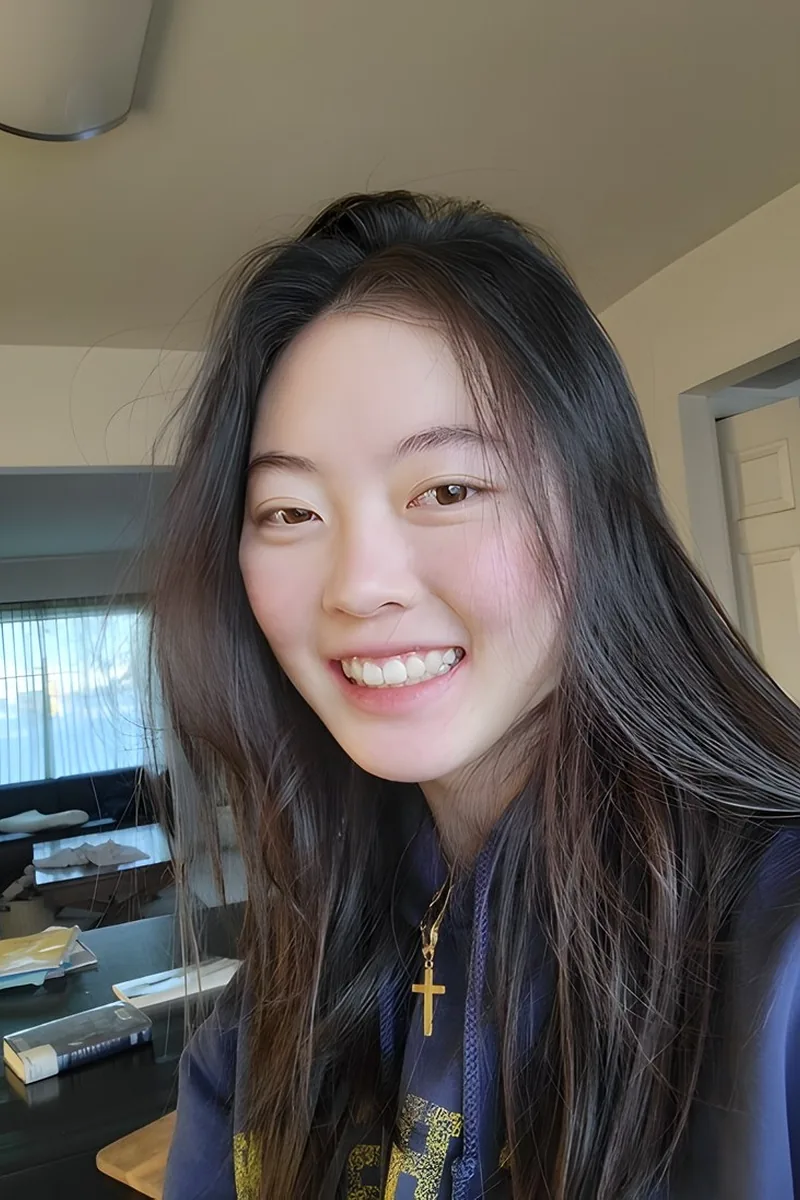
I am a undergraduate freshman of the University of Michigan, studying business at the Ross School of Business. Working together with students and having a good time while seeing steady improvements has proven to provide me great joy. I believe that communication and relationship building is crucial for students to open up about their struggles and also for me to identify problems they don't realize they can improve on, so this is a key aspect of all of my lessons. During my free time, I enjoy playing sports or snacking on desserts while binge-watching Friends!
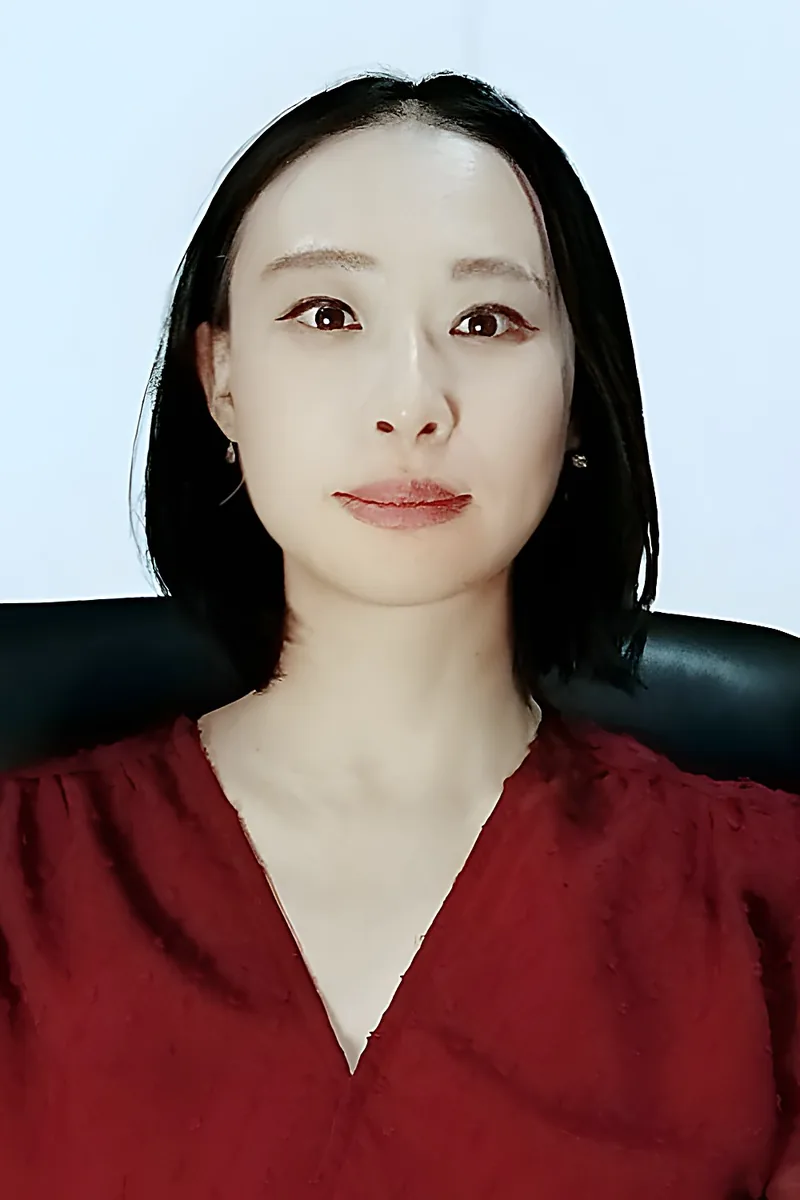
Lucy Je is a native-level Korean instructor with a TKSOL certification and over fifteen years of teaching the language. Whether a student is mastering Hangul for the first time or working through honorific speech levels and complex verb conjugations, she tailors each session to the learner's current proficiency and goals. Her academic degree in Korean adds depth to lessons on grammar, vocabulary, and cultural context.
Studying neuroscience at Brown doesn't obviously connect to Korean — but James's experience learning the language alongside rigorous coursework means he understands how to fit consistent practice with hangul, vocabulary, and grammar into a demanding schedule. He takes a structured, patient approach to building reading and speaking skills, rated 4.9 by his students.
I am a graduate from UCLA and currently working as a CPA; however, I have been enjoying time to teach the Korean language and culture when I have extra time.
I graduated from Mechatronics Engineering in University of Waterloo located in Canada, and am currently enrolled in Masters program, researching stochastic systems and computational neuroscience in University of Toronto. Currently, I am qualifed to teach computer programming, with a focus on Python language, but am able to transfer my skills to other languages. As someone that started programming later compared to my peers in university, I constantly remind myself on how difficult the initial learning curve was in programming, and aim to use this as an advantage to guide my future students into the world of programming in an interesting way, where they can enjoy the learning process and challenges, instead of being frustrated. Whether you want to learn for school, or just personal reasons, I believe that I can offer a tailored experience for teaching computer programming. I am also hoping to get qualified to teach mathematics, especially linear algebra. As an added bonus, I am also willing to share my knowledge in Machine Learning and Artificial Intelligence as it is the field that I have a lot of experience in. Teaching is not just a trasfer of knowledge, but aiding the students in making a concept their own, so that they have freedom to use it for different applications. I will try my absolute best to make what seems like a difficult topics, your own!
Learning Korean means tackling Hangul, sentence-ending particles, and an honorific system that changes verb forms depending on who you're speaking to. AJ teaches the logic behind these structures so that grammar rules feel like a system to navigate rather than a list to memorize.
I am an independent artist and filmmaker currently residing in Chicago. I've been tutoring students in test preparation, writing, and math for a little over five years and love every part of it! I make sure to design my teaching methods with the specific needs of each student in mind. My top priority is the success of my students. I am very friendly and also push my students to challenge themselves.
Esther's Korean proficiency is strong enough to have prepared for the SAT Subject Test in Korean with Listening, which means she's comfortable with formal grammar structures, reading comprehension, and conversational nuance. She teaches vocabulary acquisition and sentence patterns in a way that builds toward real fluency rather than rote phrase memorization. Whether a student is connecting with heritage language or starting fresh, she adjusts her approach accordingly.
Peace teaches Korean with attention to the specific hurdles English speakers face — from mastering Hangul's syllable blocks to internalizing subject-object-verb word order and the honorific speech levels that shape everyday conversation. Her approach connects grammar patterns to real usage so vocabulary and sentence structure stick beyond flashcard drills.
I'm a rising sophomore at the University of Notre Dame currently studying Applied and Computational Mathematics and Statistics with a concentration in Biology. I personally enjoy teaching mathematics (algebra, calculus, geometry, SAT/ACT mathematics), chemistry, biology, and editing essays. Previously, I taught American history, European history, and mathematics for 2 years as a tutor at Turning Point Tutoring Company; I worked as a teacher's assistant at a Korean SAT Academy for around 2 months over the summer as well. As a teacher, I try to provide my students with numerous different methods for approaching a problem before giving them practice problems to work on. Most importantly, I strive to first understand my students' learning styles. After doing so, I shape my method of teaching to match their form of learning so that the students could better understand the topic at hand quickly.
As a native-level Korean speaker who also scored a strong ACT composite, Youngbin bridges the gap between Korean and English in ways that clarify both languages. He tackles everything from hangul fundamentals and particle usage to honorific speech levels and nuanced vocabulary for advanced learners. Students preparing for the SAT Korean Subject Test or simply building conversational fluency get structured, practical instruction.
As a multilingual speaker who has studied Korean extensively — including preparing for the SAT Subject Test in Korean with Listening — Ehigbor breaks down hangul, sentence structure, and honorific levels in ways that make the language accessible to beginners and intermediate learners alike. Reading and writing practice is woven into every session so students build real fluency, not just vocabulary lists.
June is a fluent Korean speaker with experience teaching the language to elementary and middle school students, so she understands how to introduce hangul, sentence structure, and honorific levels in a way that doesn't overwhelm beginners. She adjusts her approach depending on whether a student is learning Korean for heritage reasons, K-culture interest, or academic credit — because each motivation calls for a different starting point.
Seong is a heritage Korean speaker who also prepared for the SAT Subject Test in Korean with Listening, giving her both native fluency and an understanding of how Korean grammar is formally tested. She digs into the particles, honorific levels, and sentence-ending structures that trip up learners at every stage. Whether a student is building conversational skills or preparing for a standardized exam, she can adjust the pace and complexity accordingly.
Testimonials
Because the right Korean tutor makes all the difference.
Average Session Rating – Based on 3.4M Learner Ratings
Other Detroit Tutors
Related Languages Tutors in Detroit
Frequently Asked Questions
Your first session is an opportunity for a tutor to understand your current level, learning goals, and any specific challenges you're facing—whether that's pronunciation, grammar, reading comprehension, or conversation skills. The tutor will assess where you are in your Korean journey and create a personalized plan tailored to your needs, ensuring every lesson that follows builds on your strengths and addresses areas for growth.
Tutors in Detroit are familiar with the standards and expectations across the 54 school districts in the area, including AP Korean Language and Culture requirements and standard high school Korean courses. Whether your school follows a specific textbook or curriculum, a tutor can supplement classroom learning, reinforce what you're learning in class, or accelerate your progress depending on your goals.
Many students struggle with Korean grammar structures (especially particles and verb conjugations), Hangul reading fluency, and the listening-speaking gap where comprehension doesn't match conversational ability. Personalized tutoring addresses these specific pain points through targeted practice, immediate feedback, and strategies that classroom instruction—with a 20.7:1 student-teacher ratio—may not provide in depth.
Yes. Conversational fluency requires consistent speaking practice with real-time feedback, which is exactly what 1-on-1 instruction provides. A tutor can engage you in dialogue at your level, correct pronunciation and grammar naturally, and build your confidence speaking—something that's difficult to develop in larger classroom settings where speaking time per student is limited.
AP Korean requires proficiency across speaking, listening, reading, and writing—all tested in specific formats. A tutor can break down each section of the exam, provide targeted practice with authentic materials, simulate the speaking portion, and help you develop strategies for the interpersonal and presentational tasks that make up the exam.
With consistent practice, most beginners can reach basic conversational ability (ordering food, introducing themselves, simple questions) within 3-6 months of regular tutoring. Reaching professional proficiency typically takes around 600 hours of study according to language learning research—but with personalized instruction, you'll progress more efficiently than self-study alone.
Absolutely. Hangul is actually one of the most logical writing systems to learn, but it requires focused practice to build reading fluency. A tutor can use proven techniques like spaced repetition and contextual reading to help your child move from recognizing letters to reading words and sentences confidently.
In a classroom with 20+ students, instruction moves at an average pace and speaking time is limited. With personalized tutoring, every minute is focused on your specific goals, challenges, and learning style. You get immediate feedback, can ask questions without hesitation, and the tutor adjusts the pace and content in real time—leading to faster progress and deeper understanding.
Let’s find your perfect tutor
Answer a few quick questions. We’ll recommend the right plan and match you with a top 5% tutor.