Award-Winning Creative Writing Tutors
serving Orlando, FL
Creative Writing
Tutors in Orlando
Private 1-on-1 tutoring, weekly live classes for academic support, test prep & enrichment, practice tests and diagnostics, and more to elevate grades and test scores.
Based on 3.4M Learner Ratings
UniversitiesSchools & Universities
DeliveredHours Delivered
ProficiencyGrowth in Proficiency
Who needs tutoring?
No obligation. Takes ~1 minute.

Strong creative writing isn't just inspiration — it's revision, and knowing why one word choice lands harder than another. Jess's English degree at UF trained her in both literary analysis and the craft side of writing, from experimenting with voice and imagery to understanding how form shapes meaning. Rated 4.9 by students, she brings a reader's precision and a writer's curiosity to every draft.
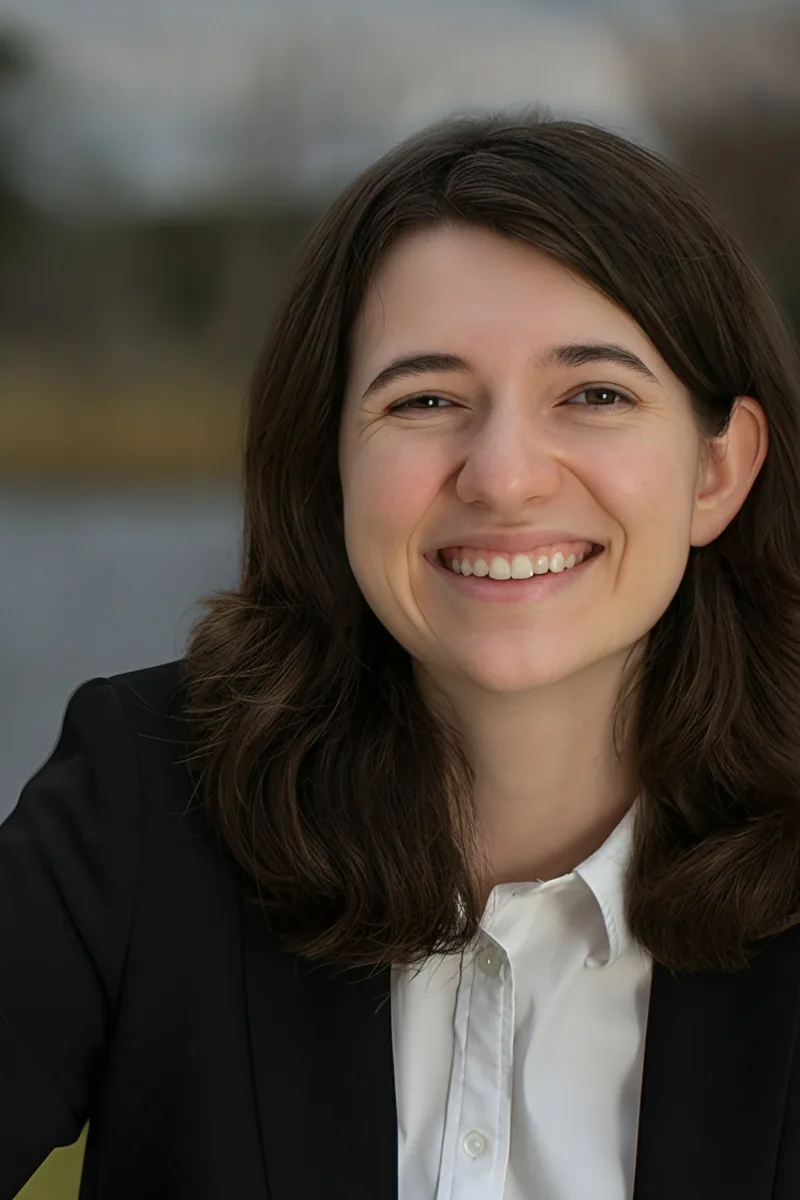
As Editor-in-Chief of Valencia College's Phoenix Magazine, Ema spent semesters reading, revising, and selecting creative work — developing an editorial eye for what makes a piece land and what's keeping it from getting there. Her game design major at UCF adds an unusual dimension: she thinks about narrative as interactive architecture, which sharpens how she teaches story structure, world-building, and the craft of making a reader want to turn the page. Rated 5.0 by students.
Getting words on the page is one challenge; shaping them into something compelling is another entirely. Robert tackles both sides of creative writing, from generating raw material through freewriting and prompts to revising for voice, imagery, and structural coherence across poetry, personal essays, and short fiction.
Most creative writing instruction defaults to "just express yourself," but Emily brings the discipline of her MFA program to every session. She walks through concrete techniques — controlling pacing through sentence length, building tension with withholding, choosing the right detail to anchor a scene. Whether a student is writing poetry, memoir, or experimental prose, she knows how to push a draft from interesting idea to finished piece.
Good creative writing instruction doesn't just say "show, don't tell" — it explains what that actually looks like in a specific draft. Nicole tackles craft elements like sensory detail, voice consistency, and narrative arc by working directly inside a student's own writing, identifying what's already working and where a revision could sharpen the piece. Her English background and trilingual perspective give her an unusual sensitivity to how word choice shapes tone.
Completing the IB program and twelve AP courses meant Rithika spent years writing under tight constraints — synthesizing arguments, adapting tone for different audiences, and learning when to break a rule for effect. That discipline with structured writing gives her an unusual angle on creative work: she knows how to teach students to control their prose before they loosen it, building pieces where every word choice and line break is intentional rather than accidental.
Two published novels and a Columbia MFA mean Zachary has been through the full arc of creative writing — from first draft panic to final revision to seeing a finished book in print. That real-world publishing experience shapes how he teaches craft: he zeros in on narrative voice and the structural decisions that separate a promising idea from a polished manuscript. Rated 5.0 by students.
Getting words on the page is rarely the hard part — it's revision, structure, and learning to hear your own voice that trips up most young writers. Anushree treats creative writing as a craft with learnable techniques, walking students through scene-building, dialogue, and how to cut what isn't working. She draws on her own college writing experience to make feedback feel collaborative rather than corrective.
The jump from a polished college essay to a piece of genuine creative writing is bigger than most students expect — suddenly the rules about structure and clarity have to coexist with risk-taking, voice, and the messy work of drafting something original. Isabella's journalism focus and extensive essay coaching at UChicago give her a sharp editorial eye, and she channels that into creative work by showing students how to revise with intention, tightening prose and sharpening imagery without sanding away what makes a draft theirs. Rated 5.0 by students.
Most creative writing tutors come from English departments — Parker comes from a studio art practice, where critique sessions, iterative drafting, and learning to trust an ugly first version are baked into every project. That visual arts discipline translates surprisingly well to the page: knowing when a draft needs more concrete imagery, when a structure isn't serving the piece, and when to scrap something and rebuild from a stronger idea. Rated 5.0 by students.
Good creative writing isn't just inspiration — it's craft decisions about point of view, pacing, dialogue, and sensory detail. Jenna approaches fiction and personal narrative with the same curiosity she brings to her biology studies: observing closely, asking why something works, and experimenting with structure until a piece finds its voice.
Russian literature — Dostoevsky's layered interior monologues, Chekhov's devastating compression — trained Mary to read like a writer, noticing how structure and voice carry meaning beneath the surface of a story. She brings that close-reading instinct from her Slavic Languages degree at Indiana University into creative writing sessions, especially when a student's draft needs sharper dialogue, a more deliberate point of view, or an ending that earns its emotional weight. Rated 4.7 by students.
A lifelong writer who spends her free time with books, art, and music, Michelle brings genuine enthusiasm to the craft of storytelling. She digs into the mechanics that make creative writing work — sensory detail, dialogue pacing, point of view, narrative arc — and gives concrete, encouraging feedback that pushes drafts forward without flattening a student's voice.
I am a law student, but I took an unusual route to get there. I used to attend medical school but had a change of heart in my career path. Part of this was due to my political science major (double major with biology) in college as well as a number of Spanish and other courses that I took. Tutoring is something, I feel, that has come naturally to me, even back to my high school days. My goal is to help you learn as much as you can and reach your true potential. I will work hard to make sure that this happens, as long as you put in the work, too! We will work together to tailor your learning experience to your needs.
A blank page is less intimidating when someone can show you concrete techniques for filling it — sensory detail, dialogue that reveals character, narrative pacing, point-of-view shifts. Kristen approaches creative writing as a craft with learnable moves, not a mystical talent you either have or don't. She's equally comfortable workshopping a short story draft or brainstorming a poetry assignment from scratch.
Heather's dual background in English and theater arts means she approaches a student's draft the way a director approaches a script — asking whether each scene earns its place, whether the dialogue reveals character, and whether the pacing holds an audience. That performance-trained instinct for what lands and what falls flat makes her especially sharp during revision, when a piece needs someone who can hear it, not just read it. Her Master's in Teacher Leadership also means she knows how to structure a workshop-style session that builds real craft skills over time.
Every good piece of writing starts with a risk — choosing to put something honest on the page instead of something safe. Toni's background as an entrepreneur and mentor means she's comfortable pushing students past the comfortable first draft toward writing that actually surprises them, whether that's a personal essay with real stakes or a short story built around a moment of genuine tension. Her teaching experience across English and Spanish also gives her an instinct for how rhythm and word choice land differently across languages, which sharpens revision conversations.
Strong creative writing comes from learning to trust your own voice while also understanding craft — when to linger on a detail, how to build tension, why word choice matters at the sentence level. Mary brings a rare combination of literary training from Yale and hands-on teaching experience to workshop students' poems, personal narratives, and short stories with specific, actionable feedback.
Working across audio documentary, performance, and media literacy gave Sarah a storyteller's instinct for how different forms shape the same raw material — a skill she brings into creative writing when students need to figure out whether an idea wants to be a poem, a personal essay, or a short story. Her anthropology training adds an unusual depth to character and setting work, pushing writers to observe the specific cultural details and human behaviors that make fictional worlds feel inhabited rather than invented. Rated 5.0 by students.
The hardest part of creative writing isn't generating ideas — it's revising them into something that actually lands on the page. David approaches each session as a workshop, reading student drafts closely and pinpointing where voice falters, where a scene needs grounding detail, or where cutting a paragraph makes the whole piece stronger. His English background gives him a deep library of published examples to draw from during those conversations.
Emma's own poetry and nature literature lessons — designed for students from preschool through twelfth grade at Chautauqua Institution — taught her how to adapt creative writing instruction to wildly different skill levels without dumbing down the craft. Her Human Development studies at Cornell inform how she approaches the writing process itself, understanding what kinds of prompts and revision strategies actually click at different ages. Rated 5.0 by students.
Before she was a Managing Editor at a tech company, Clare was a history major learning to build arguments from evidence and tell stories that make readers care about people long dead — skills that map directly onto crafting fiction and poetry with real stakes and specificity. She brings an editor's ruthlessness to revision, cutting the vague and sentimental to surface the concrete details and sharper sentences hiding underneath a student's draft.
A blank page is less intimidating when a writer has concrete tools: a compelling opening image, a character with a specific want, a sense of where tension lives in a scene. Victoria teaches these craft elements explicitly, drawing on her own background in essay writing and her humanities-intensive education at The Brearley School and Carleton College. She's particularly skilled at helping students find their own voice rather than imitating someone else's.
Living in France and England didn't just give Heather conversational French — it gave her a writer's habit of noticing the small, strange details that make a place or a person feel real on the page. She brings that observational instinct into drafting and revision, especially when students need to move past generic description and find the specific image or moment that gives a piece its voice. Her quantitative methods background also makes her unusually good at talking about structure — why a scene works where it's placed, how pacing builds, what a piece gains or loses from a different order.
Mathematical thinking trained Valerie to build arguments step by step — a habit that turns out to be surprisingly useful when a student's short story has a pacing problem or their poem loses its thread halfway through. Her applied math degree means she approaches revision almost structurally, mapping out where a draft's logic holds and where it collapses, then working with the student to rebuild those sections with sharper language and clearer intent. Rated 5.0 by students.
Most creative writing feedback is either too vague ('nice imagery!') or too prescriptive ('rewrite this scene entirely'). Jennifer approaches workshop-style revision differently, asking pointed questions about voice, pacing, and point of view that let writers discover their own fixes. Her English background and NYU teaching residency give her a strong ear for both fiction and personal essay — two forms where finding an authentic voice matters most.
Studying child development at Yale taught Arielle something most writing tutors learn the hard way — that the stories kids want to tell and the language they have to tell them are two very different things, and the gap between them is where creative writing instruction actually lives. She uses that developmental lens to meet each writer's imagination with the right scaffolding, whether that means building a picture book narrative with a first grader or helping an older student craft a short story with real scene structure and dialogue. Rated 5.0 by students.
A creative writing tutor who only praises a student's work isn't much use — real improvement comes from learning craft techniques like controlling pacing, writing believable dialogue, and choosing concrete details over vague abstractions. Karen writes herself and studied literature at Vanderbilt, so she gives the kind of specific, constructive feedback that sharpens a draft from rough idea to polished piece.
Psychology training at Colgate gave Suzanne something quietly useful for creative writing — a deep understanding of how people think, what motivates them, and why they behave in contradictory ways, which is exactly what makes fictional characters feel real rather than flat. She brings that behavioral insight into drafting sessions, especially when students are building characters or writing personal narratives that need emotional precision. Her research background also sharpens her revision instincts, catching where a piece makes claims about a character's feelings instead of showing them.
Testimonials
Because the right Creative Writing tutor makes all the difference.
Average Session Rating – Based on 3.4M Learner Ratings
Nearby Creative Writing Tutors
Other Orlando Tutors
Related English Tutors in Orlando
Frequently Asked Questions
Creative writing tutoring focuses on developing your unique voice and storytelling skills across genres like fiction, poetry, memoir, and screenwriting. Tutors work with you on narrative structure, character development, dialogue, descriptive language, and the revision process—helping you move from initial ideas to polished, compelling work.
Your first session is about understanding your goals, writing style, and current challenges. A tutor will review any existing work, discuss what genres or projects interest you most, and identify areas to focus on—whether that's overcoming writer's block, strengthening plot structure, or refining your narrative voice. This foundation helps create a personalized learning plan tailored to your needs.
Yes. Writer's block is one of the most common challenges creative writers face, and tutors have proven strategies to help. They can guide you through brainstorming techniques, help you identify what's causing the block (perfectionism, unclear ideas, fear of judgment), and work with you on low-pressure writing exercises that rebuild momentum and confidence.
One-on-one tutoring gives you detailed, actionable feedback on your actual work—not generic comments. A tutor can pinpoint where your pacing drags, where dialogue feels forced, or where your voice shines brightest. This targeted guidance helps you understand *why* something works or doesn't, so you develop stronger instincts and revision skills for future projects.
Varsity Tutors connects you with tutors who have expertise across different genres and styles. Whether you're interested in fiction, poetry, screenwriting, graphic novels, or memoir, you can get matched with someone experienced in your area of focus. This specialized knowledge helps you understand genre conventions while developing your authentic voice within them.
For students in Orlando, personalized creative writing instruction provides the individual attention that can be hard to get in larger classroom settings—especially with the area's 16.9:1 average student-teacher ratio. Tutors can work at your pace, dive deep into your specific projects, and provide consistent feedback that helps you develop as a writer, whether you're working on school assignments, college applications, or personal creative goals.
Structure depends on your genre and story, but strong creative writing typically has a clear beginning that hooks readers, a middle that develops conflict and characters, and an ending that resonates. A tutor can help you understand different structural approaches—three-act structure, hero's journey, non-linear narratives—and guide you in choosing what works best for your specific story and audience.
Your voice emerges through consistent writing, reading widely in genres you love, and getting feedback on what makes your writing distinctly yours. A tutor can help you identify your natural strengths—whether that's lyrical language, sharp dialogue, dark humor, or emotional depth—and encourage you to lean into those strengths while building skills in weaker areas. This personalized approach helps your authentic voice come through stronger in every piece you write.
Let’s find your perfect tutor
Answer a few quick questions. We’ll recommend the right plan and match you with a top 5% tutor.