Award-Winning Python Tutors
serving Miami, FL
Python
Tutors in Miami
Private 1-on-1 tutoring, weekly live classes for academic support, test prep & enrichment, practice tests and diagnostics, and more to elevate grades and test scores.
Based on 3.4M Learner Ratings
UniversitiesSchools & Universities
DeliveredHours Delivered
ProficiencyGrowth in Proficiency
Who needs tutoring?
No obligation. Takes ~1 minute.
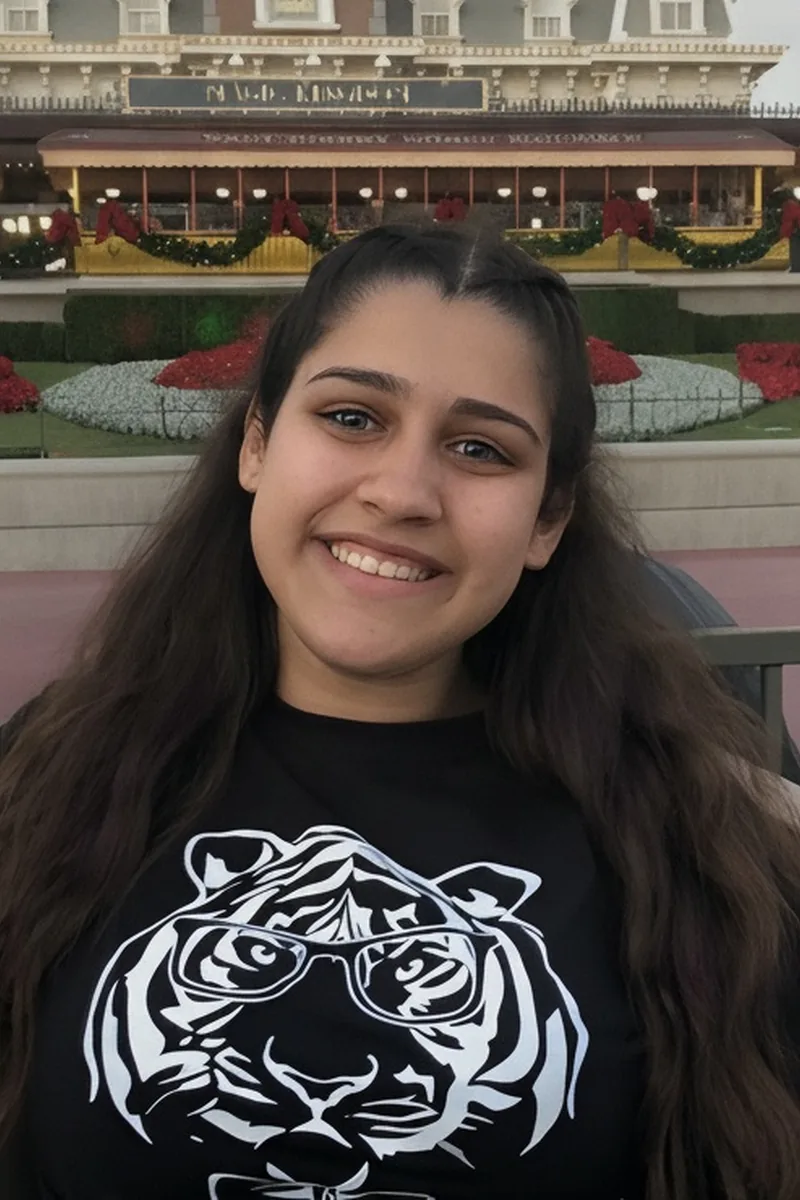
Python's beginner-friendly syntax can mask real conceptual gaps — students write code that runs but can't explain why list slicing works the way it does or when to use a dictionary over a list. Marissa digs into those foundations, covering data structures, control flow, and function design with enough depth that students can debug independently. Her experience across multiple programming languages gives her a practical perspective on writing clean, efficient Python.
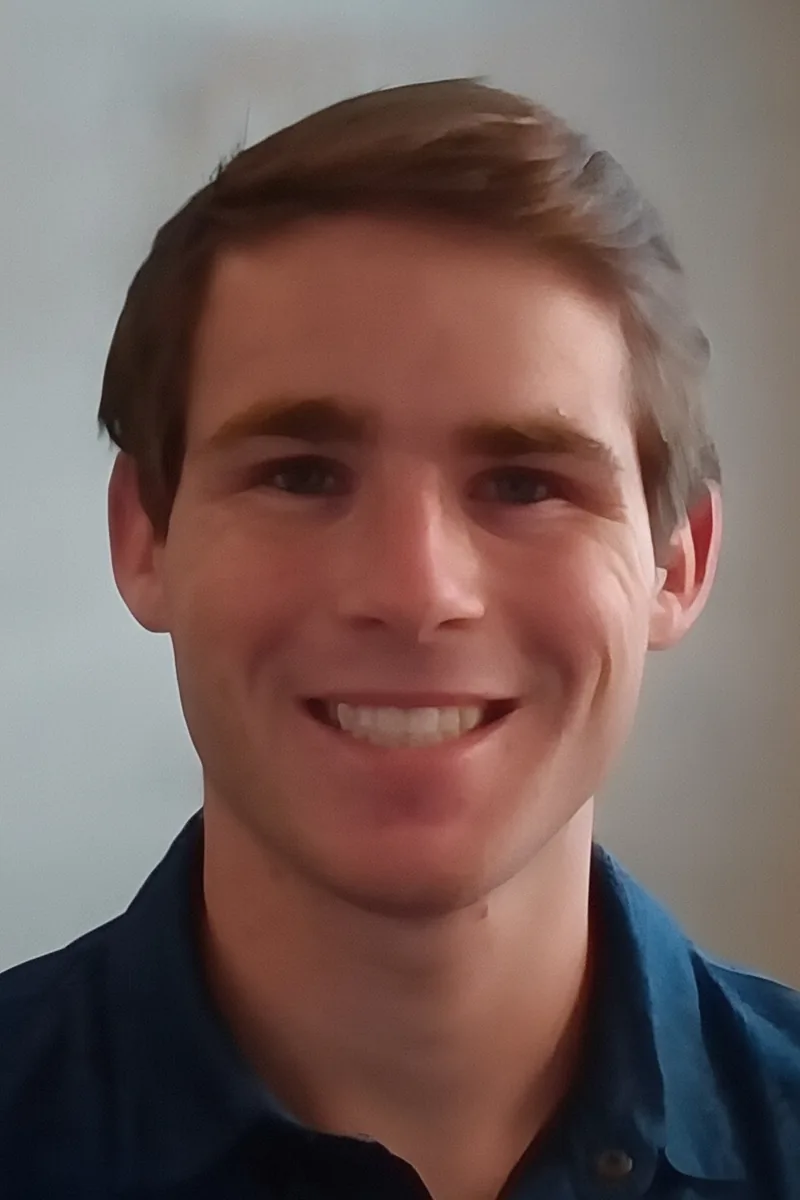
Civil engineering at the University of Florida means Cavan writes Python regularly — from automating data analysis with NumPy and Pandas to building scripts that solve structural equations. He teaches students to think like programmers, breaking problems into functions and loops before ever touching the keyboard, so the logic clicks before the syntax does.
Industrial engineering and statistics at the University of Florida put Juan in front of Python regularly — from writing scripts for data analysis to building simulation models. He teaches core concepts like loops, functions, data structures, and libraries such as NumPy and pandas by tying each one to a practical problem students can actually visualize.
I am working towards a Bachelor of Arts in Pure and Applied Mathematics as well as a Bachelor of Arts in Astronomy and Physics. I have enjoyed studying math and science since I was in elementary school. I would always help my friends out by answering their questions about the material. For about the last five years, I have had my own tutoring business where I have tutored a wide variety of math courses from elementary school math to pre-calculus and calculus. I like to make sure my students have a complete understanding of the core concepts before going into practice questions. I have also had experience helping my peers with physics and computer science courses.
Gabriel's computer science studies at Penn give him daily fluency in Python, from writing clean functions and loops to working with libraries like pandas for data analysis. He walks beginners through debugging line by line so they learn to read error messages instead of fearing them.
Python's readability makes it the go-to first language, but that simplicity hides real depth — list comprehensions, generators, decorators, and object-oriented design all trip up students who learned syntax without learning structure. Brandon uses Python daily in his AI and machine learning research at RIT and breaks down these intermediate concepts by building small, working projects rather than abstract exercises.
Python's readability makes it a great first language, but students still stumble on list comprehensions, class inheritance, and debugging logic errors they can't see. Daniel writes Python professionally and teaches it with the precision of someone who holds a master's in CS and a bachelor's in applied mathematics. He connects each concept to real use cases — scripting, data manipulation, algorithm implementation — so the syntax sticks.
Python's beginner-friendly syntax can mask real complexity once students hit list comprehensions, dictionary manipulation, or recursive functions. Yash uses Python extensively in his Georgia Tech engineering projects and teaches it by building small, working programs that make abstract ideas tangible — writing a search algorithm, automating a file task, or visualizing data with matplotlib.
Tyler picked up Python alongside R during his graduate research in marine fish ecology, using it for data cleaning, automation, and visualization tasks that come up constantly in scientific work. He teaches the fundamentals — loops, conditionals, functions, and libraries like pandas — through hands-on projects rather than abstract exercises. Students who learn coding through real data problems tend to retain syntax and logic far more quickly.
As a Computer and Information Sciences major at Cornell, Maya writes Python across coursework and personal projects — including building out her own study guide platform with plans for an iOS app. That hands-on development experience means she can walk students through everything from control flow and string manipulation to structuring a real codebase that grows beyond a single script.
I am listening to and learning about him or her as an individual. I can also discover what motivates the student during this conversation and plan for how to frame future tutoring sessions in terms of what the student already knows and enjoys.
As a computer science major at UCF who also codes in Java, Nathan teaches Python with an eye toward how the language actually gets used — list comprehensions, file I/O, object-oriented design, and writing clean, readable functions. He breaks down debugging strategies so students learn to trace errors on their own instead of staring at a red traceback in frustration.
I'm currently an undergraduate student at Georgia Institute of Technology pursuing a degree in Electrical Engineering. I mostly tutor subjects that reside in the STEM field as those subjects are my strong points. I have been a tutor in the past back in high school. During that time, I realized that helping students understand difficult material can be very awarding. In my free time, when I'm not studying for school or practicing sports, I like to play video games and hangout with friends. Every once in a while I'll pick up my violin and play songs that I've learned in the past; I find it very relaxing.
Python's readable syntax makes it a great first language, but students still stumble on list comprehensions, scope rules, and debugging recursive functions. Gabriel uses Python regularly in his UCF Computer Science coursework and teaches it by building small, working programs that grow in complexity — so each new concept has an immediate, visible result.
I am a game designer, and tutor. I love teaching topics related to my skillset as well as other topics that I often use within my job. Very good with MATH as a passion. Helped so many students in Math
As a passionate educator with a Master's degree in Computer Science from Florida Atlantic University, I am dedicated to fostering a deep understanding of computational concepts in my students. With over 2 years of experience tutoring AP Computer Science A, AP Computer Science Principles, Python, and Java, I adopt a hands-on approach that emphasizes real-world problem-solving. My teaching philosophy revolves around creating a supportive environment where students feel encouraged to ask questions and actively engage with the material. I am motivated by the belief that every student has the potential to excel in technology, and I strive to guide them on their academic journeys. In my free time, I enjoy developing personal coding projects and exploring the latest technological advancements, sharing these insights with my students to spark their curiosity and enhance their learning experience. I am also a Software Engineer, and happy to discuss career development. Excited to work with you!
Studying computer science at Rice, William writes Python not just for coursework but as his go-to tool for math-heavy projects — which means he can teach students to think algorithmically while picking up syntax along the way. He's especially good at bridging the gap for students who already think logically through math but freeze up when translating that logic into code with conditionals, loops, and functions.
Tashina picked up Python as a research tool during her PhD in Psychological and Brain Sciences — writing scripts for data cleaning, statistical analysis with pandas and NumPy, and automating repetitive lab tasks. That practical origin means she teaches coding the way she learned it: by building something useful, not just running through syntax exercises.
Whether it's scripting a data pipeline or implementing a sorting algorithm from scratch, Florence teaches Python with the pragmatism of someone who's used it across academic and industry settings — including software development at IBM. She walks through core concepts like list comprehensions, dictionary manipulation, and file I/O with clear explanations rooted in her Duke CS coursework and TA experience.
Python's clean syntax makes it a great first language, but students still struggle when they hit list comprehensions, recursion, or the jump to libraries like NumPy and pandas. Firas uses Python daily in his machine learning research at Princeton, so he teaches it the way working engineers actually write it — readable, modular, and testable. He's equally comfortable introducing beginners to variables and control flow or walking advanced students through data pipelines.
As a biomedical sciences PhD student, Maggie picked up Python the same way she picked up MATLAB — because her research demanded it, from scripting data pipelines to automating repetitive analysis tasks. Her TA experience in calculus and chemistry means she's practiced at breaking down logical sequences step by step, which translates naturally to teaching students how to structure code with conditionals, loops, and functions that actually run without cryptic error messages.
Learning Python is less about memorizing syntax and more about thinking through problems step by step — how to structure a loop, when to use a dictionary versus a list, why your function returns None instead of a value. Harry uses Python in his economics and math coursework for data analysis and modeling, so he teaches it with practical applications rather than abstract exercises. He walks through debugging methodically, turning error messages into learning moments.
Working in a neuroscience research lab at Duke meant Lauren had to learn Python for real tasks — cleaning datasets, running statistical analyses, and visualizing experimental results. She teaches Python through that practical lens, covering loops, functions, and libraries like NumPy by connecting each concept to something a script actually needs to do.
Python's readability makes it a great first language, but students still stumble on list comprehensions, scope rules, and debugging logic errors in loops. Winton teaches Python through Stanford's CS curriculum and knows how to make abstract concepts like recursion and object-oriented design feel intuitive by building small, working programs step by step.
Python's readability makes it a great first language, but it also powers serious work in machine learning, data analysis, and scripting — and Kevin has used it across all three at Stanford. Whether a student is debugging their first for-loop or building a neural network with NumPy and PyTorch, he explains not just the how but the why behind Pythonic design patterns and library choices.
As experienced and passionated educator with a Bachelor's degree in Computer Science from Rice University, I am passionate about empowering students to achieve their academic goals. With over 3 years of tutoring experience in subjects such as AP Computer Science A, Machine Learning, and SAT Math, I adapt to different learning styles and create a supportive learning environment. My teaching philosophy centers on personalized instruction, where I connect with each student to understand their unique learning styles and challenges. I take pride in guiding students through the complexities of computer science and college application essays, equipping them with the skills they need for future success. Outside of tutoring, I enjoy exploring new technologies and engaging in coding projects to improve my teaching approach.
Python's readability makes it easy to start but deceptively tricky to use well — list comprehensions, generator expressions, and class design all require thinking beyond basic scripts. Matthew teaches Python through the lens of someone who uses it alongside heavier languages like C++ and Java, which gives students a clearer sense of when to reach for Pythonic shortcuts versus writing more explicit code.
Python's beginner-friendly syntax can mask some tricky concepts — list comprehensions, mutable vs. immutable types, or debugging recursive functions. Michelle teaches Python with an emphasis on writing clean, readable code and understanding what's actually happening in memory, not just getting output that looks right. She's a Duke CS graduate now pursuing her PhD at Michigan.
Testimonials
Because the right Python tutor makes all the difference.
Average Session Rating – Based on 3.4M Learner Ratings
Nearby Python Tutors
Other Miami Tutors
Related Technology and Coding Tutors in Miami
Frequently Asked Questions
Absolutely. Python is one of the most beginner-friendly programming languages because its syntax reads almost like English, letting you focus on learning logic and problem-solving rather than getting bogged down in complex syntax rules. Many students in Miami start with Python before moving into web development, data science, or other specializations. A tutor can help you build a strong foundation in core concepts like variables, loops, and functions that apply across all programming languages.
Debugging is a skill that improves with practice and guidance. Start by reading error messages carefully—they usually tell you exactly what went wrong and where. Common beginner mistakes include syntax errors (missing colons or indentation), logic errors (code runs but produces wrong results), and runtime errors (crashes during execution). A tutor can teach you systematic debugging strategies like using print statements, breaking code into smaller pieces, and testing each part individually—skills that make you a much faster problem-solver.
Syntax is the rules of the language—how to write a for loop or define a function correctly. Logic is the thinking behind it—how to break a problem into steps and design a solution. You need both, but logic is harder to learn because it requires practice with different problem types. Tutoring helps because a tutor can walk you through your thinking process, ask guiding questions, and help you see patterns in how to approach different kinds of problems, not just show you the correct syntax.
Project-based learning is one of the most effective ways to solidify your skills. Real projects might include building a simple game, creating a web scraper, analyzing data with libraries like Pandas, or automating a repetitive task. Working on projects forces you to combine multiple concepts and figure out how to solve problems that aren't spelled out step-by-step. A tutor can help you choose projects matched to your skill level, guide you through the building process, and review your code to help you write cleaner, more efficient solutions.
Python opens doors to many career paths: web development (Django, Flask frameworks), data science and machine learning, artificial intelligence, game development, automation, and cybersecurity. For students in Miami, understanding which direction interests you helps shape your learning path. A tutor can help you explore these specializations and build projects that align with your goals, whether that's your first coding class or preparing for a computer science degree.
Data structures are how you organize and store information in your programs. Lists, dictionaries, tuples, and sets each have different strengths—lists are great for ordered data, dictionaries for key-value pairs. Understanding which structure to use for a problem is crucial for writing efficient code. Many students struggle with this because it requires thinking about how data flows through your program. Tutoring helps because a tutor can show you real examples, explain the tradeoffs, and guide you through choosing the right structure for your projects.
Your first session is about understanding where you're starting from and what you want to achieve. A tutor will ask about your experience level, what you've already learned, what challenges you're facing, and what you hope to build or accomplish with Python. You might work through a simple problem together to see your thinking process and identify where you need the most support. This helps the tutor create a personalized plan for your next sessions focused on your specific goals.
Look for someone with practical Python experience—not just theoretical knowledge. Ideally they've built real projects, understand common beginner mistakes, and can explain concepts in ways that click for you. They should be able to review your code, spot inefficiencies, and teach you debugging strategies. Varsity Tutors connects you with tutors who have proven expertise in Python and experience helping students at your level, whether you're just starting out or diving into more advanced topics like object-oriented programming or libraries.
Let’s find your perfect tutor
Answer a few quick questions. We’ll recommend the right plan and match you with a top 5% tutor.