Award-Winning Python Tutors
serving Cape Coral, FL
Python
Tutors in Cape Coral
Private 1-on-1 tutoring, weekly live classes for academic support, test prep & enrichment, practice tests and diagnostics, and more to elevate grades and test scores.
Based on 3.4M Learner Ratings
UniversitiesSchools & Universities
DeliveredHours Delivered
ProficiencyGrowth in Proficiency
Who needs tutoring?
No obligation. Takes ~1 minute.
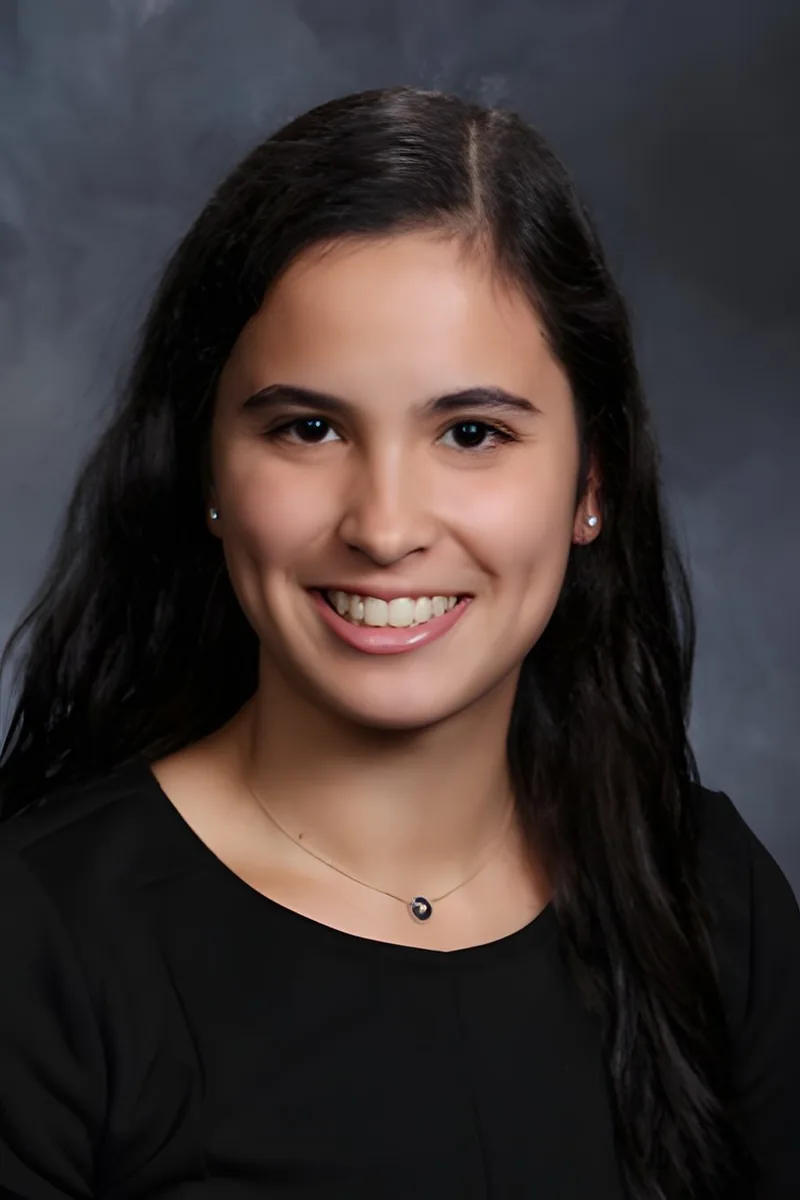
TA'ing college-level computer science courses at MIT and Georgia Tech gave Isabella a clear picture of where students stumble in Python — from misunderstanding how mutable default arguments behave to writing tangled spaghetti code when a clean function would do. Her operations research background means she teaches Python as a tool for solving optimization and decision-making problems, not just passing intro assignments. Rated 5.0 by students.
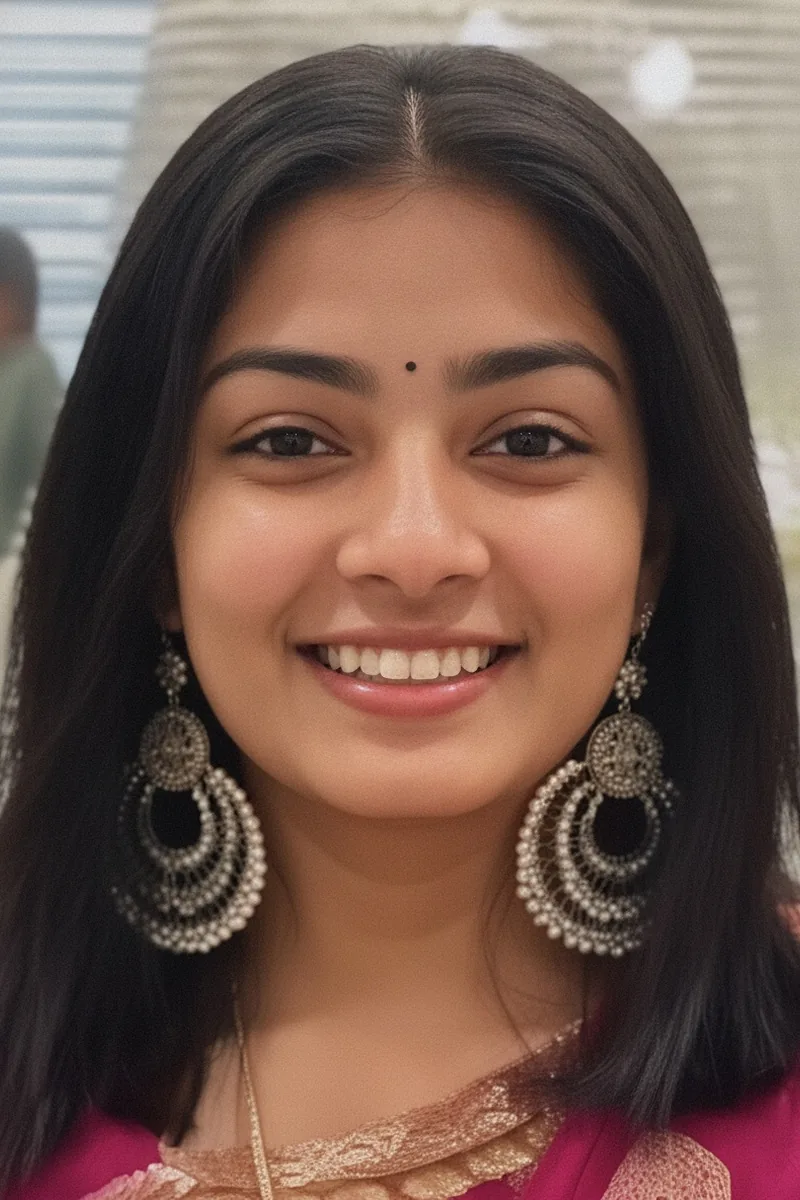
From writing your first for-loop to building out functions with libraries like NumPy or pandas, Python rewards clear logical thinking — which is exactly what a dual math-and-CS major trains for. Sabira breaks down concepts like list comprehensions, recursion, and file I/O so students understand the reasoning behind each line of code, not just the output.
From list comprehensions to object-oriented class design, Brian teaches Python with an emphasis on writing clean, efficient code — not just code that runs. His Caltech CS background included heavy use of Python for data analysis and algorithm implementation, which means he can adapt sessions to whatever a student needs: introductory scripting, NumPy workflows, or preparing for technical interviews.
Bioinformatics at Stanford meant writing Python daily — parsing genomic datasets, automating lab analyses, and building scripts to visualize biological data. Matthew teaches Python fundamentals like loops, functions, and data structures through real problem-solving rather than abstract exercises. Students who want to see what coding looks like in a scientific or data-driven context get a tutor who's lived that workflow.
From writing first scripts with loops and conditionals to building out classes and working with libraries like pandas or matplotlib, Elyse tailors Python sessions to wherever a student's project or coursework demands. Her Stanford CS training means she doesn't just teach syntax — she instills habits like clean code structure and meaningful variable naming that prevent headaches later.
Python's readability makes it a great first language, but it also powers serious work in machine learning, data analysis, and scripting — and Kevin has used it across all three at Stanford. Whether a student is debugging their first for-loop or building a neural network with NumPy and PyTorch, he explains not just the how but the why behind Pythonic design patterns and library choices.
Annie uses Python daily in her biomedical engineering work at Cornell, from writing scripts to analyze immunotherapy research data to building computational models in MATLAB and Python side by side. She teaches core concepts like loops, functions, data structures, and libraries such as NumPy by connecting them to real problems — not just abstract exercises.
Dane's double major in Electrical & Computer Engineering and Computer Science at Duke means Python is part of his daily toolkit — from scripting hardware simulations to automating data pipelines across engineering coursework. He teaches students to think like engineers when they code: breaking a problem into small, testable functions before writing a single line, then building up to structured programs that actually solve something. His 35 ACT composite reflects the same methodical problem-solving he brings to debugging and logic design.
Tim writes Python daily as part of his Computational Neuroscience work at MIT, building scripts for data analysis and simulation rather than just textbook exercises. That real-world coding context means he can walk students through everything from basic syntax and control flow to libraries like NumPy and Matplotlib, connecting each concept to problems that actually do something interesting.
Tashina picked up Python as a research tool during her PhD in Psychological and Brain Sciences — writing scripts for data cleaning, statistical analysis with pandas and NumPy, and automating repetitive lab tasks. That practical origin means she teaches coding the way she learned it: by building something useful, not just running through syntax exercises.
Python's readability makes it a great first language, but students still hit walls with list comprehensions, dictionary manipulation, and debugging runtime errors. Clive tackles these sticking points by writing code live with students, explaining his reasoning at each step so they learn to think like a programmer. His experience spans multiple languages, which means he can contextualize Python's quirks — like dynamic typing and indentation-based scope — in ways that deepen understanding.
Learning Python means learning to think in loops, conditionals, and data structures before worrying about syntax. Kerr, a computer science student at Vanderbilt currently building iOS and game projects, walks students through writing actual programs — from simple scripts to projects involving lists, dictionaries, and file I/O — so the logic sticks. He emphasizes understanding *why* code works, which makes debugging feel intuitive rather than frustrating.
Python's readability makes it a great first language, but students still stumble on list comprehensions, scope rules, and debugging recursive functions. Anna teaches Python by connecting each concept to a concrete use case — data manipulation with dictionaries, file I/O, or building small projects that make abstract syntax feel purposeful. Her interdisciplinary background in neuroscience and CS means she's comfortable whether the course leans scientific computing or software development.
Stephanie's computer science degree from MIT means Python isn't just a language she picked up from a tutorial — she understands it from the ground up, from list comprehensions and dictionary manipulation to object-oriented design and algorithmic complexity. Whether a student is writing their first for-loop or debugging a recursive function, she explains the logic behind the syntax so concepts transfer to real projects.
Between hackathons, robotics challenges, and neuroscience research at Brown, June has used Python for everything from scripting quick data analyses to building full project prototypes. She teaches the language the way she learned it — by solving real problems — so students pick up not just syntax but habits like writing readable functions, using libraries effectively, and debugging without panic.
Python's readability makes it a great first language, but students still hit walls around list comprehensions, recursion, and object-oriented design. Nicholas uses Python daily in his applied mathematics and engineering work at Johns Hopkins, so he teaches it as a practical tool — writing scripts that solve real problems rather than abstract exercises. He's especially effective at bridging the gap between introductory syntax and the algorithmic thinking needed for more advanced projects.
Studying Computer Science at Carleton College means Meagen writes Python regularly — not just toy scripts, but projects involving data structures, algorithms, and object-oriented design. She explains concepts like loops, conditionals, and functions by connecting the logic to what the code actually does step by step, which makes debugging feel less mysterious.
Python's simplicity makes it a great first language, but students still get tripped up by list comprehensions, object-oriented design, and debugging logic errors they can't quite see. Corrina writes Python regularly and teaches it by building small projects — from data analysis scripts to simple games — so each new concept has an immediate, visible purpose.
Applied mathematics at Rice means writing code daily — Alexander uses Python for everything from numerical simulations to data analysis in his coursework, so he teaches the language the way it's actually used: loops, functions, libraries like NumPy, and debugging strategies that save hours. He's especially good at bridging the gap for students who understand math concepts but struggle to translate them into working scripts.
Working in a neuroscience research lab at Duke meant Lauren had to learn Python for real tasks — cleaning datasets, running statistical analyses, and visualizing experimental results. She teaches Python through that practical lens, covering loops, functions, and libraries like NumPy by connecting each concept to something a script actually needs to do.
Python's readability makes it a great first language, but students still stumble on list comprehensions, recursion, and knowing when to use a dictionary versus a list. Avram connects programming logic to the problem-solving mindset he developed in physics, teaching students to plan their code's structure before writing a single line.
Whether it's scripting a data pipeline or implementing a sorting algorithm from scratch, Florence teaches Python with the pragmatism of someone who's used it across academic and industry settings — including software development at IBM. She walks through core concepts like list comprehensions, dictionary manipulation, and file I/O with clear explanations rooted in her Duke CS coursework and TA experience.
Studying computer science at Rice, William writes Python not just for coursework but as his go-to tool for math-heavy projects — which means he can teach students to think algorithmically while picking up syntax along the way. He's especially good at bridging the gap for students who already think logically through math but freeze up when translating that logic into code with conditionals, loops, and functions.
As experienced and passionated educator with a Bachelor's degree in Computer Science from Rice University, I am passionate about empowering students to achieve their academic goals. With over 3 years of tutoring experience in subjects such as AP Computer Science A, Machine Learning, and SAT Math, I adapt to different learning styles and create a supportive learning environment. My teaching philosophy centers on personalized instruction, where I connect with each student to understand their unique learning styles and challenges. I take pride in guiding students through the complexities of computer science and college application essays, equipping them with the skills they need for future success. Outside of tutoring, I enjoy exploring new technologies and engaging in coding projects to improve my teaching approach.
Gabriel's computer science studies at Penn give him daily fluency in Python, from writing clean functions and loops to working with libraries like pandas for data analysis. He walks beginners through debugging line by line so they learn to read error messages instead of fearing them.
Python's readable syntax makes it a great first language, but students still struggle when they hit list comprehensions, file I/O, or debugging recursive functions. Brice has taught Python to beginners as young as middle school and to college peers working on more advanced projects. He walks through each concept by writing real code alongside students rather than lecturing from slides.
Sarah's statistics minor at Penn involved writing Python scripts for data analysis — cleaning datasets, building visualizations, and automating repetitive calculations. She teaches Python fundamentals like loops, functions, and data structures by connecting each concept to a concrete mini-project, so students see their code do something useful right away.
Learning Python at MIT's engineering program means Cori picked it up the way most students will use it — writing scripts to process data, automate calculations, and solve real problems. She breaks down core concepts like loops, functions, and data structures by connecting each one to a tangible task rather than abstract theory.
Materials engineering PhD research generates mountains of experimental data, and Nivedina writes Python scripts to process, plot, and make sense of it all — from automating repetitive file parsing to running statistical analyses on lab results. That science-driven coding background means she teaches core concepts like loops, conditionals, and data structures through tasks that solve actual problems, not toy examples. Her chemistry training adds another layer, since students working on scientific computing or data cleanup get a tutor who genuinely understands the data they're handling.
Python's readability makes it easy to start but deceptively tricky to use well — list comprehensions, generator expressions, and class design all require thinking beyond basic scripts. Matthew teaches Python through the lens of someone who uses it alongside heavier languages like C++ and Java, which gives students a clearer sense of when to reach for Pythonic shortcuts versus writing more explicit code.
Python's readability makes it a great first language, but students still stumble on list comprehensions, recursion, and knowing when to use dictionaries versus lists. Kiran uses Python across both his physics simulations and his CS coursework at Stony Brook, so he can teach it from the basics of control flow all the way through libraries like NumPy and Pandas for data analysis.
Python's beginner-friendly syntax can mask some tricky concepts — list comprehensions, mutable vs. immutable types, or debugging recursive functions. Michelle teaches Python with an emphasis on writing clean, readable code and understanding what's actually happening in memory, not just getting output that looks right. She's a Duke CS graduate now pursuing her PhD at Michigan.
Daria's electrical and computer engineering coursework at Cornell means Python isn't just a classroom exercise — she uses it to program microcontrollers, process signals, and automate hardware-level tasks. That hands-on engineering context lets her teach variables, loops, and functions through projects that interact with the physical world, giving students a tangible reason to care about clean code.
Python's clean syntax makes it a great first language, but students still struggle when they hit list comprehensions, recursion, or the jump to libraries like NumPy and pandas. Firas uses Python daily in his machine learning research at Princeton, so he teaches it the way working engineers actually write it — readable, modular, and testable. He's equally comfortable introducing beginners to variables and control flow or walking advanced students through data pipelines.
Having built projects in Java, JavaScript, C#, and Unity alongside his Penn State CS degree, Nicholas teaches Python with a polyglot programmer's perspective — he can pinpoint exactly where Python's syntax feels weird if you're coming from another language, and where its simplicity is a genuine superpower. He's especially sharp at debugging sessions, breaking down error messages and tracing logic step by step until students can diagnose their own code. Rated 5.0 by students.
Python's readability makes it a great first language, but students still stumble on list comprehensions, scope rules, and debugging logic errors in loops. Winton teaches Python through Stanford's CS curriculum and knows how to make abstract concepts like recursion and object-oriented design feel intuitive by building small, working programs step by step.
Whether it's writing a first for-loop or building out a data pipeline with pandas and NumPy, Bryan adapts his Python teaching to what the student actually needs to accomplish. His CS coursework at Penn means he's written Python for everything from web scraping to algorithm design, so he can connect syntax lessons to real projects that make concepts stick.
A computer science bachelor's and ongoing PhD work at Columbia and Chicago mean David writes code to answer research questions — scraping datasets, running statistical models, and automating the kind of tedious data processing that social science demands. That research-driven workflow translates directly into teaching Python, because he can show students how core concepts like loops, dictionaries, and file I/O come together in scripts that actually produce answers. Rated 4.9 by students.
Whether it's writing a first script or wrestling with list comprehensions and object-oriented patterns, Michael breaks Python down into logical steps that mirror how professional developers actually think. His background as a working software engineer means he can show students not just correct syntax but clean, readable code that follows real industry conventions.
Eric writes Python daily in Duke's data science program, working with pandas DataFrames, NumPy arrays, and visualization libraries like Matplotlib. He teaches coding the way he learned it — by building real projects, debugging line by line, and understanding why a list comprehension behaves differently from a for loop. Students walk away writing clean, functional scripts, not just copying syntax.
Testimonials
Because the right Python tutor makes all the difference.
Average Session Rating – Based on 3.4M Learner Ratings
Nearby Python Tutors
Other Cape Coral Tutors
Related Technology and Coding Tutors in Cape Coral
Frequently Asked Questions
Your first session is about building a foundation for success. A tutor will assess your current Python experience, discuss your goals (whether that's mastering syntax, building projects, or preparing for AP Computer Science), and identify specific challenges you're facing—like debugging errors or understanding loops. From there, they'll create a personalized learning plan tailored to your pace and learning style.
Syntax is the rules of how to write Python code (like proper indentation and function definitions), while logic is the problem-solving approach behind what your code does. Many students struggle because they memorize syntax but don't understand *why* they're writing code a certain way. Personalized tutoring helps you build both—learning syntax through practical application while developing the algorithmic thinking needed to solve real problems.
Debugging is a critical skill that's often taught poorly in classrooms. A tutor can walk you through reading error messages, using print statements strategically, and thinking through your code step-by-step to find where logic breaks down. With hands-on code review and guided practice, you'll develop problem-solving strategies that help you independently tackle errors instead of feeling stuck.
Absolutely. Project-based learning is one of the most effective ways to master Python. Whether you want to build a web application, analyze data, create a game, or automate tasks, a tutor can guide you through planning, coding, and debugging your own projects. This approach keeps learning practical and motivating while reinforcing concepts like data structures, functions, and object-oriented programming.
That depends on your interests and goals. A tutor can help you explore different paths and find what clicks. If you enjoy building things people interact with, web development might fit. If you like working with data and patterns, data science could be your focus. During your first session, discuss your interests, and your tutor will tailor lessons to keep you engaged while building transferable Python skills.
Data structures are fundamental to writing efficient, clean code. Lists, dictionaries, and sets let you organize and access data in different ways—and choosing the right one makes your code faster and easier to understand. Many students find these concepts abstract in a classroom setting, but with personalized tutoring and hands-on coding practice, you'll see how they solve real problems in your projects.
Varsity Tutors connects you with expert tutors who understand the Python curriculum and challenges students face in Cape Coral schools. When you get matched with a tutor, you can discuss your specific situation—whether you're in a high school AP Computer Science class, learning independently, or preparing for a coding interview. The personalized approach ensures your tutor adapts to your learning style and goals.
That varies based on where you're starting and what you're working toward. Many students see noticeable improvement in understanding concepts and debugging within 4-6 weeks of consistent tutoring. Building confidence with larger projects or mastering advanced topics like object-oriented programming takes longer, but personalized instruction accelerates progress compared to classroom learning alone, especially with the 19.7:1 student-teacher ratio in many Cape Coral schools.
Let’s find your perfect tutor
Answer a few quick questions. We’ll recommend the right plan and match you with a top 5% tutor.