Award-Winning Physics Tutors
serving Jacksonville, FL
Physics
Tutors in Jacksonville
Private 1-on-1 tutoring, weekly live classes for academic support, test prep & enrichment, practice tests and diagnostics, and more to elevate grades and test scores.
Based on 3.4M Learner Ratings
UniversitiesSchools & Universities
DeliveredHours Delivered
ProficiencyGrowth in Proficiency
Who needs tutoring?
No obligation. Takes ~1 minute.
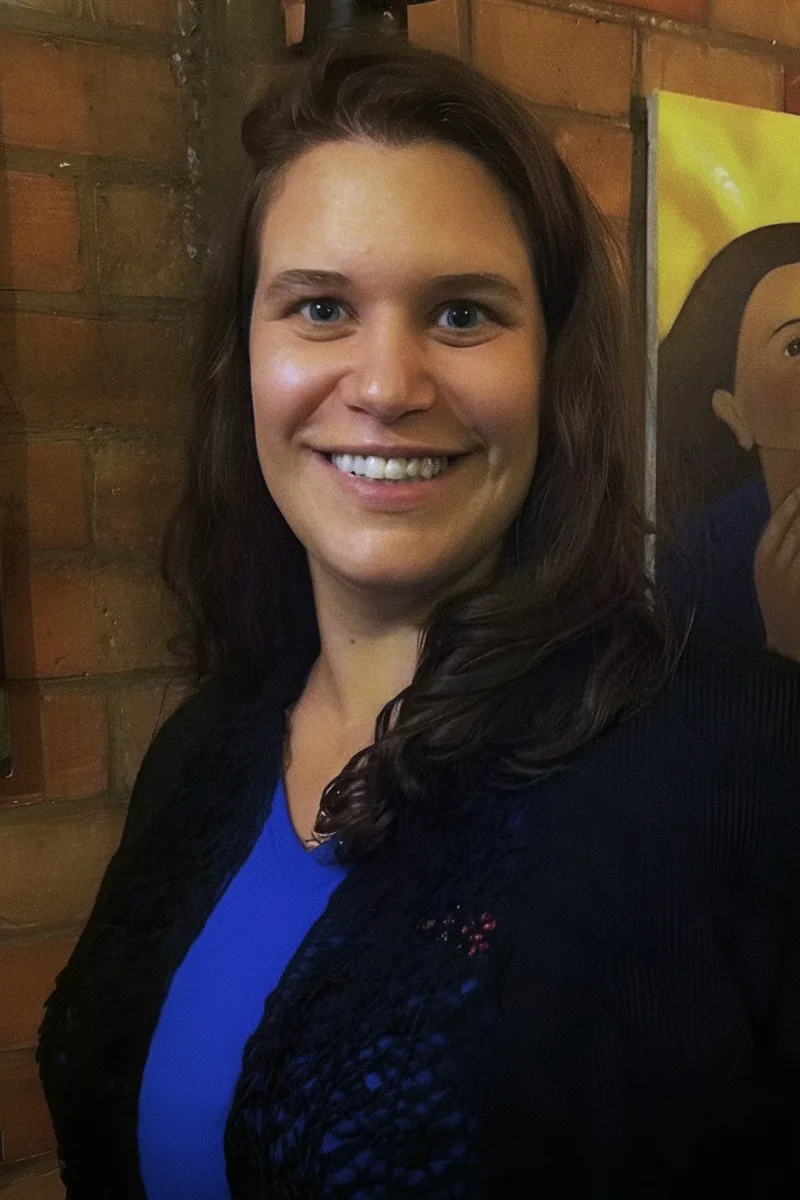
An electrical engineering degree and a PhD in planetary science means Miriam learned physics twice — once through circuits and signal processing, and again through orbital mechanics and radiative transfer. She tackles everything from Newtonian mechanics to electromagnetism by grounding equations in physical intuition, showing students what the math actually describes. Rated 5.0 by students.
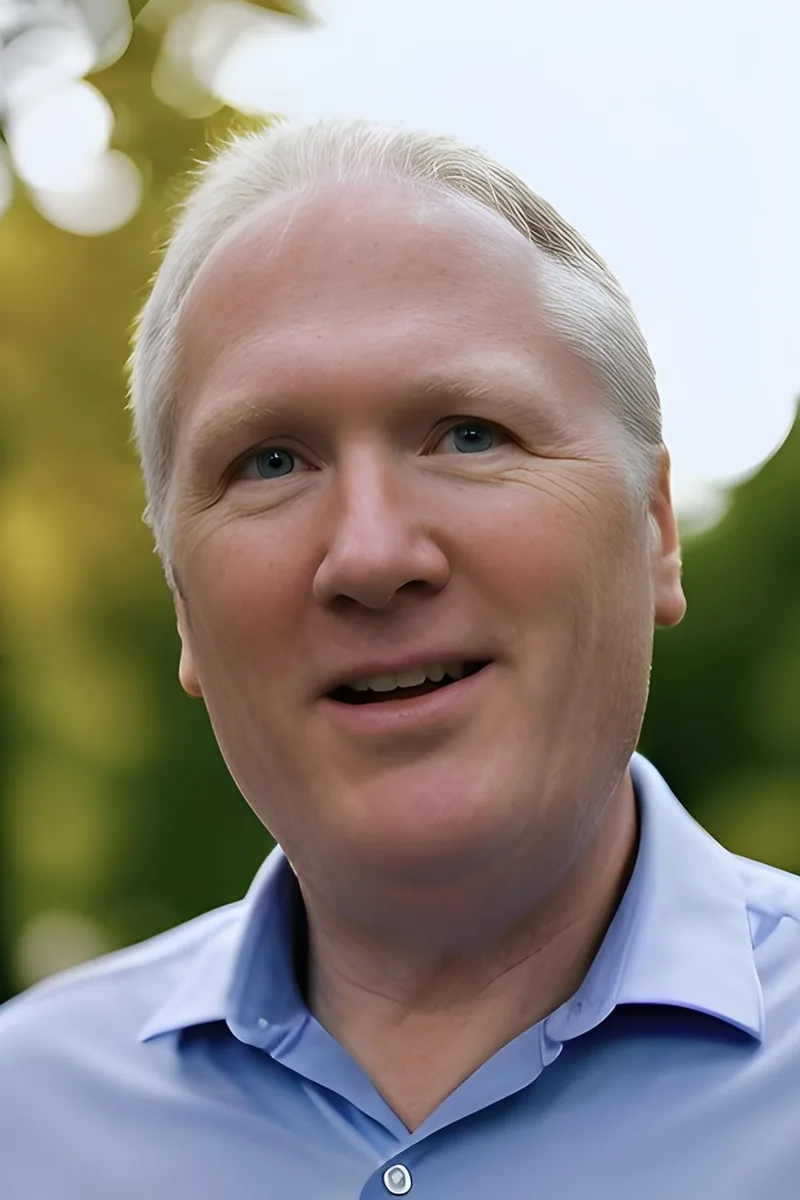
Every physics problem is really a reading comprehension exercise wrapped in math — identifying which principles apply, translating a scenario into equations, and checking whether the answer makes physical sense. Michael teaches that full process, from free-body diagrams in mechanics to energy conservation arguments, drawing on over thirty years of classroom experience. His molecular biology research background also means he can show students how physics underpins everything from medical imaging to protein folding.
Kinematics and force diagrams click faster when someone can tie them back to real systems — and Priya's background in biotechnology gives her a knack for connecting physics to tangible applications. She walks through free-body diagrams, energy conservation, and rotational motion with an emphasis on setting up problems correctly before touching a calculator.
Kinematics equations and free-body diagrams become much less intimidating when someone explains the physical intuition behind the math. Jason's STEM training at UNF gives him fluency in the calculus and algebra that underpin mechanics, waves, and energy problems, so he can pinpoint exactly where a student's reasoning breaks down. He approaches each problem by sketching the scenario first, then building the equation — not the other way around.
I am an alumna of the Florida Agricultural and Mechanical University and of Rice University. I completed my doctorate in Mechanical Engineering focusing on the applications of vibrations for mental health. I received my Bachelors of Science in Mechanical Engineering with a specification in dynamics from the FAMU-FSU College of Engineering. I have tutored and taught all ranges of age groups, from Kindergarten to Graduate School students, and have primarily focused on test prep and STEM subjects. My focus is to ensure that students have the confidence to continue to strive for knowledge even when the subject may be difficult for them. In my spare time, I enjoy visual arts such as drawing and painting, as well as socializing with friends.
Often, courses forget the fun and intuitive aspects of physics and mathematics, so I try to emphasize this while problem-solving. Since everyone learns differently, multiple approaches to solving problems are useful to discuss when possible. I understand many students have different priorities (e.g., time crunch on problem sets, building intuition, developing learning strategies), so I try to be flexible.
Derek earned a 790 on the SAT Physics Subject Test and scored 5s on both AP Physics 1 and AP Physics C: Mechanics, covering everything from kinematics and energy conservation to rotational dynamics. He teaches physics by anchoring each problem in a free-body diagram or energy diagram first, so students learn to set up solutions systematically before touching equations.
I am graduated from Penn State University in Industrial Engineering in 2017. I've tutored ever since I was in high school, and I love helping people! I like to help my students understand math (and other topics) instead of just doing it blindly. My goal is to help my students improve their math (and other topics) and build skills that will help them find learning easier in the future! Fun fact, I used to work for Disney and I like to salsa dance!
Mechanical and aerospace engineering at Princeton means Nicolas solves physics problems daily that go well beyond the introductory level — orbital mechanics, fluid dynamics, structural loading — so he can trace exactly how introductory concepts like Newton's laws and energy conservation scale into real engineering applications. That forward view gives students a clearer sense of why each principle matters and how the pieces fit together, not just how to survive the next exam. Rated 5.0 by students.
A triple major in math, computer science, and chemistry means Lance spent years applying physics principles across disciplines — from force diagrams in engineering coursework to energy conservation in chemical systems. He breaks down kinematics, Newton's laws, and circuit problems by emphasizing the mathematical reasoning that ties each topic together.
Daniel's applied math background means he treats physics problems as mathematical models first — setting up the equations cleanly before worrying about plugging in numbers. He's especially sharp on mechanics and electromagnetism, where strong algebra and trig fundamentals make the difference between guessing and solving.
Aerospace engineering is applied physics, so Vansh lives in the world of kinematics, thermodynamics, and electromagnetic theory every day at Georgia Tech. He connects textbook formulas to the physical intuition behind them — explaining not just how to use F=ma, but why free-body diagrams reveal the structure of a problem.
Matthew's graduate work in Educational Measurement and Statistics at USF means he's deeply comfortable with the quantitative modeling that underpins physics — translating a word problem into the right kinematic or force equation is essentially the same skill as building a statistical model from raw data. His psychology background also gives him a sharp read on where a student's reasoning is breaking down, so he can target the specific conceptual gap rather than re-explaining an entire chapter. Rated 4.8 by students.
Studying neuroscience required Amira to think like a physicist — applying kinematics to nerve conduction, using electrical circuit models for membrane potentials, and working through thermodynamic principles in biological systems. She teaches physics by anchoring abstract formulas to tangible scenarios, making force diagrams and energy conservation problems feel less like guesswork.
Three years of advanced physics coursework gave Yash deep fluency with everything from Newtonian mechanics and energy conservation to electromagnetism and wave behavior. He unpacks problems by teaching students to draw clear free-body diagrams and identify which principles actually apply before touching an equation. That structured approach, combined with his engineering training at Georgia Tech, makes complex multi-step problems far less intimidating.
St. John's College's Great Books curriculum has Kelsey working through Newton's *Principia* and Maxwell's original papers — building physics from the primary sources rather than pre-digested textbook summaries. That approach means she can trace why the laws of motion or conservation principles were formulated the way they were, giving students a conceptual grip on the reasoning behind the equations. Her 34 ACT composite reflects the quantitative chops to back up that conceptual depth with clean problem-solving.
Understanding physics means learning to translate a word problem into a free-body diagram or energy equation, then trusting the math to carry you through. Tara's dual comfort with math and science — sharpened through a master's program that blended biology with quantitative analysis — makes her especially effective at bridging the conceptual and computational sides of mechanics, waves, and thermodynamics.
Civil engineering at UF is essentially applied physics — statics, dynamics, fluid mechanics — so Cavan brings real-world problem context to topics like force equilibrium, energy conservation, and kinematics. He walks through each problem by identifying the physical setup first, then translating it into equations, which prevents the common mistake of plugging numbers into the wrong formula.
Kinematics, free-body diagrams, and energy conservation problems all follow a logic that clicks once someone shows you how to set them up properly. Kaitlyn approaches physics the way her biology training taught her to approach any quantitative problem: identify what's known, sketch the system, and let the math follow from there. Rated 4.8 by students.
An electronic engineering degree is essentially a physics degree with a soldering iron — Carlos spent years applying Newton's laws, circuit analysis, and electromagnetic theory to real systems. He unpacks kinematics, energy conservation, and wave behavior by tying equations back to physical situations students can picture. That practical lens makes formulas feel like descriptions of reality rather than symbols to memorize.
Studying biology at the college level means Siri lives at the intersection of math and science, which is exactly where physics sits. She walks students through kinematics, energy conservation, and force diagrams by emphasizing how to translate a word problem into a solvable equation — the skill that makes or breaks most physics students.
I am working towards a Bachelor of Arts in Pure and Applied Mathematics as well as a Bachelor of Arts in Astronomy and Physics. I have enjoyed studying math and science since I was in elementary school. I would always help my friends out by answering their questions about the material. For about the last five years, I have had my own tutoring business where I have tutored a wide variety of math courses from elementary school math to pre-calculus and calculus. I like to make sure my students have a complete understanding of the core concepts before going into practice questions. I have also had experience helping my peers with physics and computer science courses.
Pre-med coursework in biology and chemistry gave Anup a working fluency with the mechanics, energy, and wave concepts that overlap heavily with introductory physics — and since he also teaches calculus, the math side of force and motion problems doesn't become a separate obstacle. He breaks multi-step problems into their physical components first, getting students to sketch what's happening before any equation shows up. Rated 5.0 by students.
Kinematics and free-body diagrams become much less intimidating when someone walks you through the problem-solving framework step by step. Kevin approaches physics by teaching students to identify which principles apply — Newton's laws, conservation of energy, torque — before touching a single equation, a method he refined while mentoring students across San Diego.
Studying computer science and studio art simultaneously means Parker constantly toggles between rigorous quantitative problem-solving and spatial, visual thinking — a combination that pays off in physics, where sketching a force diagram or visualizing a projectile's path is half the battle. He treats each problem as a design challenge: define what's happening physically, pick the governing principle, then build the math around it. Holds a 5.0 rating from students.
Kinematics equations and free-body diagrams require a specific kind of problem setup that doesn't always come naturally, especially when forces point in multiple directions. Rangish tackles physics problems by teaching students to diagram first and calculate second — a habit built through years of science coursework at the University of Florida.
I am looking to help you with your math and physics questions. I am a graduate student studying hurricane physics and enjoy using my deep understanding of material to help others. Hope to meet you soon!
Between his biochemistry degree and his work in numerical analysis for physical phenomena, Lorenzo lives at the intersection of math and physics. He walks students through kinematics, force diagrams, and energy conservation by emphasizing the reasoning behind each equation rather than treating formulas as things to memorize and plug into.
From free-body diagrams in mechanics to circuit analysis in E&M, physics rewards students who can translate a word problem into a mathematical model. Harrison, who earned a 35 ACT and applies physics concepts daily in nanotechnology research, teaches each problem type by identifying the physical principle first, then building the math around it — an approach that cuts through formula-sheet overwhelm.
Kinematics, Newton's laws, energy conservation, and wave mechanics all require translating word problems into mathematical models — a skill that doesn't come naturally to most students. Michelle's approach starts with drawing clear free-body diagrams and identifying which principles apply before touching any equations, building the problem-solving instincts that carry through every unit of a physics course.
Pre-med coursework at Miami meant Alec worked through the full sequence of mechanics, electricity, and thermodynamics alongside organic chemistry and biology — so he knows firsthand how physics concepts resurface in unexpected places across the sciences. He leans on that cross-disciplinary perspective when teaching, connecting Newton's laws or energy conservation to tangible examples that make the abstract click. Rated 5.0 by students.
Studying human biology means Susie regularly encounters the physics underlying biological systems — fluid pressure in circulatory models, wave mechanics in imaging, and the thermodynamics driving cellular processes. She uses those concrete biological connections to make force, energy, and motion problems feel grounded rather than abstract, which is especially useful for pre-med students who need physics to stick. Rated 4.8 by students.
Free-body diagrams, energy conservation, and wave behavior all require translating real situations into math — and that translation step is where most physics students lose the thread. Nathan teaches across AP Physics 1, C: Mechanics, and C: E&M, so he can calibrate explanations to any level from conceptual reasoning to full calculus-based derivations. He's a computer science major at UCF who genuinely enjoys the problem-solving side of physics.
Neuroscience training means Evan spent years wrestling with the same mechanics, wave behavior, and electricity concepts that define introductory physics — from modeling neural signal propagation to analyzing the forces and pressures in biological systems. He keeps sessions interactive and builds each problem around sketches and questions rather than lectures, so students actually reason through Newton's laws or energy conservation instead of passively copying steps. Rated 5.0 by students.
I'm currently an undergraduate student at Georgia Institute of Technology pursuing a degree in Electrical Engineering. I mostly tutor subjects that reside in the STEM field as those subjects are my strong points. I have been a tutor in the past back in high school. During that time, I realized that helping students understand difficult material can be very awarding. In my free time, when I'm not studying for school or practicing sports, I like to play video games and hangout with friends. Every once in a while I'll pick up my violin and play songs that I've learned in the past; I find it very relaxing.
A biophysics major lives at the intersection of physics and biology, which gives Conrad an unusual ability to explain Newtonian mechanics, energy conservation, and electromagnetism through multiple lenses. He digs into the math behind each concept — free-body diagrams, kinematic equations, circuit analysis — while making sure the physical intuition keeps pace with the formulas.
Biomedical engineering at Miami means Brandon is constantly solving the same mechanics, circuit analysis, and wave problems that show up in physics courses — except his versions involve modeling biological systems, which keeps the material grounded in something tangible. He's especially sharp on Newton's laws and free-body diagrams, where his approach is to strip a problem down to its interacting forces before writing anything mathematical. Rated 5.0 by students.
Free-body diagrams are the skeleton key to most introductory physics problems, yet many students rush past them. Roy slows down at that step, teaching students to map every force before touching an equation — a habit that pays off across kinematics, Newton's laws, energy conservation, and rotational motion.
Engineering school doesn't just teach physics — it makes you live inside it, applying Newton's laws, thermodynamics, and conservation principles to real systems under real constraints. Sara brings that applied fluency to her tutoring, tackling everything from free-body diagrams to energy calculations with the confidence of someone who's used them professionally.
An aeronautical engineer lives inside Newton's laws, free-body diagrams, and energy conservation problems — so Annalyn teaches physics the way she learned to apply it: by connecting each formula to a physical situation before touching a calculator. She's especially strong on mechanics and kinematics, the topics that make or break most introductory physics courses.
Testimonials
Because the right Physics tutor makes all the difference.
Average Session Rating – Based on 3.4M Learner Ratings
Practice Physics
Free practice tests, flashcards, and AI tutoring for Physics
Nearby Physics Tutors
Other Jacksonville Tutors
Related Science Tutors in Jacksonville
Frequently Asked Questions
Physics students often struggle with visualizing abstract concepts like forces, motion, and energy—it's hard to see what's happening at the molecular or quantum level. Many students also find unit conversions and balancing equations frustrating, and they may memorize formulas without understanding the underlying principles. Personalized tutoring helps bridge this gap by connecting theory to real-world applications and breaking down complex concepts into manageable pieces.
Your first session is about understanding where you are and where you want to go. A tutor will assess your current grasp of physics concepts, identify specific areas causing confusion, and learn about your learning style. This foundation helps create a personalized plan that targets your biggest challenges—whether that's kinematics, energy conservation, or exam preparation.
Absolutely. Tutors can help you understand the scientific method, design experiments, analyze data, and connect lab results back to theoretical concepts. They can also help you prepare lab reports and develop the critical thinking skills needed to interpret experimental outcomes—skills that strengthen your overall physics understanding beyond just getting the right answer.
Expert tutors focus on building conceptual understanding rather than rote memorization. They explain *why* formulas work, show you how to derive them from first principles, and help you recognize when and how to apply them in different contexts. This approach makes physics stick and makes problem-solving feel less like guessing and more like logical reasoning.
Tutors work with students across the full physics curriculum, including mechanics (forces, motion, energy), waves and sound, electricity and magnetism, thermodynamics, and modern physics. Whether you're in high school physics, AP Physics, IB Physics, or college-level courses, personalized instruction adapts to your specific curriculum and pacing.
Tutors use multiple strategies to make abstract concepts concrete: diagrams, real-world examples, interactive problem-solving, and sometimes even demonstrations or simulations. For instance, understanding circular motion becomes clearer when you see it applied to satellites or roller coasters. Breaking down invisible forces and energy transfers into visual, relatable scenarios helps your brain build stronger mental models.
Tutors help you review key concepts, practice problem-solving under timed conditions, identify your weak spots, and develop test-taking strategies. They also teach you how to approach unfamiliar problems using scientific reasoning rather than just pattern-matching to examples you've seen before—a skill that transfers directly to exam success.
Varsity Tutors connects you with expert tutors who specialize in physics and understand your specific needs and goals. You can share details about your current level, challenges, and availability, and we'll match you with someone who's a great fit. From there, you'll work together on a personalized schedule that fits your life.
Let’s find your perfect tutor
Answer a few quick questions. We’ll recommend the right plan and match you with a top 5% tutor.