Award-Winning Writing Tutors
serving New Haven, CT
Writing
Tutors in New Haven
Private 1-on-1 tutoring, weekly live classes for academic support, test prep & enrichment, practice tests and diagnostics, and more to elevate grades and test scores.
Based on 3.4M Learner Ratings
UniversitiesSchools & Universities
DeliveredHours Delivered
ProficiencyGrowth in Proficiency
Who needs tutoring?
No obligation. Takes ~1 minute.
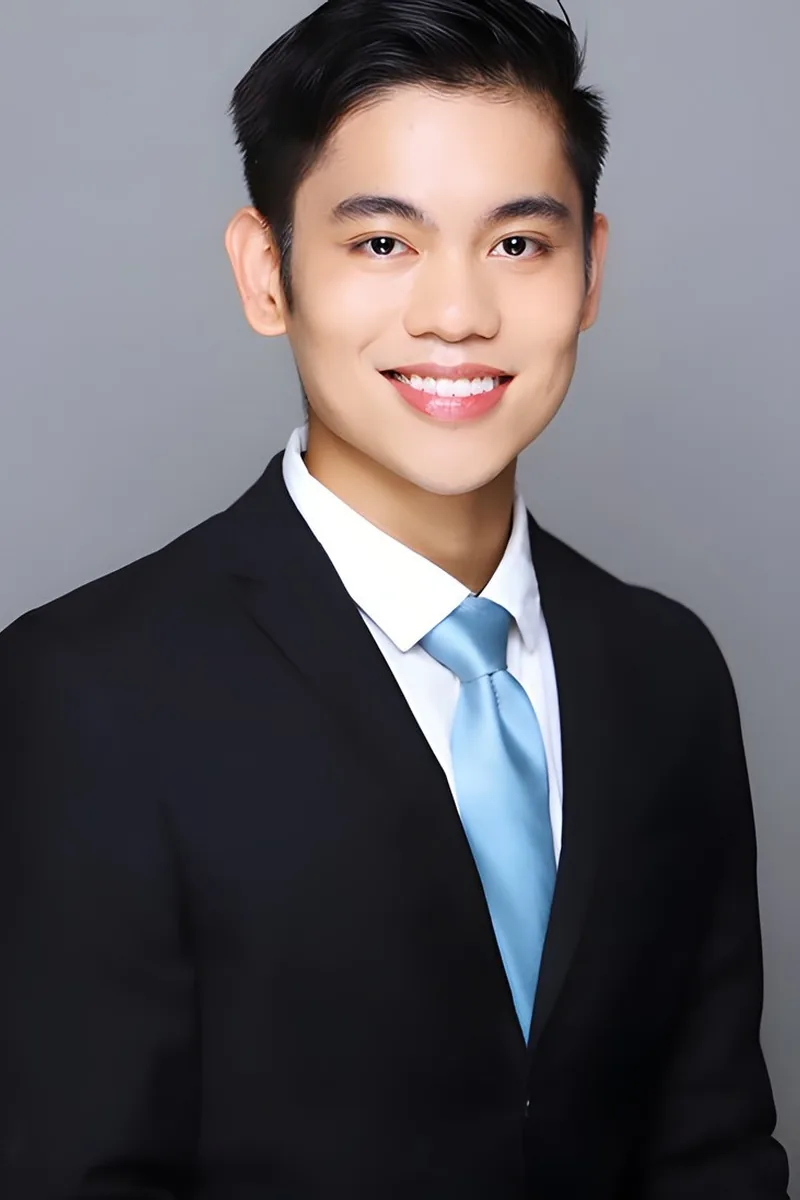
Between a humanities degree at UCLA and graduate work at Yale, Jon has written everything from analytical research papers to personal narratives, and he brings that range to teaching writing. He breaks the process into concrete, manageable steps — developing a thesis with real specificity, organizing evidence so each paragraph earns its place, and revising for clarity rather than just length.
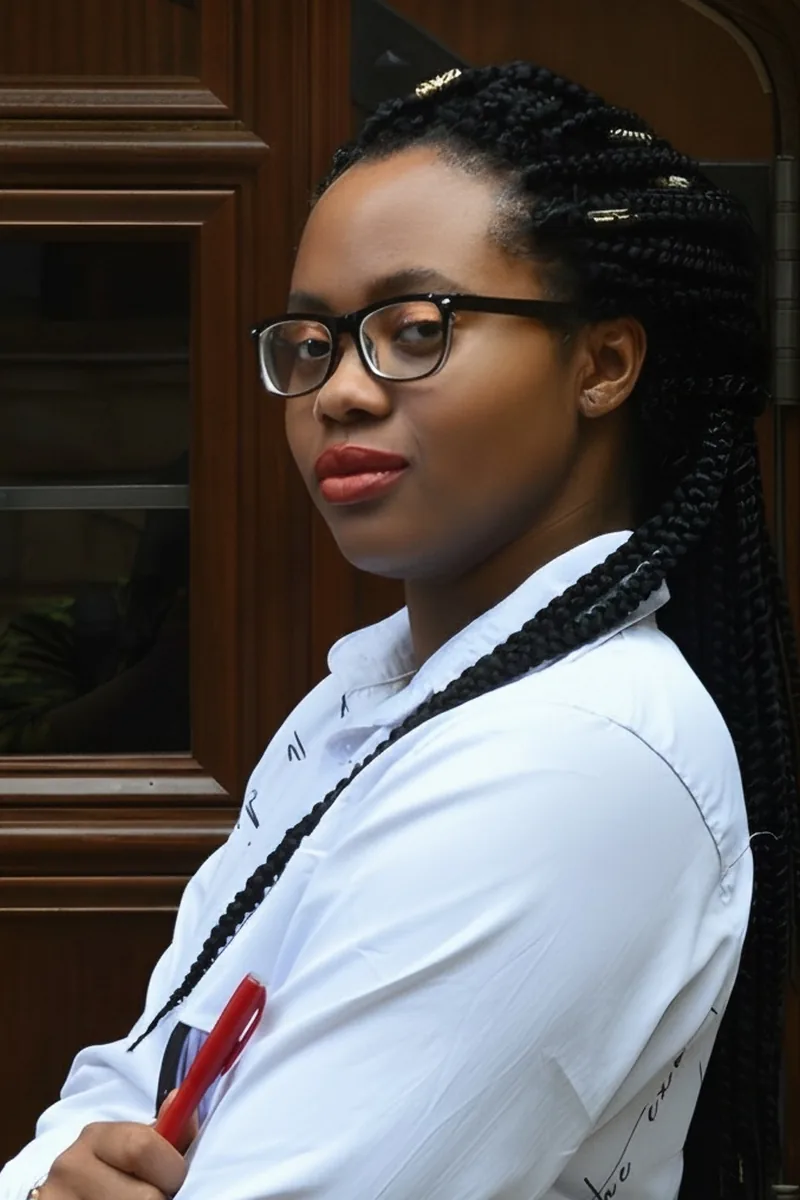
Brittany's approach to writing starts before the first draft: she teaches students how to generate a real thesis from messy initial ideas, then build paragraphs where every sentence pushes the argument forward. Her background teaching writing at the college level means she catches the habits — vague topic sentences, unsupported claims, buried conclusions — that hold student essays back.
Learning to write well is really learning to think clearly on paper — organizing an argument, choosing precise language, and revising until every sentence earns its place. Tessa approaches writing instruction by working through drafts with students, showing them how to move from a loose idea to a structured piece with a real point of view. Her humanities training at Yale and her lifelong love of reading give her a strong instinct for what makes prose work.
Niko's experience as a university writing TA means he understands the gap between what students think they've argued on the page and what a reader actually takes away. He tackles that disconnect directly, teaching writers to build clear thesis statements, organize evidence logically, and revise with purpose — skills that transfer across every discipline.
Crafting a clear argument is a lot like crafting a scene — every sentence needs purpose, momentum, and a reason for the reader to keep going. Mia brings that storytelling instinct from her theater and comedy background at Yale to the nuts and bolts of writing: thesis development, paragraph structure, and revision strategy. She's especially sharp at helping writers find their own voice instead of defaulting to stiff, formulaic prose.
I am a musician, educator, and philosopher based in New Haven, Connecticut. I studied at UCLA graduating Cum Laude with degrees in Music Performance, Education, and Philosophy. I have been tutoring private music lessons and academic subjects for over 5 years now, and I work as a substitute teacher across Connecticut. My favorite subjects to tutor are Music, English, and Reading/Writing Skills, but I am capable of tutoring various Historical subjects, Math, and Science as well.
As a spoken word poet, Louie knows that strong writing starts with having something specific to say and then finding the clearest, most compelling way to say it. He teaches students to outline arguments before drafting, vary sentence structure for emphasis, and revise with purpose — skills that transfer from five-paragraph essays to research papers. His approach turns writing from a dreaded assignment into a craft students can actually improve at.
Most students know what they want to say but struggle to organize it on the page — the thesis drifts, paragraphs blur together, evidence sits there without analysis. Stephen teaches writing as a process of building an argument in layers: claim first, then structure, then evidence, then style. His psychology training at Yale adds a useful lens for understanding how readers actually process and retain information.
Sophie treats writing as a craft with learnable moves: how to open with a hook that creates tension, how to build paragraphs around a single controlling idea, how to revise for rhythm and precision. As a Humanities major at Yale whose coursework is almost entirely essay-based, she produces and refines analytical and creative writing constantly — and brings that daily practice to every session.
Clear, persuasive writing is a skill Ryan has taught across wildly different contexts — from law students drafting case analyses to Hong Kong test-prep students learning to structure timed essays. That range means he can meet a high schooler working on a five-paragraph essay or a college student tackling a research paper and immediately diagnose what's holding the writing back. He zeroes in on argument construction, transitions, and voice rather than surface-level corrections.
Two years of teaching 5th graders taught Julia that strong writing instruction starts with getting students to say something specific — then showing them how sentence structure, word choice, and organization make that idea land. Her own academic writing spans two languages and two continents, from Smith College to the Sorbonne. She brings that range to everything from persuasive essays to research papers, adapting her feedback to each student's voice.
The hardest part of writing isn't grammar or formatting — it's figuring out what you're actually trying to say. Jill studied Nonfiction Writing and Communication and Rhetoric in college, so she teaches students how to develop a clear argument, organize evidence logically, and revise with purpose rather than just rearranging sentences.
I am an undergraduate student at Yale University. I am working towards a Bachelor of Science in Molecular, Cellular, and Developmental Biology along with a certificate of advanced language in Spanish. I currently do research studying changes in stem cells and gene expression during different planarian physiological processes. I am extremely interested in biochemical and biophysical processes, closely tied to my interest in STEM courses and education. I have the most experience tutoring math, science, and Spanish, using my personal and current education with feedback from previous students to refine my approach. In high school I started a student success center during covid to provide free online tutoring, providing tutors in all subjects during set hours of the week. I work hard to create a comfortable environment to reduce the stresses and pressures of tutoring, not only allowing me to enhance my student's education but do so in a way that is most suited to their learning styles. I have gone through the college application process recently and would love to share my knowledge of standardized testing (study tips, general questions, and subject-specific tutoring), college preparation, and the application process. Outside of the classroom, I dance for Sabrosura (Yale's Premier Latin Dance team), explore what borders campus on walks and hikes, and love trying new foods and experiences.
I am a freshman at Yale University, hailing originally from Seattle in the beautiful Pacific Northwest. I believe that education is one of the most fundamental aspects of a society's wellbeing, and that it is the duty of those of us who have been graced with the advantages of a good education to give back in some way; one of my motivations for tutoring is to do my part in that way.
I am a freshman at Yale University. I am majoring in computer science, and my other interests include economics and history. I have experience tutoring in an Algebra 1 classroom. I edited essays and tutored students in general subject in my high school's Literacy Resource Center. I also have privately tutored calculus. In college, I am a teaching assistant for a program that teaches middle and high school girls to code.
I am not teaching or grading papers, I can usually be found playing some brass instrument or another, umpiring baseball, trying out a new recipe in the kitchen, or spending far too much time on Netflix.
I am a senior at Yale studyung Neuroscience and History of Science, Medicine, and Public Health. I am a graduate of the International Baccalaureate (IB) Diploma Programme and a recipient of the IB Diploma. My academic background includes extensive experience in rigorous college level classes at the IB and Advanced Placement (AP) level. As a member of my school's math honor society, Mu Alpha Theta, I have volunteered my time at a local middle school to tutor students in different math levels from pre-Algebra to Geometry. I also absolutely love languages. Aside from being a native Spanish speaker, I have been studying Italian for the last four years and feel confident tutoring in these subjects. Another subject I enjoy tutoring is Standardized Testing, where I help high school students prepare for exams like the SAT, PSAT, and ACT. Preparing for these exams is crucial in order to achieve a good score, and I always make sure that my students are comfortable with both the format and the material on each exam. As a student, I know how important tutoring is, not only to improve grades but also to gain a better understanding of the material. Whenever I dedicate time to tutoring, I try to keep things engaging and fun. Motivation is definitely a key to success, and I believe that with the right encouragement and guidance any student can achieve their goals.
The gap between having an idea and putting it on paper clearly is where most writers struggle, and Zach tackles that gap by teaching concrete techniques: thesis construction, paragraph architecture, and how to use evidence without letting quotes do all the talking. His scientific training at Yale demanded rigorous, precise prose, which means he brings that same standard of clarity to persuasive essays, research papers, and creative pieces alike.
I'm Maddie, a senior at Yale University studying biology and Latin. I've been tutoring and advising students for the past five years and find that helping students understand and master a concept is immensely gratifying for me. My specialities include tutoring languages like Spanish and Latin and STEM fields (chemistry, biology, physics). I can also help with college test prep and essay writing, as well as general college advising. As a Classics major, I'm big into the Socratic method: leading students to the answer of a problem by asking questions at each step. More often than not, they knew the answer all along!
I'm a senior at Yale College where I study Economics. I'm originally from Millburn, NJ.
I am proud to have a lifelong love of learning, and through my work I aim to guide and instruct others along their own process of education. As an undergraduate student at Yale University, I took a wide range of courses alongside the requirements for my degree program in Music. I also made sure to keep time free to sing in a cappella groups and to play my cello.
I am only as good as the knowledge I can pass on. We work best only when we are being challenged by the very same people we are trying to teach. In doing so, as tutors , we are constantly reminded on the need to stay current, to continuously strive to add more to our arsenal of information and to simultaneously be prepared to reinvent oneself in a very short period of time. It is my belief that that is what it takes to be a competent tutor. It is also my belief that I come through on the very same standards I set others and that I am prepared to work hard, not for myself but for you.
I am a senior at Yale studying Mechanical Engineering. In addition to engineering and tutoring, I love playing the guitar and playing tennis with my friends.
I am an incoming medical student passionate about tutoring, counseling, and mentoring. From an early age, I tutored my fellow elementary school students in reading comprehension. From there, I gained extensive experience in my local library and other academic settings.
I am a current MBA student at the Yale School of Management who will also be attending UCLA School of Law post-MBA. I've also enjoyed taking standardized tests and "cracking" their code; so I love getting to continue to work on this with my students.
I am thrilled to share my passion for tutoring with you. With a diverse academic background and a deep understanding of test-taking strategies, I am dedicated to helping ambitious students excel in their studies and reach their full potential.
Most writing instruction tells students what good writing looks like without showing them how to get there. Valerie reverses that — she starts with a student's messy first draft and teaches concrete moves: how to build an argument with evidence, vary sentence rhythm, and revise with purpose. Her twenty pre-college writing prizes came from exactly that process of drafting and reworking.
From analytical research papers to personal narratives, Daria teaches writing as a process of building an argument one deliberate choice at a time — selecting evidence, controlling tone, and cutting what doesn't serve the thesis. Her Cornell coursework spans technical documentation and literary analysis, giving her range across genres most writing tutors don't have.
Running a high school newspaper and coaching peers through their writing at Northwestern taught Mackenzie that good writing is really good thinking made visible on the page. She unpacks the full process — from organizing scattered ideas into a thesis, to choosing evidence that actually supports a claim, to revising sentences until they say exactly what the writer means.
Strong writing starts with having something specific to say and knowing how to organize it so a reader follows without effort. Jordan's American Studies training required constant writing across formats — analytical essays, research papers, cultural criticism — and he draws on that range to teach everything from thesis construction to paragraph transitions. Rated by students who value a tutor who actually digs into their drafts rather than offering surface-level feedback.
Diana treats writing as a craft that improves through practice and specific feedback, not vague encouragement. Whether a student is structuring a five-paragraph essay for the first time or developing a personal narrative voice, she digs into the mechanics — thesis construction, paragraph transitions, evidence integration — that turn rough drafts into polished work. Her own background as a reader and writer across multiple genres keeps her feedback grounded and practical.
Strong writing starts with knowing what you actually want to say, which is harder than it sounds. Reta breaks the drafting process into manageable steps — brainstorming a clear claim, building an outline with real evidence, and revising for voice and clarity — so students walk away with a repeatable method, not just a finished paper.
Joshua treats writing as a thinking process: before a student types a word, they need to know what claim they're making and why it matters. His philosophy background means he's spent years constructing and dismantling written arguments, and he teaches students to outline with purpose, build paragraphs around single ideas, and revise with fresh eyes. Whether it's a research paper or a personal narrative, he digs into the structure underneath the prose.
Clear, persuasive writing was the backbone of Neil's economics work at Princeton and his career in investment analysis, where sloppy reasoning meant real consequences. He breaks the writing process into concrete steps — outlining an argument, selecting evidence, revising for clarity — so students build a repeatable process they can apply to any assignment.
Tolu approaches writing as argument-building, a habit drilled into him through years of constructing philosophical and historical analyses. He teaches students to start with a clear claim, select evidence that actually does work, and revise sentences until they say exactly what the writer intends — skills that apply whether the assignment is a personal narrative or a research paper.
Coaching a high school debate team taught Bradley something most writing tutors learn later: clarity isn't about fancy vocabulary — it's about structuring an argument so each sentence earns the next. He applies that principle to everything from thesis development to paragraph-level transitions, breaking down drafts until the logic is airtight.
Getting ideas onto the page is one challenge; organizing them into something a reader can follow is another entirely. Shana tackles both by teaching concrete strategies — outlining thesis-driven arguments, building body paragraphs around evidence, and revising for tone and coherence. Her background spans elementary through college-level writing, so she adjusts her approach to wherever a student actually is in their development.
Crafting a clear argument is a lot like building a logical proof — every sentence needs to earn its place. Richard, a UChicago economics student and avid reader, breaks down the writing process into concrete steps: developing a thesis, structuring paragraphs around evidence, and revising for precision. His background at Phillips Exeter Academy, where writing-intensive Harkness discussions were the norm, shaped how he teaches students to sharpen their own prose.
Strong writing starts with having something to say and then figuring out the clearest, most compelling way to say it — thesis construction, evidence selection, paragraph architecture. Edin has spent years writing across genres, from political analysis to personal essays, and he knows how to adapt tone and structure to different audiences. He tackles each student's writing at the sentence level and the argument level simultaneously.
Clear writing starts with clear thinking, and Bowen's finance training taught him to build arguments from evidence and cut anything that doesn't serve the point. He applies that same discipline to student writing — whether it's a five-paragraph essay or a research paper — by teaching outlining techniques that make first drafts stronger and revision cycles shorter.
Testimonials
Because the right Writing tutor makes all the difference.
Average Session Rating – Based on 3.4M Learner Ratings
Nearby Writing Tutors
Other New Haven Tutors
Related English Tutors in New Haven
Frequently Asked Questions
Writing tutors provide detailed feedback on your specific work—whether you're struggling with thesis development, essay organization, or argument clarity. Rather than generic writing tips, you get targeted guidance on your actual assignments, helping you understand not just what to fix, but why it matters. This personalized approach accelerates improvement because tutors can identify your patterns and address the root of your writing challenges.
While proofreading catches grammar and spelling errors, writing tutoring goes deeper—helping you develop strong thesis statements, organize ideas logically, and build compelling arguments from the ground up. Tutors work with you through brainstorming, drafting, and revision, teaching you strategies for overcoming writer's block and improving your overall writing voice. This process-focused approach builds skills you'll use in every essay, not just fixes for one assignment.
Yes—tutors can guide you through proper citation formatting and help you understand when and why to cite sources. Many New Haven students struggle with citation styles because the rules vary by discipline, and tutors can clarify which format your teacher expects and help you apply it consistently. Beyond formatting, they'll also help you integrate quotes and paraphrases smoothly into your writing.
Literary analysis requires both strong reading comprehension and the ability to support interpretations with textual evidence—two skills tutors specifically develop. They help you move beyond plot summary to analyze themes, symbolism, and author's craft, then teach you how to structure arguments that prove your interpretations. Tutors also help you avoid common pitfalls like unsupported claims or over-relying on quotes without analysis.
Bring any writing assignment you're currently working on—whether it's a rough draft, assignment prompt, or previous essay with teacher feedback. If you don't have an active assignment, bring a sample of your writing so the tutor can assess your strengths and areas for growth. This gives the tutor concrete material to work with and helps you get immediate, actionable feedback from the very first session.
Both matter, but tutors typically help you develop ideas and voice first, then refine grammar and mechanics. Worrying too much about grammar early in the writing process can actually stifle creativity and idea development. Once you have a solid draft with clear arguments and organized thoughts, that's when grammar and style polishing makes the biggest impact on your final essay.
Organization challenges are one of the most common issues tutors help students overcome. Tutors teach outlining strategies, help you identify your main points and supporting evidence, and show you how to create logical flow between paragraphs. They also help you recognize when ideas are out of order or when you need additional evidence to support a claim, building organizational skills that improve every essay you write.
Varsity Tutors connects you with tutors experienced in working with students across New Haven's 10 school districts, so they understand local curriculum standards and what teachers expect. Whether you're in a New Haven public school or private institution, tutors can align their instruction with your specific coursework and help you meet the writing standards your teachers emphasize.
Let’s find your perfect tutor
Answer a few quick questions. We’ll recommend the right plan and match you with a top 5% tutor.