Award-Winning AP English Literature and Composition Tutors
serving New Haven, CT
AP English Literature and Composition
Tutors in New Haven
Private 1-on-1 tutoring, weekly live classes for academic support, test prep & enrichment, practice tests and diagnostics, and more to elevate grades and test scores.
Based on 3.4M Learner Ratings
UniversitiesSchools & Universities
DeliveredHours Delivered
ProficiencyGrowth in Proficiency
Who needs tutoring?
No obligation. Takes ~1 minute.

AP Lit asks students to do something most high schoolers haven't practiced: build an argument about how a poem or passage works, not just what it means. Brittany's Yale literature background and college-level teaching experience mean she can walk through the difference between summary and analysis, then show how to structure a timed essay that earns top marks on the rubric.
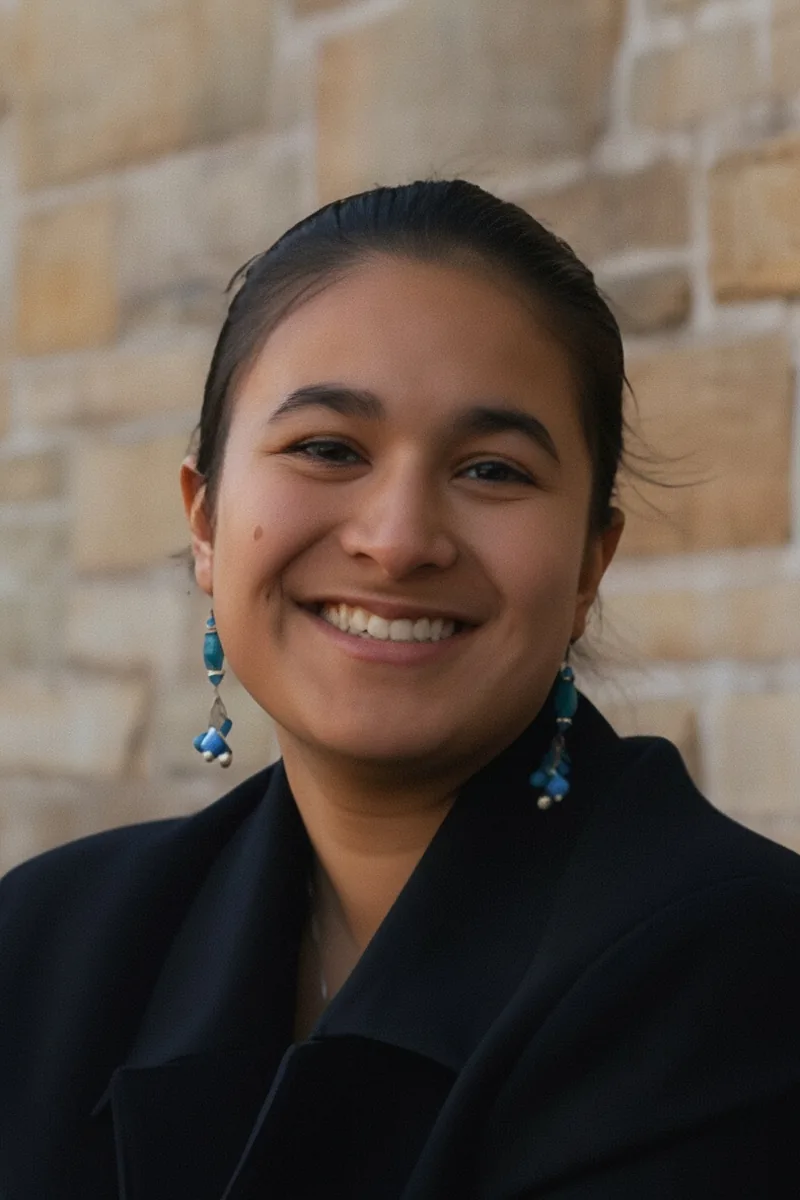
AP Lit asks students to do something most haven't practiced — write analytically about how a poem's structure or a novel's narrative technique creates meaning, not just summarize plot. As a Yale humanities student and avid reader, Tessa digs into the close-reading skills that earn high marks on the poetry free-response and the open-ended essay. She's particularly sharp on teaching students to move from observation ('there's a metaphor here') to argument ('here's what it does and why it matters').
Princeton's economics program is writing-intensive in ways most people don't expect — Neil spent four years constructing evidence-based arguments from dense source material, a skill that maps directly onto AP Lit's demand for thesis-driven essays grounded in textual detail. He teaches students how to move from a cold read of a poem or passage to a structured interpretive argument within the forty-minute window, zeroing in on how to select and deploy evidence without drifting into summary. Rated 5.0 by students.
Dissecting a poem's use of enjambment or tracing how an unreliable narrator shapes meaning in a novel — AP Lit rewards the kind of close, layered reading Bradley genuinely loves. An avid reader and writer at Babson College, he teaches students to build literary arguments that move beyond plot summary and anchor every claim in specific textual evidence. His debate coaching experience also translates well to structuring timed essays that stay focused under pressure.
AP Lit asks students to do something most high schoolers haven't practiced: read a poem or prose passage cold and immediately build an argument about how its literary devices create meaning. Jake tackles this by teaching close-reading techniques — tracking shifts in tone, identifying figurative patterns, and connecting formal choices to thematic claims — so the timed essay feels less like a scramble and more like a structured conversation with the text.
AP English Literature asks students to do exactly what Winnie was trained for: read a poem or prose passage cold and produce a sharp, thesis-driven essay under time constraints. Her comparative literature background means she can teach students to analyze imagery, narrative voice, and structural choices across traditions — from Victorian novels to postcolonial fiction — with the specificity the exam demands.
AP Lit rewards the kind of close reading Lisa has practiced for years as a published author and journal editor — noticing how a writer's diction, imagery, or syntax creates meaning beyond the surface. She digs into poetry and prose with students, teaching them to build essay arguments around specific literary devices rather than vague thematic summaries. Her 4.9 rating speaks to how well that approach lands.
Teaching high school English while holding an MA in English with a focus on feminist critical theory, Danah knows exactly what AP Lit readers reward: thesis specificity, embedded textual evidence, and sophisticated literary analysis that goes beyond plot summary. She unpacks how to write a compelling free-response essay on poetry, prose, and open-prompt questions under timed conditions. Rated 5.0 by students.
AP Lit is Meagen's sweet spot. As an English major at Carleton College who genuinely lights up over close reading, she digs into how literary devices function within a text — not just identifying a metaphor but explaining what it accomplishes in the passage's argument or characterization. Her sessions on the free-response essays zero in on crafting a defensible thesis and weaving textual evidence into every body paragraph.
AP English Literature demands more than summarizing a novel — it asks students to dissect how imagery, tone, and narrative structure produce meaning in a specific passage. David's English degree and his graduate work with rare books and manuscripts gave him a close-reading discipline that translates directly into the kind of textual analysis the free-response essays reward. He teaches students to build arguments from the text outward, anchoring every claim in concrete literary evidence.
AP Lit asks students to do something genuinely difficult: write a polished literary argument under time pressure about a poem or passage they've never seen before. Dalton digs into the close-reading mechanics that make that possible — tracking shifts in tone, identifying how figurative language builds meaning, and constructing thesis statements that go beyond plot summary. Rated 4.9 by students.
AP English Lit asks students to do something genuinely difficult: write a persuasive literary argument under timed conditions about a poem or passage they've never seen before. Paula's approach digs into close reading techniques — tracking imagery patterns, shifts in tone, narrative perspective — so that students walk into the exam knowing how to generate an original thesis on the spot. Her background in both Psychology and Communication Studies sharpens the way she unpacks character motivation and authorial intent.
AP Lit asks students to do something most haven't practiced: build a literary argument under a ticking clock, using specific textual evidence and sophisticated analysis of devices like imagery, tone shifts, and narrative structure. Jonathan is an active fiction writer studying at The Writers Studio in Manhattan, which means he reads prose the way the exam demands — with an eye toward how authors construct meaning at the sentence level. That craft-level awareness translates directly into the kind of close reading the free-response essays reward.
AP Lit asks students to do something genuinely difficult: read a poem or prose passage cold and produce a polished analytical essay in forty minutes. Hasan studied Literary Arts at Brown, where his coursework ranged from contemporary American fiction to ancient Indian classics, giving him the interpretive toolkit to teach students how to unpack imagery, structure, and narrative voice under exam conditions.
AP English Lit asks students to do something genuinely difficult: read a poem or passage cold and produce a polished analytical essay under time pressure. Sarah's BA in English from Oberlin and her ongoing PhD work at Harvard mean she can teach students to unpack figurative language, track shifts in tone, and build thesis-driven arguments about texts they've never seen before. Her poetry background is especially useful for the notoriously challenging poetry analysis prompt.
Analyzing how a poet's syntax mirrors emotional tension, or tracing a novel's symbolic architecture across 300 pages — AP Lit demands close reading at a level most high schoolers haven't encountered before. Martha's experience writing analytical papers at Duke and editing college essays sharpens her ability to teach students how to build a thesis from textual evidence and defend it in a timed essay.
Testimonials
Because the right AP English Literature and Composition tutor makes all the difference.
Average Session Rating – Based on 3.4M Learner Ratings
Practice AP English Literature and Composition
Free practice tests, flashcards, and AI tutoring for AP English Literature and Composition
Nearby AP English Literature and Composition Tutors
Other New Haven Tutors
Related English Tutors in New Haven
Frequently Asked Questions
The AP English Literature and Composition exam tests your ability to analyze and interpret literature across poetry, prose, and drama. The exam has two sections: a 1-hour multiple-choice section with 52 questions on close reading and literary analysis, and a 2-hour free-response section with three essays (poetry analysis, prose analysis, and an argument essay). Success requires strong skills in identifying literary devices, understanding author's purpose, and supporting claims with textual evidence.
Many students struggle with time management during the exam—the multiple-choice section requires quick, accurate analysis of unfamiliar texts, while the essays demand organized thinking under pressure. Another common challenge is moving beyond surface-level observations to deeper literary analysis, especially when discussing complex themes or symbolism. Additionally, students often find it difficult to balance textual evidence with their own interpretation without over-explaining or under-supporting their claims.
AP scores range from 1 to 5, with a 3 considered passing and colleges typically granting credit for a 4 or 5. The national average score hovers around 2.7, so a 4 or 5 puts you well above average and demonstrates strong analytical skills. Your target score depends on your college goals and major—humanities programs often expect a 4 or higher—but consistent practice with full-length exams and targeted feedback on your essays will help you identify realistic improvement areas.
Personalized 1-on-1 instruction allows a tutor to identify your specific weaknesses—whether that's analyzing poetry quickly, structuring essays under time pressure, or supporting arguments with evidence—and create a focused study plan. Tutors can provide detailed feedback on your practice essays, teach you efficient close-reading strategies for the multiple-choice section, and help you build confidence through timed practice tests that simulate exam conditions. This targeted approach is far more effective than generic test prep, especially when working with expert tutors who understand AP English Literature and Composition expectations.
Most students benefit from 3-4 months of consistent preparation, with 5-7 hours per week of study time. If you're starting closer to the May exam date, you'll want to intensify your preparation with more frequent tutoring sessions and daily practice. The key is balancing full-length practice exams (which help you build stamina and identify weak areas) with targeted skill work on specific essay types or literary devices. A tutor can help you create a realistic timeline based on your current skills and target score.
Strong essays start with a clear, arguable thesis that directly addresses the prompt—avoid vague statements and instead make a specific claim about how literary devices create meaning. Spend 2-3 minutes planning your essay before writing, identifying 2-3 strong pieces of textual evidence that support your argument. During writing, prioritize quality analysis over quantity; one well-explained example is stronger than three rushed ones. Practice essays under timed conditions to build speed and consistency, and have a tutor review your work to identify patterns in what's working and what needs refinement.
The multiple-choice section rewards careful, active reading—annotate as you read, noting tone, literary devices, and the author's purpose in the margins. For each question, eliminate obviously wrong answers first, then compare the remaining options carefully; AP questions often include plausible distractors that seem right at first glance. Practice with released AP exams and time yourself to build speed without sacrificing accuracy. Many students improve significantly by working with a tutor to analyze their wrong answers and identify patterns—do you struggle with inference questions, tone, or specific genres like poetry?
Varsity Tutors connects you with expert tutors for students in New Haven who specialize in AP English Literature and Composition and understand the exam's specific demands. When you reach out, you'll be matched based on your goals, timeline, and learning style—whether you need intensive preparation for the May exam or ongoing support throughout the school year. Tutors work with you to create a personalized study plan, provide detailed feedback on your essays, and help build the confidence and skills you need to succeed on test day.
Let’s find your perfect tutor
Answer a few quick questions. We’ll recommend the right plan and match you with a top 5% tutor.