Award-Winning Trigonometry Tutors
serving Bridgeport, CT
Trigonometry
Tutors in Bridgeport
Private 1-on-1 tutoring, weekly live classes for academic support, test prep & enrichment, practice tests and diagnostics, and more to elevate grades and test scores.
Based on 3.4M Learner Ratings
UniversitiesSchools & Universities
DeliveredHours Delivered
ProficiencyGrowth in Proficiency
Who needs tutoring?
No obligation. Takes ~1 minute.
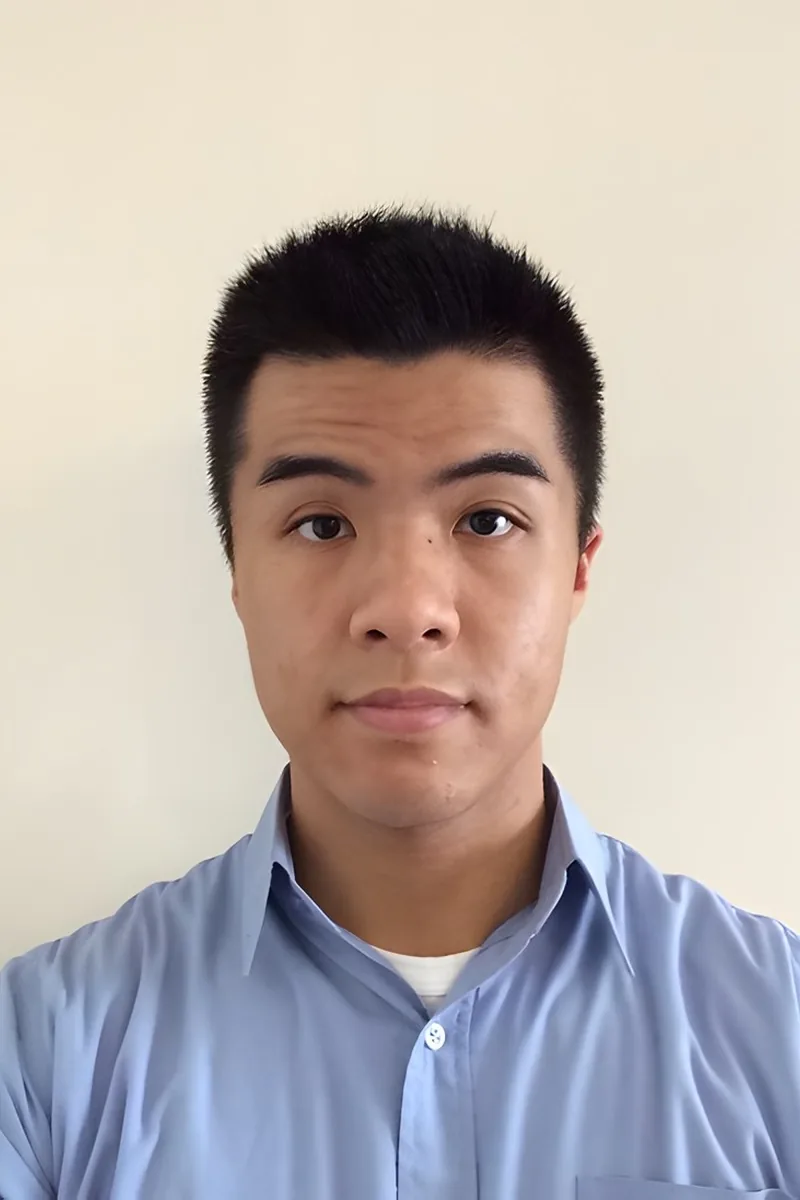
The unit circle, sine and cosine graphs, and trig identities can feel like an avalanche of formulas with no clear logic behind them. Bowen tackles trig by connecting each identity back to the geometry students already understand, turning memorization into reasoning. His approach of pinpointing exactly which pieces a student already owns keeps sessions efficient and frustration low.
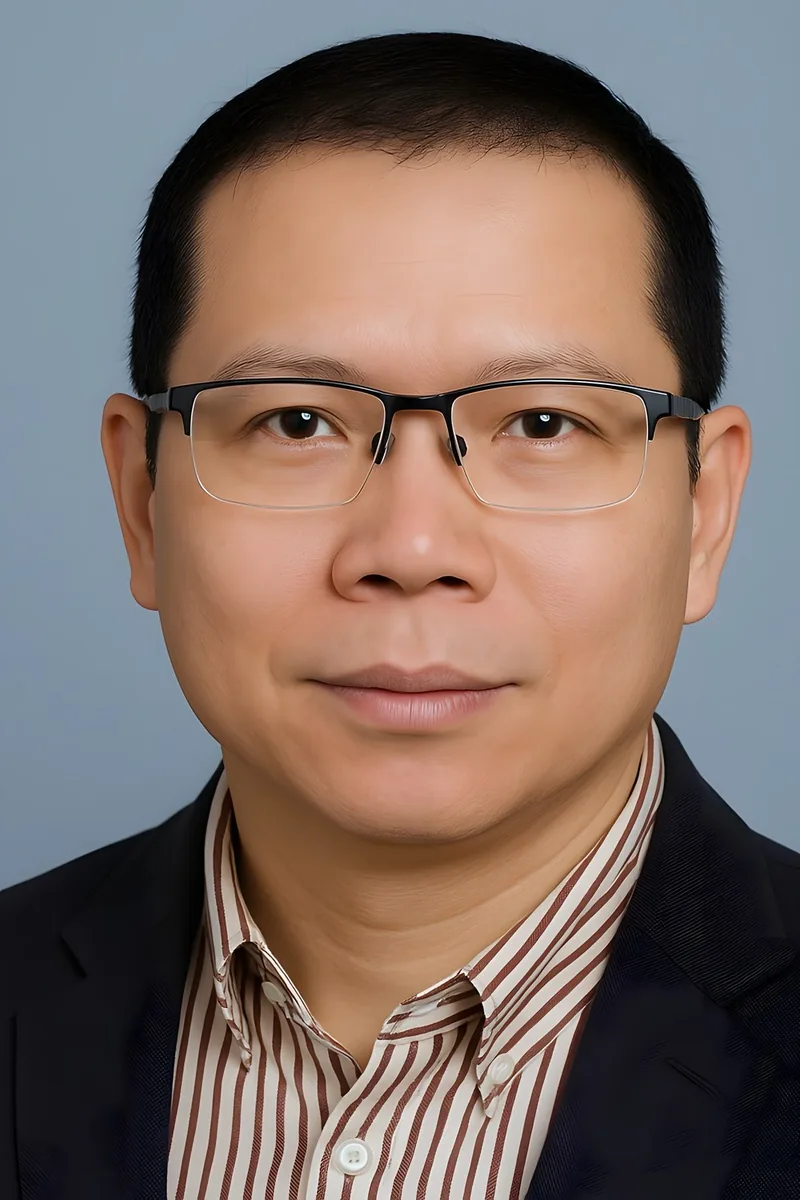
The jump from memorizing trig ratios to applying identities and solving equations is where most students lose their footing. Francis taught trigonometry for years at the high school level and breaks down topics like the unit circle, law of sines and cosines, and identity proofs by tying each one back to geometric intuition. His graduate-level math background means he can handle the trickiest verification problems without skipping logical steps.
The unit circle, identities, and graphing sinusoidal functions all become more manageable when a student sees the patterns connecting them. Valerie approaches trig by linking each new identity back to geometric intuition, making it easier to derive formulas on the fly instead of memorizing a sheet of disconnected equations.
Trig identities, the unit circle, and the law of sines can feel like a pile of unrelated formulas until someone shows you the geometry holding it all together. Anthony's physics background means he's spent years applying trigonometry to real problems — wave mechanics, vector decomposition, rotational motion — and he teaches the subject with that same emphasis on understanding over memorization.
Trig identities can feel like an endless list of formulas to memorize, but nearly all of them trace back to the unit circle and a handful of core relationships. Ethan teaches students to derive identities on the fly — starting from sine and cosine definitions and building outward — so they can reconstruct what they need during an exam instead of relying on a cheat sheet.
Most trig pages are crowded with unit circle advice, so here's what sets Tessa apart: she's a math major at Yale who also studies history, which means she instinctively teaches trig concepts like identities and inverse functions by tracing where they came from and why they were invented. That narrative approach turns topics like the law of cosines or radian measure into ideas with a storyline rather than formulas dropped from nowhere. Her 36 ACT and 4.9 rating suggest the method lands.
Trig identities can feel like an endless list of formulas to memorize, but Chantel teaches students to derive them from the unit circle so they actually stick. Her approach to sinusoidal modeling and inverse trig functions emphasizes visualization, building the geometric reasoning that makes proofs and applications far more intuitive.
Trig identities, unit circle values, and the law of sines and cosines all require a kind of spatial reasoning that feels unfamiliar to most students at first. AJ calls trigonometry one of his favorite topics and tackles it by grounding every identity and formula in the geometry students already understand. His math degree from Central Connecticut State means he can explain not just how sin²θ + cos²θ = 1 works, but why it has to.
The unit circle trips up more students than almost any other single concept in high school math. Alice approaches trig by tying sine, cosine, and tangent back to their geometric origins — showing why the identities work instead of asking students to memorize a dozen formulas. Her physics background at UConn means she can also demonstrate how trig shows up in wave motion and force decomposition.
Trig is where math stops being about numbers and starts being about relationships — and that shift trips up a lot of students. Ben breaks down the unit circle, identities, and inverse functions by connecting each concept back to the geometric intuition behind it, so formulas feel logical rather than arbitrary. Rated 5.0 by students.
The unit circle, inverse trig functions, and identity proofs tend to feel like arbitrary memorization until someone shows you the geometric logic underneath. Caroline breaks trig down through the engineering lens she developed earning her M.S. in Mechanical Engineering magna cum laude — where sine and cosine aren't abstract but describe real oscillations and forces. That applied perspective turns a notoriously frustrating subject into something intuitive.
Trig identities and the unit circle can feel like arbitrary rules until someone shows you the geometry underneath them. Charles uses trigonometry constantly in his Yale mechanical engineering coursework — from force decomposition to wave analysis — and breaks down concepts like the law of cosines and radian measure by connecting them to problems you can actually picture.
The unit circle doesn't have to be a memorization exercise. Enrico teaches trig identities and sinusoidal functions by showing where they come from geometrically, so that formulas like the angle addition identities or the law of cosines feel like things students can derive on the spot rather than recall under pressure.
Trig identities and unit circle values can feel like an endless list to memorize, but there's a structure underneath that makes most of it derivable on the spot. Charles approaches trigonometry by teaching students to see the relationships between sine, cosine, and tangent graphically and algebraically, so they aren't relying on flashcards during exams. His strong math background across algebra through calculus means he connects trig concepts to what comes next.
Trig is where many students first encounter math that feels genuinely spatial — unit circles, radian measure, sinusoidal graphs that actually describe physical phenomena. Allen breaks down identities and transformations by tying them back to their geometric origins, making it easier to see why an identity holds instead of just memorizing the formula.
The unit circle, identities, and inverse trig functions trip students up because they feel like arbitrary rules disconnected from anything visual. Rahi teaches trigonometry by anchoring every identity and equation back to the geometry it came from, so that relationships like the double-angle formulas become intuitive rather than something to cram. Three engineering degrees gave him years of applying trig in real contexts.
Trig identities and the unit circle click faster when a student sees them as patterns rather than formulas to memorize. Samuel's applied math training at Caltech means he uses trigonometric functions constantly — in wave equations, Fourier analysis, and modeling — so he can show exactly where sine, cosine, and tangent show up beyond the textbook.
Trig identities, the unit circle, and the Law of Sines aren't just abstract exercises for Matthew — they're tools he applies constantly in his Mechanical and Aerospace Engineering program at Princeton. He identifies which specific trig concepts a student is shaky on and drills those through worked examples and targeted practice problems until the reasoning clicks.
The unit circle, identities, and the shift from degree to radian measure trip up even strong math students. Andrew approaches trig by anchoring every identity and formula to its geometric meaning — showing why sin²θ + cos²θ = 1 rather than just asking students to memorize it. His dual background in science and quantitative reasoning means he can tie these concepts to real applications in physics and biology.
Trig identities and unit circle values can feel like arbitrary things to memorize, but Samantha approaches them visually — sketching triangles, drawing reference angles, and connecting each identity back to geometric intuition. Her Cornell chemistry background required constant use of trigonometric relationships in spectroscopy and molecular geometry, giving her a practical fluency that translates well to teaching.
A year as a course assistant in Harvard's math department meant Richard taught calculus daily — and calculus lives and dies on trig fluency, from evaluating limits of sinusoidal functions to integrating with trig substitutions. That constant reinforcement gives him a sharp sense of exactly where students get tripped up on identities, graphing transformations, and radian-degree conversions. His perfect 1600 SAT and 36 ACT confirm the foundational math chops behind that teaching experience.
Testimonials
Because the right Trigonometry tutor makes all the difference.
Average Session Rating – Based on 3.4M Learner Ratings
Practice Trigonometry
Free practice tests, flashcards, and AI tutoring for Trigonometry
Nearby Trigonometry Tutors
Other Bridgeport Tutors
Related Math Tutors in Bridgeport
Frequently Asked Questions
Many students find trigonometry challenging because it requires understanding both abstract concepts (like unit circles and radian measures) and practical applications simultaneously. The biggest pain points are typically: visualizing how sine, cosine, and tangent relate to angles and triangles; applying trig functions to word problems; and remembering which ratios apply in different situations. Personalized tutoring helps students build these connections step-by-step rather than memorizing formulas in isolation.
Trigonometry is most useful when you understand *why* the formulas work, not just when to use them. Expert tutors focus on helping you see the patterns—like how the unit circle connects to graphs of sine and cosine, or why the Pythagorean identity holds true. Through guided problem-solving and visual explanations, you'll develop the conceptual foundation that makes advanced topics like inverse trig functions and identities much easier to grasp.
Word problems require you to translate real-world scenarios into trig equations—a skill that takes practice and strategy. Tutors help you develop a systematic approach: identifying what you know and what you're solving for, sketching diagrams, choosing the right trig ratio or function, and checking whether your answer makes sense. With personalized instruction, you'll build confidence in breaking down complex problems into manageable steps.
Graphing trig functions combines several challenging skills: understanding periodic behavior, recognizing how amplitude and phase shift affect a graph, and translating between equations and visual representations. Many students struggle because they're trying to memorize parent graphs rather than understanding the underlying transformations. Personalized tutoring helps you see how changes to an equation directly translate to shifts and stretches on the graph, making the connections intuitive rather than memorized.
Your first session focuses on understanding where you are right now. A tutor will review recent assignments or assessments, ask about specific topics that feel confusing, and identify whether your challenges are conceptual (not understanding why something works) or procedural (not remembering steps). From there, you'll create a personalized plan that targets your biggest gaps—whether that's building stronger foundations or moving ahead to more advanced applications.
Math anxiety is real, and it often stems from feeling rushed or unsupported when learning difficult concepts. Working with a tutor in a low-pressure, one-on-one setting helps you slow down, ask questions without judgment, and rebuild confidence through small wins. As you start understanding trigonometry concepts more deeply, you'll naturally feel less anxious—success builds momentum.
Yes. Varsity Tutors connects you with expert tutors who understand the Connecticut curriculum standards and are familiar with the different approaches used across Bridgeport's 6 school districts. Whether your school emphasizes right triangle trigonometry first or starts with the unit circle, your tutor will align instruction with what you're learning in class and help you master the concepts your teachers expect.
Proving identities requires both knowing the fundamental identities and developing a strategic mindset about which ones to use and when. Many students freeze because they're not sure where to start. Tutors teach you a systematic approach: identify what you're trying to prove, work with the more complicated side, and learn to recognize patterns that signal which identity to apply. With practice and feedback, identity proofs shift from intimidating to manageable.
Let’s find your perfect tutor
Answer a few quick questions. We’ll recommend the right plan and match you with a top 5% tutor.