Award-Winning Latin Tutors
serving Colorado Springs, CO
Latin
Tutors in Colorado Springs
Private 1-on-1 tutoring, weekly live classes for academic support, test prep & enrichment, practice tests and diagnostics, and more to elevate grades and test scores.
Based on 3.4M Learner Ratings
UniversitiesSchools & Universities
DeliveredHours Delivered
ProficiencyGrowth in Proficiency
Who needs tutoring?
No obligation. Takes ~1 minute.
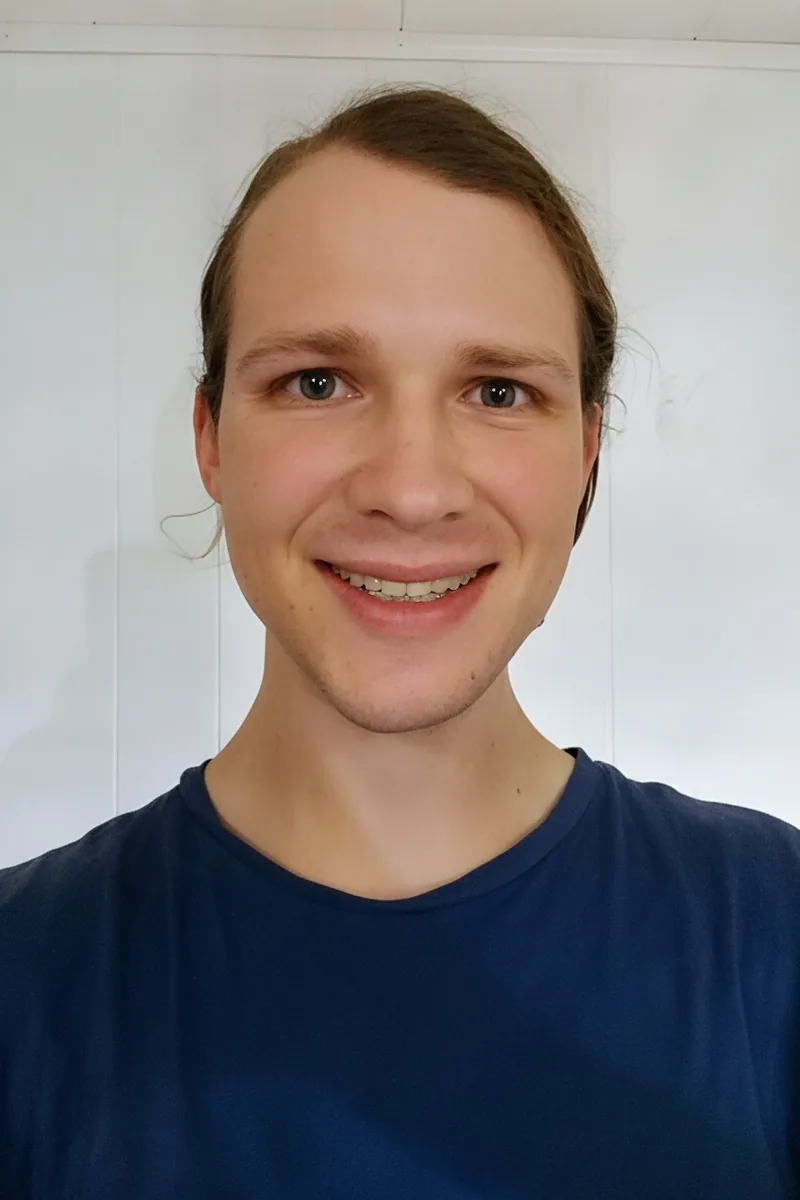
Paul teaches Latin 1, Latin 2, and AP Latin, and his background across French and multiple classical languages gives him a sharp eye for the comparative grammar patterns that make Latin's inflection system easier to internalize. His 1570 SAT reflects the kind of close, precise reading that Latin translation demands — picking apart how word order, case endings, and subordinate clauses signal meaning in ways English never has to. He grounds each lesson in building fluency with specific constructions rather than rote memorization of paradigm charts.
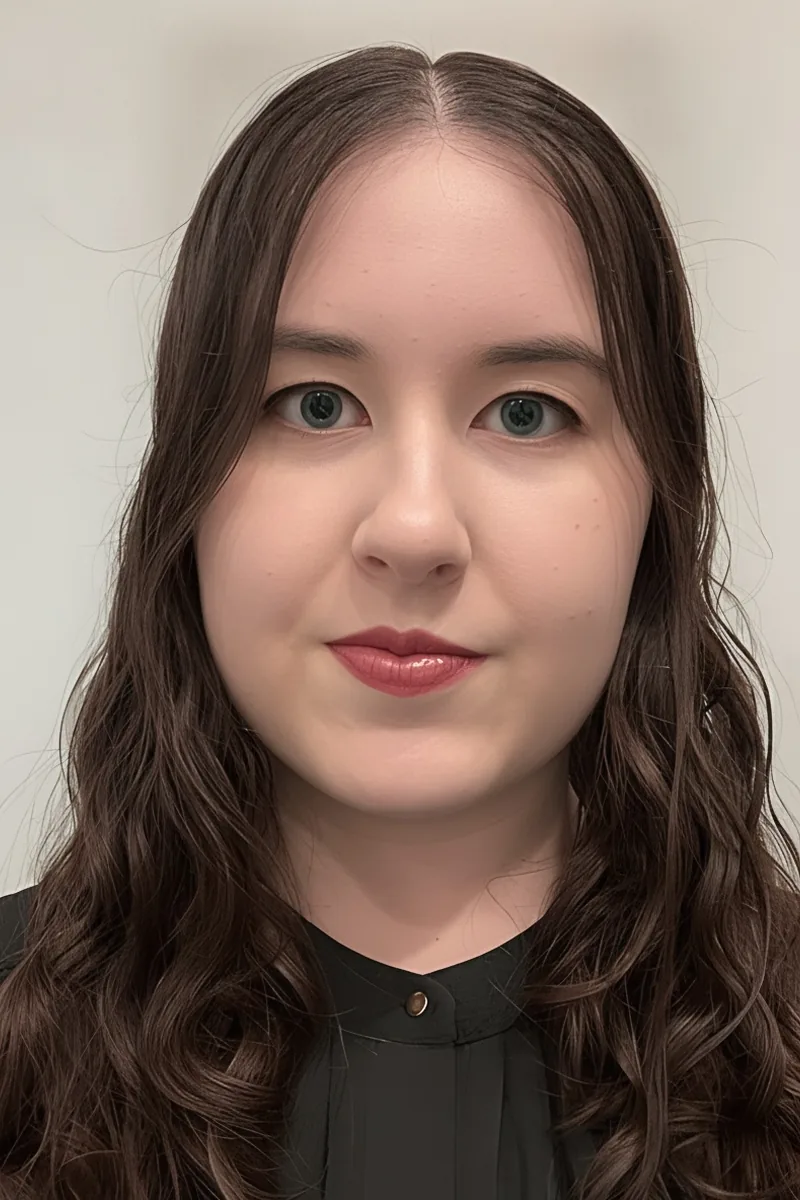
Skylar took Latin through the graduate level at Johns Hopkins and earned a 5 on the AP Latin exam, so she knows the language from first-declension basics all the way through Vergil and Caesar at an advanced level. She breaks down complex constructions — ablative absolutes, indirect discourse, subjunctive clauses — by connecting grammar to the logic of what a Roman author is actually trying to say. That approach turns translation from guesswork into a skill students can repeat on any unseen passage.
Having studied Latin through all four levels and prepped for the SAT Subject Test in it, Mahalia knows the language well enough to walk students through everything from first-declension nouns to sight-reading passages of original text. Her creative writing background gives her a sharp ear for how sentences are built — a skill that translates directly to parsing Latin word order, identifying clause boundaries, and making sense of authors who bury their main verbs three lines deep. Rated 5.0 by students.
Classics majors don't just dabble in Latin — Rebecca is building her entire undergraduate degree around the language and its literary tradition, covering all four levels plus AP. That depth means she can walk a first-year student through basic conjugation patterns and then, in the next session, tackle the syntactic complexity of reading Vergil or Cicero in the original. Rated 5.0 by students.
Charles teaches both Latin 1 and Latin 2 alongside a full slate of English grammar and literature courses, which means he's constantly working at the intersection of Latin's grammatical structures and their echoes in modern English. That dual focus sharpens his ability to walk students through conjugation patterns and case endings by linking them to syntax rules they already use every day. His two years as a high school peer tutor built an instinct for spotting exactly where a translation starts to fall apart.
Studying Dante in Bologna under a leading scholar meant David wasn't just translating Italian — he was working backward through the Latin literary tradition that shaped every line of the *Commedia*. That immersion, combined with his coursework in philosophy and European history, gave him a reader's intuition for how Latin syntax builds meaning across long, layered sentences. He covers Latin 1 and 2 and holds a 5.0 rating.
Zachary's PhD work at Harvard sits squarely at the intersection of German philosophy and classics, meaning he reads Latin not as a classroom exercise but as a daily tool for engaging with primary texts in their original language. He teaches all four levels and is especially sharp on the grammatical precision needed for dense philosophical and literary passages — ablative constructions, purpose clauses, and the kinds of nested relative clauses that make students' eyes glaze over until someone unpacks the logic holding them together.
Holding a Master's degree in Latin, Catherine doesn't just teach the language — she lives in its literature, grammar, and history at a level most tutors can't match. She covers every level from Latin 1 through AP, with particular strength in guiding students from early declension patterns into reading authentic prose and poetry with real confidence. Rated 5.0 by students, she also teaches Greek, giving her the kind of cross-classical perspective that illuminates how Latin syntax and vocabulary function within the broader ancient world.
Three years of peer tutoring in Latin gave Brooke a clear sense of where students get stuck: noun declensions blurring together, ablative absolute constructions, the difference between purpose and result clauses. She walks through translations methodically, connecting each grammatical structure to how Romans actually built their sentences.
Studying all four levels of Latin while pursuing a history degree at Dartmouth means Vivian reads the language where it actually lived — in the political speeches, legal codes, and historiographical texts that shaped the ancient world. She brings that context into every lesson, so students learning subjunctive mood or fourth-declension nouns can see those structures doing real work in passages by Caesar or Cicero rather than in disconnected grammar exercises.
Having completed Penn's post-baccalaureate program in Classical Studies, Michael knows Latin from the inside out — not just declension tables but the way a periodic sentence builds suspense or how subjunctive mood signals a Roman author's uncertainty. He takes students through grammar systematically while always connecting forms back to real passages from Caesar, Cicero, and Vergil so that translation feels purposeful rather than mechanical. Rated 5.0 by students.
Between his psychology studies at Yale and his German coursework through level four, Stephen has built the kind of cross-linguistic awareness that makes Latin's grammatical architecture feel less foreign — German's case system in particular maps closely onto Latin's noun declensions. He also prepared for the SAT Subject Test in Latin, which means he's drilled the vocabulary, syntax, and translation speed that classroom exams and standardized assessments both demand.
William's Classics degree from Boston University means he didn't just study Latin as a requirement — he read it as a living part of the ancient world, translating original texts alongside coursework in linguistics and archaeology. That dual lens lets him explain not only how a subjunctive clause or ablative construction works grammatically, but why Roman authors chose those structures to make their arguments. Rated 4.9 by students.
Testimonials
Because the right Latin tutor makes all the difference.
Average Session Rating – Based on 3.4M Learner Ratings
Nearby Latin Tutors
Other Colorado Springs Tutors
Related Languages Tutors in Colorado Springs
Frequently Asked Questions
Latin is the foundation of English and Romance languages—learning it strengthens vocabulary, grammar understanding, and reading comprehension across all subjects. Beyond language skills, Latin study develops logical thinking and provides direct access to classical literature, history, and culture that shaped Western civilization. For students in Colorado Springs, Latin also strengthens performance in standardized tests and college applications, as it demonstrates intellectual rigor and commitment to deep learning.
The most common struggles are verb conjugation (with its multiple tenses, moods, and voices) and mastering the complex case system that determines word endings and relationships. Many students also find vocabulary retention challenging due to the sheer volume of words needed for fluency, and they may feel isolated practicing a classical language without native speakers to converse with. Personalized 1-on-1 instruction addresses these pain points by breaking down grammar rules into manageable chunks, using spaced repetition for vocabulary, and providing guided practice in translating and composing Latin sentences.
Your first session focuses on understanding your current level, learning goals, and specific challenges—whether you're starting Latin from scratch, preparing for an AP exam, or working to improve your grades in a school course. The tutor will assess your strengths in reading, writing, and grammar comprehension, then create a personalized plan tailored to your needs. You'll likely work through some foundational material or review together to establish a baseline and build momentum.
Both are essential, and they reinforce each other. Understanding Latin grammar rules—cases, declensions, conjugations, and syntax—gives you the framework to decode any sentence and compose correctly. However, applying those rules through reading authentic texts and translating passages helps you internalize patterns naturally, making grammar less mechanical and more intuitive. Personalized tutoring balances explicit grammar instruction with plenty of practice in real texts, so you develop both analytical skills and reading fluency.
Vocabulary retention improves dramatically with spaced repetition—reviewing words at increasing intervals rather than cramming—combined with contextual learning where you encounter words in sentences and passages rather than isolated lists. Connecting Latin words to English derivatives (like "aqua" to "aquatic" or "aqueduct") creates memorable links that stick longer. A personalized tutor can design custom vocabulary drills, help you recognize word patterns and roots, and ensure you're learning high-frequency words first so you can start reading meaningful texts sooner.
AP Latin success requires mastery of two main components: translating unseen passages accurately (demonstrating grammar knowledge and vocabulary) and analyzing prose style and rhetorical devices in context. Effective preparation involves regular practice with released AP passages, timed translation drills to build speed and accuracy, and deep study of the required texts (typically selections from Vergil's Aeneid and Cicero's speeches). A tutor can identify your weak areas, provide targeted grammar review, simulate exam conditions, and teach strategies for tackling unfamiliar vocabulary—all personalized to your pace and learning style.
Latin is offered at many Colorado Springs high schools as an elective language course, typically spanning 1-4 years depending on the school and student interest. Most programs follow a progression from foundational grammar and vocabulary in Latin I through increasingly complex texts and literary analysis in Latin II, III, and IV, with some schools offering AP Latin for advanced students. With 232 schools across 18 school districts in Colorado Springs, course availability and pacing vary—a tutor familiar with local curriculum can align with your specific school's expectations and help you excel in your coursework.
Yes, and it's one of the unique advantages of personalized 1-on-1 instruction. While Latin is primarily a reading and writing language in modern study, speaking and listening practice—reading passages aloud, discussing grammar concepts, and engaging in guided conversation—strengthens comprehension, builds confidence, and helps you internalize pronunciation and rhythm. A tutor can also teach you Ecclesiastical or Classical pronunciation so you hear Latin as it was meant to sound, which deepens your connection to the language and makes memorization easier.
Let’s find your perfect tutor
Answer a few quick questions. We’ll recommend the right plan and match you with a top 5% tutor.