Award-Winning AP Latin Tutors
serving Mission Viejo, CA
AP Latin
Tutors in Mission Viejo
Private 1-on-1 tutoring, weekly live classes for academic support, test prep & enrichment, practice tests and diagnostics, and more to elevate grades and test scores.
Based on 3.4M Learner Ratings
UniversitiesSchools & Universities
DeliveredHours Delivered
ProficiencyGrowth in Proficiency
Who needs tutoring?
No obligation. Takes ~1 minute.
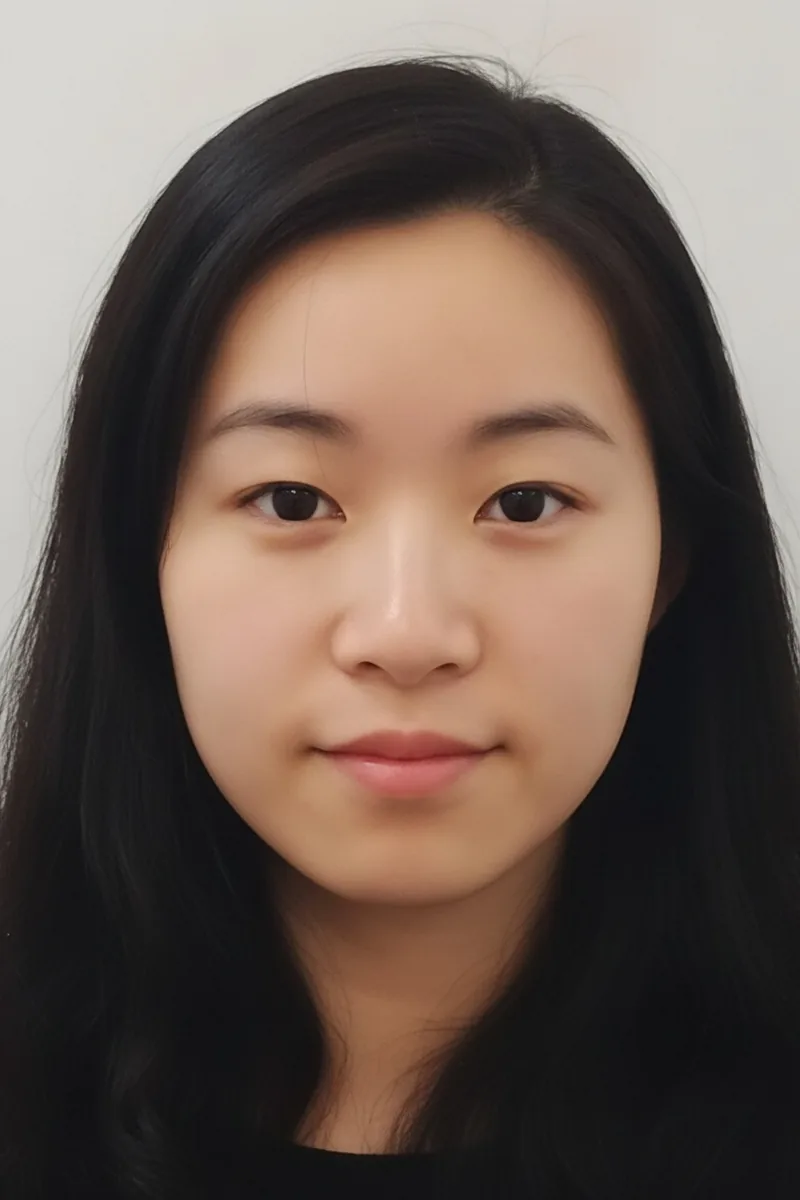
Four levels of Latin study give June deep familiarity with the grammar, syntax, and literary analysis the AP exam demands — from scanning dactylic hexameter in Vergil to unpacking Caesar's rhetorical strategies in De Bello Gallico. Her linguistics interest at Brown adds an extra dimension, connecting Latin constructions to broader patterns in how languages work.

A Classics degree means Leslie didn't just take Latin — she built her entire undergraduate education around the ancient world, reading the same Vergil and Caesar passages that AP students face on exam day. Her coursework through Latin 4 and AP-level material gives her the grammatical depth to walk through tricky constructions like ablative absolutes and purpose clauses, while her 4.9 rating speaks to how well that knowledge translates into actual tutoring sessions.
Grace lists AP Latin among her subjects and has studied the language, but her strongest academic foundation is in political science and government — so she's at her best coaching the essay and analytical portions of the exam, where students need to argue how Caesar or Vergil uses rhetoric and structure to achieve a purpose. Her 1570 SAT reflects the close-reading precision that transfers well to unpacking Latin passages under timed conditions.
Paul's strongest academic ground is math and science, but he's studied Latin through multiple levels and brings a test-taker's edge to the AP exam — his 1570 SAT reflects the kind of precise, careful reading that pays off when you're parsing Vergil's tangled word order under timed conditions. He approaches translation passages almost like logic puzzles, teaching students to lock onto grammatical signals like case endings and verb moods before worrying about polished English.
AP Latin's exam asks students to do more than translate — they need to analyze Vergil's and Caesar's rhetorical strategies, scan dactylic hexameter, and write sight-reading commentary under time pressure. Vivian's Classics minor at Fordham immersed her in exactly these texts and techniques. She breaks down complex grammatical constructions like ablative absolutes and indirect discourse so students build genuine reading speed.
Katherine's psychology major gives her an unusual angle on the AP Latin essays — when students need to analyze how Vergil manipulates emotion or how Caesar constructs persuasive narratives, understanding human motivation becomes a genuine asset. She's studied Latin and brings that foundation to translation work, though her real strength is coaching the free-response section where rhetorical analysis and clear argumentative writing determine the score.
Reading Vergil's Aeneid and Caesar's Bellum Gallicum at AP speed requires more than vocabulary — it means parsing ablative absolutes, indirect discourse, and fear-of-the-subjunctive moments without losing the thread of the narrative. Alex studied Classics as an undergraduate and reads Latin fluently, so he can walk students through both the grammatical architecture and the literary analysis the AP exam demands.
Studying at Yale with Latin on his transcript and an SAT score of 1500, Stephen brings sharp reading comprehension instincts to the AP Latin texts — skills that transfer directly to unpacking Caesar's dense periodic sentences and Vergil's hyperbatic word order. His psychology background also gives him an edge when coaching students through the essay prompts, since analyzing an author's intent to persuade or evoke emotion is as much about understanding human motivation as it is about grammar.
Rebecca is a Classics major who reads Vergil and Caesar daily as part of her undergraduate coursework — the exact texts the AP Latin exam tests. That immersion, combined with her applied psychology training, means she understands both the Latin on the page and how to adjust her explanations when a student's grasp of something like indirect discourse or scansion isn't solidifying. Rated 5.0 by students.
Philosophy trained Daniel to read dense, argumentative texts with precision — a skill that translates directly to unpacking Caesar's rhetorical strategies and Vergil's syntactic inversions on the AP Latin exam. He's studied Latin through four levels, so he's comfortable with the grammar, but his real edge is teaching students how to construct the kind of tightly reasoned free-response essays that earn top marks. Rated 4.9 by students.
Catherine earned her MA in Latin, which means she's read Caesar and Vergil not just for exams but as the center of her graduate research — the kind of deep textual familiarity that lets her explain why a subjunctive shift matters for meaning, not just how to identify it. She's particularly effective at training students to handle the timed translation passages, where recognizing periodic sentence structure quickly is often the difference between finishing and running out of time. Rated 5.0 by students.
While Latin isn't John's primary teaching area, his English and drama training sharpens the close-reading and rhetorical analysis skills that AP Latin's essay and free-response sections demand — particularly when students need to discuss how Vergil or Caesar construct persuasive or dramatic moments in their texts. His experience with literature and writing gives him a practical angle on the interpretive side of the exam.
Testimonials
Because the right AP Latin tutor makes all the difference.
Average Session Rating – Based on 3.4M Learner Ratings
Practice AP Latin
Free practice tests, flashcards, and AI tutoring for AP Latin
Nearby AP Latin Tutors
Other Mission Viejo Tutors
Related Languages Tutors in Mission Viejo
Frequently Asked Questions
AP Latin focuses on reading and analyzing Latin texts, primarily selections from Virgil's Aeneid and Caesar's Gallic Wars. The exam tests your ability to translate passages, understand grammar and syntax, answer comprehension questions, and demonstrate knowledge of Roman culture and history. Most students spend the year building vocabulary, mastering complex grammatical structures, and developing strategies for sight-reading unfamiliar Latin passages under timed conditions.
Many students struggle with the sheer volume of vocabulary and complex sentence structures required for fluency in classical Latin. The timed nature of the exam—especially the translation section—creates pressure that can affect performance even for well-prepared students. Additionally, understanding the cultural and historical context of the texts is essential for answering comprehension questions accurately, which requires studying beyond just grammar and vocabulary.
Expert tutors can identify your specific weak areas—whether that's verb conjugations, subjunctive clauses, or cultural knowledge—and create a focused study plan to address them. They can provide intensive practice with sight-reading passages, teach strategic approaches to tackling the exam sections, and build your confidence through targeted feedback. For students in Mission Viejo, personalized 1-on-1 instruction means you get a customized pace that matches your learning style, rather than moving at a class pace that may not serve you.
Score improvement depends on where you're starting and how consistently you engage with tutoring. Students who begin with a strong foundation and work with a tutor for 2-3 months often see meaningful gains, while those starting further behind may need longer to build the vocabulary and grammar skills required. The most significant improvements typically come from targeted practice on exam-style questions and developing efficient translation strategies that save time during the test.
Most AP Latin students benefit from consistent weekly study, ideally combining tutoring sessions with independent practice. A typical schedule might include one or two tutoring sessions per week (1-2 hours total) plus 3-5 hours of independent study, including vocabulary review, grammar practice, and passage translation. The timeline matters too—starting preparation 3-4 months before the May exam gives you adequate time to build skills incrementally rather than cramming, which is particularly important for a language-heavy subject like Latin.
Varsity Tutors connects you with tutors who have deep expertise in AP Latin curriculum and exam strategy. When you reach out, you'll be matched with someone experienced in helping students master classical texts, develop translation skills, and build test-taking confidence. The matching process considers your specific needs—whether you're aiming for a 3 or a 5, or need help with particular grammar concepts—to ensure you get personalized support tailored to your goals.
Test anxiety in AP Latin often stems from time pressure and fear of encountering unfamiliar vocabulary. Expert tutors can help by teaching you strategic approaches like identifying the main idea before translating word-for-word, and practicing with timed sections so you develop confidence in your pacing. Building familiarity with the exam format through repeated practice tests is one of the most effective ways to reduce anxiety—when you know what to expect and have practiced under similar conditions, the actual test feels less intimidating.
Your first session is focused on understanding where you stand and what you need. Your tutor will likely assess your current Latin skills through a brief translation exercise or discussion, ask about your goals (target score, timeline, specific challenges), and learn about your learning style. From there, they'll outline a personalized plan that addresses your priorities, whether that's building foundational grammar knowledge, improving translation speed, or mastering test-taking strategies.
Let’s find your perfect tutor
Answer a few quick questions. We’ll recommend the right plan and match you with a top 5% tutor.