Award-Winning Spanish Tutors
serving Chicago, IL
Spanish
Tutors in Chicago
Private 1-on-1 tutoring, weekly live classes for academic support, test prep & enrichment, practice tests and diagnostics, and more to elevate grades and test scores.
Based on 3.4M Learner Ratings
UniversitiesSchools & Universities
DeliveredHours Delivered
ProficiencyGrowth in Proficiency
Who needs tutoring?
No obligation. Takes ~1 minute.
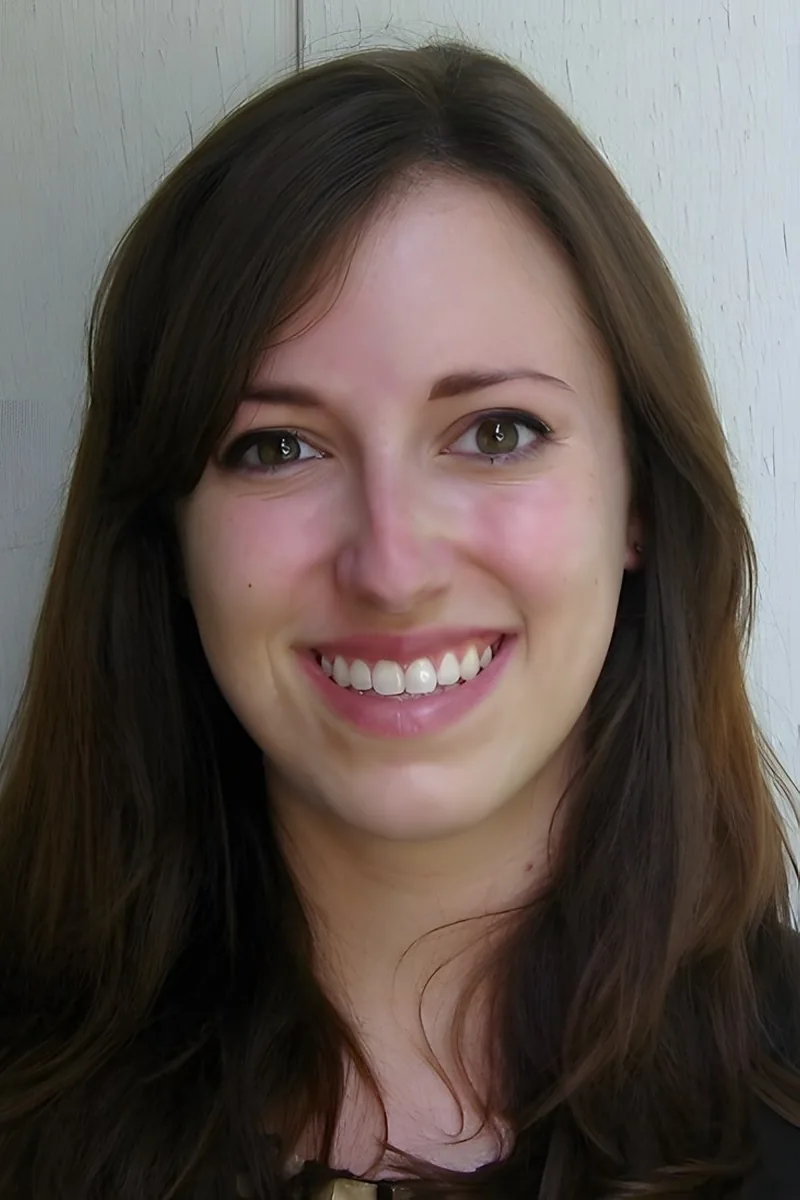
Having studied Spanish as part of her undergraduate degree, Elena brings both academic grammar knowledge and real conversational fluency to lessons. She digs into tricky areas like subjunctive mood triggers, ser versus estar distinctions, and preterite-imperfect contrasts — the concepts that separate intermediate learners from truly proficient speakers.
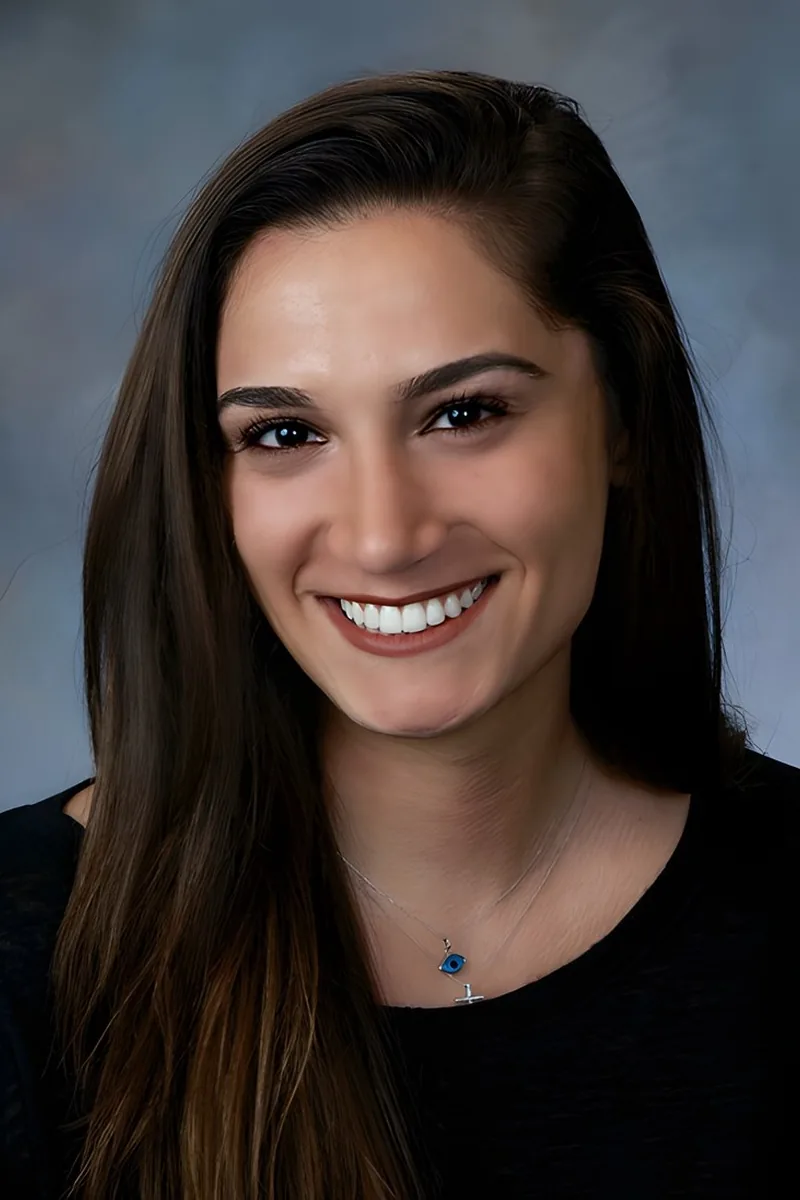
From Spanish 1 verb conjugations through Spanish 4 literary analysis, Pinelopi has tutored every level of the language and knows exactly where students tend to stall — usually around the subjunctive mood and indirect object pronouns. She breaks these tricky structures down into patterns that stick, building real fluency rather than rote translation skills.
Having studied Spanish formally at Columbia University and earned a degree in the subject, Molly approaches the language through both grammar mechanics and real-world usage. Whether a student is working through verb conjugation patterns, navigating subjunctive mood, or building reading comprehension skills, she connects each concept to practical communication so the rules actually stick.
Studying at the Horace Mann School in New York City meant Ethan took Spanish alongside a rigorous academic curriculum, and his current economics and public policy coursework at UChicago keeps him reading and analyzing across disciplines — skills that transfer directly to parsing Spanish texts and constructing grammatically sound written responses. He's particularly sharp at breaking down the logic behind ser versus estar or preterite versus imperfect, treating tricky distinctions as puzzles with clear rules rather than exceptions to memorize.
Earning a Spanish degree from Northwestern means Jack didn't just study grammar tables — he read García Márquez, analyzed film, and engaged with the language across literary and cultural contexts. He connects verb conjugations and subjunctive mood to real usage so that concepts like ser versus estar or por versus para feel intuitive rather than arbitrary.
Learning Spanish verb conjugations in isolation rarely sticks — Gabriel instead anchors grammar concepts like the subjunctive and preterite/imperfect distinction in real reading passages and conversation so students see how the language actually works. His background spans Spanish 2 through AP-level coursework, and his humanities PhD at the University of Chicago keeps him immersed in multilingual scholarship.
Statistics training at the University of Chicago means Dylan spends his days looking for structure in data — a habit that transfers surprisingly well to cracking Spanish grammar, where rules around conjugation and agreement follow their own internal logic. He also tutors Spanish 2, so he's comfortable pushing students past the basics into territory like preterite vs. imperfect and more complex sentence construction.
Dual citizenship with the US and Chile means Camilla grew up speaking Spanish at home while also studying the language formally through college — a combination that lets her explain both the textbook rules and the way native speakers actually bend them. She's particularly strong on the literary and cultural side, connecting vocabulary and grammar to the traditions of Spanish-speaking countries in ways that give students real context for what they're learning. Her summa cum laude undergraduate work and current law studies at Washington University in St. Louis sharpen the analytical precision she brings to everything from accent rules to essay-level composition.
Years of tutoring Spanish to students ages 3 through 18 gave Zo an instinct for where learners get stuck — verb conjugation patterns, ser versus estar, the subjunctive mood. She adapts quickly between someone struggling with basic present-tense forms and a student ready to tackle complex grammar, keeping lessons grounded in real usage rather than rote charts.
Ilana covers Spanish at the introductory and intermediate levels, with particular attention to verb conjugation patterns, pronoun usage, and sentence construction. Her approach leans on structured practice — breaking grammar rules into logical systems rather than expecting students to absorb them through repetition alone. A background in cognitive science also gives her insight into how language acquisition actually works in the brain.
Double-majoring in Spanish at Emory and then living in Spain gave Richard the kind of fluency that makes grammar intuitive rather than mechanical. He reads and writes at a high-proficiency level and breaks down tricky concepts like ser versus estar, preterite versus imperfect, and subjunctive triggers in ways that stick because they're grounded in how native speakers actually think about the language.
Alan teaches Spanish across multiple levels, from introductory conjugation patterns through advanced grammar structures like the subjunctive mood and compound tenses. His analytical mindset — sharpened by a math background — turns Spanish grammar into a logical system rather than a pile of rules to memorize.
As a native Spanish speaker studying at UChicago, Allison brings an intuitive grasp of verb conjugations, gendered nouns, and the subtle differences between ser and estar that trip up so many learners. She connects grammar rules to how Spanish is actually spoken, making concepts like the subjunctive mood feel less arbitrary and more logical.
Sociology trained Evan to read cultures as systems of meaning — shared norms, power dynamics, unspoken codes — which turns out to be a useful lens for understanding how Spanish grammar and vocabulary carry cultural weight beyond their dictionary definitions. He also teaches through Spanish 4, so he can take students from foundational conjugation all the way through advanced reading and composition. Rated 5.0 by students.
As a Teach For America corps member teaching Spanish in Baltimore City Public Schools, Michael lives this language daily — in lesson planning, classroom instruction, and real conversation. He tackles everything from verb conjugation patterns in the preterite and imperfect to building the reading comprehension skills students need to engage with authentic Spanish texts. His BA in Spanish means he can explain the grammar rules and cultural context behind the language, not just drill flashcards.
Theater training at the University of Chicago means Andrew learned languages the way actors do — by inhabiting them, finding the rhythm of a phrase, and committing dialogue to muscle memory. He teaches Spanish through that same embodied approach, making verb conjugations and conversational patterns stick by tying them to real spoken contexts rather than worksheets. Rated 4.9 by students.
Daniel teaches Spanish from level one through advanced coursework, covering verb conjugation, sentence structure, and reading comprehension in a sequence that builds real fluency rather than isolated vocabulary lists. His structured approach — honed through years of academic coaching — keeps grammar concepts like the subjunctive mood and preterite-versus-imperfect distinction from feeling arbitrary.
Learning Spanish sticks when grammar and vocabulary connect to something you actually care about — a song, a news article, a conversation about food or travel. Iris uses her anthropology background to weave cultural context into lessons, so verb conjugations and pronoun usage feel purposeful rather than abstract. She's tutored students across a wide age range and adjusts her approach depending on whether someone is building basics or preparing for advanced coursework.
Learning a language is a lot like fieldwork — you have to pay attention to patterns, context, and the cultural logic behind how people actually speak. Araxie's linguistics training at the University of Chicago sharpens her ability to explain Spanish grammar in ways that make sense, from the subjunctive mood to ser versus estar. She's currently learning her fourth language, so she knows firsthand what strategies actually help new vocabulary and verb conjugations stick.
Teaching Spanish across four levels means Shelby has seen the full arc from introductory conjugations to advanced subjunctive usage and literary reading. She tackles grammar as a logical system — similar to how she thinks about chemical structures — so students learn to recognize patterns in verb forms and sentence construction instead of relying on brute memorization.
Ignacio teaches Spanish across multiple levels, from foundational grammar and verb conjugation in the present tense to more complex structures like the subjunctive mood and indirect object pronouns. His approach connects vocabulary and grammar to real conversational contexts so that sentence construction starts to feel intuitive rather than mechanical.
Riya teaches Spanish with an emphasis on building the grammatical scaffolding — verb conjugations, pronoun placement, sentence structure — that lets students actually communicate rather than just memorize vocabulary lists. Her approach ties grammar drills to practical reading and conversation so the rules start to feel intuitive.
Learning Spanish from a native speaker who also studied the language formally means students get both intuitive fluency and clear grammatical explanations. Mercedes breaks down tricky concepts like the subjunctive mood, ser versus estar, and preterite-imperfect distinctions in ways that make the underlying logic click. Her background in Hispanic Studies adds cultural context that textbooks often skip.
Teaching Spanish through Spanish 3, Martina tackles everything from foundational conjugation patterns to subjunctive mood and complex sentence construction. She emphasizes building vocabulary in thematic clusters and practicing verb tenses in conversational contexts so grammar rules actually stick.
Bryson didn't just study Spanish — he earned his bachelor's degree in it, which means he can explain the difference between the subjunctive and the indicative in a way that actually sticks, not just hand over a conjugation chart. He covers everything from foundational vocabulary and grammar to nuanced conversation and literary reading. Rated 5.0 by students.
Learning Spanish grammar often feels like memorizing disconnected rules until someone shows you the underlying patterns — why subjunctive triggers work the way they do, or how direct and indirect object pronouns stack in a sentence. Shelby teaches those structural patterns explicitly so that conjugation tables and pronoun placement start to feel logical rather than arbitrary. She covers everything from present-tense basics through preterite vs. imperfect distinctions.
Building websites in three programming languages by day, Valerie knows what it takes to learn a new syntax from scratch — and she applies that same structured, rule-by-rule approach to teaching Spanish vocabulary, verb forms, and sentence patterns. Her Mass Communications background also means she treats language as a tool for real expression, not just an academic exercise. Rated 5.0 by students.
Because Casey studied Spanish all the way through a PhD program, she understands the grammar architecture — ser vs. estar, subjunctive triggers, preterite-imperfect contrasts — at a level that lets her explain the why behind every rule. She connects vocabulary and structure to real literature and conversation so the language feels alive rather than like a set of conjugation tables.
Studying linguistics at MIT gave Elise a deep understanding of how languages encode meaning differently — something she puts to practical use when teaching Spanish grammar concepts like the subjunctive mood or ser versus estar. She connects new structures to patterns students already recognize, making conjugation tables feel less arbitrary and more logical.
Teaching Spanish across four levels means Veronica can pinpoint exactly where a student's gaps are — whether it's conjugating irregular preterite verbs or finally nailing the difference between ser and estar. Her background in elementary and middle school education gives her a knack for breaking down grammar concepts into steps that actually stick.
Having taught Spanish across four levels, Angelina understands the specific stumbling blocks at each stage — from mastering ser vs. estar to navigating the subjunctive mood in complex clauses. She connects grammar concepts to real cultural contexts, drawing on her background in languages and international travel to make vocabulary and sentence structure feel purposeful rather than abstract.
Teaching Spanish alongside French and Polish, Rafal understands how Romance languages share grammatical DNA — and where they diverge in ways that confuse students. He uses those cross-linguistic patterns to demystify verb conjugations, subjunctive mood, and pronoun placement so learners build intuition instead of relying on rote charts.
Having studied Spanish through advanced coursework alongside her engineering degree at Georgia Tech, Allison treats language learning as a system — breaking down verb conjugation patterns, pronoun placement, and sentence structure into logical steps. She's especially effective at teaching students to internalize grammar rules so they can produce Spanish naturally in conversation and writing, not just on fill-in-the-blank exercises.
Between her anthropology fieldwork background and her own language studies, Olivia approaches Spanish as a living system rather than a set of conjugation tables to memorize. She digs into tricky structural concepts like the subjunctive mood and ser-versus-estar distinctions by connecting grammar rules to how native speakers actually think. Her 5.0 rating speaks to an approach that makes those patterns click.
Learning Spanish means internalizing verb conjugation patterns, pronoun placement, and sentence structure until they feel automatic rather than formulaic. Marijke breaks down tricky concepts like the subjunctive mood and ser-versus-estar distinctions by connecting them to real conversational contexts she's encountered through years of language use. Her anthropology training also means students pick up cultural fluency alongside linguistic accuracy.
Living in Madrid as an English language assistant gave Gauri daily immersion in Spanish — not just classroom grammar but the kind of fluency that comes from navigating a city, reading local news, and thinking in another language. She holds a bachelor's degree with a Spanish major and tackles everything from preterite-vs-imperfect distinctions to subjunctive mood with concrete examples drawn from real conversation.
I'm a junior studying nursing at the University of Illinois at Chicago. I'm currently working towards a BSN degree, and hope to get a DNP (Doctorate of Nursing Practice) in the future. Nursing in itself is a very collaborative major, so my peers and I have spent a lot of time tutoring each other through our tougher courses.
Studying a language in a classroom and actually internalizing its grammar are two different things. Nicholas is currently completing an undergraduate degree in Modern Languages with deep coursework in Spanish, which means he can explain the logic behind subjunctive triggers, ser versus estar distinctions, and pronoun placement in ways that make the rules intuitive rather than arbitrary.
Beth holds a bachelor's degree in Spanish from Auburn, where she graduated summa cum laude, and teaches through Spanish 4 — meaning she's comfortable with everything from preterite vs. imperfect distinctions to subjunctive mood in complex clauses. She connects grammar concepts to real usage patterns so the rules actually stick when students encounter them in reading or conversation.
While Spanish isn't Francesca's primary teaching area, her background in political science and law includes exposure to legal and policy texts across languages. She brings a structured, grammar-first approach to Spanish — verb conjugation patterns, sentence construction, and vocabulary acquisition — that appeals to students who learn best through logical frameworks rather than immersion alone.
Testimonials
Because the right Spanish tutor makes all the difference.
Average Session Rating – Based on 3.4M Learner Ratings
Nearby Spanish Tutors
Other Chicago Tutors
Related Languages Tutors in Chicago
Frequently Asked Questions
Speaking practice is one of the biggest challenges in traditional classrooms, where students often have limited opportunities to speak one-on-one with an instructor. Varsity Tutors connects you with Spanish tutors who dedicate full sessions to conversation, helping you build confidence, work through pronunciation challenges, and develop natural fluency. Regular speaking practice with personalized feedback accelerates progress far more than classroom instruction alone, where the student-teacher ratio in Chicago averages 17.7:1.
Verb conjugation is one of the most common pain points for Spanish learners, but it becomes manageable with structured practice and clear explanations of patterns. Expert tutors break down verb tenses systematically, show you how conjugations work across different contexts, and use spaced repetition to help the patterns stick. Rather than memorizing endless lists, you'll learn the underlying rules and apply them in real conversations, which makes the learning stick much longer.
Vocabulary retention improves dramatically when new words are learned in context and used actively in conversation rather than through isolated flashcard drills. Tutors for students in Chicago use retrieval practice—asking you to recall and use words in different contexts—which strengthens memory pathways. They'll also help you connect vocabulary to real-world situations and cultural contexts, making words more meaningful and memorable.
Yes—pronunciation and accent work are areas where personalized 1-on-1 instruction makes a real difference. A tutor can listen to your pronunciation, identify specific sounds that need work (like the Spanish 'r' or the distinction between 'z' and 'c'), and give you targeted exercises to refine them. Hearing yourself corrected in real-time and practicing with immediate feedback helps you adjust your mouth position and intonation much faster than self-study.
The most effective approach combines both: understanding grammar rules gives you a framework, but natural usage teaches you how native speakers actually communicate. Expert tutors balance explicit grammar instruction with conversational practice, so you learn why a structure works and how it sounds in real speech. This blend helps you move beyond textbook Spanish to speak and understand Spanish as it's actually used.
Learning Spanish without cultural context can feel disconnected and harder to retain. Tutors integrate cultural elements—regional differences, idioms, media, and customs—into lessons, which deepens your understanding and makes learning more engaging. This immersion-style approach helps you appreciate the nuances of the language and builds stronger connections between words, phrases, and real-world meaning.
Your first session is focused on understanding your goals, current level, and learning style. A tutor will assess your strengths in reading, writing, speaking, and listening to identify where to focus. You'll discuss what brought you to Spanish—whether it's a class requirement, travel, career goals, or personal interest—so the tutor can tailor lessons to match your priorities and keep you motivated.
Yes. Varsity Tutors connects you with tutors who are familiar with Spanish instruction across Chicago's 12 school districts and understand both AP Spanish, IB Spanish, and standard high school and middle school curricula. Whether you need help with a specific unit, test prep, or general fluency building, tutors can align their instruction with what you're learning in class and help you move ahead.
Let’s find your perfect tutor
Answer a few quick questions. We’ll recommend the right plan and match you with a top 5% tutor.