Award-Winning Python Tutors
serving Richmond, VA
Python
Tutors in Richmond
Private 1-on-1 tutoring, weekly live classes for academic support, test prep & enrichment, practice tests and diagnostics, and more to elevate grades and test scores.
Based on 3.4M Learner Ratings
UniversitiesSchools & Universities
DeliveredHours Delivered
ProficiencyGrowth in Proficiency
Who needs tutoring?
No obligation. Takes ~1 minute.
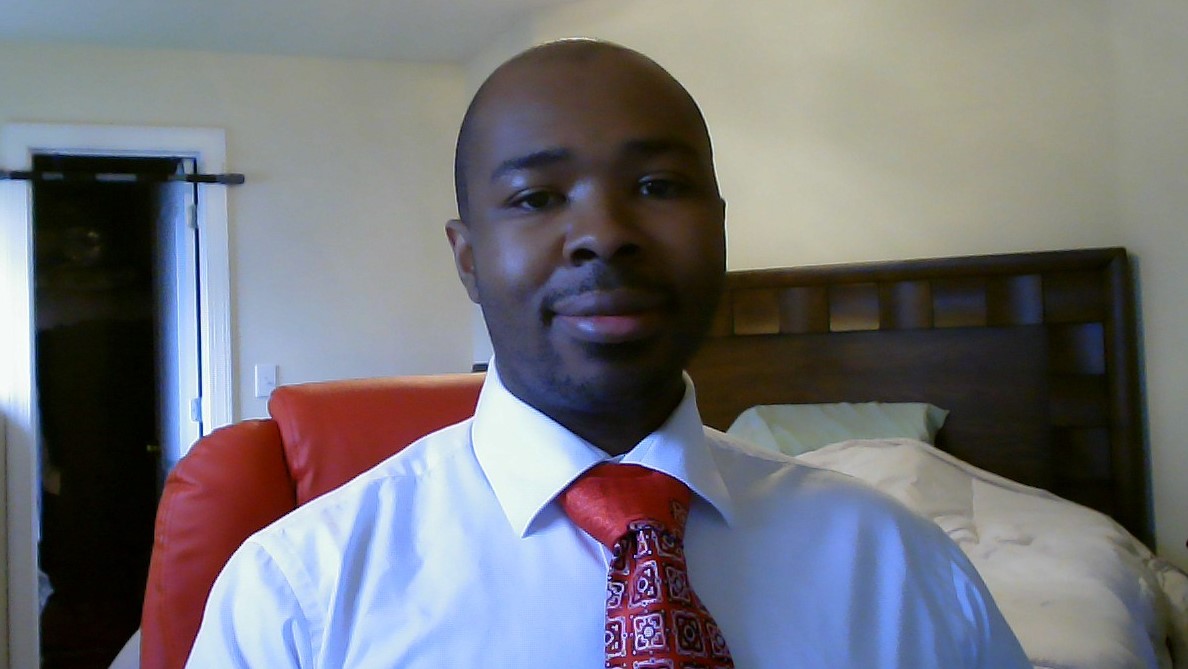
I have been coaching students to their best performance in math for seven years. I am fluent in all levels of math, primary, secondary, and freshman/sophomore university level. I am also fluent with the mathematics which one may find on the ACT, SAT, GRE, ASVAB, CLEP test and most standardized test. My background in Engineering also gives me a level of confidence with computer science and general sciences such as physics and chemistry. I have over a year of study in each myself. Overall, I have had much success working with students in various languages and levels of computer programming.
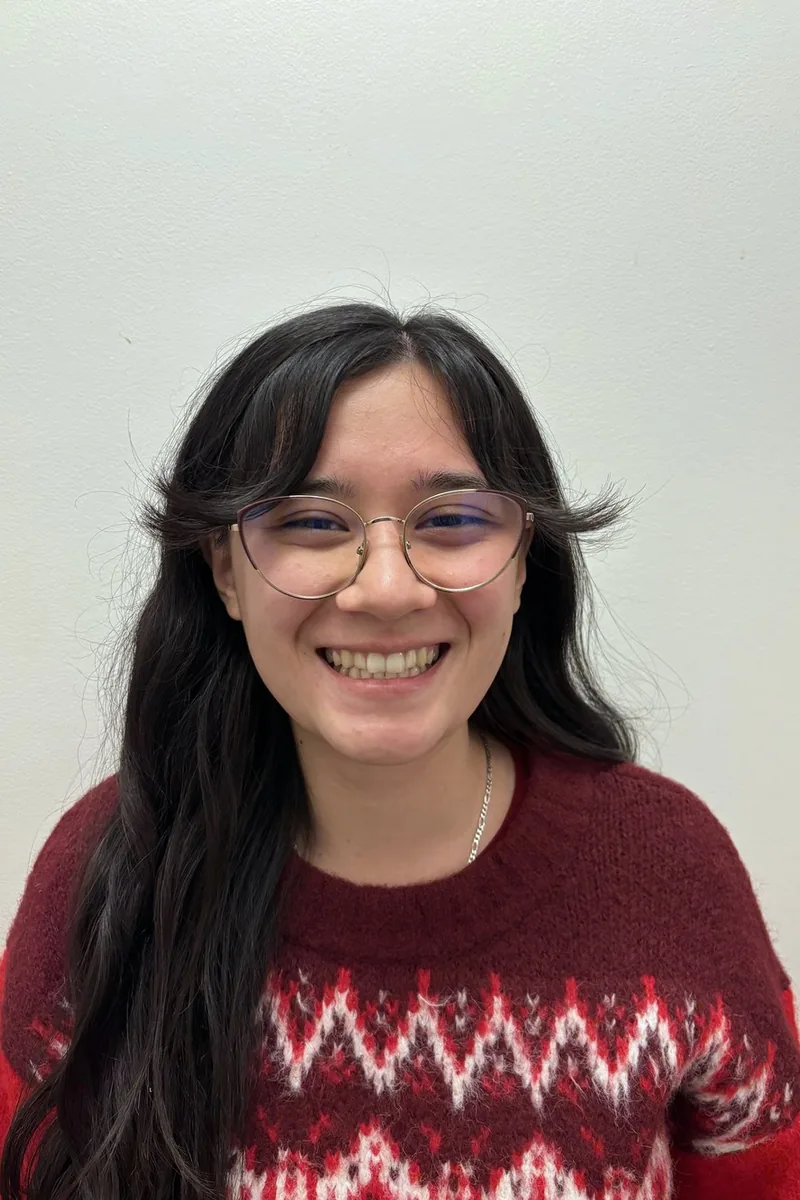
Hello, I currently work in an experimental quantum optics lab and will be enrolled in a quantum computing Ph.D. program at Rice University Fall 2026. I have been an employed tutor at my college (William and Mary) and during my high school career at the Governor's School at Innovation Park for 4 years. I struggled in my first physics class at George Mason University through my Governor's school as a junior in high school, but spent hours restructuring how I learned and approached problems to reach success! Physics and math are my true passions and I cannot wait to use the valuable lessons and strategies I learned to help and support you in your academic journey. William and Mary GPA - 3.95 B.S. in Physics (honors) - 4.0 770 on math SAT 5 on AP Calculus BC exam Experience with Pearson Physics textbook and Griffiths
Python's readable syntax makes it a great first language, but students still struggle when they hit list comprehensions, file I/O, or debugging recursive functions. Brice has taught Python to beginners as young as middle school and to college peers working on more advanced projects. He walks through each concept by writing real code alongside students rather than lecturing from slides.
Studying computer science at Rice, William writes Python not just for coursework but as his go-to tool for math-heavy projects — which means he can teach students to think algorithmically while picking up syntax along the way. He's especially good at bridging the gap for students who already think logically through math but freeze up when translating that logic into code with conditionals, loops, and functions.
Annie uses Python daily in her biomedical engineering work at Cornell, from writing scripts to analyze immunotherapy research data to building computational models in MATLAB and Python side by side. She teaches core concepts like loops, functions, data structures, and libraries such as NumPy by connecting them to real problems — not just abstract exercises.
Python's simplicity makes it a great first language, but students still get tripped up by list comprehensions, object-oriented design, and debugging logic errors they can't quite see. Corrina writes Python regularly and teaches it by building small projects — from data analysis scripts to simple games — so each new concept has an immediate, visible purpose.
Between hackathons, robotics challenges, and neuroscience research at Brown, June has used Python for everything from scripting quick data analyses to building full project prototypes. She teaches the language the way she learned it — by solving real problems — so students pick up not just syntax but habits like writing readable functions, using libraries effectively, and debugging without panic.
Python's readability makes it a great first language, but students still stumble on list comprehensions, recursion, and knowing when to use dictionaries versus lists. Kiran uses Python across both his physics simulations and his CS coursework at Stony Brook, so he can teach it from the basics of control flow all the way through libraries like NumPy and Pandas for data analysis.
Pratik's subject list is heavy on science and math — AP Chemistry, AP Biology, college physics — which means he picked up Python the way most STEM students do: writing scripts to process data, automate calculations, and solve problems that would take forever by hand. That practical entry point lets him teach core concepts like loops, conditionals, and functions through tasks students can immediately see the purpose of, rather than abstract exercises disconnected from anything real.
Learning Python is less about memorizing syntax and more about thinking through problems step by step — how to structure a loop, when to use a dictionary versus a list, why your function returns None instead of a value. Harry uses Python in his economics and math coursework for data analysis and modeling, so he teaches it with practical applications rather than abstract exercises. He walks through debugging methodically, turning error messages into learning moments.
As experienced and passionated educator with a Bachelor's degree in Computer Science from Rice University, I am passionate about empowering students to achieve their academic goals. With over 3 years of tutoring experience in subjects such as AP Computer Science A, Machine Learning, and SAT Math, I adapt to different learning styles and create a supportive learning environment. My teaching philosophy centers on personalized instruction, where I connect with each student to understand their unique learning styles and challenges. I take pride in guiding students through the complexities of computer science and college application essays, equipping them with the skills they need for future success. Outside of tutoring, I enjoy exploring new technologies and engaging in coding projects to improve my teaching approach.
Materials engineering PhD research generates mountains of experimental data, and Nivedina writes Python scripts to process, plot, and make sense of it all — from automating repetitive file parsing to running statistical analyses on lab results. That science-driven coding background means she teaches core concepts like loops, conditionals, and data structures through tasks that solve actual problems, not toy examples. Her chemistry training adds another layer, since students working on scientific computing or data cleanup get a tutor who genuinely understands the data they're handling.
As a statistics graduate student, Evan writes Python daily — building data pipelines, running simulations, and using libraries like pandas and NumPy for real analysis. He teaches programming the way he learned it: by solving actual problems, so students understand not just syntax but why specific data structures and control flows matter.
From writing your first for-loop to building out functions with libraries like NumPy or pandas, Python rewards clear logical thinking — which is exactly what a dual math-and-CS major trains for. Sabira breaks down concepts like list comprehensions, recursion, and file I/O so students understand the reasoning behind each line of code, not just the output.
Testimonials
Because the right Python tutor makes all the difference.
Average Session Rating – Based on 3.4M Learner Ratings
Other Richmond Tutors
Related Technology and Coding Tutors in Richmond
Frequently Asked Questions
Absolutely. Python is widely considered the best first programming language because its syntax is clean and readable, letting you focus on learning logic rather than wrestling with complicated grammar. Many Richmond schools use Python in their computer science curricula, and it's the foundation for everything from web development to data science and artificial intelligence.
Most students struggle with three key areas: understanding the difference between syntax (how you write code) and logic (what the code actually does), debugging errors effectively, and thinking algorithmically to solve problems step-by-step. Many also find data structures like lists and dictionaries confusing at first. Personalized 1-on-1 instruction helps you work through these specific pain points with immediate feedback and explanation.
Expert tutors work directly with you on real coding projects, reviewing your code, explaining errors, and showing you better approaches. Rather than just watching tutorials, you're actively writing code, making mistakes in a safe environment, and getting instant guidance on how to fix them. This practice-based approach builds confidence and genuine understanding much faster than self-study alone.
Error messages are intentionally detailed, but they take practice to read and interpret. A tutor can teach you systematic debugging strategies—like reading error messages carefully, using print statements to track variable values, and testing small pieces of code in isolation. Once you develop these habits, you'll solve problems independently instead of feeling stuck every time something goes wrong.
Yes—Python is used for web development (Django, Flask), data science (pandas, NumPy), game development (Pygame), automation, and more. If you're unsure which path interests you, tutors can help you explore different applications and projects to discover what excites you most. Starting with core Python fundamentals gives you a strong foundation to specialize later.
Your first session focuses on understanding your current level, learning goals, and specific challenges. A tutor will assess whether you're starting from scratch or building on existing knowledge, discuss what you want to build or achieve with Python, and create a personalized plan. You'll likely work on some actual coding to identify exactly where you need support.
Definitely. Richmond's school districts use Python across their computer science programs, and tutors understand these curricula well. Whether you're working through your class assignments, preparing for AP Computer Science Principles, or trying to master specific concepts your teacher covered, personalized instruction fills gaps and accelerates your understanding of exactly what your course requires.
Progress in programming is concrete—you'll write code that doesn't work, then code that does. You'll solve problems that seemed impossible weeks earlier, debug errors faster, and build increasingly complex projects. Tutors track this by reviewing your code quality, your ability to explain your logic, and your confidence tackling new challenges independently.
Let’s find your perfect tutor
Answer a few quick questions. We’ll recommend the right plan and match you with a top 5% tutor.