Award-Winning Psychology Tutors
serving Chicago, IL
Award-Winning
Psychology
Tutors in Chicago
Private 1-on-1 tutoring, weekly live classes for academic support, test prep & enrichment, practice tests and diagnostics, and more to elevate grades and test scores.
Based on 3.4M Learner Ratings
UniversitiesSchools & Universities
DeliveredHours Delivered
ProficiencyGrowth in Proficiency
Who needs tutoring?
No obligation. Takes ~1 minute.
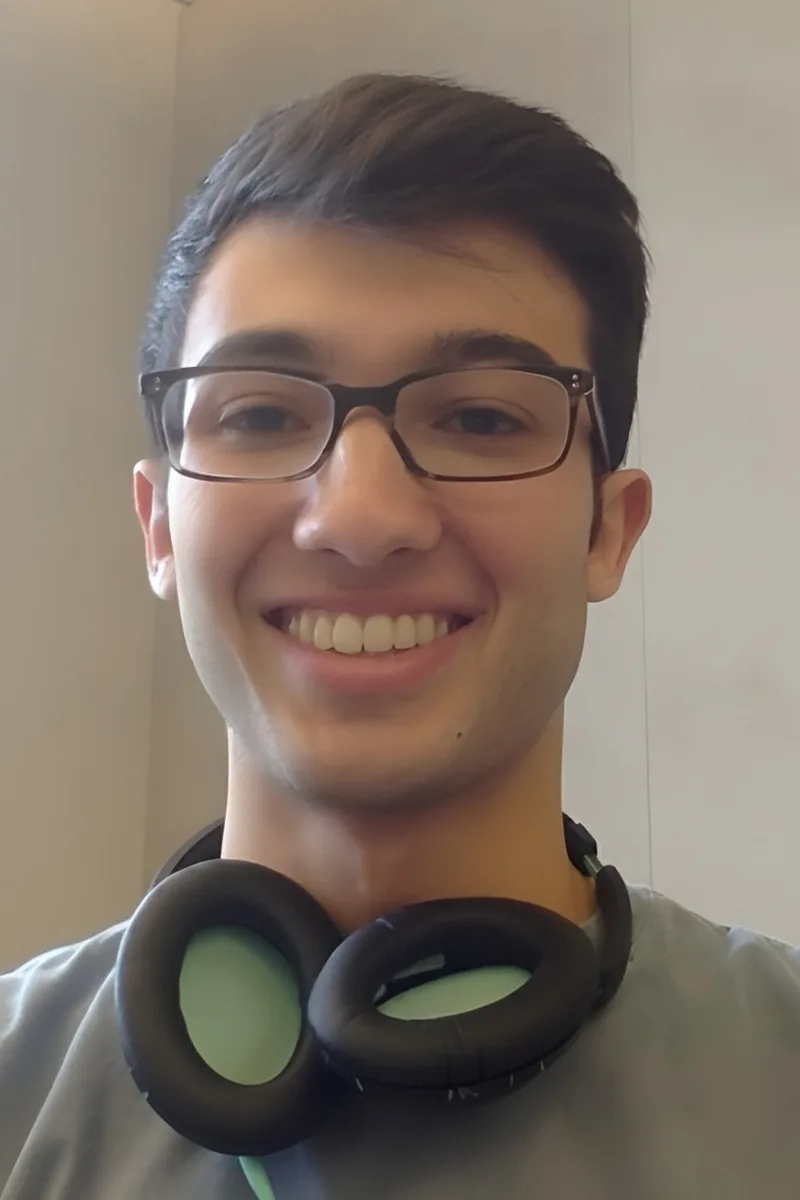
Studying Human and Organizational Development at Vanderbilt means Zac lives in the overlap between psychology and real-world behavior — motivation theory, group dynamics, cognitive biases. He breaks down concepts like operant conditioning or Piaget's stages by connecting them to everyday situations students already recognize, making retention far more natural than rote flashcard review.
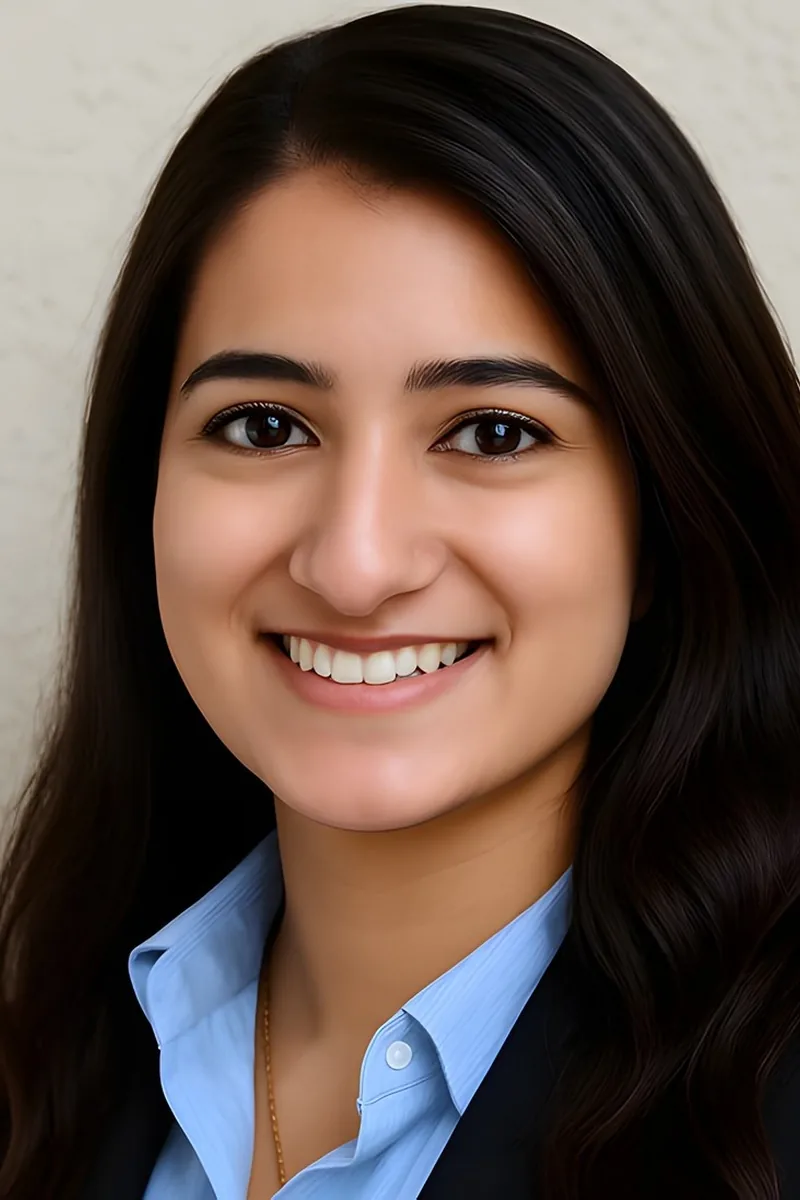
Karishma earned her bachelor's degree with a focus in psychology, giving her direct familiarity with concepts like classical conditioning, cognitive development theories, and the biological bases of behavior. She breaks down dense research methods and statistical reasoning in ways that make experiment design and data interpretation click. Rated 5.0 by students.
Neuroscience and psychology share a border, and Jhonatan lives right on it — his biology specialization in neuroscience means he can unpack the biological underpinnings behind concepts like classical conditioning, memory formation, and psychopharmacology with real depth. For students in introductory or AP Psychology, he connects abstract theories to the neural mechanisms that make them concrete and easier to retain.
Graduate-level public health training at George Washington University means Nicki spent significant time studying the behavioral and psychological factors that drive health outcomes — stress responses, habit formation, decision-making under uncertainty, and how social environments shape individual behavior. She unpacks psychology concepts by tying them to the real-world health contexts where they actually matter, which makes topics like motivation, learned helplessness, and biopsychosocial models click faster. Rated 5.0 by students.
Studying psychology at the University of Illinois Chicago means Kheya isn't just teaching from a textbook — she's actively immersed in the material, from research methods and statistical analysis to theories of cognition and behavior. She unpacks dense concepts like classical conditioning, cognitive biases, and the DSM framework by tying them to real-world examples students can actually remember. That firsthand academic experience makes a real difference when exam prep gets intense.
Saneha earned her bachelor's degree in Psychology from the University of Illinois at Chicago before going on to medical school, so she knows the subject from both the research side and the clinical side. Whether it's distinguishing classical from operant conditioning, unpacking Erikson's stages, or interpreting experimental design, she connects textbook theory to real-world applications that make the material click.
Having studied both public policy and psychology at the University of Chicago, Brandon learned the discipline from both sides — the theoretical frameworks in the classroom and how those principles actually shape real-world decision-making in policy contexts. He unpacks topics like behavioral motivation, cognitive development, and research methodology by tying them to concrete examples of how psychological findings influence the systems students interact with every day.
Felix's microbiology training means he's already fluent in the biological machinery that underpins psychology's toughest unit — neurons, neurotransmitters, synaptic transmission, and how brain structure shapes behavior. But he also teaches AP Psychology's softer side, connecting concepts like classical conditioning and developmental theory back to the biological mechanisms that drive them. Holds a 5.0 rating from students.
Anna earned her bachelor's in psychology from Franklin and Marshall College and is now completing a clinical social work master's at the University of Chicago with a concentration in pediatric psychiatry. That combination means she can walk through everything from foundational concepts like operant conditioning and Piaget's stages to more advanced material on psychopathology, research methods, and neuroscience. She teaches psychology as a science, not just a vocabulary list.
Rebecca's psychology expertise is grounded in a BA from Northwestern and ongoing graduate study in social work at UChicago, which means she can connect textbook concepts — classical conditioning, cognitive development, abnormal psych — to real clinical and research contexts. She's especially sharp on the research methods side, teaching students to evaluate experimental design, identify confounding variables, and interpret statistical findings.
As a current psychology instructor at Colorado Technical University with advanced training from Loyola and the University of Chicago, Jan teaches this subject every day — from foundational concepts like operant conditioning and cognitive development to research methods and statistical interpretation. He's particularly sharp at explaining the theoretical frameworks (behavioral, cognitive, psychodynamic) that students need to compare and apply on exams and in research papers.
Hannah studied psychology as part of her pre-med track, which means she teaches concepts like classical conditioning, cognitive development, and abnormal psych with the scientific rigor they deserve — not just as vocabulary lists. Her background working directly with diverse populations adds real-world texture to topics like social psychology and behavioral disorders that textbooks alone can't provide.
Testimonials
Because the right Psychology tutor makes all the difference.
Average Session Rating – Based on 3.4M Learner Ratings
Nearby Psychology Tutors
Other Chicago Tutors
Related Social Sciences Tutors in Chicago
Frequently Asked Questions
Psychology courses for students in Chicago generally follow state standards and typically include units on research methods, biological bases of behavior, sensation and perception, learning and conditioning, memory, cognition, motivation and emotion, personality theories, psychological disorders, and treatment approaches. High school AP Psychology courses align with the College Board curriculum, while introductory psychology courses in middle school focus on foundational concepts like how the brain works, emotions, and social behavior. The specific topics and depth depend on your student's grade level and course type, which personalized tutoring can address directly.
Many students in psychology struggle with three main areas: understanding complex theories and how they differ (like psychoanalytic vs. behavioral approaches), remembering the extensive vocabulary and research studies required for exams, and applying psychological concepts to real-world scenarios. Students also often find it challenging to grasp statistical concepts in research methods and to distinguish between correlation and causation. Personalized tutoring focuses on these pain points by breaking down theories into memorable frameworks, using active recall strategies for terminology, and working through practice problems that strengthen conceptual understanding rather than relying on passive review.
In a typical classroom, teachers must pace instruction for 20+ students with varying needs—which can mean moving too quickly for some students or not deeply enough for others. With personalized 1-on-1 instruction, a tutor can identify exactly where your student struggles (whether it's understanding neurotransmitter function or organizing essay responses), spend focused time on those gaps, and adjust explanations to match their learning style. Research on personalized learning shows that customized instruction significantly improves both comprehension and retention compared to whole-class pacing, especially in conceptually dense subjects like psychology where students benefit from varied explanations and targeted practice.
AP Psychology success requires understanding ~100 key terms, major research studies, and theoretical approaches, plus the ability to apply concepts to novel scenarios. Effective preparation typically includes creating organized study materials that connect related concepts (like different learning theories), practicing released exam questions to understand the test format and common question types, and doing timed practice essays to build speed and clarity. Many students benefit from working with a tutor who can identify which units need reinforcement, explain concepts that the textbook doesn't clarify, and provide feedback on practice responses. Typical exam performance ranges from scores of 1-5, with many Chicago students achieving 3s and 4s with focused preparation.
Varsity Tutors connects you with tutors who have demonstrated expertise in psychology and understand the specific curriculum students in Chicago encounter. When getting matched with a tutor, you can specify your focus area—whether that's general psychology fundamentals, AP Psychology exam preparation, or specific units like abnormal psychology or research methods. Tutors review your student's current level and goals, then tailor their teaching approach accordingly. You can discuss your student's learning style and schedule preferences to ensure a good fit for personalized 1-on-1 instruction.
Psychology requires active engagement rather than passive reading. Effective strategies include the Feynman Technique (explaining concepts in simple terms to identify gaps), creating concept maps that show connections between theories, using spaced repetition for terminology and studies, and practice testing with questions in various formats (multiple choice, short answer, essay). Many students also benefit from real-world application—connecting psychological concepts to current events, personal experiences, or case studies. A tutor can guide your student in developing these evidence-based strategies and provide immediate feedback on practice work, which accelerates improvement more than studying alone.
Many students begin to see noticeable improvement in understanding and grades within 3-4 weeks of consistent personalized tutoring, particularly when addressing specific weak areas like theory comprehension or exam technique. More significant progress—such as improving from a C to a B, or boosting an AP exam score—typically requires 2-3 months of regular sessions combined with student effort between sessions. The timeline depends on factors like your student's starting point, how frequently they receive instruction, and how actively they engage with practice materials. A tutor can establish clear goals and track progress to keep your student motivated and on track.
Let’s find your perfect tutor
Answer a few quick questions. We’ll recommend the right plan and match you with a top 5% tutor.