Award-Winning Psychology Tutors
serving Austin, TX
Psychology
Tutors in Austin
Private 1-on-1 tutoring, weekly live classes for academic support, test prep & enrichment, practice tests and diagnostics, and more to elevate grades and test scores.
Based on 3.4M Learner Ratings
UniversitiesSchools & Universities
DeliveredHours Delivered
ProficiencyGrowth in Proficiency
Who needs tutoring?
No obligation. Takes ~1 minute.
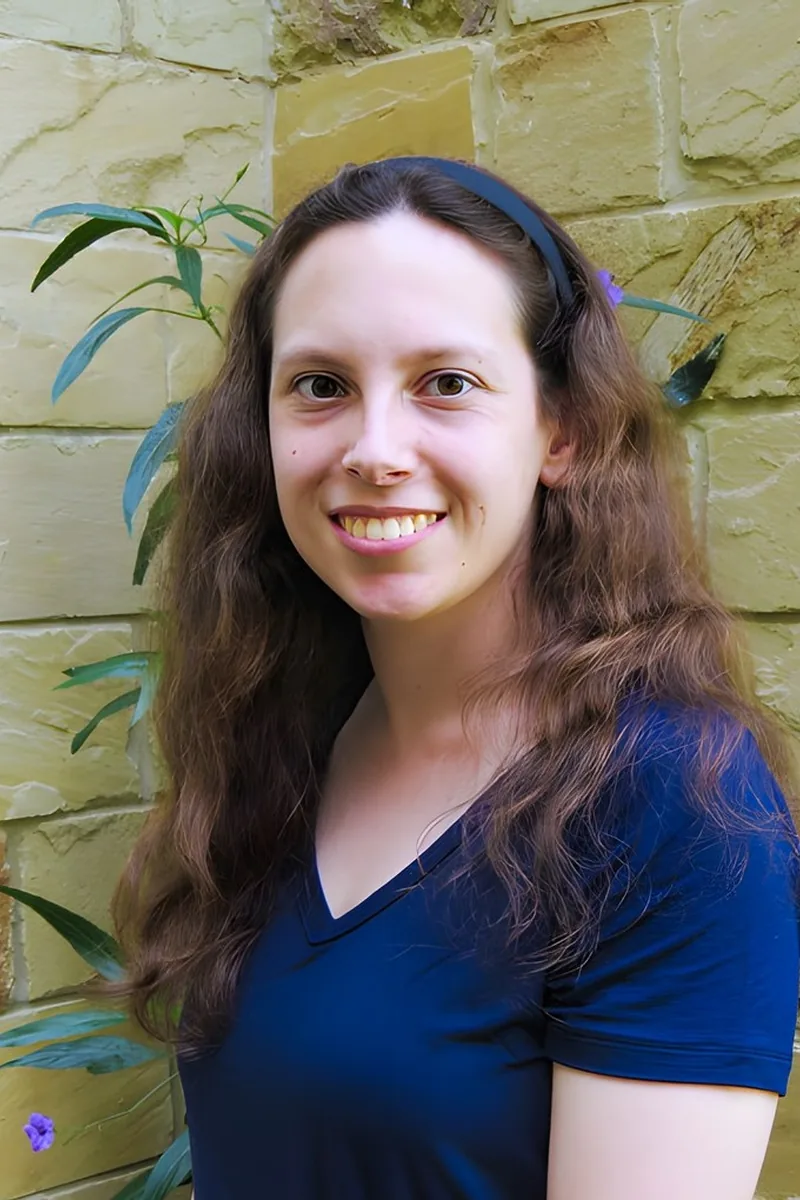
Katelyn earned her bachelor's degree in psychology, so she teaches the subject from genuine fluency — whether the topic is classical conditioning paradigms, cognitive development theory, or the neuroscience behind memory formation. She connects abstract concepts like statistical significance in research methods to real experimental designs, making the material click rather than blur together.
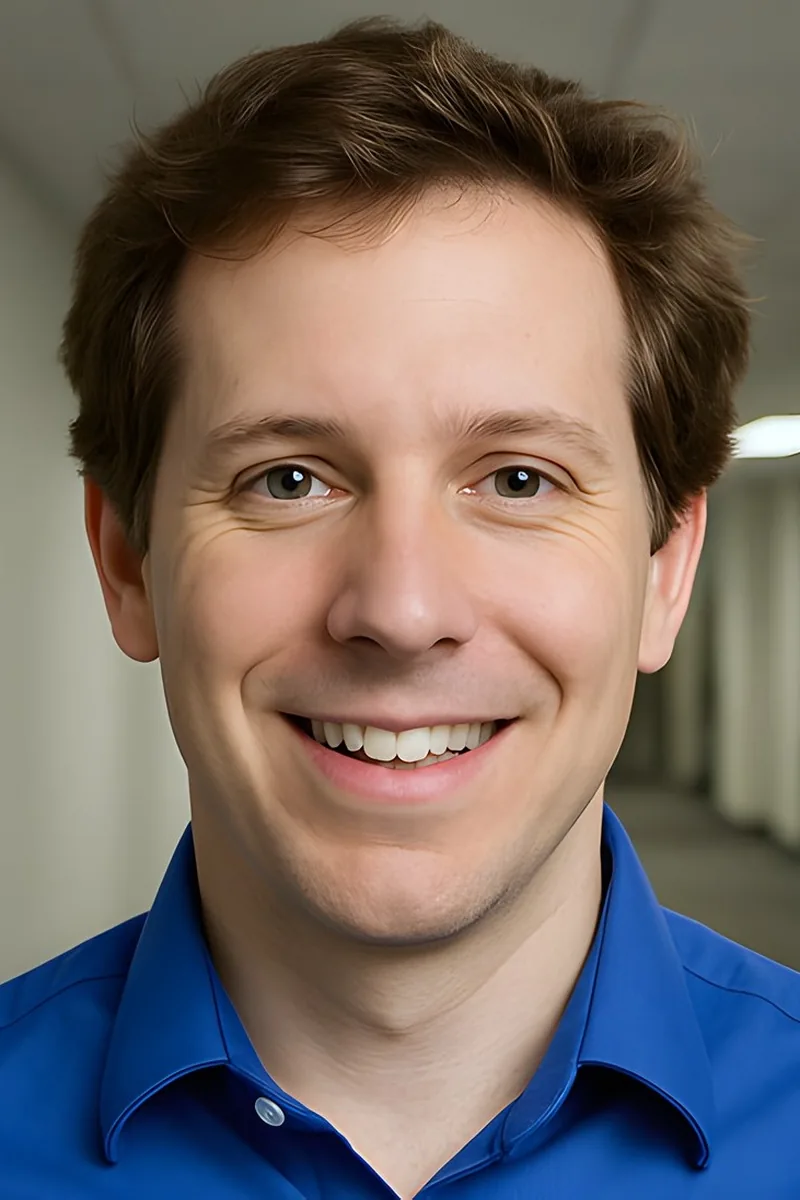
A neuroscience degree and medical residency give Jordan an unusual depth in psychology — from the biological underpinnings of memory and perception to the clinical realities of abnormal psych and behavioral disorders. He breaks down concepts like classical conditioning, cognitive development, and psychopharmacology by connecting them to real cases he's encountered in family medicine. Rated 5.0 by students.
Biology and psychology overlap more than most students expect — neurotransmitter pathways, the biology of stress responses, and nature-versus-nurture debates all bridge the two fields. Anu's biology training at UT Austin gives her a concrete foundation for explaining psychological concepts, from classical conditioning to the structure of memory.
Heading to law school after finishing a political science degree means Diana has spent years studying how institutions shape individual behavior and decision-making — a thread that runs through psychology's units on obedience, authority, and moral reasoning. She's particularly strong at teaching students to analyze classic experiments like Milgram's and Zimbardo's through the political and ethical frameworks that make the findings stick.
Research work at the University of Chicago sharpened Brooke's ability to read and critique the kinds of empirical studies that psychology courses build their curriculum around — from experimental design and variable control to interpreting results sections. She applies that analytical rigor to topics like memory, learning theory, and behavioral research methods, teaching students to engage with psychological literature the way researchers actually do. Rated 5.0 by students.
I am a recent graduate from Becker College in Worcester with a B.A. in Interactive Media Design. I have previous experience tutoring middle school students for a public school system, as well as, experience teaching game design to ages 10-17 at a computer camp this past summer. My favorite thing to teach is game design because that is what I am most passionate about but I also enjoy teaching in general. I find it very rewarding to teach and help students learn, especially, when it is a subject they are not comfortable with. This is due to many students thinking that they are just unable to learn a subject that they struggle with but I believe anyone can learn anything if they have the desire and the are committed to work at it. Outside of teaching I enjoy playing games of all types, such as video games and bowling, and spending time with friends and family.
Few tutors can explain both the philosophical roots of psychology and its biological mechanisms in the same conversation. Aleksandar's interdisciplinary PNP degree covered everything from Freudian theory to fMRI studies, so he teaches concepts like memory consolidation, attachment theory, and abnormal psych with genuine fluency rather than surface-level definitions. Rated 5.0 by students.
Samir's biochemistry training gives him a real edge in psychology, especially when the material dives into neurotransmitter pathways, brain anatomy, or the biological underpinnings of behavior. He breaks down concepts like classical conditioning and cognitive development using concrete examples that make abstract theories easier to retain and apply on exams.
Theatre training builds an unusually sharp instinct for reading people — Samantha directed, composed, and performed in nearly twenty shows at UT Austin, which meant constantly analyzing motivation, emotion, and interpersonal dynamics on stage. She channels that background into psychology topics like social perception, personality theory, and behavioral motivation, turning abstract concepts into vivid human scenarios students can actually internalize. Rated 4.9 by students.
As an incoming school psychology doctoral candidate at UNC Chapel Hill, Paige lives and breathes psychological research — from classical conditioning and cognitive development to the design flaws that undermine a study's validity. She unpacks dense theories by connecting them to real-world behavior students already recognize. Her 5.0 rating speaks to how clearly she communicates material that textbooks often make unnecessarily abstract.
Lillian earned her bachelor's in Psychology from UT Austin, so she teaches the subject with genuine depth — breaking down concepts like operant conditioning paradigms, cognitive biases, and research methodology in ways that connect theory to real behavior. Her biology minor also comes in handy when the course dives into neuroscience topics like neurotransmitter pathways and brain anatomy.
As a Psychology and Human Dimensions of Organizations honors student at UT Austin, Nicole is immersed daily in the concepts she teaches — from classical and operant conditioning to cognitive development theories and research methodology. She breaks down dense topics like neurotransmitter functions and psychological disorders by connecting them to real-world behavior students can observe in their own lives. Rated 5.0 by students.
I'm a huge Red Sox fan and love watching detective shows when I have free time.
I am multilingual. I love teaching Mathematics, Sciences, English, History, Writing...you name it. My philosophy is that the most effective teaching comes from knowing how my student learns, and meeting them where they are. I want to instill a love of learning, but that will not happen if I don't get to know my student.
I am a recent college graduate who loves teaching and helping students learn. I have experience teaching English in Argentina, as well as experience as a teaching assistant for various subjects at the Summer Institute for the Gifted.
Bidyut's biomedical engineering background at Johns Hopkins overlaps heavily with psychology's biological foundations — neurotransmitter pathways, brain anatomy, and the physiological basis of behavior. He unpacks concepts like classical conditioning, cognitive development stages, and research methodology by grounding them in the science behind how the brain actually works.
Cognitive Studies at Vanderbilt sits at the intersection of psychology, neuroscience, and philosophy of mind — so Vy doesn't just know introductory psych concepts like operant conditioning or the stages of memory, she understands the deeper frameworks they come from. She unpacks research methods and experimental design in ways that make the empirical side of psychology click, not just the vocabulary. Her 5.0 rating speaks to how well that approach lands with students.
Cognitive science is essentially psychology's close cousin, so Adam didn't just read about concepts like classical conditioning, cognitive biases, and neural plasticity — he studied them deeply at Rice. That academic grounding lets him explain the why behind psychological theories instead of just the what. He's particularly sharp on the biological and cognitive chapters that students often find most challenging.
I am most passionate about biology and chemistry. I am a firm proponent of education, believing it to be absolutely necessary for an improved quality of life, and I try to impart this appreciation to all of my students.
Editing for multiple newspapers taught Molly how to read people's arguments critically and spot where reasoning breaks down — skills that transfer directly to evaluating psychological studies, interpreting research methods, and writing the kind of structured responses psych courses require. Her communication studies background also gives her a practical handle on topics like persuasion, attitude formation, and media influence, which are staples of social psychology units.
Giovanna didn't just take a psychology elective — she earned a degree in cognitive neuroscience from Penn, studying how the brain underlies behavior, memory, perception, and decision-making. That depth means she can unpack concepts like classical conditioning, cognitive development theories, and research methodology by connecting them to the underlying science. She's a natural fit for students in AP Psych or introductory college courses.
Studying cognitive science on a pre-med track at Rice means Natalie encounters psychology from multiple angles — behavioral, biological, and computational — every semester. She unpacks concepts like memory encoding, perception, and social cognition by tying them to real research studies rather than abstract definitions. Students who need to understand both the theory and the experimental evidence behind psychological principles get a tutor who lives in that material daily.
Biomedical engineering at Rice requires understanding how the human body responds to stress, stimuli, and environmental variables — which overlaps more with psychology than most students expect, especially in units on biological bases of behavior, sensation, and the nervous system. Theresa uses that science-heavy background to demystify topics like neural signaling and psychophysiology, while her 5.0 rating suggests she's just as clear when the course shifts to learning theory or research methods.
Casey's bioengineering background means psychology isn't abstract theory — it's tied to real neural circuits, sensory systems, and the biological underpinnings of behavior. That science-first perspective makes topics like neurotransmitter pathways, perception, and psychophysiology click in ways a purely social-science approach sometimes misses.
Enstin earned a psychology degree from Rice University and went on to prepare for medical school, giving him a dual lens on the discipline — both the theoretical frameworks and the biological underpinnings. He unpacks concepts like classical conditioning, cognitive development, and research methodology by tying them to real experiments and clinical scenarios that make the material click.
Between her psychology minor (completed with honors and a 4.0 GPA) and her doctoral work in physical therapy, Alyssa has spent years applying psychological concepts in both academic and clinical settings. She digs into the material students actually struggle with — distinguishing classical from operant conditioning, understanding experimental design, or connecting neuroscience to behavior.
Kevin's Medicine, Health & Society major covered the biological and social dimensions of human behavior — territory that overlaps heavily with introductory and AP Psychology. He digs into concepts like classical conditioning, cognitive development stages, and research methodology by connecting them to real clinical and public health scenarios that make the material stick.
Jasmine earned her psychology degree at UT Austin and is now completing her Doctor of Osteopathic Medicine, giving her both the academic foundation and the clinical lens to unpack concepts like operant conditioning, cognitive development, and research methodology. She connects abstract theories to real scenarios — explaining Piaget through actual child behavior or illustrating the DSM through case studies — which makes dense material far easier to retain for exams.
As a psychology major and neuroscience minor at Texas A&M with medical school in her sights, Paris teaches psych concepts like they're building toward something — because for her, they are. She breaks down topics like sensation and perception, abnormal behavior, and memory formation by linking the psychological theory to the underlying neuroscience, giving students a two-layered understanding that makes exam answers sharper. Rated 5.0 by students.
Studying psychology at Duke as a pre-med student, Sarah lives this subject daily — from behavioral neuroscience and research methodology to developmental and abnormal psych. She unpacks concepts like classical conditioning, cognitive biases, and the DSM framework by tying them to real clinical examples that make textbook definitions easier to retain.
Studying psychology at the university level while simultaneously diving into neuroscience and biochemistry gave Nathaniel an unusually integrated view of the field — from Piaget's developmental stages to the neurotransmitter systems underlying behavior. He connects abstract theories like operant conditioning or cognitive dissonance to the biological mechanisms that make them work. Students preparing for introductory or upper-level psych courses get someone who can bridge the gap between textbook concepts and real research.
Holding a bachelor's degree in psychology, Anuj brings firsthand knowledge of research methods, cognitive theory, and abnormal psychology to every session. He explains concepts like operant conditioning or the DSM diagnostic framework by tying them to concrete examples students can visualize and remember. His analytical training means he's especially effective at teaching students to design and critique psychological studies.
Hi y'all! I hold my Master of Science in Psychology of Sport and my Bachelor of Science in both Psychology and Applied Human and Sport Physiology. I have many years of tutoring under my belt, working with people of all levels from elementary school through college in hard science subjects (Biology, Chemistry, and Mathematics), a few social sciences (History, Psychology, Economics), and language arts. When not tutoring, I love playing soccer and I even coach a youth team. I love encouraging students to learn, grow, and think critically for themselves.
Pursuing a graduate degree in counseling psychology, Hanna lives this material daily — from Piaget's developmental stages to the nuances of classical versus operant conditioning. She unpacks research methods, statistical reasoning, and theoretical frameworks in ways that connect textbook concepts to real human behavior, which is especially useful for students preparing for AP Psych or introductory college courses.
A neuroscience degree is essentially a psychology degree with extra biology — Brody has deep familiarity with topics from classical conditioning and cognitive development to abnormal psych and research methodology. He unpacks experimental design and statistical reasoning in ways that make the empirical side of psychology click, not just the vocabulary.
Currently on a pre-med track, Shivani digs into psychology from both the scientific and humanistic sides — neurotransmitter pathways in biological psych, conditioning paradigms in behavioral psych, and the case studies that bring developmental theory to life. She teaches students to distinguish between correlation and causation in research design, a skill that shows up on every major psych exam.
Studying neuroscience means Arlin encounters psychology's core concepts — classical conditioning, neural plasticity, cognitive development — from the biological side every day. That dual perspective lets him explain topics like memory formation or neurotransmitter function with a level of mechanistic detail that makes introductory psychology material click rather than feel like vocabulary to memorize.
Sandy's pre-med training gave her deep exposure to the biological underpinnings of psychology — neurotransmitter pathways, the stress response, how brain structure maps to behavior. She connects these mechanisms to broader psychological theories like classical conditioning or cognitive development so that students see the full picture. Whether it's an intro psych course or AP-level material, she unpacks the science behind the concepts.
A magna cum laude psychology graduate from the University of Illinois at Urbana-Champaign, Ysatris brings deep familiarity with topics like operant conditioning, cognitive biases, research methodology, and abnormal behavior classifications. She breaks down dense theoretical frameworks — whether it's comparing Freud's psychodynamic model to cognitive-behavioral perspectives or interpreting statistical findings from a study — into language that actually clicks.
Environmental science research at Rice required Alex to design studies, interpret behavioral data, and understand how humans interact with complex systems — skills that translate directly into psychology topics like research methods, cognitive biases, and social behavior. He breaks down experimental design and statistical reasoning in ways that make psych's empirical side far less intimidating.
Testimonials
Because the right Psychology tutor makes all the difference.
Average Session Rating – Based on 3.4M Learner Ratings
Nearby Psychology Tutors
Other Austin Tutors
Related Social Sciences Tutors in Austin
Frequently Asked Questions
Your first session is about understanding where you are and what you need. A tutor will assess your current knowledge of psychology concepts, discuss your specific goals (whether that's improving exam scores, understanding difficult topics, or preparing for AP Psychology), and create a personalized plan tailored to your learning style. This foundation helps ensure every session after that is focused and productive.
Many students struggle with memorizing the numerous theories, psychologists, and studies without truly understanding the concepts behind them. Others find it difficult to apply psychological principles to real-world scenarios or to distinguish between similar theories (like different learning approaches or therapeutic methods). Additionally, students often underestimate the research and statistical components of psychology, which are crucial for success in AP Psychology and college-level courses.
In a classroom with Austin's average student-teacher ratio of about 15:1, teachers must pace instruction for the whole group, which means some concepts may move too quickly or slowly for individual students. Personalized tutoring allows a tutor to focus entirely on your learning gaps, spend extra time on challenging topics like operant conditioning or memory models, and use teaching methods that match how you learn best. This targeted approach typically leads to deeper understanding and better retention than general classroom instruction.
Tutors are familiar with the psychology courses offered across Austin's 24 school districts, including standard high school psychology, AP Psychology, and dual-credit college courses. They understand the specific standards and expectations for each level and can tailor instruction to match what you're learning in class while filling in gaps and reinforcing difficult concepts. This alignment ensures tutoring complements your coursework rather than working in isolation.
Yes. AP Psychology preparation is a common focus for tutors, who can help you master the eight units of the AP curriculum—from scientific foundations through clinical psychology—and develop effective strategies for the multiple-choice and free-response sections. Tutors can also help you understand how to apply psychological concepts to case studies and real-world scenarios, which is essential for scoring well on the exam.
Rather than drilling flashcards, tutors use active learning strategies like discussing real-world applications, creating concept maps, and working through practice problems that require you to apply theories. For example, instead of memorizing Piaget's stages, a tutor might help you understand the cognitive changes happening at each stage and why they matter. This deeper understanding makes concepts stick longer and helps you perform better on exams that test application, not just recall.
Pricing varies based on the tutor's expertise, your specific needs, and how frequently you meet. Varsity Tutors connects you with tutors who offer different rate structures, so you can find an option that fits your budget. Many students benefit from starting with one or two sessions per week and adjusting based on their progress and upcoming exams or assignments.
Varsity Tutors matches you with tutors based on your specific psychology needs—whether that's general course support, AP exam prep, or help with research methods and statistics. You can discuss your learning style, goals, and schedule with potential tutors before committing, ensuring you find someone who understands psychology deeply and can explain concepts in a way that makes sense to you.
Let’s find your perfect tutor
Answer a few quick questions. We’ll recommend the right plan and match you with a top 5% tutor.