Award-Winning Microbiology Tutors
serving San Jose, CA
Microbiology
Tutors in San Jose
Private 1-on-1 tutoring, weekly live classes for academic support, test prep & enrichment, practice tests and diagnostics, and more to elevate grades and test scores.
Based on 3.4M Learner Ratings
UniversitiesSchools & Universities
DeliveredHours Delivered
ProficiencyGrowth in Proficiency
Who needs tutoring?
No obligation. Takes ~1 minute.
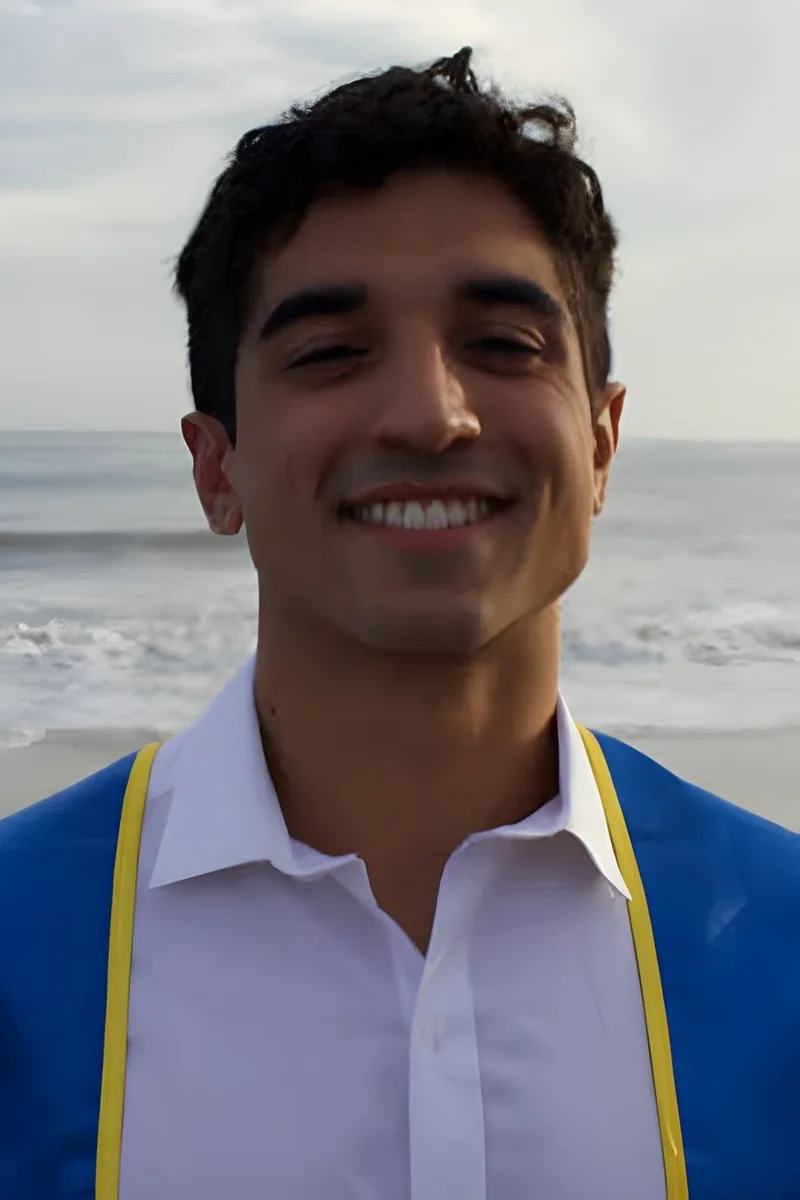
Kevin's honors biology degree from UC Santa Barbara included deep work with microbial systems — bacterial cell structure, metabolic pathways, and the mechanisms behind antibiotic resistance. He unpacks dense topics like gram staining protocols, viral replication cycles, and microbial genetics by connecting each process to its clinical or environmental significance. For pre-med students especially, he knows exactly which concepts carry forward into pathology and pharmacology.
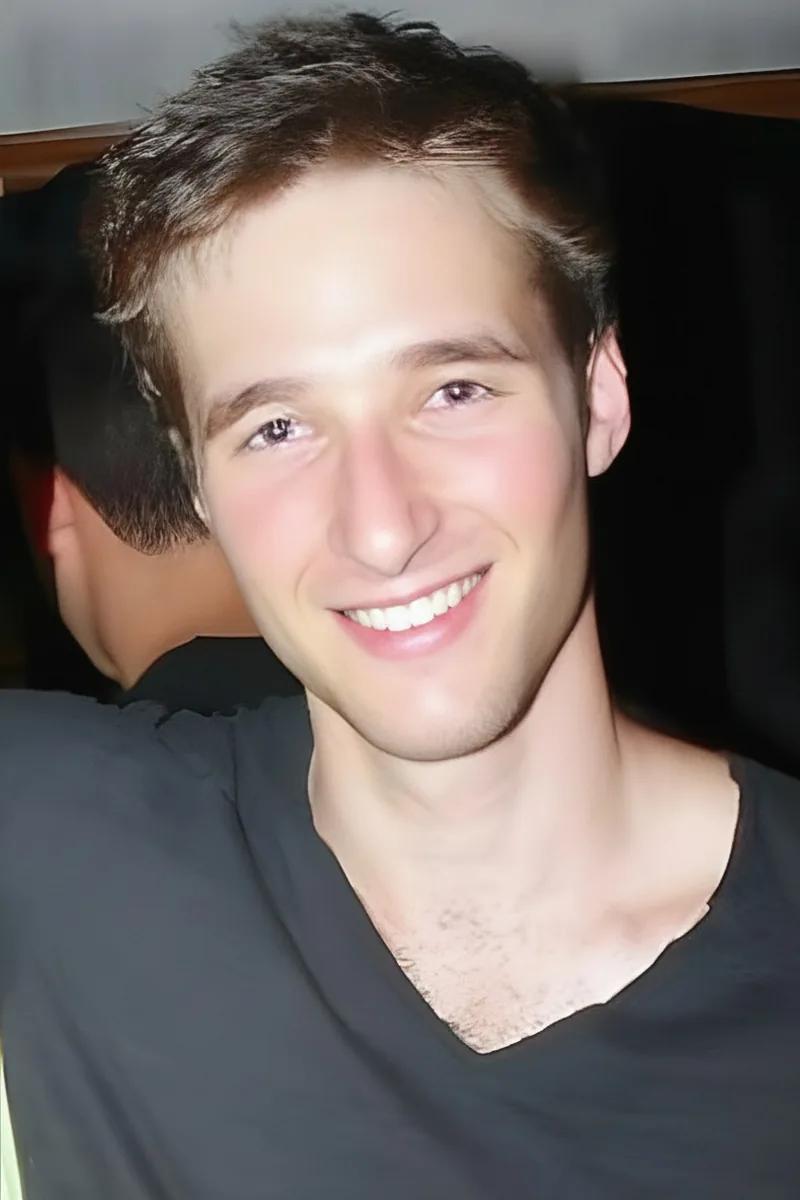
The trick with microbiology is that it sits at the intersection of biology, chemistry, and physics — and Nicholas actually teaches all three, which means he can trace a concept like bacterial membrane transport from the biological function down to the thermodynamics and chemical gradients driving it. His biology degree gave him the core training in cell structure and microbial physiology, while his physical chemistry and organic chemistry background lets him explain mechanisms like cell wall synthesis or metabolic pathways at the molecular level where they actually make sense.
Having completed his biology degree at UCLA with coursework in cell biology and physiology, Nathan can trace microbial processes — like how opportunistic pathogens exploit immune gaps or how metabolic differences between aerobic and anaerobic bacteria shape infection outcomes — back to the underlying biology. He also teaches anatomy, physiology, and nutrition, so he naturally frames microorganisms in terms of the body systems they colonize and disrupt.
Pre-med preparation means Fady has spent real time with the microbial world — learning how pathogens cause disease, how the immune system responds, and how microbial physiology ties into the bigger picture of human health. His biology degree and parallel coursework in anatomy, physiology, and chemistry let him trace concepts like bacterial structure and infection mechanisms back to the underlying science rather than treating them as disconnected vocabulary lists.
Studying both Biology and Political Science at the college level, Andrea is immersed in microbiology coursework — from bacterial cell structure and metabolic pathways to viral replication cycles. She unpacks dense material by tying molecular-level processes to bigger-picture concepts like immune response and antibiotic resistance, which makes the details easier to retain.
As a second-year medical student with an undergraduate degree in Molecular, Cell, & Developmental Biology from UCLA, Vinay brings clinical context to microbiology topics like bacterial pathogenesis, viral replication cycles, and antimicrobial resistance mechanisms. He connects each organism's structure to its behavior — explaining *why* gram-negative bacteria respond differently to antibiotics, not just *that* they do. His pharmacology knowledge adds an extra layer for students studying micro in a pre-health context.
Between his biochemistry degree from Rice and his medical school training, Sanjay has spent years immersed in the microbial world — bacterial cell structure, pathogenic mechanisms, antimicrobial resistance, and the metabolic pathways that distinguish different organisms. He connects microbiology concepts to clinical scenarios, which makes memorizing genera, gram stain results, and virulence factors far more intuitive.
Josef's life sciences research at Cornell gave him hands-on familiarity with microbial systems, from bacterial cell structure and gram staining to pathogenic mechanisms and antibiotic resistance. He teaches microbiology by linking each organism's biology to its clinical or ecological significance, which makes classification and virulence factors far easier to retain.
Medical school at Jefferson means Jamie is learning microbiology the way clinicians actually use it — identifying pathogens, understanding infection mechanisms, and connecting antimicrobial treatments to the specific vulnerabilities of each organism. That clinical lens, built on top of pre-med coursework in biology, biochemistry, and physiology, lets her trace a concept like bacterial virulence from the molecular machinery driving it all the way to the patient outcome it produces.
Keeping bacterial classification, metabolic pathways, and virulence factors straight requires more than flashcards — it requires a framework. Rachel approaches microbiology by organizing organisms around how they survive: their energy sources, their structural defenses, and how they interact with host immune responses. That structure turns a sprawling subject into something students can actually reason through on exams.
From bacterial gene regulation to viral replication strategies, microbiology demands comfort with both molecular detail and big-picture ecology. Zachary's graduate work in molecular biology gave him hands-on familiarity with the techniques and concepts — Gram staining, quorum sensing, antibiotic resistance mechanisms — that form the backbone of most microbiology courses.
Philosophy, Politics and Economics isn't the typical path into microbiology, but Noah's biology coursework gave him enough grounding in cellular processes to break down topics like prokaryotic structure and microbial growth curves for students encountering them for the first time. He takes a methodical, logic-driven approach — the kind his PPE training sharpened — to help untangle classification systems and keep bacterial phyla from blurring together.
Few tutors have a dedicated microbiology credential — Felix earned an Associate in Science specifically in microbiology and taught biology at the university level as a TA. He digs into bacterial morphology, staining techniques, metabolic pathways, and microbial genetics with the kind of detail that lecture halls often gloss over. Whether it's understanding biofilm formation or interpreting antibiotic susceptibility results, he connects lab concepts to the underlying theory.
Before pursuing her graduate degree, Kelsey taught microbiology at a community college, designing her own review materials and walking students through bacterial metabolism, microbial genetics, and lab techniques like Gram staining and culture analysis. That classroom experience means she knows which concepts trip students up — and how to explain them differently the second time around. Rated 4.9 by students.
Neuroscience training at the undergraduate level means Jhonatan spent significant time with the microbial world — understanding how pathogens cross the blood-brain barrier, how CNS infections progress, and how the gut microbiome communicates with neural tissue. He teaches microbial physiology and host interactions by anchoring them to these neuroimmune connections, giving students a narrative thread through what can otherwise feel like an overwhelming catalog of organisms. Rated 5.0 by students.
Bioengineering trains you to think about microorganisms as systems — how bacterial metabolism, gene regulation, and surface interactions can be modeled, measured, and manipulated. Casey applies that engineering mindset to microbiology topics like growth kinetics and sterilization techniques, breaking down each process into the quantitative and biological components that actually explain it. Her parallel background in physiology and organic chemistry lets her trace microbial behavior from the molecular scale up to host-level effects.
Testimonials
Because the right Microbiology tutor makes all the difference.
Average Session Rating – Based on 3.4M Learner Ratings
Nearby Microbiology Tutors
Other San Jose Tutors
Related Science Tutors in San Jose
Frequently Asked Questions
Microbiology requires understanding both invisible structures and complex processes—from bacterial cell walls to metabolic pathways—which makes visualization particularly challenging. Students often struggle with connecting theoretical concepts like gene expression or pathogenesis to real-world applications, and balancing chemical equations for microbial reactions can feel overwhelming. A personalized tutoring approach helps break down these abstract concepts into concrete, visual explanations while building the scientific reasoning skills you need to apply knowledge to new problems.
Microbiology labs involve hands-on techniques like culturing, staining, and microscopy that require both technical precision and conceptual understanding. Tutors can help you prepare for lab sessions by explaining the underlying science behind each procedure, guide you through interpreting results, and connect your observations to the theory you're learning in class. This preparation and reflection strengthens your scientific reasoning and makes lab time more productive and meaningful.
While microbiology does involve learning terminology and facts, true mastery requires understanding the 'why' behind microbial behavior, pathways, and interactions. Effective tutoring focuses on building conceptual frameworks—like how antibiotic resistance develops or why certain microorganisms thrive in specific environments—rather than rote memorization. When you understand the underlying principles, terminology becomes meaningful and retention improves naturally.
Microbiology calculations often involve working with microscopic scales (micrometers, nanometers) and concentrations (molarity, dilutions) that can feel abstract. Tutors break down the logic of unit conversions step-by-step, help you develop mental strategies for working with scientific notation, and connect calculations to their real-world meaning—like understanding what a 1:100 dilution actually represents. With practice and clear explanations, these skills become second nature.
Your first session focuses on understanding your current level, identifying specific challenges, and building a personalized learning plan. A tutor will likely review recent coursework, ask about topics that feel confusing, and assess whether you need help with foundational concepts, lab skills, exam preparation, or connecting theory to applications. This conversation shapes your tutoring approach so every session targets your actual needs.
Look for tutors with strong backgrounds in microbiology or related sciences—ideally with experience teaching or tutoring the specific topics you're studying, whether that's medical microbiology, environmental microbiology, or general microbiology. Varsity Tutors connects you with expert tutors who understand both the content and how to explain complex concepts clearly, plus they're experienced in helping students develop scientific reasoning skills alongside content mastery.
Yes, Varsity Tutors connects San Jose students with personalized 1-on-1 microbiology instruction tailored to your specific course and learning style. Whether you're in high school AP Biology, a community college microbiology course, or a university-level program, you can work with expert tutors who understand the San Jose area's school systems and curriculum standards. Personalized instruction allows you to move at your own pace and focus on the concepts that matter most to your success.
Exam preparation with a tutor goes beyond reviewing notes—it focuses on building deep understanding so you can apply concepts to new problems and scenarios. Tutors help you identify knowledge gaps, practice explaining concepts in your own words, work through past exam questions, and develop test-taking strategies specific to microbiology. This targeted preparation builds confidence and the conceptual foundation you need to perform well on exams.
Let’s find your perfect tutor
Answer a few quick questions. We’ll recommend the right plan and match you with a top 5% tutor.